Lifestyle
What to Save After a Missouri Car Crash: Evidence You Will Wish You Had Kept

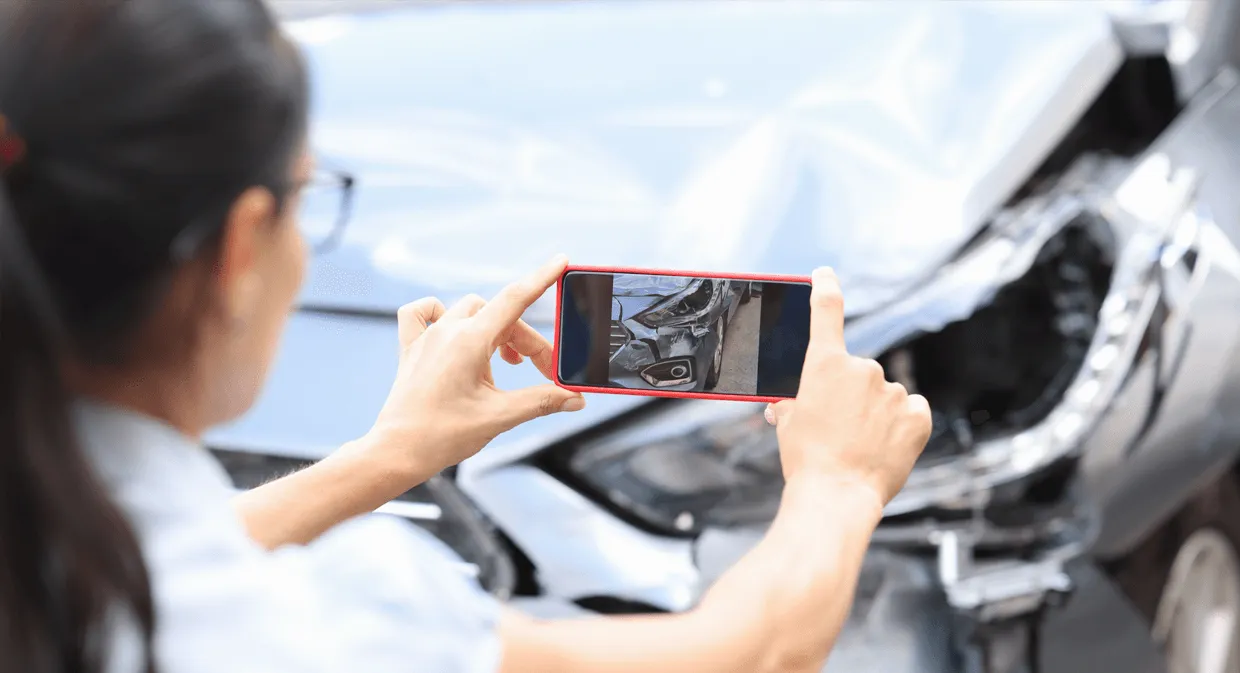
The hours and days after a crash move quickly. Tow trucks arrive, debris gets cleared away, and small decisions can erase details that may later matter. Preserving useful evidence early does more than fill a folder. It can help document fault, injuries, and financial losses with real world information that insurers, attorneys, and courts may consider. This article explains what to capture, keep, and organize in Missouri after a collision, from scene photographs to wage records, with practical examples and tradeoffs. Even if you are unsure whether you will make a claim, building a clear record can preserve your options if medical symptoms continue or questions about liability arise.
- Create a Timeline and Capture the Scene Before It Changes
Start a written timeline while events are still fresh. Note where you were going, the weather, traffic conditions, and the approximate time of impact. Photograph the intersection from several angles, including lane markings, traffic signals, stop lines, and anything that may have affected visibility.
Close up photographs can also be useful. Capture skid marks, debris, airbag deployment, seat belt marks, and vehicle damage. If available, write down the police crash report number, tow company information, storage location, and any insurance claim numbers.
Ask nearby businesses whether exterior cameras may have recorded the collision, and preserve your own dashcam footage if you have it. Some vehicles may also contain electronic data that could become relevant, depending on the circumstances of the crash.
A common mistake is allowing a severely damaged vehicle to be repaired, sold, or salvaged before anyone determines whether a further inspection is necessary. Depending on the case, preserving the vehicle for a reasonable period may help document damage patterns or electronic information.
An attorney can advise whether formal evidence preservation steps are appropriate. A St. Louis injury lawyer can also explain timing and inspection issues. Firms such as Buchanan, Williams & O’ Brien, P.C. may provide guidance about preserving relevant evidence before it is altered or discarded.
- Medical Records That Connect the Injury to the Crash
Medical documentation can help establish what symptoms appeared after the collision and what treatment was provided. Keep emergency department discharge papers, visit summaries, imaging reports, prescriptions, and other records related to your care.
If imaging such as X rays or MRI studies is performed, ask how you can obtain copies of the images and written radiology reports. At follow up appointments, describe your symptoms accurately and explain how the collision occurred without exaggerating or minimizing what you experienced.
A simple pain and activity log may also be useful. Note problems such as sleep disruption, mobility limitations, difficulty working, or activities you can no longer perform comfortably.
Bring healthcare providers an accurate medication list and relevant medical history so they can distinguish new symptoms from preexisting conditions.
Keep insurance Explanation of Benefits documents, therapy attendance records, pharmacy receipts, and other healthcare paperwork. If appointments are delayed because of scheduling, transportation, insurance approval, or another practical barrier, keep records showing the reason.
Patient portals can make record keeping easier. Download important visit summaries, test reports, and treatment instructions so you are not relying on memory months later.
- Proof of Lost Income and Out of Pocket Costs
Lost income is easier to document when you have records showing what you normally earned and what changed after the crash. Save several pre crash pay stubs, W2 forms, time records, and relevant employment documents.
Track missed workdays, reduced hours, paid time off, or leave used because of the collision or related medical appointments. Employer confirmations may also help establish the dates and amount of time missed.
If you are self employed or work in the gig economy, keep invoices, 1099 forms, booking calendars, payment records, bank deposits, or other documents showing typical earnings before and after the collision.
Save receipts for towing, vehicle storage, rental transportation, ride hailing, medical copays, prescriptions, mobility aids, and parking or transportation costs related to treatment.
Keep repair estimates, photographs, and the final repair invoice for your vehicle. Depending on the circumstances, you may also want to ask whether diminished value is relevant after major structural damage.
Consider a restaurant server who cannot lift trays for two weeks. Because tip income may vary, previous weekly earnings, payroll records, and point of sale reports may provide better context than a single pay stub.
Read settlement documents carefully before signing them. Property damage and bodily injury issues may be handled differently, and the wording of a release can matter. Keep copies of everything you sign and consider seeking legal advice if the effect of a document is unclear.
- Witnesses, Footage, and Digital Trails
Witness information can disappear quickly as people leave the scene or forget details. If possible, collect names and contact information from anyone who saw the collision.
Preserve relevant text messages or other communications about the crash. If nearby homes or businesses have security cameras, note where they are located and ask whether footage can be preserved. Some recording systems automatically overwrite older footage, so early requests may matter.
Public agency footage and 911 recordings may also be available in some circumstances, subject to applicable rules and retention practices. If you use a dashcam, preserve the original recording rather than continuing to overwrite the storage card before making a copy.
Social media can also become relevant after a collision. Public posts, photographs, location information, or comments may be reviewed during an insurance dispute or legal case.
Be cautious about posting detailed information about the crash, your injuries, or activities that could be misunderstood. Review privacy settings and avoid deleting existing relevant material solely because a dispute has arisen, since preserving potentially relevant evidence may be important.
- Organize Early and Know When to Seek Help
Create separate folders for property damage, medical records, income loss, insurance correspondence, and other important documents. Keep claim numbers, adjuster contact information, important phone calls, and appointment dates in one place.
Maintain a calendar for medical appointments, vehicle storage charges, rental deadlines, and any dates communicated by insurers, courts, or attorneys.
Before giving a recorded statement or signing broad medical authorizations, make sure you understand what is being requested and why. Requirements can vary depending on the insurer, claim, and circumstances.
Health insurance may cover some medical expenses while responsibility for the collision is being evaluated. Depending on the health plan and applicable law, reimbursement or lien issues may arise later, so keep insurance notices and Explanation of Benefits documents with your other records.
If you are uncertain about deadlines, preservation obligations, settlement documents, or communications with insurers, consider speaking with a qualified Missouri attorney about your specific situation.
Preserve the Details Before They Disappear
You cannot freeze time after a crash, but you can keep important information from disappearing. Clear photographs, timely medical records, receipts, witness information, and organized correspondence can make the facts easier to understand after memories fade.
Even if you ultimately decide not to pursue a claim, preserving scene photographs, medical records, receipts, vehicle documentation, and contact information usually leaves you with more options than trying to reconstruct events months later.
Keep your records organized as the situation develops and continue adding important documents rather than relying on memory. Careful documentation during the first few weeks can help you focus on recovery while preserving information that may become important if questions about fault, treatment, expenses, or compensation arise.


Who Is Jefferson Salvini Randall? The Amazing Life Story of Tony Randall’s Son

Who Is Melissa Esplana? The Amazing Life Story of Dusty Baker’s Wife

AdsTotally.com Explained: Ad-Network Name, Guest-Post Reality

The Importance of Sun Protection in Children’s Swimwear

BlessingTide.com Explained: From Faith Content to General Interest

Who Is Riley Mandel? The Inspiring Journey of Howie Mandel’s Daughter

Who Is Jaisal Andrews? Inside the Life of Naveen Andrews’ Son

Who Is Saffron Le Bon? The Untold Life Story of Benjamin Compston’s Wife

Who Is Tanja Rosner? The Untold Life Story of Tate McRae’s Mother

Voozon.com Explained: What It Really Is Behind the “Knowledge Platform” Label

Who Is Sue Johnston? The Remarkable Life Story of Joel Palmentor’s Mother

Who Is Kerri Browitt Caviezel? The Inspiring Life Story of Jim Caviezel’s Wife
-
 Celebrity2 months ago
Who Is Jaisal Andrews? Inside the Life of Naveen Andrews’ Son
-
 Celebrity2 months ago
Who Is Saffron Le Bon? The Untold Life Story of Benjamin Compston’s Wife
-
 Celebrity2 months ago
Who Is Tanja Rosner? The Untold Life Story of Tate McRae’s Mother
-
 Software3 weeks ago
Voozon.com Explained: What It Really Is Behind the “Knowledge Platform” Label
-
 Celebrity2 months ago
Who Is Sue Johnston? The Remarkable Life Story of Joel Palmentor’s Mother
-
 Celebrity2 months ago
Who Is Kerri Browitt Caviezel? The Inspiring Life Story of Jim Caviezel’s Wife
-

 Celebrity1 month ago
Who Is Otelia Cox? The Remarkable Life Story of Tony Cox’s Wife
-

 Technology1 month ago
TheSindi Com Explained: What to Verify Before Trusting This Site