Business
Diagnosing AC Trouble in Scottsdale’s Heat: Early Signs, Likely Causes, and Safe First Steps

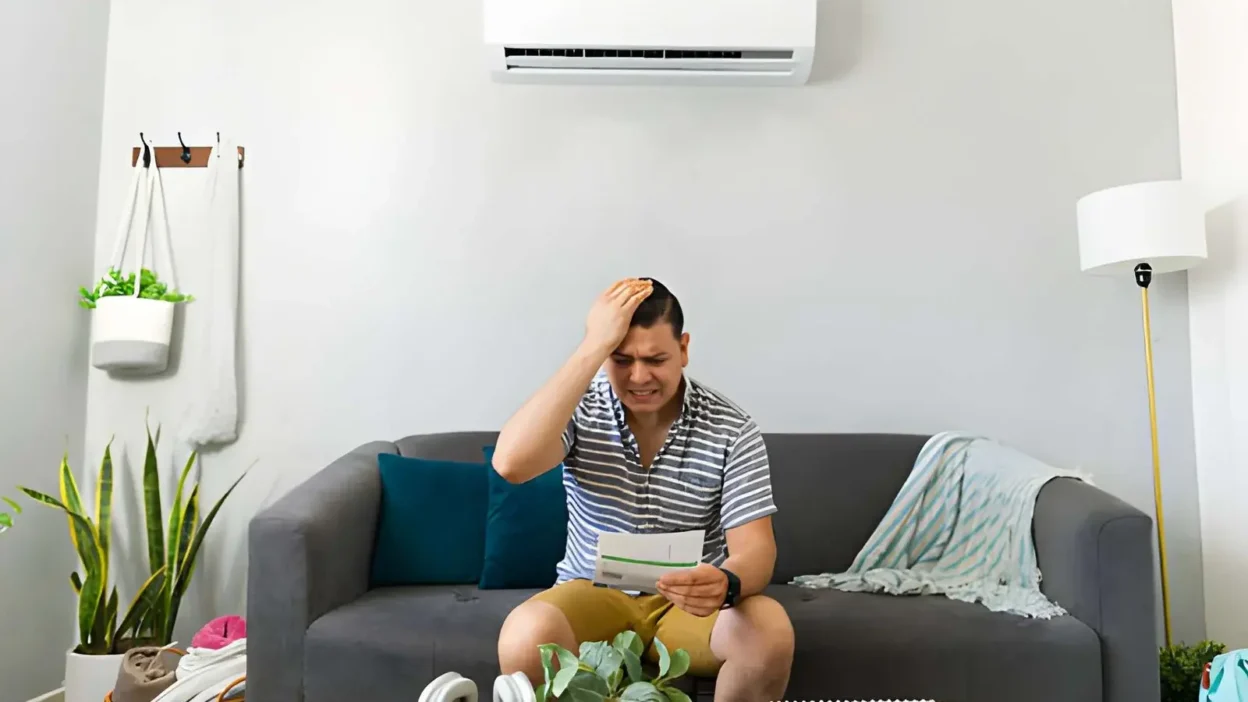
Triple-digit days are normal in Scottsdale, so a reliable air conditioner feels less like a luxury and more like a lifeline. When cooling falters, the symptoms often appear before the system fully quits: warmer supply air, reduced airflow at the registers, repeated breaker trips, or even ice on the refrigerant lines. Interpreting those signals can help you prevent damage, communicate clearly with a technician, and restore comfort faster. This article explains what common signs point to inside a typical split or package system, why desert conditions push equipment hard, the safe checks you can make, and when specialized diagnostics are essential. It stays useful whether you manage a rooftop unit or a ground-mounted condenser.
- Early AC Symptoms and the Components They Point To
Many homeowners search for resources like air conditioning repair in Scottsdale when the thermostat is set correctly, but the vents blow warm air, or the airflow seems weak. Warm air with the outdoor fan and indoor blower running can indicate a failed compressor, a stuck contactor, or a tripped high-pressure switch due to a clogged condenser coil. Weak airflow, rattling returns, and rooms that never cool often point to a severely clogged filter, a blocked return grille, or a matted evaporator coil restricting air across the indoor heat exchanger.
Short cycling, where the system starts and stops every few minutes, can stem from a failing capacitor that cannot keep the fan or compressor running, or from an overheating condenser that raises head pressure until a safety limit opens. A humming outdoor unit with a non-spinning fan often suggests a bad capacitor or a stuck fan motor. Ice on the suction line or evaporator coil usually means low airflow across the coil or low refrigerant; both can drop surface temperatures below freezing. Water around the indoor air handler points to a clogged condensate drain, a full drain pan, or a float switch that shut cooling off to prevent overflow.
- Why Scottsdale Conditions Push Systems to Fail
Desert dust and sun exposure create a tough environment for AC equipment. Fine dust from haboobs packs into condenser fins, blocking heat rejection and forcing the compressor to run at higher pressure and temperature. Rooftop units bake on reflective surfaces; UV and heat accelerate wear on capacitors and contactors, increasing the chance of a no-start or mid-afternoon failure. Inside the home, high summer loads mean blowers run for long periods; if the filter is high MERV but too restrictive for the system, airflow falls, the evaporator coil gets too cold, and frost builds into a solid block of ice.
Monsoon moisture adds another stressor: more condensate. Algae and dust can form a sludge that clogs the condensate line or trap, flooding the drain pan and triggering a float switch that cuts power to the outdoor unit. Long refrigerant line sets, common when the condenser sits far from the air handler or on a roof, add more flare fittings and braze joints where microscopic leaks can form. Low charge reduces cooling capacity and can show up as extra-long run times, coil icing, or only partly cooled rooms even when the thermostat never changes.
- A Safe, Step-by-Step Check Before You Call
Start at the thermostat. Confirm it is set to cool, the setpoint is below room temperature, and the fan is on auto. If the display is blank or erratic, replace the batteries and make sure it is not in direct sun, which can cause false readings and short cycling. Next, inspect the return grille and air filter. If the filter is packed with dust or noticeably bowed, replace it before running the system. A filter rated too high for your blower can choke airflow; for many residential systems, a mid-range MERV rating balances particle capture with adequate airflow.
Step outside and look for obvious airflow obstructions around the condenser: bagged leaves against the coil, plastic covers left on after spring, or vegetation within two to three feet of the cabinet. Do not bend fins with high-pressure water or open the electrical panel. If the outdoor fan isn’t spinning, switch off the power at the disconnect before any visual check. Indoors, if you see ice on the refrigerant line or evaporator coil, turn cooling off and set the fan to on to help melt it before a technician visit. Running a frozen system can flood the compressor with refrigerant and cause permanent damage.
- When a Professional Diagnosis Is Essential
Some faults require tools and training you likely don’t have at home. Examples include verifying refrigerant charge using superheat and subcooling readings, testing capacitors with a meter, identifying a weak compressor winding, or confirming that a thermal expansion valve is sticking. Refrigerant handling requires certification, so topping off a system is not a DIY step. Also, repeatedly adding refrigerant without leak detection is a short-term fix that can mask a problem and increase future costs; a targeted leak search and repair is the more durable solution.
Electrical issues deserve the same caution. A humming condenser, pitted contactor, or tripping breaker could be a simple start capacitor failure or a sign of a locked compressor drawing high amperage. A licensed technician can tell the difference without risking injury or further damage. If your system has a float switch in the drain pan that shuts off the outdoor unit, clearing the line and confirming proper trap and slope helps prevent water damage later. In each case, the right measurement saves guesswork and avoids parts chasing.
Preventing Repeat Breakdowns With Targeted Maintenance
Preventing future outages is about managing airflow, heat exchange, and drainage. Replace filters on a regular cadence and more often after dust storms. Keep two feet of clearance around the condenser and gently remove loose debris from the coil surface. Because condenser coils trap fine dust deep in the fins, schedule professional coil cleaning during a spring tune-up so the compressor doesn’t have to work harder in July. Indoors, confirm that supply registers are open and that bulky furniture is not blocking key returns, which can starve the blower.
Two realistic scenarios show how targeted steps help. After a mid-summer dust storm, a homeowner notices the upstairs vents barely moving air, and the suction line encased in ice. Replacing a clogged filter and letting the coil thaw restores cooling in the short term, but a technician visit to clean the evaporator coil and check the charge prevents a repeat. In another home, the second floor is routinely 5 to 8 degrees warmer in the afternoon. The issue isn’t refrigerant, but undersized returns and leaky attic ducts. Sealing duct leaks and adding a return reduce static pressure and improve airflow where it is most needed.
Filters also present a useful trade-off: higher MERV media capture more fine particles but can reduce airflow in systems with modest blowers or small returns. If you notice whistling returns, frequent icing, or longer run times after moving to a denser filter, step down to a mid-MERV product or consult a technician about adding return capacity. A little attention to fit, airflow, and cleanliness goes further for performance in Scottsdale than any single gadget.
Cooling failures rarely come out of nowhere. Symptoms such as warm supply air, recurring breaker trips, a non-spinning outdoor fan, or water around the air handler can tell you what part of the system needs attention and how urgently you should respond. Take the safe steps first: verify thermostat settings, swap a clogged filter, clear space around the condenser, and let any ice thaw completely. Then hand off refrigerant, electrical, and deep-cleaning tasks to a certified pro. Have model numbers, the unit’s age, recent filter changes, and what you observed ready. That clarity helps the technician pinpoint the issue quickly and get your home comfortable again.
<iframe src=https://www.google.com/maps/embed?pb=!1m18!1m12!1m3!1d3321.721976703869!2d-111.8853032!3d33.6384501!2m3!1f0!2f0!3f0!3m2!1i1024!2i768!4f13.1!3m3!1m2!1s0x872b75952fd89f83%3A0x2c079b5b4578c520!2sSemper%20Fi%20Heating%20and%20Cooling!5e0!3m2!1sen!2sno!4v1787153050210!5m2!1sen!2snoo” width=”600″ height=”450″ style=”border:0;” allowfullscreen=”” loading=”lazy” referrerpolicy=”strict-origin-when-cross-origin”></iframe>


Who Is Jefferson Salvini Randall? The Amazing Life Story of Tony Randall’s Son

Who Is Melissa Esplana? The Amazing Life Story of Dusty Baker’s Wife

AdsTotally.com Explained: Ad-Network Name, Guest-Post Reality

The Importance of Sun Protection in Children’s Swimwear

BlessingTide.com Explained: From Faith Content to General Interest

Who Is Riley Mandel? The Inspiring Journey of Howie Mandel’s Daughter

Who Is Jaisal Andrews? Inside the Life of Naveen Andrews’ Son

Who Is Saffron Le Bon? The Untold Life Story of Benjamin Compston’s Wife

Who Is Tanja Rosner? The Untold Life Story of Tate McRae’s Mother

Voozon.com Explained: What It Really Is Behind the “Knowledge Platform” Label

Who Is Sue Johnston? The Remarkable Life Story of Joel Palmentor’s Mother

Who Is Kerri Browitt Caviezel? The Inspiring Life Story of Jim Caviezel’s Wife
-
 Celebrity2 months ago
Who Is Jaisal Andrews? Inside the Life of Naveen Andrews’ Son
-
 Celebrity2 months ago
Who Is Saffron Le Bon? The Untold Life Story of Benjamin Compston’s Wife
-
 Celebrity2 months ago
Who Is Tanja Rosner? The Untold Life Story of Tate McRae’s Mother
-
 Software3 weeks ago
Voozon.com Explained: What It Really Is Behind the “Knowledge Platform” Label
-
 Celebrity2 months ago
Who Is Sue Johnston? The Remarkable Life Story of Joel Palmentor’s Mother
-
 Celebrity2 months ago
Who Is Kerri Browitt Caviezel? The Inspiring Life Story of Jim Caviezel’s Wife
-

 Celebrity1 month ago
Who Is Otelia Cox? The Remarkable Life Story of Tony Cox’s Wife
-

 Technology1 month ago
TheSindi Com Explained: What to Verify Before Trusting This Site