Lifestyle
Clearing and Preventing AC Condensate Drain Clogs: What Homeowners Can Safely Do

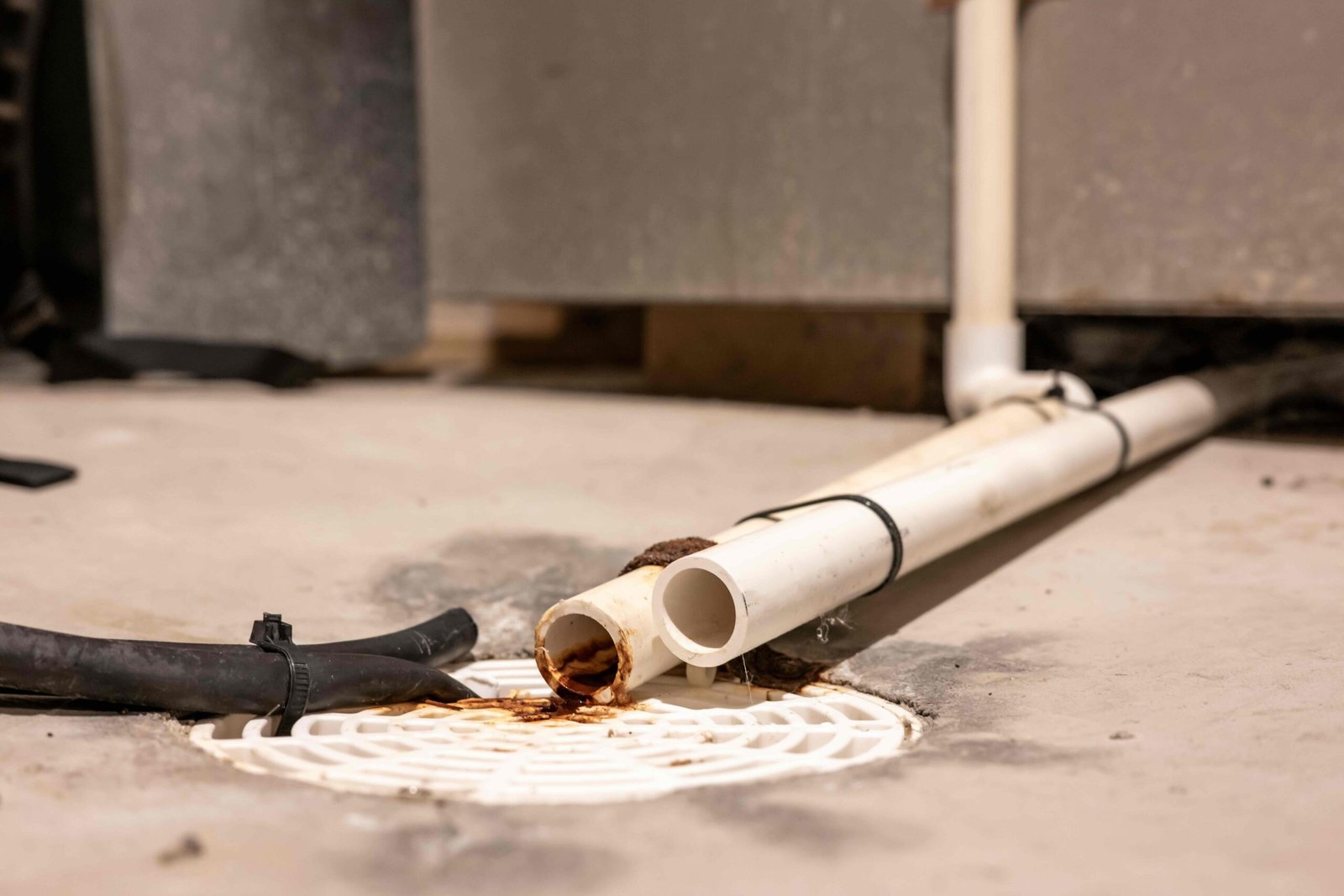
Water on the floor near your air handler, a damp ceiling below an attic unit, or a cooling system that suddenly will not start often points to a blocked condensate drain. Central air conditioners pull moisture from indoor air as it passes over the evaporator coil; that water must exit through a small drain line, pump, or both. When the line clogs, water backs up into the primary drain pan and can overflow into a secondary pan or shut the system off through a float switch. This article explains the telltale signs of a clog, what typically causes it, safe steps you can take, and simple maintenance that keeps the line clear during the cooling season.
- Early Signs Your Condensate Drain Is Failing
If the system runs but the house feels clammy and a musty odor wafts from supply registers, check the condensate discharge. Many installations route a 3/4 inch PVC line to the outdoors; trickling or intermittent flow during a long cooling cycle can indicate a partial obstruction. In attics, a drip from a short secondary drain that terminates above a window warns that the primary pan is overflowing. Inside, a full auxiliary pan under the air handler, a gurgling sound from the coil area, or a float switch that kills power at the thermostat are all common indicators. If you would rather not troubleshoot live electrical and wet components, consult a licensed contractor; one example is https://callpeachykeen.com/.
- What Actually Causes AC Drain Clogs
Most blockages form where warm condensate meets dust and organic debris, creating biofilm or algae inside the drain line and P-trap. A trap that was never primed or has dried out can let air rush through the pipe, slowing drainage and encouraging slime to build on rough interior surfaces. Improper slope is another culprit. The line should pitch steadily downward; flat spots and uphill sections allow standing water to stagnate. Flexible vinyl tubing can also kink behind a furnace or air handler, especially when technicians service the equipment and reposition the hose without checking for a smooth fall.
Sometimes, the drain itself is sound but excess water overwhelms it. A severely restricted air filter can cause the evaporator coil to run too cold, forming ice that later melts rapidly and floods the pan. In basements with high-efficiency furnaces, shared condensate handling can complicate matters. A small condensate pump might move water for both the air conditioner and the furnace; if its check valve sticks or the discharge line freezes or sags, the basin fills, the float switch trips, and the AC shuts down even though the problem started at the pump.
- A Safe Home Check: Where to Look and What Not to Touch
Start at the air handler or coil. Look for a cleanout tee near the coil outlet, a P-trap in the 3/4-inch PVC, and a vent or stub that sits open above the trap. The primary drain pan sits directly under the evaporator coil; if you see water at the top of the pan or rust streaks along the edges, note it for a technician. If a condensate pump is present, inspect the clear vinyl tubing for kinks and confirm the pump plugs into a working receptacle; do not bypass any safety switch wired to its float. Outside, locate the primary drain termination and check for steady flow while the system runs.
Avoid opening sealed panels around the coil, disturbing low-voltage safety wiring, or using harsh chemical drain cleaners. Do not blow compressed air through the drain line toward the coil; you can damage the pan or push debris into the coil casing. Skip boiling water, which can soften and deform vinyl tubing. If you smell fuel or see scorch marks near a shared furnace and coil, shut down the system and stop. Inspect electrical components, including wet float switches and condensate pump motors, with the system de-energized
- Clearing a Minor Blockage Without Hurting the System
Turn the system off at the thermostat and, if you will be opening a cleanout, also turn off the air handler breaker. At the cleanout tee, slowly pour one cup of distilled vinegar into the drain to break down biofilm; let it sit for 30 minutes, then follow with a small volume of warm water. If the line terminates outdoors, applying a wet/dry vacuum to the outlet for a minute often pulls out slime and small debris. Keep the vacuum hose snug to the pipe to maintain suction, but don’t run it so long that it collapses thin-walled tubing. If a condensate pump is installed, lift its access lid and clear any lint or rust flakes from the basin and intake screen; verify that the discharge line rises smoothly to the ceiling and then slopes to its termination without dips that trap water.
Use caution with bleach. A small dilution can kill algae, but repeated bleach exposure can corrode metals near the pan and degrade pump seals. Vinegar works more slowly but is gentler on components and finishes. Replace a clogged or wet air filter before restarting. If water keeps collecting in the pan, the pump runs constantly, but the basin never empties, or the drain line disappears into finished walls with no accessible cleanout, stop and schedule service. Repitching lines, replacing rusted primary pans, and wiring or testing float switches are technician tasks.
Simple Prevention During the Cooling Season
Once a month, pour a cup of distilled vinegar into the cleanout to deter slime inside the P-trap and horizontal sections. Confirm the drain line has a continuous downward slope and is supported so it cannot sag. Check the insulation on the large suction line; damaged insulation can drip onto framing and mimic a pan leak. Keep return air filters clean to prevent coil freeze and sudden meltwater. If your installation has a secondary drain line, make sure its termination is visible so you notice if it starts dripping. Consider adding or testing a float switch in the primary pan or on the secondary pan so a blockage shuts the system down before water reaches drywall. In pump setups, verify that the check valve closes and that the discharge tube does not trap water in a low loop.
A little attention to the condensate path pays off with fewer shutdowns and much less water damage. Recognizing early symptoms, knowing where clogs form, and taking a few safe steps with a cleanout tee, wet/dry vacuum, and fresh filter can resolve minor issues and inform a timely service call when needed. Heating, cooling, and plumbing often meet at the condensate drain; addressing that intersection thoughtfully helps your equipment run cleaner, and your home stay dry through the hottest days of the year.


Who Is Jefferson Salvini Randall? The Amazing Life Story of Tony Randall’s Son

Who Is Melissa Esplana? The Amazing Life Story of Dusty Baker’s Wife

AdsTotally.com Explained: Ad-Network Name, Guest-Post Reality

The Importance of Sun Protection in Children’s Swimwear

BlessingTide.com Explained: From Faith Content to General Interest

Who Is Riley Mandel? The Inspiring Journey of Howie Mandel’s Daughter

Who Is Jaisal Andrews? Inside the Life of Naveen Andrews’ Son

Who Is Saffron Le Bon? The Untold Life Story of Benjamin Compston’s Wife

Who Is Tanja Rosner? The Untold Life Story of Tate McRae’s Mother

Voozon.com Explained: What It Really Is Behind the “Knowledge Platform” Label

Who Is Sue Johnston? The Remarkable Life Story of Joel Palmentor’s Mother

Who Is Kerri Browitt Caviezel? The Inspiring Life Story of Jim Caviezel’s Wife
-
 Celebrity2 months ago
Who Is Jaisal Andrews? Inside the Life of Naveen Andrews’ Son
-
 Celebrity2 months ago
Who Is Saffron Le Bon? The Untold Life Story of Benjamin Compston’s Wife
-
 Celebrity2 months ago
Who Is Tanja Rosner? The Untold Life Story of Tate McRae’s Mother
-
 Software3 weeks ago
Voozon.com Explained: What It Really Is Behind the “Knowledge Platform” Label
-
 Celebrity2 months ago
Who Is Sue Johnston? The Remarkable Life Story of Joel Palmentor’s Mother
-
 Celebrity2 months ago
Who Is Kerri Browitt Caviezel? The Inspiring Life Story of Jim Caviezel’s Wife
-

 Celebrity1 month ago
Who Is Otelia Cox? The Remarkable Life Story of Tony Cox’s Wife
-

 Technology1 month ago
TheSindi Com Explained: What to Verify Before Trusting This Site