Food
Juane Near Me: The Amazonian Rice Dish Wrapped in Bijao Leaves

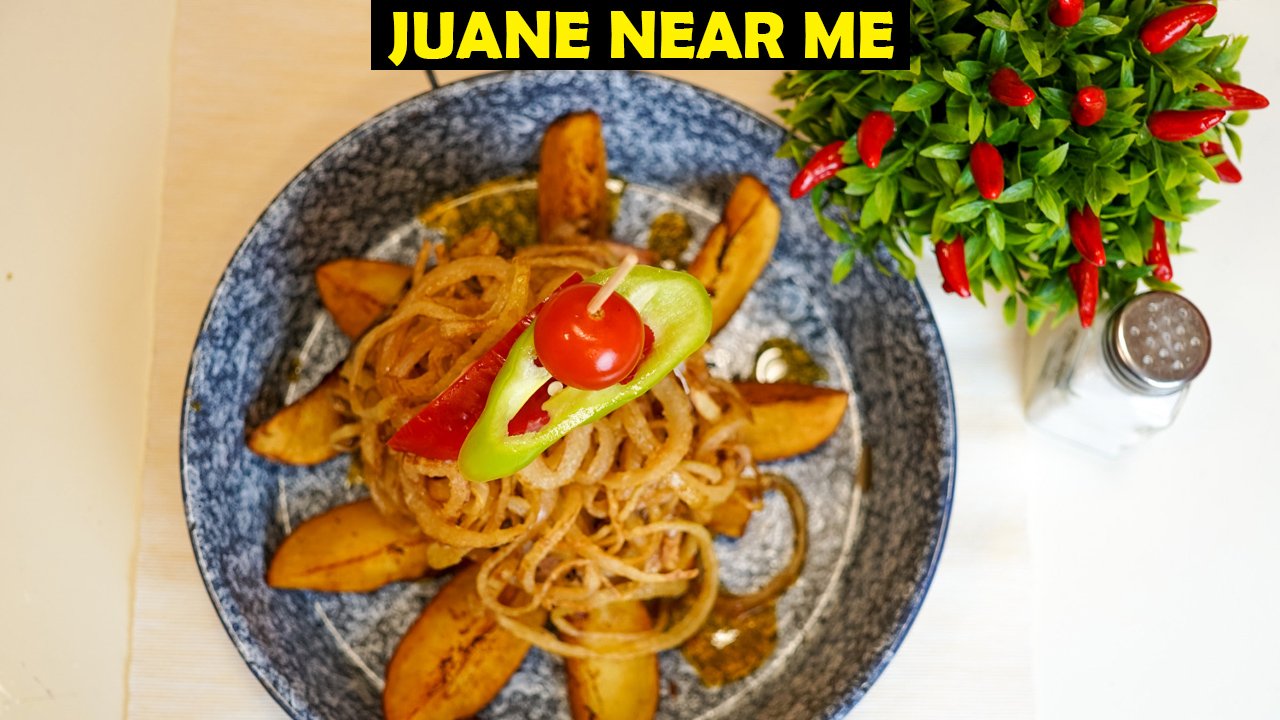
Juane is a genuine, culturally significant dish from the Peruvian Amazon, made from seasoned rice, chicken, olives, and hard-boiled egg wrapped tightly in bijao leaves and boiled for over an hour, traditionally eaten each June 24 during the feast of Saint John the Baptist. This article covers what juane actually is, its regional origin and religious significance, how it’s traditionally prepared, and practical ways to find it near you.
What Is Juane, Genuinely?
Juane is a traditional dish from Peru’s Amazon region consisting of rice, meat, typically chicken, hard-boiled egg, and olives, mixed together, coated with beaten egg to help bind the ingredients, then wrapped tightly in bijao leaves and boiled for approximately an hour and a half. The bijao leaf, also known as macaw-flower or heliconia leaf, imparts a distinctive earthy aroma to the rice during cooking while also serving as a natural, portable wrapping that keeps the dish intact for travel or outdoor eating.
Some regional variations substitute cassava or a starchy palm heart called chonta for rice, reflecting the broader diversity of ingredients available across different parts of the Peruvian Amazon while maintaining the same fundamental wrapped, boiled preparation method.
Where Does Juane Come From Within Peru?
Juane possibly originated in Moyobamba, a city in the Peruvian Amazon region, and remains deeply associated with Amazonian Peru specifically, distinguishing it from dishes tied to Peru’s coastal or Andean highland culinary traditions. This regional origin matters for understanding juane’s place within Peru’s genuinely diverse culinary tradition, where distinct geographic regions, coast, highlands, and Amazon, each maintain their own significant, historically rooted culinary identities.
Recognizing this specific Amazonian origin also helps explain why juane is more reliably found at restaurants specifically representing Peruvian Amazonian or jungle cuisine, rather than at general Peruvian restaurants that may focus primarily on coastal or Andean dishes. Wikipedia’s entry on juane documents this regional origin and its variations in more detail, including the cassava and chonta alternatives found in some areas.
What Is the Religious and Cultural Significance of Juane?
Juane is widely consumed on June 24 each year, the feast day of Saint John the Baptist, and the dish’s name likely references this saint, with some accounts suggesting a specific connection to his beheading established through Spanish Catholic missionary influence during the colonial period. This religious association gives juane a significance beyond its role as an everyday dish, positioning it as a specifically festive food tied to one of the most important cultural and religious celebrations in Amazonian Peru.
The Fiesta de San Juan, celebrated prominently throughout the Peruvian Amazon, features juane as a centerpiece dish, reflecting how deeply the food and the festival’s cultural identity are intertwined in the region.
What Ingredients Make an Authentic Juane?
An authentic juane centers on rice seasoned with spices and sometimes turmeric or achiote for color, combined with chicken, hard-boiled egg, and olives, all bound together with beaten egg before being wrapped in bijao leaves. The Atlas Obscura profile of juane documents this traditional composition in detail, including the dish’s specific cultural and religious backstory tied to the feast of Saint John.
Regional and personal variations exist, including versions using cassava or chonta instead of rice, but the combination of a starchy base, protein, and the distinctive bijao leaf wrapping remains consistent across genuinely traditional preparations.
How Is Juane Traditionally Prepared and Served?
Preparing juane involves carefully wrapping the seasoned rice and other ingredients tightly within a bijao leaf, folding it into a compact bundle, then boiling the wrapped package for roughly ninety minutes until fully cooked through. This wrapping and boiling method, similar in concept to tamale preparation found in other Latin American cuisines, allows the ingredients to steam together within the leaf, developing a distinctive aroma and moisture that dry cooking methods can’t replicate.
Juane is traditionally served alongside other regional Amazonian sides such as tacacho, cassava, or boiled bananas, creating a fuller meal that showcases multiple traditional Amazonian ingredients and preparations together.
Why Does the Bijao Leaf Matter Specifically?
The bijao leaf isn’t merely a wrapping material, it actively contributes to the dish’s flavor and aroma during the boiling process, imparting an earthy, slightly herbal quality to the rice that’s considered an essential characteristic of authentic juane rather than an incidental packaging choice. Substituting a different wrapping material, such as banana leaves used in some related dishes, produces a noticeably different flavor profile, making the specific use of bijao leaves a genuine marker of traditional preparation.
This leaf-based cooking technique also reflects a broader Amazonian culinary tradition of using regionally available plant materials both functionally and for flavor, a practice documented across numerous other dishes throughout the Amazon basin.
How Can You Tell If a Restaurant’s Version Is Authentic?
Checking whether a specific restaurant’s juane is genuinely wrapped and cooked in bijao leaves, rather than a different leaf or a non-traditional shortcut preparation, is a reasonable first step for anyone specifically seeking an authentic version. Restaurants specifically identifying their cuisine as Peruvian Amazonian or “cocina amazónica,” rather than general Peruvian cuisine, are more likely to prepare juane using traditional methods and ingredients.
Asking staff directly whether their juane is prepared with rice, cassava, or chonta, and confirming the use of bijao leaves specifically, is a practical way to learn more about the specific version being served.
Where Can You Realistically Find Juane Near You?
Peruvian restaurants specifically emphasizing Amazonian or jungle cuisine, distinct from restaurants focused primarily on coastal ceviche-style dishes or Andean specialties, are the most reliable starting point for finding genuine juane. Given the dish’s strong seasonal association with the June 24 Feast of Saint John, availability may be more consistent around that date at restaurants that specifically mark the occasion, though many Peruvian Amazonian restaurants offer juane year-round as a standard menu item.
Searching a mapping or restaurant discovery app specifically for “Peruvian Amazonian restaurant” or “cocina amazónica,” rather than a general “Peruvian restaurant” search alone, tends to surface more specifically relevant results for this particular regional dish.
Can You Find Juane Ingredients at Latin American Grocery Stores?
Bijao leaves can be genuinely difficult to source outside regions with an established Peruvian Amazonian community, though some specialty Latin American grocery stores carry them fresh or frozen, particularly in areas with a significant Peruvian population. Banana leaves, more widely available at general Latin American or Asian grocery stores, are sometimes used as a practical substitute for home cooks unable to source bijao leaves specifically, though this represents a departure from the traditional preparation.
Calling ahead to a specific specialty grocery store to confirm current stock of bijao leaves is a reasonable practical step given how regionally specific this ingredient can be to source.
What Should You Check Before Trusting a Generic “Near Me” Food Guide?
Generic “best [dish] near me” articles published online sometimes rely on templated formats rather than genuinely verified, current, and location-specific restaurant information, meaning a specific article’s recommendations may not reflect real, currently operating establishments in your actual area. Cross-referencing any specific restaurant recommendation against a current, location-based mapping or review platform, rather than trusting a generic article’s claims alone, provides considerably more reliable information for your actual location.
This kind of verification matters specifically for a dish as regionally rooted as juane, where genuinely authentic options may be limited to a smaller number of specifically Peruvian Amazonian establishments in any given area.
What Broader Lesson Does Juane Offer About Peru’s Regional Cuisine?
Juane’s strong, specific association with Amazonian Peru and its religious festival ties offers a useful broader lesson about Peruvian cuisine generally: the country’s genuinely distinct coastal, highland, and Amazonian culinary traditions each carry their own significant dishes, meaning “Peruvian food” broadly encompasses considerably more regional diversity than any single dish or restaurant style might suggest. Readers exploring Peruvian cuisine more broadly benefit from applying this same expectation of regional specificity to other dishes they encounter.
What Should You Take Away From This Overall?
Juane is a genuine, culturally significant Amazonian Peruvian dish built around rice, chicken, and bijao leaf wrapping, tied specifically to the Feast of Saint John, and finding an authentic version near you starts with seeking out restaurants specifically representing Peruvian Amazonian cuisine.
Keeping this simple checklist in mind, bijao leaf wrapping, Amazonian restaurant focus, and independent verification of any specific recommendation, gives you a reliable, repeatable approach for finding this dish wherever your search for it takes you.
This same approach works well for exploring other Amazonian Peruvian dishes you might encounter alongside juane on a restaurant menu, since many share a similar emphasis on specific regional ingredients and traditional wrapping or preparation techniques worth learning about together and trying side by side whenever possible during your visit to any specific Amazonian restaurant.
How Should You Approach Any Generic “Near Me” Food Guide for a Dish Like This?
Approaching any generic “near me” food guide with a structured verification checklist, rather than trusting a confident title alone, is the most reliable practical approach given how easily this kind of templated content can be built around any specific, searchable dish name. Start by checking whether a specific article names an actual restaurant with a verifiable address and current reviews, then cross-reference that claim directly against a current, location-based mapping platform before treating it as reliable guidance for your area.
Treating a dish’s cultural authenticity and a specific article’s local reliability as two separate questions is a genuinely more cautious but considerably more reliable habit for anyone specifically searching for juane near their location.
Why Does the Specific Wrapping Leaf Matter for Judging Authenticity?
Verifying that a specific restaurant’s juane is genuinely wrapped in bijao leaves, rather than assuming any leaf-wrapped rice dish automatically qualifies, matters because substitute leaves like banana leaves produce a noticeably different aroma and flavor than the traditional preparation. This distinction is worth a direct question to kitchen staff rather than assuming consistency across every establishment claiming to serve juane.
Readers who build this habit of verifying specific preparation details directly, not just for juane but for any leaf-wrapped traditional dish, are considerably better positioned to find genuinely authentic versions near them.
This same verification habit applies well beyond juane specifically, since leaf-wrapped and steamed dishes appear across numerous Latin American cuisines, each with its own specific wrapping material and preparation tradition worth confirming directly and consistently.
Frequently Asked Questions
What is juane traditionally made of? Rice, chicken, hard-boiled egg, and olives, bound with beaten egg and wrapped tightly in bijao leaves before boiling for about ninety minutes, though cassava or chonta sometimes replace rice regionally.
Why is juane associated with June 24? It’s traditionally eaten on the feast of Saint John the Baptist, with the dish’s name possibly referencing the saint, reflecting deep cultural and religious ties within Peruvian Amazonian communities and festivals.
What does the bijao leaf contribute to juane? It imparts a distinctive earthy, herbal aroma to the rice during boiling and functions as a natural wrapping, making it an essential characteristic of authentic juane rather than incidental packaging.
Where in Peru does juane come from? It possibly originated in Moyobamba in the Peruvian Amazon region, remaining strongly associated with Amazonian Peruvian cuisine specifically, distinct from the country’s coastal or Andean highland culinary traditions overall and consistently.
How can I find authentic juane near me? Search specifically for Peruvian restaurants emphasizing Amazonian or jungle cuisine, confirm bijao leaf wrapping with staff directly, and verify any specific recommendation through an independent review platform overall and consistently.
Conclusion
Juane is a genuine, culturally significant dish from Peru’s Amazon region, built around rice, chicken, and bijao leaf wrapping, and deeply tied to the Feast of Saint John celebrated each June 24. Finding an authentic version near you means seeking out restaurants specifically representing Peruvian Amazonian cuisine and confirming their use of traditional bijao leaf wrapping and preparation methods.


Adnis Reeves Biography: The Amazing Life Story of Jay-Z’s Father

Who Is Henry Elkind? The Inspiring Life Story of Paul Newman’s Grandson

Who Is Imani Cheadle? The Amazing Life Story of Don Cheadle’s Daughter

What Models Does ImagineArt Actually Run?

BadSeed Tech Carpio Explained: What This Collab Actually Is

Metronidasool Fact-Checked: The Medication Behind This Spelling

Who Is Jaisal Andrews? Inside the Life of Naveen Andrews’ Son

Who Is Saffron Le Bon? The Untold Life Story of Benjamin Compston’s Wife

Who Is Tanja Rosner? The Untold Life Story of Tate McRae’s Mother

Voozon.com Explained: What It Really Is Behind the “Knowledge Platform” Label

Who Is Sue Johnston? The Remarkable Life Story of Joel Palmentor’s Mother

Who Is Kerri Browitt Caviezel? The Inspiring Life Story of Jim Caviezel’s Wife
-
 Celebrity2 months ago
Who Is Jaisal Andrews? Inside the Life of Naveen Andrews’ Son
-
 Celebrity2 months ago
Who Is Saffron Le Bon? The Untold Life Story of Benjamin Compston’s Wife
-
 Celebrity2 months ago
Who Is Tanja Rosner? The Untold Life Story of Tate McRae’s Mother
-
 Software4 weeks ago
Voozon.com Explained: What It Really Is Behind the “Knowledge Platform” Label
-
 Celebrity2 months ago
Who Is Sue Johnston? The Remarkable Life Story of Joel Palmentor’s Mother
-
 Celebrity2 months ago
Who Is Kerri Browitt Caviezel? The Inspiring Life Story of Jim Caviezel’s Wife
-

 Celebrity2 months ago
Who Is Otelia Cox? The Remarkable Life Story of Tony Cox’s Wife
-

 Software4 weeks ago
Bynethi Com Explained: What to Verify Before Trusting This Site