Business
Climate-Smart HVAC Decisions for Poway Homes: Matching Heat Pumps, Filtration, and Airflow to Local Conditions

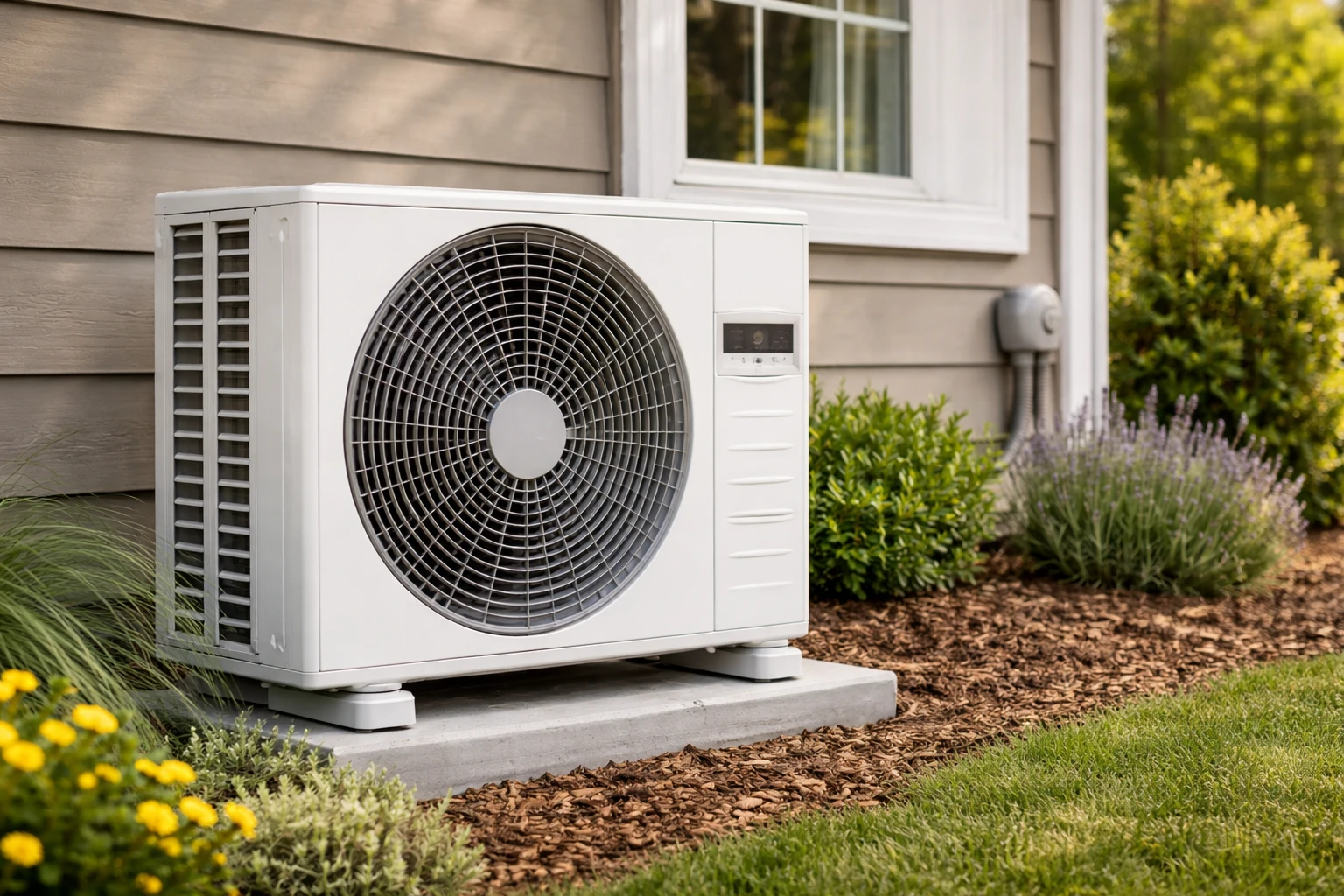
Poway’s inland setting brings long, hot afternoons, cool evenings, and, some years, wildfire smoke that lingers for days. Those local realities should shape how homeowners choose and tune heating, ventilation, and air conditioning systems. The goal is steady comfort in August without waste, clean indoor air when outdoor air turns unhealthy, and equipment that runs efficiently across big day-to-night temperature swings. This article lays out a practical decision framework built around Poway’s conditions: how the climate affects loads and run times, when a heat pump or a furnace plus AC pairing fits well, how to upgrade filtration without starving airflow, and what to consider with ducts, zoning, and smart controls so the whole system works together rather than fighting itself.
- What Poway’s Inland Climate Means for Load and Equipment Behavior
When you start comparing HVAC services in Poway, focus first on how the local climate drives equipment behavior. Hot, dry afternoons can push a condenser to full output, while cool nights sharply reduce the sensible load. Variable-speed compressors and modulating air handlers can reduce output instead of cycling off, maintaining even overnight bedroom temperatures without the repeated starting and stopping common with single-stage units.
During milder seasons, when days are warm and nights are comfortable, longer operation at lower speeds can distribute air quietly, reduce drafts at supply registers, and keep rooms within a narrow temperature range without excessive cooling.
Temperature swings between day and night also expose sizing mistakes. Oversized systems may run in short cycles during the evening, delivering bursts of cold air and then shutting off before air mixes evenly throughout the home. Properly sized equipment, guided by a detailed load calculation (commonly called Manual J), can run longer at lower output. That can improve comfort in two-story homes where upper rooms tend to remain warmer than ground-floor spaces after sunset.
- Heat Pump Versus Furnace Plus AC: Comfort, Efficiency, and Electric Rates
In Poway’s mild winters, modern air source heat pumps can provide efficient heating for much of the season. They generally deliver lower supply air temperatures than gas furnaces, so rooms warm more gradually during longer cycles. That steady output pairs well with sealed ducts and a variable-speed air handler.
A traditional split system with a gas furnace and matched air conditioner delivers warmer supply air during heating calls, which some homeowners prefer for quicker recovery on chilly mornings. The tradeoff can include shorter heating cycles and greater temperature swings if the furnace is oversized.
Efficiency ratings also matter when comparing systems. SEER2 applies to cooling efficiency, while HSPF2 describes heat pump heating efficiency. A variable-speed heat pump with a strong SEER2 rating may reduce summer electricity use, especially when controls and utility pricing allow cooling to begin before peak demand periods.
For homes with a single difficult room or an accessory dwelling unit, a dedicated mini-split heat pump can provide targeted heating and cooling without adding more demand to an already restricted central duct system.
In older homes with small return grilles, select a heat pump or furnace-plus-AC system only after confirming the blower and ductwork can provide the equipment’s required airflow without exceeding the manufacturer’s static-pressure limits.
- Wildfire Smoke and Filtration: MERV Ratings Without Choking Airflow
During smoke events, upgrading filtration can help reduce fine airborne particles indoors. A MERV 13 filter may be appropriate for some systems, but it also creates more resistance than lower-rated media.
If the blower or return system is undersized, increasing filter resistance can raise total external static pressure, reduce supply airflow, and contribute to evaporator coil icing or comfort problems.
Before changing to a more restrictive filter, verify that the blower and duct system can support it. Larger or additional return grilles, a deeper four-inch media cabinet, and properly sealed return ducts can sometimes improve filtration without adding excessive resistance.
Ventilation strategy may also change during periods of poor outdoor air quality. Homes with dedicated outdoor air systems or energy recovery ventilators should follow the equipment design and local air quality guidance rather than changing dampers or controls without thinking.
Portable HEPA air cleaners can provide an additional layer of filtration in bedrooms or frequently occupied rooms during smoke events.
After a prolonged smoke episode, inspect the filter and replace it based on its condition and the manufacturer’s guidance. Heavy particle loading can increase resistance even if the filter has not reached its normal replacement date.
- Ducts, Returns, and Zoning in Tract Homes and Additions
Many Poway homes route ducts through hot attics, where leaks can pull dusty, heated air into return pathways or let conditioned air escape before it reaches occupied rooms.
A professional duct leakage test can help identify the extent of the problem. Sealing suitable joints with approved mastic and replacing damaged or poorly supported flex duct can improve airflow and reduce unwanted heat gain.
Return pathways deserve particular attention. An undersized or noisy return grille can become a major restriction, raising static pressure and forcing the blower to work harder. In some two-story homes, adding properly designed return capacity upstairs can improve both heating and cooling distribution.
Zoning may help when a single thermostat cannot represent conditions throughout the house, but it is not a universal fix. Motorized dampers that close some duct branches can raise pressure in the branches that remain open.
A variable capacity system and properly designed zoning controls can manage those changes more effectively, but zoning should be commissioned with pressure and airflow measurements rather than adjusted by guesswork.
In a two-story home built in the late 1990s with a consistently hot upstairs bonus room, a small ducted or wall-mounted mini-split may be simpler than dividing an already constrained central duct system into additional zones.
In an older ranch with a permitted addition, balancing dampers, improved return airflow, or duct corrections may restore comfort without adding a full zoning system.
Smart Thermostats, Utility Schedules, and Maintenance Rhythms
Smart thermostats can do more than maintain one temperature. When utility pricing varies by time of day, some homeowners may choose to cool the house moderately before more expensive hours and let a variable-speed system maintain comfort at lower output later.
Thermostat placement remains important. Avoid direct sunlight, kitchens, supply registers, and other locations that can cause the sensor to read conditions that do not represent the rest of the home.
Use realistic temperature adjustments. Very large setbacks may force equipment to run at higher output for longer periods as the system tries to recover, which can reduce some of the expected efficiency benefits.
Maintenance should reflect Poway’s seasonal conditions. During wildfire season, check filters frequently and replace them when loading or manufacturer guidance indicates it is necessary.
In spring, inspect the outdoor unit for leaves, vegetation, and debris that could restrict airflow. Follow manufacturer instructions for coil cleaning, and avoid aggressive pressure washing.
Also check condensate drainage and overflow protection as part of professional maintenance, especially when the air handler is installed above a finished living space.
Annual professional service can include refrigerant performance checks, airflow evaluation, and static pressure measurement. A qualified technician should perform refrigerant measurements such as superheat and subcooling according to manufacturer specifications.
After roofing, insulation, or attic work, it is also worth having accessible duct connections inspected because construction activity can disturb joints or flexible duct runs.
The right configuration in Poway is rarely about one oversized unit moving as much air as possible. It is about components that complement one another: capacity that matches actual loads, filtration that improves indoor air quality without restricting necessary airflow, ducts that distribute conditioned air quietly, and controls that respond sensibly to climate and household routines.
When you treat equipment selection, filtration, ductwork, and controls as parts of one system shaped by local conditions, summer afternoons become easier to manage, winter mornings feel more predictable, and smoky days can be more comfortable indoors.
That whole-home approach can continue delivering value long after the installation crew leaves the driveway.


What Models Does ImagineArt Actually Run?

BadSeed Tech Carpio Explained: What This Collab Actually Is

Metronidasool Fact-Checked: The Medication Behind This Spelling

Who Is Nicole Saphier? The Amazing Life Story of Dr Paul Saphier’s Wife

Who Is Alisa Earle? The Amazing Life Story of Alix Earle’s Mother

Who Is Jordan Foxworthy? The Untold Life Story of Jeff Foxworthy’s Daughter

Who Is Jaisal Andrews? Inside the Life of Naveen Andrews’ Son

Who Is Saffron Le Bon? The Untold Life Story of Benjamin Compston’s Wife

Who Is Tanja Rosner? The Untold Life Story of Tate McRae’s Mother

Voozon.com Explained: What It Really Is Behind the “Knowledge Platform” Label

Who Is Sue Johnston? The Remarkable Life Story of Joel Palmentor’s Mother

Who Is Kerri Browitt Caviezel? The Inspiring Life Story of Jim Caviezel’s Wife
-
 Celebrity2 months ago
Who Is Jaisal Andrews? Inside the Life of Naveen Andrews’ Son
-
 Celebrity2 months ago
Who Is Saffron Le Bon? The Untold Life Story of Benjamin Compston’s Wife
-
 Celebrity2 months ago
Who Is Tanja Rosner? The Untold Life Story of Tate McRae’s Mother
-
 Software4 weeks ago
Voozon.com Explained: What It Really Is Behind the “Knowledge Platform” Label
-
 Celebrity2 months ago
Who Is Sue Johnston? The Remarkable Life Story of Joel Palmentor’s Mother
-
 Celebrity2 months ago
Who Is Kerri Browitt Caviezel? The Inspiring Life Story of Jim Caviezel’s Wife
-

 Celebrity2 months ago
Who Is Otelia Cox? The Remarkable Life Story of Tony Cox’s Wife
-

 Software4 weeks ago
Bynethi Com Explained: What to Verify Before Trusting This Site