Business
Early Signs Your Heat Pump Is Struggling in Gresham’s Climate and What to Do Next

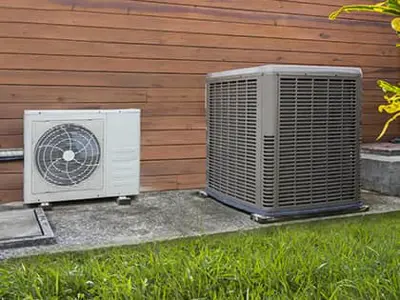
When a heat pump starts slipping in performance, the first hints are easy to miss: longer run times on chilly, damp mornings, vents that feel lukewarm instead of warm, or a sudden spike in the thermostat’s auxiliary heat use. In Gresham, where winters are cool and wet, and summers can bring short, intense heat waves, those small clues add up quickly. Understanding what is normal in this climate, what signals a developing problem, and what a technician will actually test can help you act before comfort and efficiency decline. Here is a practical look at early warning signs, causes, and smart next steps.
- What Gresham’s Mild, Damp Winters Do to Heat Pump Behavior
Moist Pacific air encourages frost to form on outdoor coils, so your system’s defrost cycle will occasionally activate with a whoosh and brief plume of steam. That is normal. Frequent defrost cycles, however, can point to airflow problems around the outdoor unit, a dirty indoor coil, control issues, or a filter that creates too much resistance for the blower. If you live in East Multnomah County and need area-specific information, the service area page at https://www.essentialheatandac.com/service-area/hvac-contractor-gresham/ outlines local support. Because heat pumps deliver lower supply temperatures than many furnaces, you may notice comfort changes sooner when airflow, refrigerant performance, or defrost controls begin drifting outside normal operation during persistent drizzle.
- Early Performance Flags You Can Check Before Calling
Start with simple observations. Listen for short cycling in heat mode, where the outdoor unit and air handler start and stop within a few minutes. Feel the supply air at a nearby register and compare it with room air. A properly operating system should generally feel warmer after it has been running, even if the air doesn’t feel as hot as air from a gas furnace.
From a safe distance, look at the outdoor coil for thick ice buildup that remains for an extended period instead of clearing during normal defrost operation. Do not chip or pry ice away, as you can damage the coil fins and refrigerant tubing.
Check the thermostat to see whether Emergency Heat or auxiliary heat runs much more often than normal. If a breaker repeatedly trips, leave the affected circuit off and arrange professional service rather than continuing to reset it. These observations can give a technician useful starting points.
- Measurements Pros Use to Pinpoint the Problem
Technicians connect symptoms with measured data. Airflow is often one of the first areas checked. They may measure total external static pressure at the air handler and compare blower airflow with equipment requirements to determine whether a restrictive filter, dirty coil, undersized return, or duct problem is limiting performance.
Temperature measurements across the indoor coil can provide additional information about system operation, but they must be interpreted alongside airflow and manufacturer specifications.
Technicians evaluate refrigerant performance using professional gauges, temperature measurements, and manufacturer procedures. Readings such as superheat and subcooling can help identify possible charge, metering, or heat transfer problems.
Electrical testing may include compressor and blower current, capacitor condition where applicable, contactor operation, and control voltage. Technicians may also evaluate the defrost board, temperature sensors, and reversing valve to verify that the system changes modes correctly.
These tests involve electrical and refrigerant components and should be performed by a qualified technician, not through homeowner trial and error.
- Mistakes That Quietly Sabotage Heat Pumps
Changes intended to improve comfort can sometimes create new problems. Closing multiple supply registers to push more heat into other rooms can raise static pressure and reduce overall airflow.
Switching to a more restrictive filter without checking whether the system can handle the additional pressure drop may also reduce airflow and increase reliance on auxiliary heat.
Outdoor airflow matters too. Tools, planters, firewood, shrubs, leaves, and seasonal debris can restrict the space around the unit. Follow the manufacturer’s required clearance rather than relying on a single universal distance.
In summer, pollen and plant debris can coat the outdoor coil and reduce heat transfer. In winter, a tarp can block airflow, trap moisture, and interfere with normal operation.
Thermostat fan settings also affect comfort. Leaving the fan set to On can circulate cooler air between heating cycles or during certain operating conditions. Auto is often more appropriate unless the system has been designed or configured for continuous circulation.
Deciding Between a Targeted Repair and Planning a Replacement
Some problems may be resolved with focused service, such as cleaning dirty coils, correcting airflow restrictions, repairing control problems, replacing failed sensors, or improving return airflow.
Locate and repair refrigerant leaks before charging the system to manufacturer specifications, rather than repeatedly adding refrigerant without addressing the source.
Replacement discussions become more relevant when recurring refrigerant leaks, compressor problems, unavailable components, or major duct deficiencies start to stack up. The equipment’s age, repair history, current efficiency, available replacement parts, and duct system condition all matter.
In Gresham’s relatively mild winters, variable-speed inverter heat pumps paired with well-sealed ducts and reasonable static pressure can provide quiet operation and steadier comfort. The tradeoff is the higher initial cost compared with extending the life of existing equipment.
A proper load calculation and duct evaluation can help determine whether replacing equipment alone will solve the problem or whether airflow improvements are needed.
If you think your heat pump is struggling, write down the symptoms and outdoor weather conditions, and make sure technicians can easily access the air handler, return grille, and outdoor equipment.
Check the filter size and condition, reopen registers that were intentionally closed, and keep obvious vegetation or loose debris away from the outdoor unit without dismantling any equipment.
After service, follow the recommended filter schedule, keep the outdoor unit reasonably clear of seasonal debris, and watch utility bills for unexplained changes.
A seasonal inspection before the first prolonged cold period or summer heat wave can help identify developing airflow, control, electrical, or refrigerant problems before they lead to a larger comfort failure.


What Models Does ImagineArt Actually Run?

BadSeed Tech Carpio Explained: What This Collab Actually Is

Metronidasool Fact-Checked: The Medication Behind This Spelling

Who Is Nicole Saphier? The Amazing Life Story of Dr Paul Saphier’s Wife

Who Is Alisa Earle? The Amazing Life Story of Alix Earle’s Mother

Who Is Jordan Foxworthy? The Untold Life Story of Jeff Foxworthy’s Daughter

Who Is Jaisal Andrews? Inside the Life of Naveen Andrews’ Son

Who Is Saffron Le Bon? The Untold Life Story of Benjamin Compston’s Wife

Who Is Tanja Rosner? The Untold Life Story of Tate McRae’s Mother

Voozon.com Explained: What It Really Is Behind the “Knowledge Platform” Label

Who Is Sue Johnston? The Remarkable Life Story of Joel Palmentor’s Mother

Who Is Kerri Browitt Caviezel? The Inspiring Life Story of Jim Caviezel’s Wife
-
 Celebrity2 months ago
Who Is Jaisal Andrews? Inside the Life of Naveen Andrews’ Son
-
 Celebrity2 months ago
Who Is Saffron Le Bon? The Untold Life Story of Benjamin Compston’s Wife
-
 Celebrity2 months ago
Who Is Tanja Rosner? The Untold Life Story of Tate McRae’s Mother
-
 Software4 weeks ago
Voozon.com Explained: What It Really Is Behind the “Knowledge Platform” Label
-
 Celebrity2 months ago
Who Is Sue Johnston? The Remarkable Life Story of Joel Palmentor’s Mother
-
 Celebrity2 months ago
Who Is Kerri Browitt Caviezel? The Inspiring Life Story of Jim Caviezel’s Wife
-

 Celebrity2 months ago
Who Is Otelia Cox? The Remarkable Life Story of Tony Cox’s Wife
-

 Software4 weeks ago
Bynethi Com Explained: What to Verify Before Trusting This Site