Food
Shchi Soup Near Me: Russia’s Centuries-Old Cabbage Soup Explained

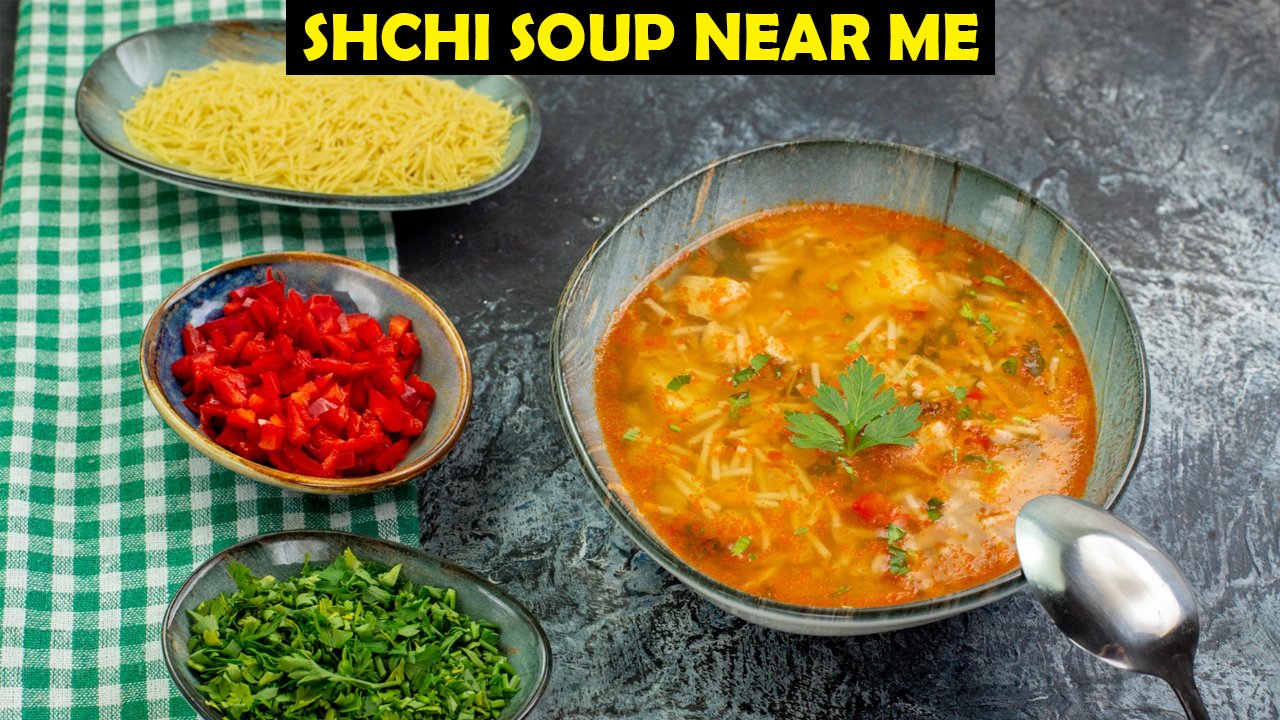
Shchi is a genuine, deeply historical Russian cabbage soup dating back to Kievan Rus around the 9th century, traditionally made with fresh cabbage, potatoes, carrots, and onions, simmered slowly and served with rye bread and a dollop of sour cream. This article covers what shchi actually is, its long history within Russian cuisine, its main regional variations, and practical ways to find it near you.
What Is Shchi, Genuinely?
Shchi is a traditional Russian soup built fundamentally around cabbage, typically simmered with potatoes, onions, carrots, and parsley, and often prepared with meat such as beef, pork, or poultry, though meat-free versions have existed throughout the dish’s long history. The soup’s defining characteristic is its cabbage base, distinguishing it from other Russian soups built around different core vegetables, and its preparation has remained recognizably consistent across many centuries despite gradual recipe refinements over time.
Shchi holds a genuinely foundational place in Russian culinary tradition, reflected in the old Russian saying “shchi and kasha are our food,” a phrase reflecting the soup’s historical status as a staple alongside buckwheat porridge in everyday Russian eating.
How Old Is Shchi, and Where Does It Come From?
Cabbage soups emerged in Kievan Rus around the 9th century, following cabbage’s introduction to the region from Byzantium, and shchi had achieved genuine staple status by the 10th century. Wikipedia’s entry on shchi documents this history in detail, including how the soup’s popularity grew partly because it could be prepared with or without meat and could even be frozen solid, making it practical for travel during Russia’s harsh winters.
This historical depth makes shchi one of the genuinely oldest continuously prepared dishes in Russian cuisine, with a documented lineage stretching back well over a thousand years rather than being a more recent culinary development.
What Are the Main Variations of Shchi?
Shchi exists in three primary traditional variations: standard shchi made with fresh cabbage, sour shchi prepared with sauerkraut instead of fresh cabbage, and green shchi featuring sorrel, spinach, or nettles rather than cabbage at all despite retaining the shchi name. Early historical recipes also included flour and mushrooms, though later refinements removed the flour for improved taste and incorporated black pepper and bay leaf as standard seasonings by around the 15th century.
Regional differences developed over time as well, with beef traditionally dominating Russian preparations while pork became more commonly preferred in Ukrainian versions of the soup, reflecting the dish’s spread and adaptation across the broader Eastern Slavic culinary region.
How Has Shchi Evolved Into Its Modern Form?
Modern shchi preparations sometimes incorporate tomato sauce, pasta, tushonka, a type of canned meat, or eggplant puree for added thickness, reflecting ongoing culinary adaptation even as the soup’s fundamental cabbage-based identity has remained consistent. This kind of gradual evolution, while maintaining a recognizable core identity across many centuries, is characteristic of genuinely foundational dishes within a culinary tradition rather than static, unchanging recipes.
A detailed modern recipe guide from GW2RU’s ultimate guide to Russian shchi documents both traditional and contemporary preparation approaches, offering a useful reference for understanding how the dish has been adapted while remaining recognizably shchi.
How Is Shchi Traditionally Served?
Shchi is traditionally eaten with rye bread, a pairing that reflects broader traditional Russian eating customs built around dense, hearty bread alongside soups and stews. Historically, the soup was also served with a dollop of smetana, Russian sour cream, stirred in at the table, a garnish that adds richness and a slight tang that balances the soup’s savory, vegetable-forward base.
This combination of rye bread and sour cream remains a common serving tradition today, particularly in home cooking and restaurants specifically emphasizing traditional Russian cuisine rather than modern fusion approaches.
Why Does Shchi Matter Within Russian Food Culture?
Shchi’s centuries-long staple status reflects its practical suitability to Russia’s climate and agricultural history, cabbage being a hardy, storable vegetable well suited to long winters, while also reflecting deeper cultural associations with home cooking, family tradition, and national identity. The old saying equating shchi and kasha with “our food” reflects a genuine cultural weight beyond the dish’s practical nutritional role, positioning it as something closer to a symbol of Russian culinary identity itself.
This cultural significance helps explain why shchi remains a common feature of Russian home cooking and traditional restaurant menus today, rather than having faded into obscurity as a purely historical curiosity.
How Can You Tell If a Restaurant’s Version Is Authentic?
Checking whether a specific restaurant’s shchi clearly identifies which variation it serves, fresh cabbage, sauerkraut-based sour shchi, or green shchi with sorrel, is a reasonable way to understand what you’re being served, since these are genuinely distinct preparations sharing the same overall name. Authentic versions should feature a clearly cabbage-forward or sorrel-forward flavor depending on the variation, a reasonably hearty broth, and traditional accompaniments like rye bread or sour cream rather than a thin, generic vegetable soup bearing the shchi name in title only.
Asking restaurant staff directly which specific variation of shchi they serve, and whether it includes meat, is a practical way to understand the specific version before ordering.
Where Can You Realistically Find Shchi Near You?
Russian and broader Eastern European restaurants, particularly those specifically emphasizing traditional home-style cooking, are the most reliable starting point for finding genuine shchi. Restaurants serving other traditional Russian or Eastern Slavic dishes alongside shchi, rather than a narrowly modern or fusion menu, are more likely to prepare the soup using traditional methods and maintain a properly cabbage-forward flavor.
Searching a mapping or restaurant discovery app specifically for “Russian restaurant” or “Eastern European restaurant,” rather than a broader “European food” search alone, tends to surface more specifically relevant results for a dish this rooted in Russian culinary tradition.
Can You Find Shchi Ingredients at Specialty Grocery Stores?
Russian and Eastern European grocery stores, where available, are the most reliable source for ingredients specifically suited to traditional shchi preparation, including specific cabbage varieties, quality sauerkraut for sour shchi, and smetana for traditional garnish. General grocery stores typically carry the basic vegetable components, cabbage, potatoes, carrots, and onions, making a reasonably authentic home preparation achievable even without access to a specialty Russian market.
Checking a specialty Eastern European grocery store specifically for pre-made or frozen shchi is also a reasonable option in areas with an established Russian or Eastern European community.
What Should You Check Before Trusting a Generic “Near Me” Food Guide?
Generic “best [dish] near me” articles published online sometimes rely on templated formats rather than genuinely verified, current, and location-specific restaurant information, meaning a specific article’s recommendations may not reflect real, currently operating establishments in your actual area. Cross-referencing any specific restaurant recommendation against a current, location-based mapping or review platform, rather than trusting a generic article’s claims alone, provides considerably more reliable information for your actual location.
This kind of verification matters specifically because restaurant openings, closings, and menu changes happen regularly, meaning even a genuinely well-researched article can become outdated relatively quickly after publication.
What Broader Lesson Does Shchi Offer About Historically Rooted Dishes?
Shchi’s documented thousand-year history offers a useful broader lesson about historically rooted dishes generally: a recipe can evolve considerably in specific ingredients and technique over centuries while still maintaining a recognizable, consistent core identity, in this case cabbage as the defining base ingredient. Readers exploring other historically significant national dishes benefit from applying this same expectation of gradual evolution alongside core continuity when researching a dish’s authentic preparation.
What Should You Take Away From This Overall?
Shchi is a genuine, historically significant Russian cabbage soup with roots stretching back to the 9th century, and finding an authentic version near you starts with seeking out Russian or Eastern European restaurants specifically emphasizing traditional, home-style cooking.
Keeping this simple checklist in mind, cabbage-based variation, traditional restaurant focus, and independent verification of any specific recommendation, gives you a reliable, repeatable approach for finding this soup wherever your search for it takes you.
This same approach applies well to exploring other traditional Russian and Eastern European soups you might encounter alongside shchi, since many share a similar pattern of multiple historically distinct variations grouped under one familiar name worth understanding individually before ordering.
Building this habit consistently, checking specific variations and verifying restaurant claims independently, makes exploring any historically rich, regionally varied cuisine considerably more rewarding and reliable over time and across every new dish you try.
This is especially true for a dish with a documented history as long as shchi’s, where centuries of gradual regional adaptation mean genuinely knowing what you’re ordering takes a bit more curiosity than a single glance at a menu description usually provides on its own, without asking a direct, specific follow-up question of the server or kitchen staff.
How Should You Approach Any Generic “Near Me” Food Guide for a Dish Like This?
Approaching any generic “near me” food guide with a structured verification checklist, rather than trusting a confident title alone, is the most reliable practical approach given how easily this kind of templated content can be built around any specific, searchable dish name. Start by checking whether a specific article names an actual restaurant with a verifiable address and current reviews, then cross-reference that claim directly against a current, location-based mapping platform before treating it as reliable guidance for your area.
Treating a dish’s cultural authenticity and a specific article’s local reliability as two separate questions is a genuinely more cautious but considerably more reliable habit for anyone specifically searching for shchi near their location.
Why Does Knowing the Specific Variation Matter Before You Order?
Confirming which specific variation of shchi a restaurant serves, standard, sour, or green, before ordering matters because these are genuinely distinct soups sharing one traditional name, and expecting a fresh cabbage flavor while receiving a sauerkraut-based sour shchi could leave you disappointed despite both being authentic. Asking directly rather than assuming is a simple, practical way to avoid this kind of mismatch.
Readers who build this habit of confirming specific variations directly, not just for shchi but for any dish with multiple traditional forms, are considerably better positioned to order what they’re actually expecting.
This same practice of confirming specific variations applies broadly across many traditional soups and stews worldwide, where one shared name can genuinely encompass several distinct regional or historical preparations worth understanding fully.
Frequently Asked Questions
What is shchi traditionally made from? Fresh cabbage, potatoes, onions, carrots, and often meat like beef, pork, or poultry, simmered slowly and traditionally served with rye bread and a dollop of sour cream for added richness.
How old is shchi as a dish? Genuinely ancient. Cabbage soups emerged in Kievan Rus around the 9th century and achieved staple status by the 10th century, making shchi one of Russia’s oldest continuously prepared dishes overall.
What are the main variations of shchi? Standard shchi with fresh cabbage, sour shchi made with sauerkraut, and green shchi featuring sorrel or spinach instead of cabbage, each a genuinely distinct preparation sharing the same traditional name.
Is shchi always made with meat? No, meat-free versions have existed throughout its history. Traditional recipes commonly include beef, pork, or poultry, but the soup’s cabbage base doesn’t strictly require meat to remain authentic overall and consistently.
How can I find authentic shchi near me? Search specifically for Russian or Eastern European restaurants emphasizing traditional home-style cooking, ask staff which shchi variation they serve, and verify listings through an independent review platform directly and consistently.
Conclusion
Shchi is a genuine, historically significant Russian cabbage soup with documented roots reaching back to the 9th century, existing in fresh, sour, and green variations that each remain recognizably tied to the same long culinary tradition. Finding it near you means seeking out Russian or Eastern European restaurants specifically emphasizing traditional cooking and verifying any specific recommendation through an independent, current review platform.


Adnis Reeves Biography: The Amazing Life Story of Jay-Z’s Father

Who Is Henry Elkind? The Inspiring Life Story of Paul Newman’s Grandson

Who Is Imani Cheadle? The Amazing Life Story of Don Cheadle’s Daughter

What Models Does ImagineArt Actually Run?

BadSeed Tech Carpio Explained: What This Collab Actually Is

Metronidasool Fact-Checked: The Medication Behind This Spelling

Who Is Jaisal Andrews? Inside the Life of Naveen Andrews’ Son

Who Is Saffron Le Bon? The Untold Life Story of Benjamin Compston’s Wife

Who Is Tanja Rosner? The Untold Life Story of Tate McRae’s Mother

Voozon.com Explained: What It Really Is Behind the “Knowledge Platform” Label

Who Is Sue Johnston? The Remarkable Life Story of Joel Palmentor’s Mother

Who Is Kerri Browitt Caviezel? The Inspiring Life Story of Jim Caviezel’s Wife
-
 Celebrity2 months ago
Who Is Jaisal Andrews? Inside the Life of Naveen Andrews’ Son
-
 Celebrity2 months ago
Who Is Saffron Le Bon? The Untold Life Story of Benjamin Compston’s Wife
-
 Celebrity2 months ago
Who Is Tanja Rosner? The Untold Life Story of Tate McRae’s Mother
-
 Software4 weeks ago
Voozon.com Explained: What It Really Is Behind the “Knowledge Platform” Label
-
 Celebrity2 months ago
Who Is Sue Johnston? The Remarkable Life Story of Joel Palmentor’s Mother
-
 Celebrity2 months ago
Who Is Kerri Browitt Caviezel? The Inspiring Life Story of Jim Caviezel’s Wife
-

 Celebrity2 months ago
Who Is Otelia Cox? The Remarkable Life Story of Tony Cox’s Wife
-

 Software4 weeks ago
Bynethi Com Explained: What to Verify Before Trusting This Site