Food
Arepa de Choclo Near Me: Colombia’s Sweet Corn Arepa, Explained

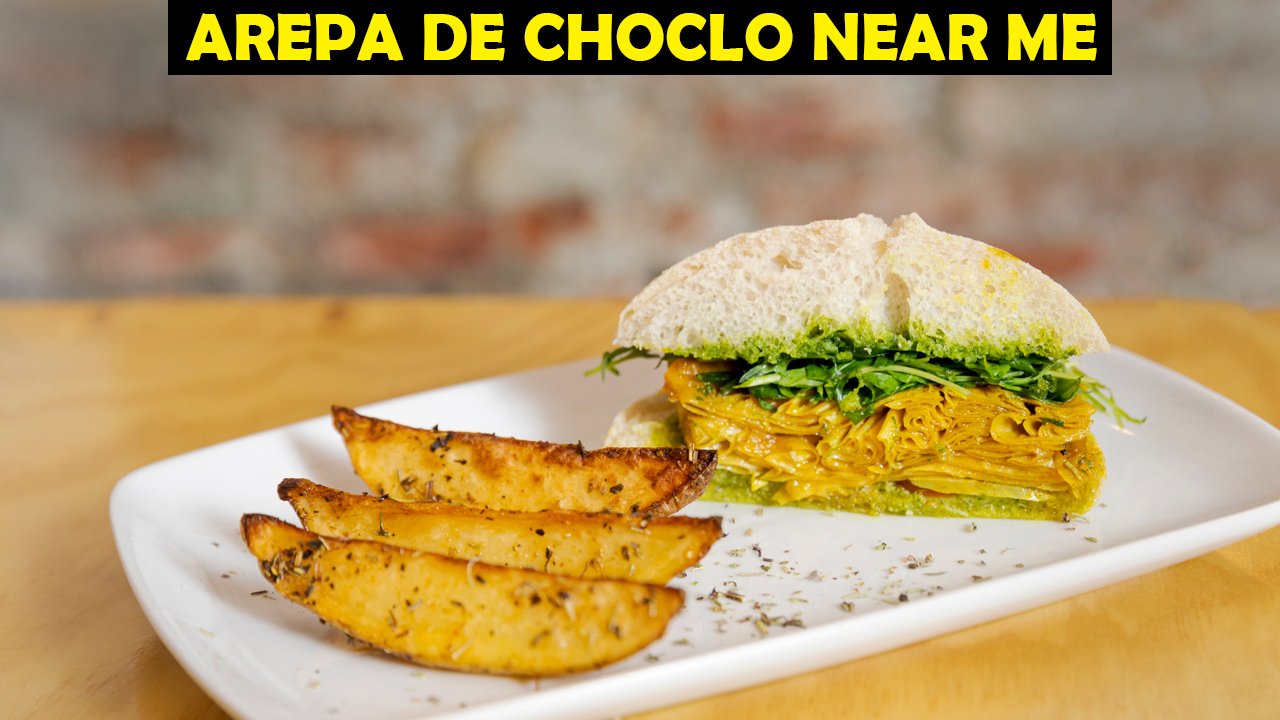
Arepa de choclo is a genuine, well-documented Colombian griddlecake made from sweet corn rather than the dried white corn used in standard arepas, giving it a distinctly sweeter flavor and softer texture, and it’s commonly topped or filled with fresh cheese. This article covers what arepa de choclo actually is, its regional roots in Colombia’s Cauca Valley and Andean region, how it compares to related dishes across neighboring countries, and practical ways to find it near you.
What Is Arepa de Choclo, Genuinely?
Arepa de choclo is a Colombian griddlecake made with sweet corn, distinguishing it fundamentally from the traditional white corn arepa found more broadly across Colombian and Venezuelan cuisine. This sweet corn base gives arepa de choclo a noticeably sweeter flavor and softer, more tender texture compared to standard arepas, making it a genuinely distinct dish within the broader arepa family rather than simply a minor variation.
The dish is commonly topped or filled with fresh, mild cheese, a pairing that balances the corn’s natural sweetness with the cheese’s savory, slightly salty character, creating a flavor combination central to the dish’s popularity.
Where Does Arepa de Choclo Come From?
Arepa de choclo may have originated in Colombia’s Cauca Valley and remains especially prevalent throughout the country’s Andean region, spanning departments including Antioquia, Boyacá, and Cundinamarca. Wikipedia’s entry on sweet corn arepas documents this regional distribution in detail, reflecting the dish’s genuine roots within Colombia’s broader Andean culinary tradition rather than being a uniformly nationwide preparation.
This regional association matters for understanding arepa de choclo’s place within Colombia’s genuinely diverse culinary tradition, where different regions maintain distinct arepa styles built around different corn varieties and preparation methods.
How Does Arepa de Choclo Differ From a Standard Arepa?
The core distinction between arepa de choclo and a standard arepa lies in the corn used: standard arepas rely on dried, processed white corn, often in the form of precooked cornmeal, while arepa de choclo uses fresh sweet corn kernels, ground and combined with the corn’s own natural moisture and sugars. This difference produces a notably softer, moister texture and a naturally sweeter flavor in arepa de choclo compared to the firmer, more neutral-tasting standard arepa.
Recognizing this distinction is genuinely important for anyone trying to identify the specific dish, since ordering “arepa” generically at a Colombian restaurant may result in receiving a standard white corn version rather than the sweeter, softer choclo variety.
What International Variations Resemble Arepa de Choclo?
Similar sweet corn griddlecake preparations exist across neighboring countries under different names: it’s called cachapa in Venezuela and chorreada in Costa Rica, demonstrating how the underlying sweet corn concept transcends Colombia’s borders even as each country maintains its own specific name and minor preparation differences. My Colombian Recipes’ detailed guide to arepas documents these regional and international variations, offering useful context for understanding how arepa de choclo fits within this broader Latin American sweet corn griddlecake tradition.
Recognizing these related dishes is useful for anyone exploring Latin American cuisine more broadly, since a Venezuelan restaurant’s cachapa or a Costa Rican restaurant’s chorreada may offer a similar flavor and texture experience to Colombian arepa de choclo even without using the same specific name.
What Ingredients Make an Authentic Arepa de Choclo?
An authentic arepa de choclo requires fresh sweet corn kernels as its primary ingredient, ground into a coarse batter along with a small amount of sugar or panela to enhance the corn’s natural sweetness, and typically a pinch of salt and sometimes butter for richness. Fresh, mild white cheese, often queso fresco or a similar regional variety, is the traditional topping or filling, chosen specifically to complement rather than overpower the corn’s sweetness.
Versions made with dried or canned corn rather than genuinely fresh sweet corn kernels represent a meaningful departure from the traditional preparation, often producing a noticeably different texture less characteristic of authentic arepa de choclo.
How Is Arepa de Choclo Traditionally Served?
Arepa de choclo is traditionally griddled until lightly golden on both sides while remaining soft and moist within, then served warm, often with cheese either melted on top or folded into the arepa itself while it’s still hot. It’s commonly enjoyed as a breakfast item or afternoon snack, reflecting its role as a comforting, approachable dish suited to casual eating rather than a formal dinner course.
Some regional variations serve arepa de choclo alongside hot chocolate, a pairing particularly associated with Colombia’s Andean highland regions where both the sweet corn arepa and rich hot chocolate hold significant traditional roles in daily eating customs.
Why Does Corn Variety Matter So Much in Colombian Cuisine?
Corn holds a foundational place in Colombian cuisine broadly, with different corn varieties, white, yellow, and sweet, each associated with specific traditional dishes and regional preparations across the country. This deep culinary reliance on corn reflects centuries of agricultural and culinary tradition predating and continuing through Colombia’s colonial and modern history, making the specific corn variety used in any given arepa a genuinely meaningful distinction rather than an incidental ingredient choice.
Understanding this broader corn-centered culinary tradition helps explain why Colombia maintains such a genuinely wide variety of distinct arepa styles, each associated with specific regions, corn types, and traditional accompaniments.
How Can You Tell If a Restaurant’s Version Is Authentic?
Checking whether a specific restaurant’s arepa de choclo uses visibly fresh, sweet corn kernels rather than a dried cornmeal base is a reasonable first step for anyone specifically seeking an authentic version, since the dish’s defining sweetness and moisture depend directly on using genuinely fresh sweet corn. Authentic versions should have a noticeably tender, slightly grainy texture and a naturally sweet flavor without needing excessive added sugar to compensate for using the wrong corn type.
Asking restaurant staff directly whether their arepa de choclo is made with fresh sweet corn is a practical way to confirm you’re getting the genuine version rather than a standard arepa served under the choclo name.
Where Can You Realistically Find Arepa de Choclo Near You?
Colombian restaurants, particularly those specifically offering a broader arepa menu rather than a single generic “arepa” item, are the most reliable starting point for finding genuine arepa de choclo. Venezuelan restaurants offering cachapa, and to a lesser extent Costa Rican restaurants offering chorreada, provide a reasonably similar sweet corn griddlecake experience if a specifically Colombian establishment isn’t available in your area.
Searching a mapping or restaurant discovery app specifically for “Colombian restaurant” and checking the menu directly for “arepa de choclo” by name, rather than relying on a general “Latin American food” search alone, tends to surface more specifically relevant results for this particular dish.
Can You Find Arepa de Choclo Ingredients at Grocery Stores?
Latin American grocery stores, particularly those serving Colombian or broader South American communities, commonly carry fresh sweet corn suitable for homemade arepa de choclo, along with queso fresco or similar mild cheeses traditionally used as topping. Some specialty stores also carry pre-made frozen arepa de choclo, offering a convenient option for trying the dish without a restaurant visit or full home preparation from scratch.
Checking seasonal fresh corn availability at a specific grocery store is worth doing directly, since arepa de choclo’s quality depends considerably on using genuinely fresh, high-quality sweet corn rather than an older or less fresh alternative.
What Should You Check Before Trusting a Generic “Near Me” Food Guide?
Generic “best [dish] near me” articles published online sometimes rely on templated formats rather than genuinely verified, current, and location-specific restaurant information, meaning a specific article’s recommendations may not reflect real, currently operating establishments in your actual area. Cross-referencing any specific restaurant recommendation against a current, location-based mapping or review platform, rather than trusting a generic article’s claims alone, provides considerably more reliable information for your actual location.
What Should You Take Away From This Overall?
Arepa de choclo is a genuine, distinctly sweet Colombian griddlecake rooted in the Cauca Valley and broader Andean region, and finding an authentic version near you means seeking out Colombian restaurants offering a proper arepa menu and confirming fresh sweet corn is actually used.
Keeping this simple checklist in mind, corn type, regional restaurant focus, and independent verification of any specific recommendation, gives you a reliable, repeatable approach for finding this dish wherever your search for it takes you next.
How Should You Approach Any Generic “Near Me” Food Guide for a Regional Dish Like This?
Approaching any generic “near me” food guide with a structured verification checklist, rather than trusting a confident title alone, is the most reliable practical approach given how easily this kind of templated content can be built around any specific, searchable dish name. Start by checking whether a specific article names an actual restaurant with a verifiable address and current reviews, then cross-reference that claim directly against a current, location-based mapping platform before treating it as reliable guidance for your area.
Treating a dish’s cultural authenticity and a specific article’s local reliability as two separate questions, rather than assuming a well-researched description of the dish itself also means the accompanying restaurant recommendations are accurate, is a genuinely more cautious but considerably more reliable habit for anyone specifically searching for arepa de choclo near their location.
Why Does Verifying the Corn Type Matter More Than It Might Seem?
Verifying that a specific arepa de choclo is actually made with fresh sweet corn, rather than assuming any dish labeled “choclo” automatically uses the correct ingredient, matters because some establishments market a standard arepa with added sugar as a shortcut version of the sweeter dish rather than preparing it with genuinely fresh corn. This distinction affects both flavor and texture meaningfully, making it worth a direct question to restaurant staff rather than assuming consistency across every establishment claiming to offer the dish.
Readers who build this habit of verifying specific ingredients directly, not just for arepa de choclo but for any regionally specific dish, are considerably better positioned to find genuinely authentic versions rather than approximations.
This same verification habit also helps when comparing arepa de choclo against its regional cousins, cachapa and chorreada, since confirming the specific corn and preparation used tells you far more than the name on the menu alone ever could.
Frequently Asked Questions
What makes arepa de choclo different from a regular arepa? It’s made with fresh sweet corn instead of dried white cornmeal, giving it a noticeably sweeter flavor and softer, moister texture compared to the firmer, more neutral-tasting standard arepa found elsewhere.
Where in Colombia does arepa de choclo come from? It may have originated in the Cauca Valley and remains especially prevalent throughout Colombia’s Andean region, including departments like Antioquia, Boyacá, and Cundinamarca, reflecting genuine regional culinary roots overall and consistently.
Are there similar dishes in other countries? Yes, genuinely so. Venezuela has cachapa and Costa Rica has chorreada, both sweet corn griddlecakes conceptually similar to arepa de choclo despite each country using a different specific name overall.
What is arepa de choclo traditionally topped with? Fresh, mild cheese, often queso fresco or a similar regional variety, chosen to balance the corn’s natural sweetness with a savory, slightly salty contrast that defines the dish’s traditional flavor profile.
How can I find authentic arepa de choclo near me? Search specifically for Colombian restaurants with a broader arepa menu, confirm fresh sweet corn is used with staff directly, and verify any specific recommendation through an independent review platform overall.
Conclusion
Arepa de choclo is a genuine, distinctly sweet Colombian griddlecake rooted in the Cauca Valley and Andean region, made with fresh sweet corn rather than standard dried cornmeal, and closely related to Venezuela’s cachapa and Costa Rica’s chorreada. Finding it near you means seeking out Colombian restaurants offering a proper arepa menu and confirming fresh corn is used, while verifying any specific recommendation through an independent, current review platform.


Adnis Reeves Biography: The Amazing Life Story of Jay-Z’s Father

Who Is Henry Elkind? The Inspiring Life Story of Paul Newman’s Grandson

Who Is Imani Cheadle? The Amazing Life Story of Don Cheadle’s Daughter

What Models Does ImagineArt Actually Run?

BadSeed Tech Carpio Explained: What This Collab Actually Is

Metronidasool Fact-Checked: The Medication Behind This Spelling

Who Is Jaisal Andrews? Inside the Life of Naveen Andrews’ Son

Who Is Saffron Le Bon? The Untold Life Story of Benjamin Compston’s Wife

Who Is Tanja Rosner? The Untold Life Story of Tate McRae’s Mother

Voozon.com Explained: What It Really Is Behind the “Knowledge Platform” Label

Who Is Sue Johnston? The Remarkable Life Story of Joel Palmentor’s Mother

Who Is Kerri Browitt Caviezel? The Inspiring Life Story of Jim Caviezel’s Wife
-
 Celebrity2 months ago
Who Is Jaisal Andrews? Inside the Life of Naveen Andrews’ Son
-
 Celebrity2 months ago
Who Is Saffron Le Bon? The Untold Life Story of Benjamin Compston’s Wife
-
 Celebrity2 months ago
Who Is Tanja Rosner? The Untold Life Story of Tate McRae’s Mother
-
 Software4 weeks ago
Voozon.com Explained: What It Really Is Behind the “Knowledge Platform” Label
-
 Celebrity2 months ago
Who Is Sue Johnston? The Remarkable Life Story of Joel Palmentor’s Mother
-
 Celebrity2 months ago
Who Is Kerri Browitt Caviezel? The Inspiring Life Story of Jim Caviezel’s Wife
-

 Celebrity2 months ago
Who Is Otelia Cox? The Remarkable Life Story of Tony Cox’s Wife
-

 Software4 weeks ago
Bynethi Com Explained: What to Verify Before Trusting This Site