Blog
Best Places to Hike in Colorado: A Real, Well-Documented Guide to the State’s Top Trails

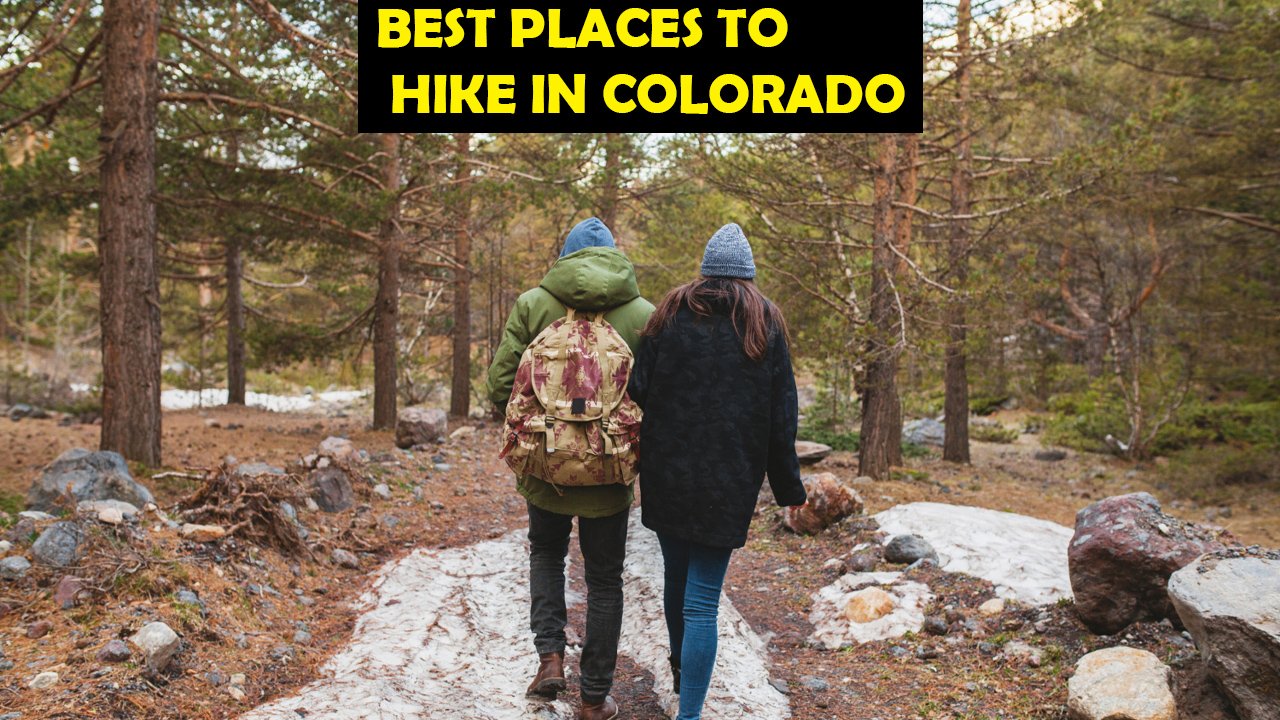
Colorado offers some of the most genuinely well-documented, accessible high-altitude hiking in the United States, spanning Rocky Mountain National Park’s alpine lakes, Garden of the Gods’ red rock formations, the Maroon Bells near Aspen, and Hanging Lake’s protected turquoise waters near Glenwood Springs. This article covers what each of these well-established destinations actually offers, what permits or reservations you’ll need, and how to choose between them for your own trip.
Why Is Colorado Such a Popular Hiking Destination?
Colorado’s combination of high elevation, extensive protected wilderness, and a long hiking season across its national parks, national forests, and municipal open spaces makes it one of the most consistently popular hiking destinations in the country.
The state contains dozens of peaks exceeding 14,000 feet, known locally as fourteeners, alongside thousands of miles of documented trails ranging from short, accessible paved paths to genuinely demanding multi-day wilderness routes.
This range of difficulty and accessibility means Colorado genuinely offers something for casual visitors seeking a short scenic walk as well as experienced hikers seeking a serious high-altitude mountaineering challenge within the same general region.
What Are the Best Hikes in Rocky Mountain National Park?
Rocky Mountain National Park documents trails across every difficulty level, from the 0.6 mile easy walk to Bear Lake, the park’s shortest and most popular hike, to the genuinely strenuous 15 mile round trip up Longs Peak.
Nymph, Dream, and Emerald Lakes forms a well-documented 3.6 mile easy to moderate route connecting three alpine lakes in succession, widely considered accessible for most ages and fitness levels while still delivering genuine alpine scenery.
Gem Lake offers a moderate 3.4 mile route featuring sweeping views of Estes Park and Longs Peak, while Deer Mountain provides a steady 6.2 mile uphill forest walk culminating in genuine summit views across the surrounding park.
What Makes Sky Pond and Emerald Lake Worth the Effort?
Sky Pond is documented as a strenuous 9.5 mile round trip trail involving genuine rock scrambling near a waterfall and multiple stream crossings, rewarding hikers with a dramatic alpine lake framed by the Sharkstooth and Taylor Peak formations.
Chasm Lake offers a comparably strenuous 9 mile route delivering close views of Longs Peak alongside waterfalls and Peacock Pond, representing one of the park’s most consistently recommended routes for experienced, well-prepared hikers specifically.
These longer, more strenuous routes typically require an early start given Colorado’s common afternoon thunderstorm pattern at high elevation, a genuine safety consideration documented across virtually every serious guide to hiking in the park.
What Should You Know About Hiking Longs Peak?
Longs Peak stands as Rocky Mountain National Park’s only fourteener, reaching 14,259 feet in elevation via a documented 15 mile round trip route classified as extremely difficult, requiring genuine technical scrambling near the summit.
This specific route typically demands a pre-dawn start, often beginning around 2 or 3 in the morning, specifically to reach and descend from the exposed summit area before the region’s common afternoon thunderstorms develop.
Given its genuine difficulty and exposure, Longs Peak is documented consistently as a route requiring proper acclimatization, physical preparation, and close weather monitoring, distinct from the park’s more moderate, family-accessible alpine lake trails.
What Hiking Trails Does Garden of the Gods Offer?
Garden of the Gods, a municipal park in Colorado Springs, documents over 22 miles of trails across both paved and natural dirt surfaces, ranging from fully accessible easy walks to moderate rocky routes among the park’s famous red rock formations.
The Perkins Central Garden Trail offers a 1.5 mile round trip route with less than a 30 foot elevation rise, positioned directly at the base of the park’s tallest rock formations, making it genuinely accessible to most visitors.
The Siamese Twins Trail provides a shorter 1 mile round trip route featuring a distinctive natural rock window framing views of Pikes Peak, a genuinely popular, easily reached photo destination within the broader park.
What Is the Maroon Bells Hike Actually Like?
The Maroon Bells, two dramatic fourteener peaks near Aspen, offer the well-documented Maroon Bells Scenic Loop Trail, a genuinely popular route combining lake views with close-up perspectives of the peaks reflected in Maroon Lake.
Access to the Maroon Bells area is genuinely restricted during peak summer season, requiring most visitors to arrive via a mandatory shuttle bus from Aspen rather than driving directly, a documented management approach addressing the area’s extremely high visitor demand.
Beyond the popular scenic loop, the surrounding Maroon Bells-Snowmass Wilderness documents considerably more demanding routes for experienced hikers seeking longer backcountry trips beyond the immediate lake and viewpoint area near the parking access point.
What Do You Need to Know About Hanging Lake?
Hanging Lake is documented as a National Natural Landmark reached via a genuinely steep 1.2 mile trail climbing 1,200 feet, typically taking around three hours round trip given its consistently rocky, moderately strenuous terrain.
The lake itself, a striking turquoise pool fed by Bridal Veil Falls, sits at 7,323 feet elevation, with Spouting Rock, an additional waterfall roughly 200 feet above the lake, offering a documented spot where visitors can walk behind falling water.
Unlike many of Colorado’s other popular trails, Hanging Lake requires a mandatory, time-specific paid reservation booked in advance, a documented management system implemented specifically to protect the fragile, heavily visited natural landmark from overuse.
What Permits or Reservations Should You Check Before Visiting?
Checking official reservation and permit requirements directly before any visit is essential given how many of Colorado’s most popular trails now require advance booking during peak season specifically. The U.S. Forest Service’s official Hanging Lake page documents the mandatory reservation system, current fees, and required hiking windows.
Checking a municipal park’s own official visitor information is similarly essential for planning purposes, since city-managed destinations like Garden of the Gods maintain their own specific rules and guided program schedules. The City of Colorado Springs’ official Garden of the Gods page documents current park information directly from the managing municipal authority.
Being aware that popular routes in Rocky Mountain National Park and the Maroon Bells area may also require timed entry permits or mandatory shuttle service during peak summer months is a reasonable expectation worth confirming before any specific trip.
How Should You Choose Between These Different Hiking Destinations?
Visitors seeking a short, genuinely accessible outing with minimal elevation gain are generally best served by Garden of the Gods or the easier lake trails within Rocky Mountain National Park, both offering genuine scenery without demanding technical hiking experience.
Visitors seeking a moderate, half-day commitment with real alpine payoff are well served by routes like Nymph, Dream, and Emerald Lakes, or the documented Maroon Bells Scenic Loop, both delivering genuine high-altitude scenery within a manageable distance.
Visitors specifically seeking a serious, full-day mountaineering challenge should look toward routes like Longs Peak or Sky Pond, both requiring genuine physical preparation, an early start, and close attention to Colorado’s documented afternoon weather patterns.
What Should You Pack and Prepare For at High Elevation?
Colorado’s high elevation genuinely affects hikers unaccustomed to thin air, making acclimatization, hydration, and sun protection documented essentials regardless of which specific trail or difficulty level you ultimately choose for your visit.
Layered clothing is a consistently documented recommendation given how quickly mountain weather can shift, particularly since many of the routes described here climb well above treeline into genuinely exposed alpine terrain with minimal shelter available.
Starting early is a recurring, well-documented safety recommendation across nearly every serious Colorado hiking guide, specifically to avoid the region’s common pattern of afternoon thunderstorms developing over exposed high-elevation terrain during summer months.
How Does Colorado Compare to Other Major US Hiking Destinations?
Colorado’s combination of extensive fourteener access, well-maintained national park infrastructure, and genuinely varied difficulty levels within a relatively compact geographic area distinguishes it from hiking destinations requiring considerably more remote or specialized travel.
This accessibility, combined with Denver’s status as a major transportation hub, makes Colorado a genuinely practical hiking destination for visitors without extensive prior mountaineering experience, provided they respect the documented elevation and weather considerations specific to the region.
Readers comparing Colorado against other major US hiking regions can apply the same practical framework, checking permit requirements, elevation profiles, and seasonal weather patterns, when planning a trip to any similarly popular mountain destination.
What Should You Take Away From This Overall?
Colorado offers genuinely well-documented hiking across Rocky Mountain National Park, Garden of the Gods, the Maroon Bells, and Hanging Lake, spanning easy accessible walks through genuinely demanding fourteener routes within a relatively compact, well-connected region.
Readers planning a visit are well served checking official reservation and permit systems in advance, given how many of the state’s most popular trails now require timed entry specifically to manage genuinely high visitor demand.
What Other Well-Documented Trails Are Worth Considering?
Beyond the four destinations covered in detail here, Colorado documents numerous other genuinely well-regarded hiking areas, including the Sand Dunes at Great Sand Dunes National Park and the alpine terrain surrounding Breckenridge and Vail.
The Colorado Trail, a documented long-distance route spanning roughly 486 miles between Denver and Durango, offers experienced backpackers a considerably longer, multi-week wilderness option beyond any single day hike covered in this guide.
Readers interested in exploring beyond these four core destinations are well served consulting official state and federal recreation resources directly, since Colorado’s hiking infrastructure spans considerably more terrain than any single guide can fully cover.
Why Does Seasonal Timing Matter So Much for Colorado Hiking?
Colorado’s hiking season varies considerably by elevation, with lower-elevation trails like Garden of the Gods remaining accessible nearly year-round while higher alpine routes in Rocky Mountain National Park often stay snow-covered well into early summer.
Checking current trail conditions and seasonal closures directly before any planned visit is a reasonable, practical step given how significantly snowpack and seasonal access can vary from year to year across Colorado’s higher-elevation terrain specifically.
This seasonal variation is worth factoring directly into any trip planning, since a route that’s easily accessible in August might remain genuinely impassable or require specialized winter equipment during the earlier spring months of the same calendar year.
Conclusion
Colorado offers genuinely well-documented hiking across Rocky Mountain National Park, Garden of the Gods, the Maroon Bells, and Hanging Lake, ranging from short accessible walks to demanding fourteener routes within a relatively compact, well-connected region of the state. Readers planning a visit are best served checking official reservation and permit systems well in advance, given how many of these popular destinations now manage high visitor demand through timed entry.
Frequently Asked Questions
What is the easiest popular hike in Colorado?
Bear Lake in Rocky Mountain National Park is documented as the park’s shortest, most accessible hike at 0.6 miles, though Garden of the Gods also offers similarly short, low-elevation-gain trails near Colorado Springs.
Do I need a reservation to hike Hanging Lake?
Yes, Hanging Lake requires a mandatory, time-specific paid reservation booked in advance through the official Glenwood Springs visitor site, a documented system implemented to protect the fragile, heavily visited natural landmark overall.
What is the most difficult hike covered here?
Longs Peak, Rocky Mountain National Park’s only fourteener, is documented as extremely difficult, involving a 15 mile round trip with technical scrambling near its 14,259 foot summit and a required pre-dawn start.
Do I need a permit to visit the Maroon Bells?
During peak summer season, most visitors must access the Maroon Bells area via a mandatory shuttle bus from Aspen rather than driving directly, a documented management approach for this extremely high-demand destination.
When is the best time of day to start a Colorado alpine hike?
Starting early, often before dawn for longer routes, is consistently recommended to avoid Colorado’s well-documented pattern of afternoon thunderstorms developing over exposed high-elevation terrain during the summer hiking season overall.


Who Is Henry Elkind? The Inspiring Life Story of Paul Newman’s Grandson

Who Is Imani Cheadle? The Amazing Life Story of Don Cheadle’s Daughter

What Models Does ImagineArt Actually Run?

BadSeed Tech Carpio Explained: What This Collab Actually Is

Metronidasool Fact-Checked: The Medication Behind This Spelling

Who Is Nicole Saphier? The Amazing Life Story of Dr Paul Saphier’s Wife

Who Is Jaisal Andrews? Inside the Life of Naveen Andrews’ Son

Who Is Saffron Le Bon? The Untold Life Story of Benjamin Compston’s Wife

Who Is Tanja Rosner? The Untold Life Story of Tate McRae’s Mother

Voozon.com Explained: What It Really Is Behind the “Knowledge Platform” Label

Who Is Sue Johnston? The Remarkable Life Story of Joel Palmentor’s Mother

Who Is Kerri Browitt Caviezel? The Inspiring Life Story of Jim Caviezel’s Wife
-
 Celebrity2 months ago
Who Is Jaisal Andrews? Inside the Life of Naveen Andrews’ Son
-
 Celebrity2 months ago
Who Is Saffron Le Bon? The Untold Life Story of Benjamin Compston’s Wife
-
 Celebrity2 months ago
Who Is Tanja Rosner? The Untold Life Story of Tate McRae’s Mother
-
 Software4 weeks ago
Voozon.com Explained: What It Really Is Behind the “Knowledge Platform” Label
-
 Celebrity2 months ago
Who Is Sue Johnston? The Remarkable Life Story of Joel Palmentor’s Mother
-
 Celebrity2 months ago
Who Is Kerri Browitt Caviezel? The Inspiring Life Story of Jim Caviezel’s Wife
-

 Celebrity2 months ago
Who Is Otelia Cox? The Remarkable Life Story of Tony Cox’s Wife
-

 Software4 weeks ago
Bynethi Com Explained: What to Verify Before Trusting This Site