Business
The First Hour After a Plumbing Emergency in Norman: Shutoffs, Damage Control, and Clear Next Steps

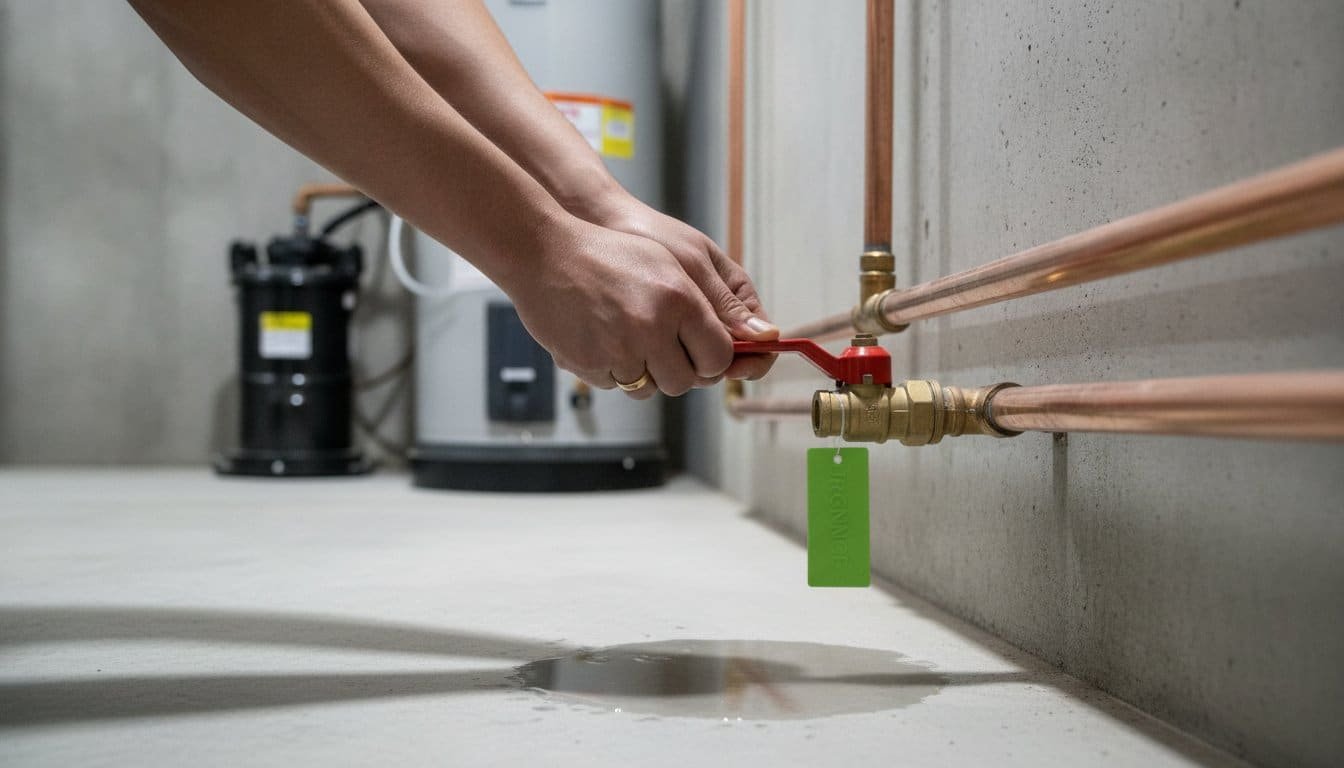
A burst supply line, a sudden ceiling drip, or a sewer backup can turn an ordinary day into a scramble. In Norman, fast temperature swings and busy households put pipes, fixtures, and water heaters to the test and expose weak points. The first hour matters most: stop the flow at the right valve, protect people and property, and gather details a plumber can use to resolve the issue faster. This step-by-step guide focuses on practical actions homeowners can take immediately, using common plumbing components like angle stops, main shutoffs, cleanouts, and water heaters, without making things worse.
- Find and close the right shutoff first.
Start where the water is escaping. If a faucet, toilet, or under-sink line is leaking, look for the fixture’s angle stops. These small valves sit on the wall behind a toilet or beneath a sink and usually have a quarter-turn lever or a knurled multi-turn handle; turn them clockwise to close. If a fixture shutoff is stuck, corroded, or missing, go to the main shutoff. In many Norman homes, it is in the meter box near the curb or along a foundation wall inside the home. Turn the ball valve handle perpendicular to the pipe to stop flow. Expect noise and pressure to drop quickly when you have the correct valve.
Scenario: an upstairs bathroom supply tube fails and begins spraying. If the angle stop under the sink will not budge, close the whole house valve by the meter, then open a hose bib or the lowest tub spout to relieve pressure and drain standing water from the lines. For routine work and to see what licensed crews typically handle locally, review Professional Plumbing Services in Norman, OK while you wait for assistance. Knowing which shutoff you used and whether the leak stopped completely will help the technician plan the repair.
- Safely shut down related utilities, especially the water heater.
When you close the main water supply, protect the water heater. Set a gas unit to Pilot or Off at the gas control, and de-energize an electric unit at the breaker panel. Running a tank or tankless heater without cold water feed can overheat components or trigger safety shutoffs. If a temperature and pressure relief (TPR) valve is dripping hard after the outage, do not plug it; that valve releases dangerous excess pressure. Homes with a pressure reducing valve (PRV) and expansion tank may see changes at fixtures after a shutoff, so note any banging pipes, sputtering air, or unusual temperature swings to report later.
- Control, drain, and document the water
Once the flow is stopped, get water moving out and air moving in. Open the lowest faucet or an outdoor hose bib to drain supply lines. Use a wet/dry vac to remove standing water, and set up fans or a dehumidifier to dry wood floors, baseboards, and carpet pads. If a ceiling sags, place a bucket, then carefully open a small weep hole at the lowest bulge with a screwdriver to prevent collapse and direct water into the bucket. Keep people away from wet outlets and GFCI devices; if needed, shut off affected circuits at the breaker until everything is dry and safe.
Record what you see. Photograph the failed part, such as a cracked PVC fitting, a burst PEX line near an attic, a split washing machine hose, or a corroded copper pinhole. Note the location of shutoffs you used and whether any valve, like an angle stop or the main, was hard to turn or leaking at the stem. Documenting these details helps a plumber bring the right repair clamps, push-to-connect fittings, supply lines, or replacement valves on the first visit, shortening downtime.
- Temporary repairs that buy time without causing bigger problems
Temporary measures should control risk, not create new damage. For a failed faucet or toilet supply tube, you can install a 3/8-inch compression cap on the valve outlet to isolate that fixture. If the valve body itself is weeping at the packing nut, a gentle quarter-turn snug may slow it, but don’t overtighten, especially on brittle CPVC. For a small pinhole on copper, a pipe repair clamp can hold until a permanent fix. Push-to-connect end caps can quickly seal a cut PEX, copper, or CPVC line with no solder or glue, but make sure the pipe end is cleanly cut and fully seated.
Avoid chemical drain openers during overflows; they can injure the plumber and damage older traps or cast iron. If a washing machine hose bursts, replace both hoses with braided stainless steel once water service returns, and check the shutoff box valves for smooth operation. Trade-off alert: shutting the whole house supply stops damage fast but takes every fixture offline; isolating just the problem with an angle stop keeps the rest of the home running. Choose isolation only when the local valve closes fully and holds pressure without weeping.
What to tell a Norman plumber when you call
Clear, specific information speeds repairs. Share exactly which valve you closed, whether it was a fixture angle stop, interior ball valve, or curb stop, the fixture or room involved, and where water emerged first. Identify visible pipe materials near the leak (copper, PEX, or CPVC) and describe any fittings you see, such as push-to-connect couplers or glued elbows. If a water heater was affected, note its fuel type, approximate age, and whether there is an expansion tank. Tell the technician whether you have a sewer cleanout in the yard or flower bed for backups. In slab-on-grade homes, mention signs of a possible slab leak, like hot spots on floors or constant meter movement with all valves closed. If you measured unusually high pressure or hear banging after service is restored, mention a potential PRV issue so the plumber can bring gauges and replacement parts.
No one expects to need a meter key, a repair clamp, or to know where the TPR valve is. But in the first hour of a plumbing emergency, calm, specific actions matter more than tools. Stop the flow at the right valve, shut down unsafe utilities, move water out and air in, and make only simple, reversible temporary fixes. Then share clear details about shutoffs, locations, and materials when you call a local pro. In the next 24 to 48 hours, focus on thorough drying to prevent mold, replace stressed rubber supply lines with braided stainless, and consider adding leak sensors or an automatic shutoff so the next surprise is a quick alert, not a soaked floor.


Is OnlyWorkMoods Com a Mood Tracker or a Content Site?

What Is MagzyMinutes.com and What Does the Site Offer?

Theboringmagazine com Guide to Finding Articles to Read

The Role of School Leaders in Creating Innovative, Inclusive, and Student-Centered Learning Environments

How Does TalkTalk Broadband Work and What Does It Include?

Voomixi Com Uses for Readers, Freelancers, and Startups

Who Is Jaisal Andrews? Inside the Life of Naveen Andrews’ Son

Who Is Tanja Rosner? The Untold Life Story of Tate McRae’s Mother

Who Is Saffron Le Bon? The Untold Life Story of Benjamin Compston’s Wife

Voozon.com Explained: What It Really Is Behind the “Knowledge Platform” Label

Who Is Sue Johnston? The Remarkable Life Story of Joel Palmentor’s Mother

Who Is Otelia Cox? The Remarkable Life Story of Tony Cox’s Wife
-
 Celebrity2 months ago
Who Is Jaisal Andrews? Inside the Life of Naveen Andrews’ Son
-
 Celebrity2 months ago
Who Is Tanja Rosner? The Untold Life Story of Tate McRae’s Mother
-
 Celebrity2 months ago
Who Is Saffron Le Bon? The Untold Life Story of Benjamin Compston’s Wife
-
 Software1 month ago
Voozon.com Explained: What It Really Is Behind the “Knowledge Platform” Label
-
 Celebrity2 months ago
Who Is Sue Johnston? The Remarkable Life Story of Joel Palmentor’s Mother
-
 Celebrity2 months ago
Who Is Otelia Cox? The Remarkable Life Story of Tony Cox’s Wife
-

 Celebrity2 months ago
Who Is Kerri Browitt Caviezel? The Inspiring Life Story of Jim Caviezel’s Wife
-

 News2 months ago
Money6x.com: What This Personal Finance Platform Offers