Health
What to Expect at Your First Physiotherapy Appointment in Balgowlah

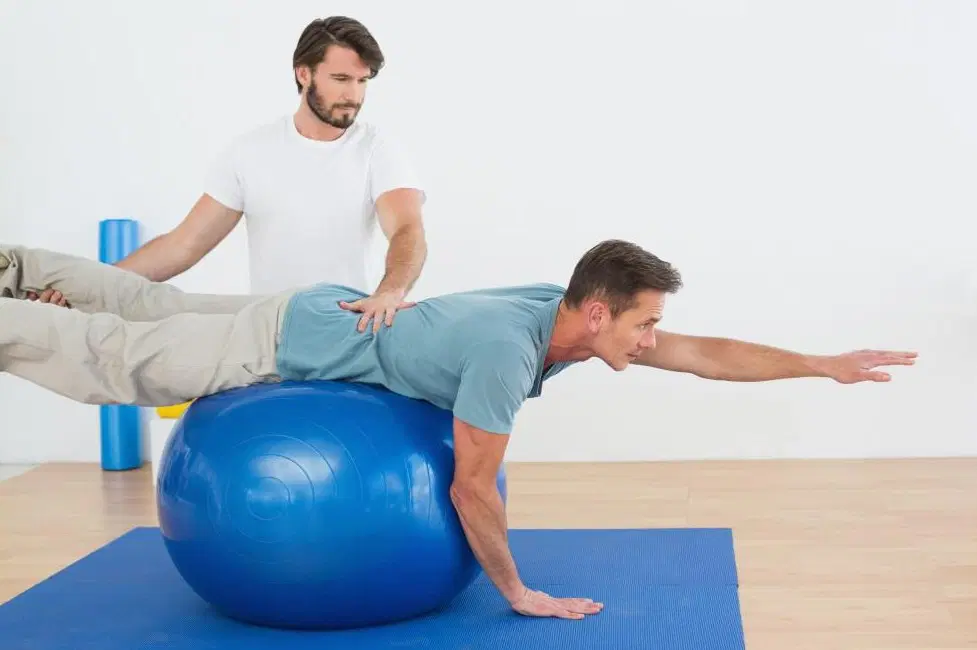
If a sore knee after a coastal run or a stiff shoulder after a long paddle has you thinking about physiotherapy, your first session sets the tone for recovery. Understanding what happens in that appointment can help you arrive prepared and leave with a clear plan. This guide explains how a physiotherapist approaches assessment, the kinds of movement tests you may complete, how a graded load plan is built, and what markers signal you are ready to step up activity. It is written with Balgowlah and nearby Manly in mind, where running, surfing, and active commutes shape common injury patterns.
- What your physio evaluates in the first 15 minutes
Expect a detailed conversation about your injury timeline, training load changes, and day to day demands. A physio will ask what activities aggravate or ease symptoms, how the pain behaves over 24 hours, and whether you have morning stiffness or night pain. They will look for swelling or warmth around the area, watch basic gait patterns, and screen for red flags such as numbness, true weakness, or unexplained weight loss. In Balgowlah, clinics serving runners, surfers, and desk workers tailor these questions to real use cases; local options include Fixio in Balgowlah, among others.
Arrive ready to share specifics: bring your footwear if you are a runner, note recent changes like hills or speed sessions, and list paddling volume if you surf. If you have previous imaging or a training log, take it along. Clothing matters for assessment; shorts allow knee and hip observation, and a tank top helps with shoulder and scapular evaluation. Skipping these basics can slow down accurate differential diagnosis and delay the start of targeted exercises.
- Tests you may do: from range of motion to functional screens
Hands on evaluation typically starts with range of motion checks for the joint above and below the sore area, plus palpation to identify tender structures. You may perform resisted isometric tests to gauge tissue irritability, followed by functional screens like a single leg squat, a step down, or a hop test to reveal how your knee, hip, and ankle share load. For shoulder issues common in surfers, expect rotator cuff strength checks in external rotation, scapular control drills like wall slides, and thoracic mobility screens. Nerve tension tests such as the slump test may appear if leg or arm symptoms suggest neural involvement.
Imaging is not automatically required. A physio will consider X ray or MRI if you have a traumatic mechanism, persistent night pain, or suspicion of fracture or full thickness tear. Otherwise, research supports starting with activity modification and exercise. If scans are used, remember that structural findings like disc bulges or “degeneration” do not always match pain levels; your response to movement testing and graded loading tends to be a better guide for week to week decisions.
- Building your load plan: pain scales, progressions, and recovery windows
A practical rehab plan balances movement with symptom control. Many physios use a simple 0 to 10 pain monitoring scale during and after activity, along with a “next day check” to see whether soreness settles within 24 hours. For Achilles or patellar tendon pain, expect slow, heavy calf raises or squats that emphasize controlled tempo and progressive load. For kneecap pain, step downs and hip abductor work help improve tracking. With irritated shoulders, a mix of rotator cuff strengthening and thoracic mobility often precedes paddling intervals. Short term supports like rigid taping or a lace up brace may be used to keep you moving safely, with a defined plan to wean as strength returns.
There is a trade off to navigate: full rest can calm symptoms quickly, but too much time off reduces tissue capacity and makes reloading harder. Conversely, charging back to your usual distance or paddle time can spike irritability. Your physio will help you choose starting volumes, set rep schemes, and rest days, and will show you how to adjust based on next day response. Sleep and weekly scheduling matter too; for instance, placing heavier strength work away from long runs or big surf days gives tendons and joints the recovery window they need to adapt.
- Common Northern Beaches scenarios and how a physio adapts the plan
Consider a runner who adds a weekly tempo along the Manly beachfront and develops lateral hip pain. A physio may shorten stride length, cue a slightly higher cadence, and introduce side lying hip abduction plus step downs before reintroducing speed. If the same runner struggles with ankle stiffness on hills, the plan might add calf mobility and midfoot stability drills, then progress to single leg hopping before trail runs resume.
Now picture a surfer with a new, deep shoulder ache during takeoffs. Early sessions would likely cap paddling volume, prioritize external rotation and lower trapezius strength, and add thoracic extension mobility over a foam roller. Paddle intervals return gradually, watching for next day stiffness rather than pain during the session alone. For an office worker who cycles to Balgowlah, neck pain might improve with bike fit tweaks, deep neck flexor training, and mid back strengthening while screen height and keyboard reach are adjusted at work. Each case illustrates the same principle: change the input first, then build capacity to match the demand.
Signs you are ready to progress (and when to hold back)
Quality movement with stable symptoms is your green light. For the lower limb, watch for even single leg calf raises without sharp pain, controlled step downs that avoid knee collapse inward, and hop drills that land quietly and symmetrically. For the shoulder, look for pain free overhead reach, improved external rotation strength, and the ability to complete short paddle intervals with next day comfort. When these markers line up, increasing distance, speed, or volume becomes lower risk.
Hit pause if swelling returns after activity, night pain disrupts sleep, or pins and needles appear. Those signs warrant rechecking your plan and possibly modifying the diagnosis. Most rehab paths benefit from a review after a couple of weeks to recalibrate loads and refresh your home exercise program. If progress stalls despite consistent work, a fresh assessment can confirm whether a stiff joint, a sensitized tendon, or a neural component is the rate limiting step.
Your first physiotherapy appointment in Balgowlah is about clarity. Bring the shoes you train in, wear clothing that allows joint observation, and arrive with a rough log of what increases or eases symptoms. Expect a blend of movement tests and practical coaching that turns your goals into a graded plan you can follow. When you understand how assessment shapes load progressions and milestones, you are better equipped to return to running, paddling, or everyday tasks with confidence and fewer setbacks.


What Is MagzyMinutes.com and What Does the Site Offer?

Theboringmagazine com Guide to Finding Articles to Read

The Role of School Leaders in Creating Innovative, Inclusive, and Student-Centered Learning Environments

How Does TalkTalk Broadband Work and What Does It Include?

Voomixi Com Uses for Readers, Freelancers, and Startups

USB C Adapter vs. USB Hub: Features, Benefits, and Uses

Who Is Jaisal Andrews? Inside the Life of Naveen Andrews’ Son

Who Is Tanja Rosner? The Untold Life Story of Tate McRae’s Mother

Who Is Saffron Le Bon? The Untold Life Story of Benjamin Compston’s Wife

Voozon.com Explained: What It Really Is Behind the “Knowledge Platform” Label

Who Is Sue Johnston? The Remarkable Life Story of Joel Palmentor’s Mother

Who Is Kerri Browitt Caviezel? The Inspiring Life Story of Jim Caviezel’s Wife
-
 Celebrity2 months ago
Who Is Jaisal Andrews? Inside the Life of Naveen Andrews’ Son
-
 Celebrity2 months ago
Who Is Tanja Rosner? The Untold Life Story of Tate McRae’s Mother
-
 Celebrity2 months ago
Who Is Saffron Le Bon? The Untold Life Story of Benjamin Compston’s Wife
-
 Software1 month ago
Voozon.com Explained: What It Really Is Behind the “Knowledge Platform” Label
-
 Celebrity2 months ago
Who Is Sue Johnston? The Remarkable Life Story of Joel Palmentor’s Mother
-
 Celebrity2 months ago
Who Is Kerri Browitt Caviezel? The Inspiring Life Story of Jim Caviezel’s Wife
-

 Celebrity2 months ago
Who Is Otelia Cox? The Remarkable Life Story of Tony Cox’s Wife
-

 News2 months ago
Money6x.com: What This Personal Finance Platform Offers