Blog
TriDeltathon Explained: The Story Behind Tennessee’s Historic Pool Triathlon

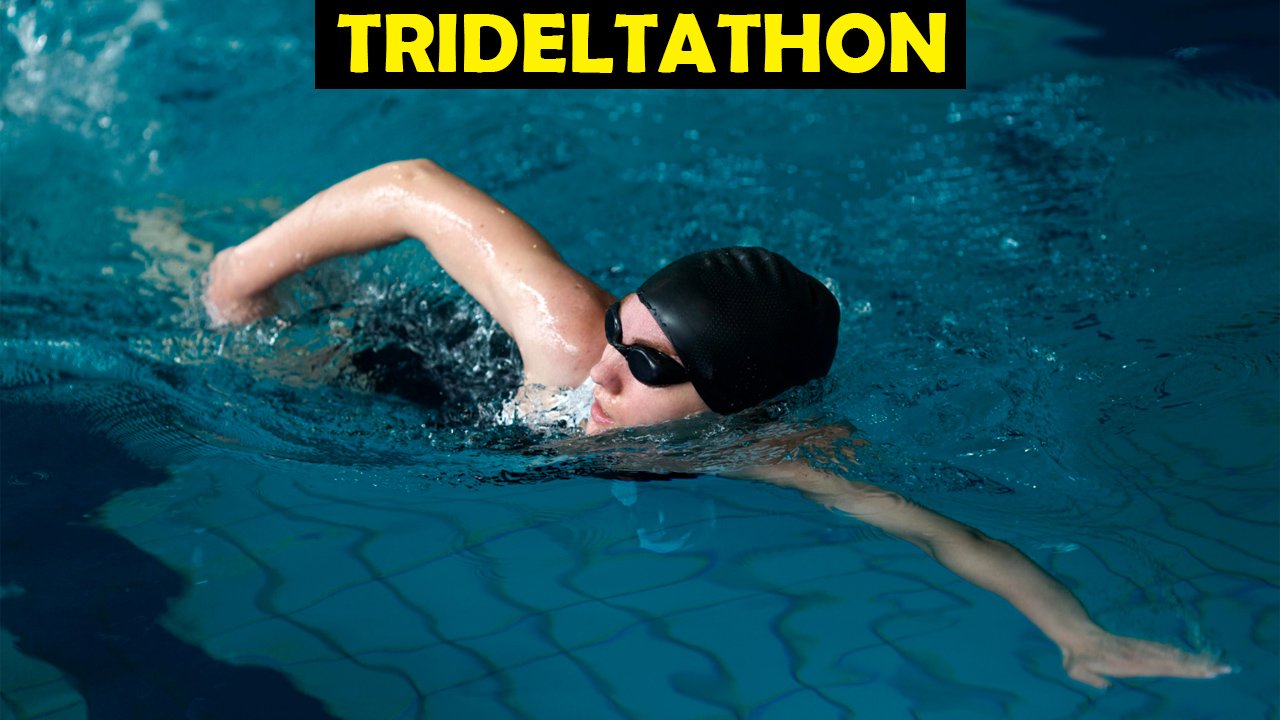
TriDeltathon is a long-running fundraising pool triathlon held at the University of Tennessee in Knoxville, organized with the Delta Delta Delta sorority and benefiting East Tennessee Children’s Hospital. This article explains what the event actually involves, who organizes it, and what cause it supports, based on established event documentation.
What Is TriDeltathon?
TriDeltathon is billed as the oldest continuously running pool triathlon in the country, held at the University of Tennessee’s Student Aquatic Center in Knoxville, combining a swim, bike, and run segment into a single timed race open to individual and relay participants.
The event has run for over three decades, with its 2020 edition marking its 36th year before that specific race was canceled when the University of Tennessee shifted to online classes for the remainder of that academic year, illustrating the event’s long-standing presence in the Knoxville community.
This kind of sustained multi-decade history is relatively uncommon among charity sporting events, giving TriDeltathon an established identity within both the University of Tennessee community and the broader regional triathlon and road race calendar.
What Does the Race Format Actually Involve?
Established event documentation confirms the race begins with a 400-meter indoor pool swim at the Student Aquatic Center, a format choice that distinguishes TriDeltathon from open-water triathlons and gives it the descriptive “pool triathlon” designation used throughout its official materials.
Following the swim segment, participants transition to a six-mile bike loop around the University of Tennessee campus and along Neyland Drive, a route that takes riders past recognizable campus landmarks before returning to the transition area for the race’s final segment.
The race concludes with a three-mile run that passes Neyland Stadium and Thompson Boling Arena, two of the university’s most recognizable athletic venues, giving participants a finishing route that doubles as a tour of some of the campus’s most prominent sports facilities.
Who Organizes TriDeltathon?
Established event records confirm RaceDay Events, led by race director Martin Coleman, organizes TriDeltathon, handling the event logistics, registration, and race-day operations that go into producing a multi-segment triathlon of this scale and complexity.
Volunteers for the event are drawn from the University of Tennessee chapter of Delta Delta Delta, commonly known as Tri Delta, a sorority whose name directly inspired the event’s own “TriDeltathon” branding and whose members provide much of the race-day volunteer support.
This combination, a professional race-day events company handling logistics alongside sorority volunteer support, is a common structure for established charity sporting events that need both operational expertise and dedicated community-based volunteer involvement to run successfully each year.
What Cause Does TriDeltathon Support?
Established event documentation confirms that proceeds from TriDeltathon benefit East Tennessee Children’s Hospital, a nonprofit pediatric hospital serving children across the East Tennessee region, giving the race a specific, verifiable philanthropic purpose beyond its athletic competition element.
This beneficiary choice connects directly to Delta Delta Delta’s broader national philanthropic focus, since the sorority has historically supported children’s hospitals and pediatric health causes as part of its national philanthropic identity across many of its collegiate chapters.
Participants registering for the race are directly contributing to this specific pediatric health cause through their entry fees, giving the event a dual identity as both a competitive athletic race and an established annual charity fundraiser for the local community.
Is TriDeltathon an Officially Sanctioned Triathlon?
Established event records specifically note that TriDeltathon is not a USAT-sanctioned event, meaning it operates outside the official sanctioning structure of USA Triathlon, the national governing body that typically sanctions competitive triathlon races across the country.
This non-sanctioned status is common among smaller, charity-focused triathlons that prioritize community fundraising and participation over formal competitive ranking structures, and it doesn’t diminish the event’s long-standing community presence or its established charitable fundraising purpose.
Participants specifically seeking USAT-sanctioned race results or rankings should be aware of this distinction, while those primarily interested in a well-established charity fundraising race with a strong community tradition will find TriDeltathon’s structure well suited to that specific goal.
How Many Participants Typically Join the Race?
Established event records indicate organizers expected roughly 350 participants for the 2020 edition before that specific race was canceled, giving a general sense of the event’s typical scale as a mid-sized regional charity triathlon rather than a mass-participation event.
This participant count reflects a race designed to remain manageable for a pool-based swim format, since indoor pool facilities naturally limit how many swimmers can be accommodated simultaneously compared to open-water triathlon swim segments at larger-scale events.
The individual and relay division structure also helps accommodate a range of participant fitness levels and team preferences, allowing both solo triathletes and teams splitting the three race segments to participate in the same overall event.
What Happened to the 2020 Edition of the Race?
Established event records confirm the 2020 edition of TriDeltathon, scheduled for April 19 of that year, was canceled after the University of Tennessee moved its classes online for the remainder of the academic year, a decision that affected numerous campus events scheduled for that same period.
Organizers offered registered participants several options following the cancellation, including keeping their entry fee as a direct donation supporting East Tennessee Children’s Hospital, transferring their registration to the following year’s race, or requesting a full refund of their entry fee.
This kind of flexible cancellation policy, offering multiple options rather than a single default outcome, reflects an approach commonly used by charity event organizers seeking to balance participant goodwill with continued support for the event’s underlying philanthropic cause.
What Should You Check Before Registering for an Event Like This?
Checking an event’s official registration platform directly for current dates, pricing, and specific race details is a reasonable step before committing to participate in any charity triathlon or similar sporting event. RunSignup’s official TriDeltathon event page documents current and historical registration details for this specific race.
Understanding how USA Triathlon sanctioning works provides useful context for evaluating any triathlon’s competitive structure before registering. USA Triathlon’s official website documents what sanctioned triathlon events typically involve and how sanctioning differs from non-sanctioned community races like this one.
Applying this same verification approach, checking official event sources directly for current details, is a reliable habit whenever researching any specific charity race or athletic fundraising event.
What Should You Take Away From This Overall?
TriDeltathon is a long-running pool triathlon at the University of Tennessee, organized by RaceDay Events with Delta Delta Delta sorority volunteer support, benefiting East Tennessee Children’s Hospital through a swim, bike, and run format that has continued for more than three decades.
Readers interested in participating or supporting the cause should check the event’s official registration platform directly for current dates, pricing, and any updates to the race’s format or beneficiary details before committing.
How Does TriDeltathon Fit Into the Broader Charity Race Category?
Charity-focused triathlons and road races combining athletic competition with fundraising for a specific cause have become a well-established format across many college towns and communities, giving participants a way to support a cause while also pursuing a personal athletic goal.
TriDeltathon’s specific combination, a pool-based swim format, a campus-centered bike and run route, and a direct connection to both a sorority’s volunteer base and a children’s hospital beneficiary, gives it a distinct identity within this broader charity race category.
This kind of long-term community event, sustained across multiple decades with consistent organizational and volunteer support, represents a relatively durable model for combining athletic fundraising with a specific, consistent philanthropic cause over time.
Why Do Sorority Chapters Often Organize Events Like This?
Collegiate sorority chapters frequently organize annual fundraising events tied to their national philanthropic focus, using the visibility and volunteer base of their local chapter membership to support causes their national organization has formally adopted as a long-term philanthropic priority.
This structure gives individual chapters a recurring, structured way to contribute meaningfully to their national cause while also building community visibility and engagement on their specific campus, benefiting both the philanthropic cause and the chapter’s own campus presence.
TriDeltathon’s connection to Delta Delta Delta’s children’s hospital philanthropy reflects this broader pattern, giving the race a sustained institutional foundation beyond what a purely volunteer-organized event without this kind of national organizational backing might achieve.
A Final Practical Note for Prospective Participants
Checking the event’s current registration page for updated dates, pricing, and any format changes remains the most reliable way to get accurate, current details before committing to participate in TriDeltathon or any similar annual charity race. Reaching out directly to the organizing sorority chapter or RaceDay Events with specific questions is also a reasonable step for participants wanting additional detail beyond what the registration page alone provides.
How Should First-Time Participants Prepare for a Pool Triathlon?
First-time participants preparing for a pool-based triathlon like TriDeltathon should practice swimming specifically in an indoor pool setting, since the swim segment’s shorter, confined format differs meaningfully from open-water swimming in terms of pacing, turns, and overall technique.
Practicing the full transition sequence, moving from swim gear into cycling equipment and then into running shoes, ahead of race day helps reduce the time lost during transitions, which can meaningfully affect a participant’s overall finishing time in a shorter-format race like this one.
Reviewing the specific bike and run route in advance, including checking for any known road closures or course changes communicated by race organizers, is a reasonable preparation step for any participant tackling this course for the first time.
What Broader Community Role Does an Event Like This Play?
Annual charity races like TriDeltathon contribute to their host community beyond their direct fundraising total, building a recurring tradition that brings together university students, local residents, and returning alumni around a shared athletic and philanthropic occasion each year.
This kind of sustained community event also provides visible, hands-on volunteer experience for sorority members and other student participants, giving them direct involvement in organizing and supporting a philanthropic cause their national organization has formally prioritized.
Recognizing this broader community role helps explain why an event like TriDeltathon has persisted for more than three decades, sustained by a combination of institutional support, dedicated volunteer involvement, and a clear, consistent philanthropic purpose renewed each specific year for the community.
One More Consideration for Prospective Participants
Checking in with the organizing chapter or RaceDay Events a few weeks before race day is a reasonable final step for confirming current details, since smaller community events can occasionally see schedule or venue adjustments year to year.
Conclusion
TriDeltathon is a long-running pool triathlon at the University of Tennessee, organized with Delta Delta Delta sorority support and benefiting East Tennessee Children’s Hospital through a swim, bike, and run format sustained across more than three decades. Readers interested in the race should check its official registration platform for current details before participating.
Frequently Asked Questions
What is TriDeltathon?
It is a long-running pool triathlon held at the University of Tennessee’s Student Aquatic Center in Knoxville, combining a 400-meter indoor swim, a six-mile bike loop, and a three-mile run, organized with Delta Delta Delta sorority volunteer support.
Who benefits from TriDeltathon’s proceeds?
Established event documentation confirms proceeds support East Tennessee Children’s Hospital, a pediatric hospital serving the region, connecting the race to Delta Delta Delta’s broader national philanthropic focus on children’s hospital causes across many chapters.
Is TriDeltathon an officially sanctioned triathlon race?
No, event records specifically note it is not sanctioned by USA Triathlon, meaning it operates outside that organization’s formal competitive sanctioning structure, a common arrangement for smaller charity-focused community triathlons nationwide.
How many people typically participate in TriDeltathon?
Organizers expected around 350 participants for the 2020 edition before that race was canceled, reflecting the event’s scale as a mid-sized regional charity triathlon with both individual and relay division options available.
What happened to the 2020 edition of the race?
It was canceled after the University of Tennessee moved classes online for the rest of that academic year, with organizers offering registrants the choice of donating their entry fee, transferring to the next race, or requesting a refund.


What Is MagzyMinutes.com and What Does the Site Offer?

Theboringmagazine com Guide to Finding Articles to Read

The Role of School Leaders in Creating Innovative, Inclusive, and Student-Centered Learning Environments

How Does TalkTalk Broadband Work and What Does It Include?

Voomixi Com Uses for Readers, Freelancers, and Startups

USB C Adapter vs. USB Hub: Features, Benefits, and Uses

Who Is Jaisal Andrews? Inside the Life of Naveen Andrews’ Son

Who Is Tanja Rosner? The Untold Life Story of Tate McRae’s Mother

Who Is Saffron Le Bon? The Untold Life Story of Benjamin Compston’s Wife

Voozon.com Explained: What It Really Is Behind the “Knowledge Platform” Label

Who Is Sue Johnston? The Remarkable Life Story of Joel Palmentor’s Mother

Who Is Kerri Browitt Caviezel? The Inspiring Life Story of Jim Caviezel’s Wife
-
 Celebrity2 months ago
Who Is Jaisal Andrews? Inside the Life of Naveen Andrews’ Son
-
 Celebrity2 months ago
Who Is Tanja Rosner? The Untold Life Story of Tate McRae’s Mother
-
 Celebrity2 months ago
Who Is Saffron Le Bon? The Untold Life Story of Benjamin Compston’s Wife
-
 Software1 month ago
Voozon.com Explained: What It Really Is Behind the “Knowledge Platform” Label
-
 Celebrity2 months ago
Who Is Sue Johnston? The Remarkable Life Story of Joel Palmentor’s Mother
-
 Celebrity2 months ago
Who Is Kerri Browitt Caviezel? The Inspiring Life Story of Jim Caviezel’s Wife
-

 Celebrity2 months ago
Who Is Otelia Cox? The Remarkable Life Story of Tony Cox’s Wife
-

 News2 months ago
Money6x.com: What This Personal Finance Platform Offers