Business
Seeing Clearly Beneath the Surface: Modern Borehole Inspection

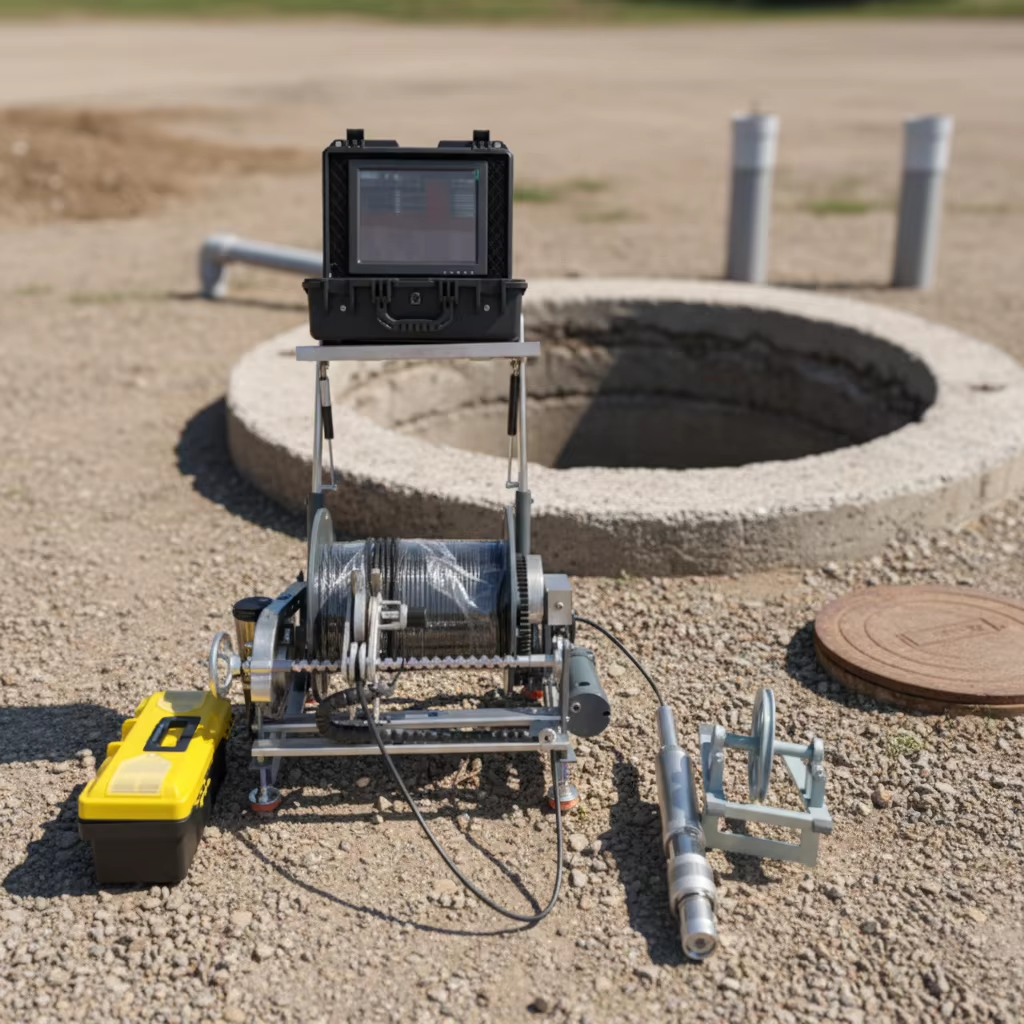
Checking what happens deep inside a water well, core hole, or underground shaft used to mean relying on guesswork or bulky equipment that took half a morning to haul out of a truck. When water flow drops, sediment starts showing up, or a casing shows signs of wear, technicians need clear eyes downhole before committing to expensive repairs. Modern inspection gear changes that math by bringing sharp video, depth awareness, and practical field portability straight to the wellhead.
Looking at how systems like the Scout Series are put together gives a clear picture of what field crews actually look for today. Rather than treating downhole cameras like fragile lab instruments, practical setups focus on tight spaces, harsh moisture, and quick turnaround between sites. A slim cylindrical body can slip into narrow casings while still holding up under pressure, and pairing clear optics with sensible controls saves time when you are standing beside a well in bright afternoon sun.
What Makes Downhole Footage Actually Useful
Sharp video is only half the story when you are peering into a dark vertical shaft. Water in active wells is rarely crystal clear, and suspended particles can scatter light right back into the lens. Onboard processing that filters haze and balances contrast helps bring out pipe joints, mineral buildup, or cracks that would otherwise stay hidden in murky water. Having still-image capture alongside video also makes it easier to document specific spots for maintenance logs or client reports without scrubbing through hours of recording.
Depth and orientation matter just as much as image clarity. When a technician spots an obstruction or corrosion, knowing how deep it sits and which way the camera is facing turns a vague observation into an actionable fix. Sensors like pressure readings, compasses, gyroscopes, and accelerometers add context to what appears on screen, and overlapping high-resolution frames can even be stitched through photogrammetry to build three-dimensional models of the interior structure.
Using a well inspection cameras during routine checks or troubleshooting helps crews spot small problems before they turn into major downtime. Whether the job involves municipal infrastructure, environmental monitoring, mining, or geotechnical work, seeing the actual condition of the casing and screen saves hours of trial and error. It turns underground diagnostics from a blind spot into a straightforward visual check.
Built for Real Fieldwork and One Person Operation
Out in the field, heavy gear gets old fast. If a system requires two people just to lift a reel or a generator to run basic electronics, quick spot checks become a chore. Lightweight reels, swappable battery packs, and compact carry cases make it realistic for a single technician to pull up to a site, set up, run the camera, and pack out without dragging a small workshop along.
Durability in wet, gritty environments is non-negotiable. A well shaft is rough on cables, connectors, and housings, so tough outer jackets, reliable seals, and corrosion-resistant metals earn their keep every single day. Accessories like centering skids help keep the camera aligned inside wider casings so the view stays steady rather than bumping against the walls.
Choosing the right well inspection camera often comes down to matching the setup to typical job depths and site conditions. Shorter runs and simpler reels fit straightforward shallow checks, while longer tethers, powered winches, and dual-view options suit deeper or more complex inspections. Having clear ports for saving files and reviewing footage on a bright screen keeps the workflow moving smoothly from one job to the next.
Choosing the Right Setup Without Overcomplicating Things
Every well and every inspection team has different priorities. Some crews spend most of their time on standard water wells and want a straightforward system that turns on fast and records clean video. Others handle deeper shafts, tight turns, or detailed structural mapping where extra reach, powered cable handling, or side-looking views make a noticeable difference.
Before buying or upgrading a well inspection camera, it helps to look closely at practical day-to-day details rather than getting lost in buzzwords. Consider the smallest casing diameter you regularly enter, the deepest point you need to reach, how often you work alone, and how easily you can replace worn parts or add accessories later. A well-matched kit feels like a natural extension of your toolkit rather than another piece of complicated gear to manage.
At the end of the day, good subsurface inspection is about confidence. When you can see what is happening inside a borehole clearly and reliably, decisions around cleaning, repairing, or logging become much easier to stand behind. Investing in a dependable well inspection camera that fits how you actually work pays off every time you lower it down a shaft.


Is Santo Domingo Safe to Live In? The Safest Neighborhoods for Expats

7 Photoshop Alternatives for People Who Only Edit Photos Occasionally

Who Is Daniel Craig Costner? Kevin Costner’s Brother and the Life Behind the Fame

7 Things to Know Before Trying Red Light Therapy

Why Businesses Invest in Professional Commercial Security Systems

Why Quality Video Production Matters for Modern Marketing

What Is OpenSkyNews and Who Are Its Two Co-Founders?

Who Is Tanja Rosner? The Untold Life Story of Tate McRae’s Mother

Who Is Jaisal Andrews? Inside the Life of Naveen Andrews’ Son

Who Is Saffron Le Bon? The Untold Life Story of Benjamin Compston’s Wife

Who Is Kerri Browitt Caviezel? The Inspiring Life Story of Jim Caviezel’s Wife

Who Is Otelia Cox? The Remarkable Life Story of Tony Cox’s Wife
-
 Entertainment3 months ago
What Is OpenSkyNews and Who Are Its Two Co-Founders?
-
 Celebrity3 months ago
Who Is Tanja Rosner? The Untold Life Story of Tate McRae’s Mother
-
 Celebrity3 months ago
Who Is Jaisal Andrews? Inside the Life of Naveen Andrews’ Son
-
 Celebrity3 months ago
Who Is Saffron Le Bon? The Untold Life Story of Benjamin Compston’s Wife
-
 Celebrity3 months ago
Who Is Kerri Browitt Caviezel? The Inspiring Life Story of Jim Caviezel’s Wife
-
 Celebrity3 months ago
Who Is Otelia Cox? The Remarkable Life Story of Tony Cox’s Wife
-

 Celebrity3 months ago
Who Is Sue Johnston? The Remarkable Life Story of Joel Palmentor’s Mother
-

 Software2 months ago
Voozon.com Explained: What It Really Is Behind the “Knowledge Platform” Label