Sports
Mountain Bike Collection Explained: Choosing the Right Bike for Different Trail Conditions

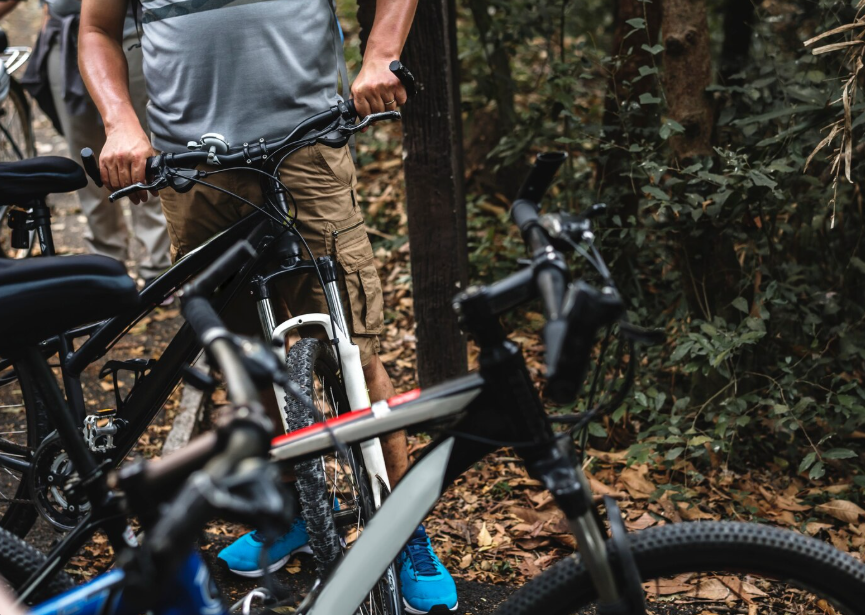
Not every mountain bike is built for the same dirt. Some are built for smooth gravel, some for root covered single track, and some for drops that would snap a lesser frame in half. Picking wrong just means a rough, slow day out there, sometimes a bent wheel too. Our mountain bike collection covers hardtails, full suspension builds and fat tyre bikes, because trail conditions change block by block, let alone town by town. This article breaks down what actually separates these bikes, what the trail ratings mean, and how to match a bike to the ground you’ll actually ride.
Trail Difficulty Ratings, Explained Simply
- Green: wide, flat, smooth dirt, built for beginners
- Blue: a few turns and small bumps, moderate speed required
- Black: steep sections, roots, loose rock, the occasional drop
- Double black: expert only, big drops, narrow lines, real consequences if you get it wrong
Hardtail, Full Suspension, or Fat Tyre?
The frame type matters more than the paint job or the brand sticker ever will. Here’s how the three main styles stack up against each other:
| Bike type | Suspension | Best suited for | Typical weight |
| Hardtail | Front only | Green and blue trails, climbing | Lighter |
| Full suspension | Front and rear | Black trails, rough terrain | Heavier |
| Fat tyre | Usually front only, or none | Sand, snow, loose gravel | Heaviest |
Why Suspension Travel Numbers Actually Matter
Suspension travel is measured in millimetres, and it tells you how much the bike can absorb before you feel the hit in your arms. More travel smooths out rough ground, but it also adds weight and costs you speed on climbs. Cross country bikes usually sit around 100 to 120mm. Trail bikes run closer to 130 to 150mm. Enduro and downhill bikes push past 160mm, built for terrain most riders will never actually need.
Wheel Size Changes the Ride Too
A 29 inch wheel rolls over roots and bumps more easily and holds speed better in a straight line, but it turns slower and feels less nimble through tight, twisty sections. A 27.5 inch wheel accelerates quicker and flicks side to side with less effort, which matters a lot on tighter technical trails with constant direction changes.
A lot of riders buy more bike than they actually need, and it shows the first time they try to climb with it. If most of your riding is fire roads and gentle single track, a full suspension enduro rig is just extra weight you’re dragging up every hill for no real reason.


Mountain Bike Collection Explained: Choosing the Right Bike for Different Trail Conditions

The Rise of Wellness Stacking: Why People Are Combining Different Spa Experiences

How a Driveway Stabilization Grid Helps Control Gravel Movement

How to Plan a Safe and Hassle-Free House Move in Al Ain

Who Is Paul Cerrito? The Life Behind the Fame of the Businessman Married to a Baywatch Star

From 1-Bedders to Multi-Gen Layouts: 6 Takeaways on One Chuan Grove

What Is OpenSkyNews and Who Are Its Two Co-Founders?

Who Is Tanja Rosner? The Untold Life Story of Tate McRae’s Mother

Who Is Jaisal Andrews? Inside the Life of Naveen Andrews’ Son

Who Is Saffron Le Bon? The Untold Life Story of Benjamin Compston’s Wife

Who Is Kerri Browitt Caviezel? The Inspiring Life Story of Jim Caviezel’s Wife

Who Is Otelia Cox? The Remarkable Life Story of Tony Cox’s Wife
-
 Entertainment3 months ago
What Is OpenSkyNews and Who Are Its Two Co-Founders?
-
 Celebrity3 months ago
Who Is Tanja Rosner? The Untold Life Story of Tate McRae’s Mother
-
 Celebrity3 months ago
Who Is Jaisal Andrews? Inside the Life of Naveen Andrews’ Son
-
 Celebrity3 months ago
Who Is Saffron Le Bon? The Untold Life Story of Benjamin Compston’s Wife
-
 Celebrity3 months ago
Who Is Kerri Browitt Caviezel? The Inspiring Life Story of Jim Caviezel’s Wife
-
 Celebrity3 months ago
Who Is Otelia Cox? The Remarkable Life Story of Tony Cox’s Wife
-

 Celebrity3 months ago
Who Is Sue Johnston? The Remarkable Life Story of Joel Palmentor’s Mother
-

 Software2 months ago
Voozon.com Explained: What It Really Is Behind the “Knowledge Platform” Label