Blog
Fast Turn PCB: Innovative Technologies for Advanced Circuit Boards

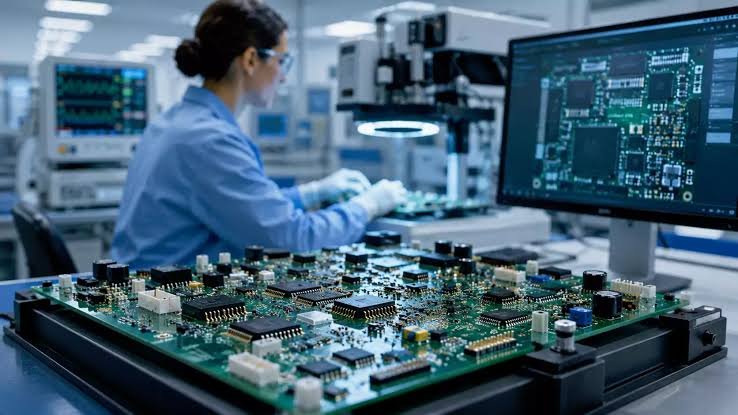
The electronics industry continues to advance as businesses develop smarter, smaller, and more efficient electronic products. Printed circuit boards (PCBs) are at the center of this transformation, providing the electrical connections that allow different components to work together. From consumer electronics and automotive systems to industrial machinery and medical equipment, advanced circuit boards are essential for modern technology. As product requirements become more complex, manufacturers need innovative production methods that deliver precision, reliability, and efficient turnaround times.
The Evolution of Modern PCB Manufacturing
PCB manufacturing has changed significantly over the years. Traditional circuit boards were often designed for relatively simple electronic applications, but modern devices require more sophisticated layouts and advanced materials. This is especially true for healthcare equipment, where reliable medical pcb assembly helps ensure precision, consistent quality, and dependable performance in compact diagnostic and monitoring devices.
Today, manufacturers use computer-aided design software, automated production equipment, and precision fabrication technologies to create circuit boards with complex electrical structures. These developments make it possible to produce smaller boards with higher component densities and improved functionality.
Fast Turn PCB solutions support modern electronics development by helping businesses move efficiently from design concepts to physical circuit boards. Faster production processes allow engineers to evaluate prototypes, identify design improvements, and prepare products for further development.
Advanced Technologies in Circuit Board Production
Several innovative technologies are shaping the future of PCB manufacturing. These technologies help manufacturers address the growing demand for compact designs and dependable electrical performance.
1. High-Density Interconnect Technology
High-Density Interconnect (HDI) technology allows manufacturers to create circuit boards with finer conductive lines, smaller vias, and closely positioned components. It is especially useful for smartphones, wearable devices, medical electronics, and advanced communication equipment.
2. Multilayer PCB Technology
Multilayer circuit boards contain several conductive layers separated by insulating materials. This structure supports complex electrical connections while reducing the overall size of electronic assemblies.
3. Flexible and Rigid-Flex PCBs
Flexible circuit boards can bend and fit into products with limited space. Rigid-flex designs combine flexible sections with rigid board structures, offering additional design possibilities for specialized electronic applications.
4. Surface Mount Technology
Surface Mount Technology (SMT) allows electronic components to be attached directly to the surface of a circuit board. Automated placement equipment helps improve assembly precision and supports compact product designs.
The Growing Importance of Medical PCB Assembly
Medical technology is one of the most demanding applications of modern circuit board manufacturing. Medical devices rely on electronic systems to collect information, process signals, display results, and support different diagnostic and monitoring functions.
Medical pcb assembly requires careful attention to component selection, assembly accuracy, material quality, and inspection procedures. Circuit boards used in medical equipment may be found in patient monitoring systems, diagnostic instruments, laboratory equipment, and portable healthcare devices.
Reliability is particularly important in this sector because electronic failures can interrupt equipment operation and affect the availability of essential functions. Manufacturers therefore need appropriate quality management processes and testing procedures.
Medical electronics may also require compact circuit board designs that can fit into portable devices without compromising functionality. Advanced assembly technologies help manufacturers meet these requirements while supporting consistent production quality.
Why Faster PCB Production Matters
Product development schedules are becoming increasingly competitive. Businesses need to test new designs, improve existing products, and respond to changing customer requirements.
Long manufacturing delays can interrupt these activities and affect overall project planning. Efficient PCB production helps reduce waiting periods and allows engineers to continue development work.
Fast production is particularly valuable during prototype development. Engineers can receive sample boards, evaluate their performance, and make adjustments before committing to larger production quantities.
However, an efficient turnaround should always be balanced with proper quality control. Accurate fabrication and reliable testing remain essential for achieving dependable results.
Quality Control and Inspection Procedures
Quality assurance is a fundamental part of advanced PCB manufacturing. Even minor defects can affect electrical connections, component performance, or the durability of a finished electronic product.
Manufacturers use different inspection techniques to identify potential problems during production.
- Automated Optical Inspection: Examines visible manufacturing defects and component placement.
- Electrical Testing: Checks circuit continuity and identifies unwanted connections.
- X-Ray Inspection: Helps examine hidden solder joints and internal assembly structures.
- Solder Joint Inspection: Evaluates the quality of component connections.
- Functional Testing: Checks whether an assembled circuit board performs according to its intended requirements.
These procedures help manufacturers maintain consistent production standards and reduce the likelihood of defective electronic assemblies.
Applications Across Different Industries
Advanced circuit boards support numerous industries, each with specific manufacturing requirements.
In consumer electronics, PCBs are used in computers, smartphones, smart home products, and entertainment devices. Automotive manufacturers depend on circuit boards for vehicle control systems, sensors, and electronic monitoring equipment.
Industrial companies use advanced PCBs in automation systems, robotics, and manufacturing machinery. Telecommunications businesses require specialized circuit boards for networking equipment and wireless communication devices.
Healthcare technology also continues to create demand for specialized electronic assemblies. As medical devices become more compact and connected, reliable PCB manufacturing will remain an important part of product development.
Choosing the Right PCB Manufacturing Partner
Selecting an appropriate manufacturing partner can influence the success of an electronics project. Businesses should evaluate production capabilities, technical experience, available materials, assembly methods, inspection procedures, and delivery timelines.
It is also important to understand whether a manufacturer can support different project stages, including prototype fabrication, small-batch production, and larger manufacturing requirements.
Clear communication about design files, component specifications, and technical expectations can help prevent unnecessary revisions and production delays.
Conclusion
Innovative manufacturing technologies are transforming the way advanced circuit boards are designed, fabricated, and assembled. From HDI structures and multilayer designs to specialized medical electronics, modern PCB solutions support increasingly sophisticated products.
Fast Turn PCB services help businesses improve development efficiency and manage demanding production schedules. Meanwhile, medical pcb assembly demonstrates the importance of precision, reliability, and quality control in specialized electronic applications. By adopting advanced manufacturing technologies and maintaining consistent inspection standards, electronics businesses can develop circuit boards that meet the evolving requirements of modern industries.


The Role of Islamic Education in Developing Discipline and Personal Responsibility

Fast Turn PCB: Innovative Technologies for Advanced Circuit Boards

Why Corporate Christmas Gift Cards Make Employee Rewards More Personal and Practical

Flight Dispatcher Career: Why Your Airline Flight Needs Two Signatures

Best Emotional Support Animals

Who Is Lorelei Frygier? The Inspiring Journey of Kristen Bell’s Mother

What Is OpenSkyNews and Who Are Its Two Co-Founders?

Who Is Tanja Rosner? The Untold Life Story of Tate McRae’s Mother

Who Is Jaisal Andrews? Inside the Life of Naveen Andrews’ Son

Who Is Saffron Le Bon? The Untold Life Story of Benjamin Compston’s Wife

Who Is Kerri Browitt Caviezel? The Inspiring Life Story of Jim Caviezel’s Wife

Who Is Otelia Cox? The Remarkable Life Story of Tony Cox’s Wife
-
 Entertainment3 months ago
What Is OpenSkyNews and Who Are Its Two Co-Founders?
-
 Celebrity3 months ago
Who Is Tanja Rosner? The Untold Life Story of Tate McRae’s Mother
-
 Celebrity3 months ago
Who Is Jaisal Andrews? Inside the Life of Naveen Andrews’ Son
-
 Celebrity3 months ago
Who Is Saffron Le Bon? The Untold Life Story of Benjamin Compston’s Wife
-
 Celebrity3 months ago
Who Is Kerri Browitt Caviezel? The Inspiring Life Story of Jim Caviezel’s Wife
-
 Celebrity3 months ago
Who Is Otelia Cox? The Remarkable Life Story of Tony Cox’s Wife
-

 Celebrity3 months ago
Who Is Sue Johnston? The Remarkable Life Story of Joel Palmentor’s Mother
-

 Software2 months ago
Voozon.com Explained: What It Really Is Behind the “Knowledge Platform” Label