Health
How Addiction Treatment Methods Actually Work

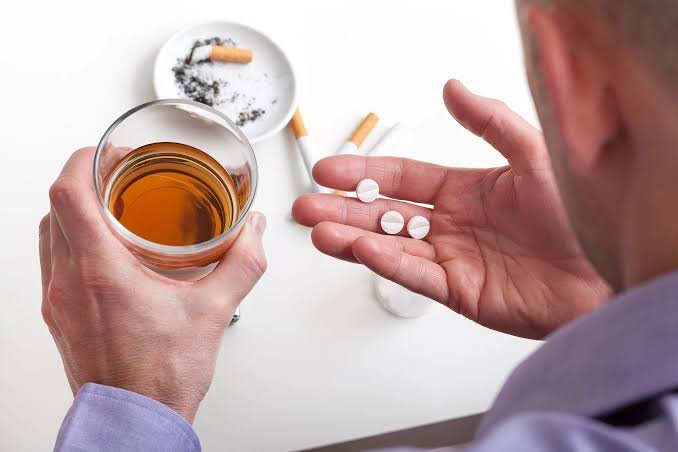
Most people who have never been through addiction treatment, or watched someone they love go through it, carry a simplified picture of what recovery looks like. You stop using, maybe attend some meetings, and that is about it. The reality is far more layered, and honestly, far more interesting. Addiction science has come a long way in the past few decades, and the treatment options available today reflect a much deeper understanding of how substance use disorders develop and why they persist.
This article walks through the main categories of addiction treatment, what the research says about each one, and how different approaches tend to be combined in practice. Whether you are trying to understand your own options, support a family member, or simply satisfy genuine curiosity about how recovery works, the information here should give you a clear and honest foundation.
Why Addiction Requires Structured Treatment at All
There is a persistent cultural assumption that addiction is primarily a willpower problem, and therefore that the solution is primarily a willpower solution. Decades of neuroscience research have challenged that view significantly. Chronic substance use alters the structure and chemistry of the brain, particularly in areas that govern reward, motivation, memory, and impulse control. These are not small, reversible tweaks. In many cases, the changes persist long after someone stops using.
The American Society of Addiction Medicine defines addiction as a treatable, chronic medical disease involving complex interactions among brain circuits, genetics, the environment, and an individual’s life experiences. That framing matters a lot, because it shifts the question from “why can’t this person just stop” to “what kind of support does this person’s brain and body actually need to recover.” Structured treatment exists to answer that second question in a concrete, practical way.
Medical Detoxification: The Starting Point for Many
For substances that cause physical dependence, such as alcohol, opioids, and benzodiazepines, the first phase of treatment often involves medically supervised detoxification. Detox is not a treatment for addiction on its own. It is a process of clearing substances from the body while managing withdrawal symptoms safely. This distinction matters because many people complete detox and then assume the hard work is done. It is not. Detox is the beginning, not the end.
Alcohol withdrawal, for example, can be life-threatening. Symptoms can include seizures and a condition called delirium tremens, which carries a significant mortality risk if left unmanaged. Medical supervision during this phase allows clinicians to use medications, typically benzodiazepines or anticonvulsants, to reduce those risks. Opioid withdrawal is rarely life-threatening in otherwise healthy adults, but it is intensely uncomfortable, and unmanaged discomfort is one of the most common drivers of early relapse.
Medication-Assisted Treatment and What the Evidence Shows
Medication-assisted treatment, often called MAT, refers to the use of FDA-approved medications in combination with counseling and behavioral therapies to treat substance use disorders. It is one of the most evidence-backed approaches available, and also one of the most misunderstood. Critics sometimes argue that replacing one drug with another is not real recovery. The clinical evidence does not support that position.
For opioid use disorder, three medications have strong evidence behind them: methadone, buprenorphine, and naltrexone. Methadone and buprenorphine both reduce cravings and withdrawal symptoms by acting on opioid receptors, though in carefully controlled ways that prevent the euphoric highs associated with misuse. Naltrexone works differently, blocking opioid receptors entirely so that using opioids produces no reward. According to the Substance Abuse and Mental Health Services Administration (SAMHSA), MAT reduces opioid use, decreases the risk of overdose death, and improves treatment retention rates significantly compared to abstinence-only approaches.
For alcohol use disorder, medications like naltrexone, acamprosate, and disulfiram have demonstrated effectiveness in reducing cravings, preventing relapse, and supporting long-term sobriety. These are not widely used enough, given how well-supported they are by clinical research. A 2022 report from the National Institute on Alcohol Abuse and Alcoholism noted that only about 2 percent of people with alcohol use disorder receive FDA-approved medications for it, despite the evidence base.
Behavioral Therapies: The Psychological Work of Recovery
Medications address the neurological and physiological dimensions of addiction, but behavioral therapies address the psychological ones. In practice, the two are almost always used together. Several specific therapeutic approaches have strong research support.
Cognitive Behavioral Therapy
Cognitive behavioral therapy, or CBT, is one of the most extensively studied psychological treatments for addiction. It works by helping people identify the thought patterns and situations that trigger substance use, and then building practical skills for responding to those triggers differently. The core idea is that behavior is learned and can therefore be unlearned or replaced with healthier patterns over time.
Motivational Interviewing
Motivational interviewing, often abbreviated as MI, is a counseling style rather than a structured therapy program. A clinician using MI works to help a person explore their own reasons for change, rather than telling them what to do. It is collaborative, non-confrontational, and particularly useful in the early stages of treatment when ambivalence about change is common and expected. Research consistently shows MI improves engagement and retention in treatment programs.
Contingency Management
Contingency management uses positive reinforcement, typically small rewards, to encourage abstinence and participation in treatment. It has particularly strong evidence for stimulant use disorders, including cocaine and methamphetamine, for which no FDA-approved medications currently exist. The approach sounds simple, but the behavioral science behind it is solid and the outcomes are meaningful.
Levels of Care: Matching Treatment Intensity to Need
One of the most important concepts in addiction treatment is that there is no single setting that fits everyone. Treatment happens across a spectrum of intensity, and effective care matches a person’s level of need to an appropriate level of support. The American Society of Addiction Medicine has developed a widely used framework for making those placement decisions, based on factors like withdrawal risk, medical and psychiatric conditions, motivation, and the stability of a person’s living environment.
| Level of Care | Setting | Typical Hours Per Week | Best Suited For |
| Outpatient | Clinic or office | 1 to 9 hours | Mild to moderate disorder, stable home environment |
| Intensive Outpatient (IOP) | Clinic or partial facility | 9 to 19 hours | Moderate disorder, able to live at home |
| Partial Hospitalization (PHP) | Hospital-adjacent or residential | 20 or more hours | Significant psychiatric or medical needs, high relapse risk |
| Residential | Live-in facility | 24 hours, structured | Severe disorder, unstable or unsafe home environment |
| Medically Managed Inpatient | Hospital | 24 hours, clinical | Severe withdrawal, acute medical or psychiatric crisis |
Moving through these levels as progress is made, sometimes called a step-down approach, is standard practice. Someone might begin in a residential setting and transition to intensive outpatient as stability increases, then to standard outpatient for ongoing support. The path is rarely perfectly linear, and that is entirely normal.
Holistic and Complementary Approaches in Modern Treatment
Alongside evidence-based medical and psychological treatments, many programs incorporate complementary approaches that address the broader dimensions of wellbeing. Mindfulness-based relapse prevention, for example, draws on meditation practices to help people observe cravings without acting on them. Research published in JAMA Psychiatry has shown it to be as effective as cognitive behavioral relapse prevention for certain populations.
Exercise, nutrition, sleep hygiene, and trauma-informed care are also increasingly recognized as important components of comprehensive treatment. Addiction and trauma frequently co-occur. According to SAMHSA, a significant proportion of people seeking substance use treatment have also experienced trauma, and treating one without addressing the other tends to produce weaker outcomes. Resources like siliconvalleyrecovery.com/addiction-treatment-methods offer a useful overview of how different evidence-based and holistic approaches are combined in practice, which can be helpful when trying to understand what a particular program actually offers.
What Peer Support and Community Add to the Picture
Formal clinical treatment is not the whole story of recovery. Peer support, which includes mutual aid groups, peer recovery coaches, and community connections, plays a meaningful role in long-term outcomes for many people. Groups like Alcoholics Anonymous and Narcotics Anonymous have been around for decades, and while the research on their effectiveness is complicated by methodological challenges, large observational studies have found associations between consistent participation and sustained abstinence.
Secular alternatives like SMART Recovery, which is grounded in cognitive behavioral and motivational principles, have grown significantly in availability and offer a different framework for people who prefer a non-spiritual approach. The common thread across peer support models is human connection. Isolation is one of the most consistent risk factors for relapse. Having people who understand what recovery actually feels like, not just conceptually but personally, provides a kind of support that clinical settings cannot fully replicate.
Key Factors That Influence Treatment Outcomes
Research consistently points to several factors that predict better outcomes in addiction treatment, regardless of the specific methods used.
- Length of engagement: Longer participation in treatment is associated with better outcomes across substances. NIDA suggests that treatment lasting less than 90 days is of limited effectiveness for most people.
- Treatment of co-occurring conditions: Depression, anxiety, PTSD, and other mental health conditions are common alongside substance use disorders. Addressing both together, rather than sequentially, produces better results.
- Social support: Strong family and community connections during and after treatment are among the most reliable predictors of sustained recovery.
- Personalization: Treatments tailored to an individual’s specific substances, history, culture, and circumstances outperform one-size-fits-all programs.
- Continuity of care: The transition out of a higher level of care is a high-risk period. Structured aftercare planning and ongoing monitoring significantly reduce relapse rates during this time.
Understanding addiction treatment means accepting that recovery is a process, not an event. Relapse, if it happens, does not mean treatment has failed. It means the treatment plan may need adjustment, which is exactly how clinicians trained in addiction medicine tend to approach it. The goal is sustained wellbeing over time, and the science available today gives people more real tools to achieve that than at any previous point in history.


Who Is Maxine Sneed? The Remarkable Life of Tommy Chong’s Ex-Wife

Croydon Extensions: Why This Is One of London’s Easier Boroughs to Extend In

Who Is Jaya Kelly? The Inside Story of R. Kelly’s Son

Who Is Sofia Bella Pagan? The Amazing Life Story of Leah Remini’s Daughter

400 Free Turkeys and a Day of Family Fun Coming to San Bernardino

Who Is Nico Ann Deneault? What We Know About GG Allin’s Daughter

What Is OpenSkyNews and Who Are Its Two Co-Founders?

Who Is Tanja Rosner? The Untold Life Story of Tate McRae’s Mother

Who Is Jaisal Andrews? Inside the Life of Naveen Andrews’ Son

Who Is Saffron Le Bon? The Untold Life Story of Benjamin Compston’s Wife

Who Is Kerri Browitt Caviezel? The Inspiring Life Story of Jim Caviezel’s Wife

Who Is Otelia Cox? The Remarkable Life Story of Tony Cox’s Wife
-
 Entertainment3 months ago
What Is OpenSkyNews and Who Are Its Two Co-Founders?
-
 Celebrity3 months ago
Who Is Tanja Rosner? The Untold Life Story of Tate McRae’s Mother
-
 Celebrity3 months ago
Who Is Jaisal Andrews? Inside the Life of Naveen Andrews’ Son
-
 Celebrity3 months ago
Who Is Saffron Le Bon? The Untold Life Story of Benjamin Compston’s Wife
-
 Celebrity3 months ago
Who Is Kerri Browitt Caviezel? The Inspiring Life Story of Jim Caviezel’s Wife
-
 Celebrity3 months ago
Who Is Otelia Cox? The Remarkable Life Story of Tony Cox’s Wife
-

 Celebrity3 months ago
Who Is Sue Johnston? The Remarkable Life Story of Joel Palmentor’s Mother
-

 Software2 months ago
Voozon.com Explained: What It Really Is Behind the “Knowledge Platform” Label