Technology
AC Not Cooling or Tripping the Breaker? How to Tell Electrical Faults From HVAC Problems

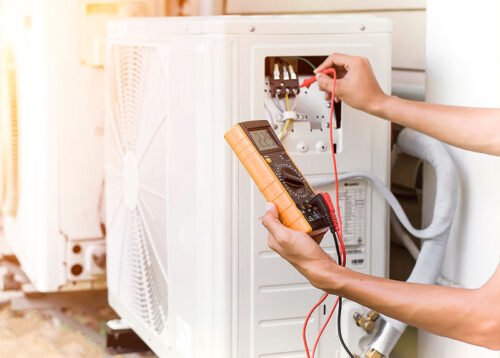
Few home problems are more stressful than an air conditioner quitting during a hot afternoon. The tricky part is knowing whether to call an HVAC technician or an electrician first. Many symptoms overlap: a tripped breaker can point to a failing compressor, but it can also indicate a bad breaker. A blank thermostat could mean a blown transformer fuse or a loose low-voltage wire. This article walks you through concrete clues, safe at-home checks, and practical next steps so you can describe what you are seeing with confidence and get the right help sooner, without risky DIY shortcuts.
- What Your Symptoms Say: Breaker Trips, Warm Air, or a Dead Thermostat
If the outdoor unit starts, hums loudly, and the two-pole breaker labeled AC trips within seconds, the initial suspicion is a startup load issue, such as a weak run capacitor or a compressor drawing locked-rotor current. Many homeowners end up searching for a residential electrician in Glenpool when an air conditioner breaker trips because it feels like a panel problem. If the indoor blower runs and air flows from the vents but isn’t cold, that suggests a refrigeration or airflow issue, such as a frozen evaporator coil, low refrigerant, or a dirty condenser coil, rather than a panel or wiring fault.
A totally blank or flickering thermostat points to low-voltage control problems. Common culprits include a blown 3-amp or 5-amp fuse on the furnace or air handler control board, a failed 24-volt transformer, or a shorted thermostat cable where it passes the cabinet edge. Another tell is a silent outdoor unit with a running indoor blower after a heavy cooling cycle. In many systems, a condensate float switch opens the control circuit when the drain pan fills, stopping the outdoor unit while the blower keeps running. That is often related to a clogged drain line rather than a power supply defect.
- Electrical Issues That Often Look Like AC Failures
A failing run capacitor is a top offender. This inexpensive component helps the compressor and condenser fan motor start and run smoothly. When it weakens, the compressor may stall at startup, draw very high current, and trip the breaker. You might hear a brief buzz from the condenser, then silence. A pitted or stuck contactor can also cause chattering, intermittent compressor power, or overheating at the outdoor disconnect lugs. Loose set screws in that disconnect can arc under load, creating heat and nuisance trips that seem like random AC shutdowns.
Low-voltage faults can also masquerade as equipment failure. A short in the thermostat cable behind a wall plate, or a nicked wire where it enters the air handler, can blow the board fuse and kill the thermostat display. If a condensate pump is plugged into a GFCI receptacle that trips, you may find the pump off, the pan filling, and a float switch opening the circuit to the outdoor unit. Resist the urge to reset a tripped breaker repeatedly. Repeated resets can overheat wiring or the breaker itself, and they erase timing clues a technician can use to pinpoint whether the trip happens at startup or under sustained load.
- HVAC Problems Commonly Mistaken for Electrical Faults
Airflow restrictions are frequently misread. A heavily loaded return filter or blocked return grille throttles airflow across the evaporator coil. The coil gets too cold, frost builds on the suction line, and cooling output drops. After a long run, the system may cycle on and off frequently to protect itself. From the panel’s perspective, nothing is wrong, but to the homeowner it can look like an electrical hiccup. Similarly, a dirty condenser coil raises head pressure. The compressor’s internal thermal protector may open, shutting it down until it cools. That pause can feel like a power problem even though the unit never lost voltage.
Drainage is another hidden cause. Slime from bacterial growth in the condensate line can clog the trap, flood the secondary pan, and lift the float switch. That breaks the control circuit to the outdoor unit while leaving the indoor blower powered. The result is warm air from the vents and a condenser that will not start, which many people attribute to a bad breaker. Duct issues can also confuse the picture. Closed supply registers or crushed flexible ductwork raise static pressure and reduce airflow, setting off the same icing cycle you might blame on a weak electrical supply.
- Safe Checks at Home That Actually Help Your Technician
Start with the simple items you can do safely. Replace a dirty return filter and make sure supply registers are open. Confirm the thermostat is set to Cool, the fan is on Auto, and the setpoint is at least 5 degrees below room temperature. Check the two-pole AC breaker once. If it is tripped and there are no signs of electrical damage, burning smells, or other hazards, reset it once and observe whether it trips immediately, after a minute, or not at all. If it trips again, leave it off and call a professional. Outside, visually check the service disconnect without opening its enclosure and ensure the area around the condenser has at least 2 feet of clearance. If you rinse the condenser coil with a garden hose, shut off power first and, if possible, spray from the inside out to avoid packing debris into the fins.
Look for water in the secondary pan under an attic air handler and a high float switch. If the manufacturer permits it, pour a cup of white vinegar into the condensate drain to discourage bacterial growth. If you see frost on the copper suction line or the evaporator coil housing, turn the system to Off and let the indoor fan run for a few hours to thaw before trying again. Note any blinking LED codes visible through the furnace or air handler control board inspection window and write down model and serial numbers from both the indoor and outdoor units. Those details save diagnostic time.
When to Call and What to Say for Faster, Safer Repairs
Call an HVAC professional if the breaker trips as the outdoor unit tries to start, if the unit hums then stops, or if the thermostat display goes blank after a cooling call. Describe exactly what you observed: which breaker tripped, whether the indoor blower kept running, how long the system ran before shutting down, and any sounds such as buzzing or chattering. If only the thermostat is dead and a technician has identified a blown low-voltage fuse on the control board, mention it. Avoid DIY capacitor swaps or refrigerant refills, which can damage the compressor and void warranties. If a condensate float switch stopped the condenser, ask about clearing and treating the drain line and verifying the switch wiring. In a pinch, these specifics can mean a technician arrives with the right capacitor rating, contactor, or drain-clearing tools on the first visit.
A few minutes of focused observation can separate electrical supply problems from true HVAC faults. Watching when a breaker trips, checking air filters and drain pans, and noting whether the thermostat stays powered gives a technician a head start and shortens your time without cooling. Treat repeated trips and hot electrical odors as urgent, give the system time to thaw if you find ice, and keep the outdoor coil and surroundings clean. With clear notes and safe checks, you can get the right professional on site faster and help them solve the problem in fewer steps.


Who Is Theodora Holmes? The Amazing Life Story of Troy Polamalu’s Wife

No Refunds, Thirty Days for Exchanges: The Fine Print

The Rugby Sweatshirt at CA$179: What the Top of the Range Buys

Who Is Joshua Springthorpe? Inside the Quiet Life of Rick Springfield’s Son

Who Is Sol Xochitl? The Inspiring Life Story of Exodus Tyson’s Mother

Who Is Sherry Aon? The Untold Story Behind Rick Gonzalez’s Wife

Who Is Tanja Rosner? The Untold Life Story of Tate McRae’s Mother

Who Is Jaisal Andrews? Inside the Life of Naveen Andrews’ Son

Who Is Saffron Le Bon? The Untold Life Story of Benjamin Compston’s Wife

What Is OpenSkyNews and Who Are Its Two Co-Founders?

Who Is Kerri Browitt Caviezel? The Inspiring Life Story of Jim Caviezel’s Wife

Who Is Otelia Cox? The Remarkable Life Story of Tony Cox’s Wife
-
 Celebrity3 months ago
Who Is Tanja Rosner? The Untold Life Story of Tate McRae’s Mother
-
 Celebrity3 months ago
Who Is Jaisal Andrews? Inside the Life of Naveen Andrews’ Son
-
 Celebrity3 months ago
Who Is Saffron Le Bon? The Untold Life Story of Benjamin Compston’s Wife
-
 Entertainment2 months ago
What Is OpenSkyNews and Who Are Its Two Co-Founders?
-
 Celebrity3 months ago
Who Is Kerri Browitt Caviezel? The Inspiring Life Story of Jim Caviezel’s Wife
-
 Celebrity3 months ago
Who Is Otelia Cox? The Remarkable Life Story of Tony Cox’s Wife
-

 Celebrity3 months ago
Who Is Sue Johnston? The Remarkable Life Story of Joel Palmentor’s Mother
-

 Software2 months ago
Voozon.com Explained: What It Really Is Behind the “Knowledge Platform” Label