Technology
How AI Art Generation Is Transforming Digital Artwork and Creative Design

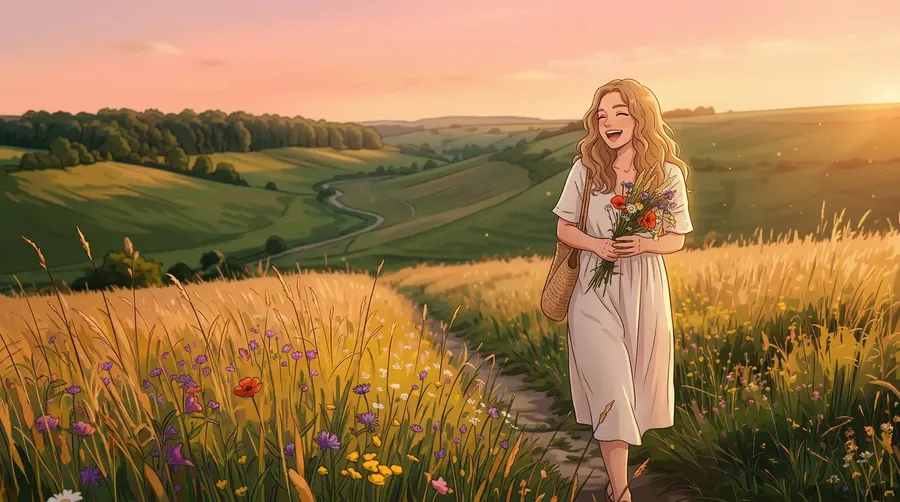
The creative industry is experiencing a major transformation as artificial intelligence introduces new ways to produce visual content. From digital illustrations and marketing graphics to realistic images and artistic concepts, modern technology is changing how people approach creativity. AI Art has become an exciting development for artists, designers, marketers, and content creators who want to explore new creative possibilities.
With advanced AI Image Generation tools, users can turn simple text descriptions into detailed visual compositions within seconds. This technology makes digital creativity more accessible while giving experienced designers additional opportunities to experiment with different styles, concepts, and artistic techniques.
Understanding the Growth of AI Art
Artificial intelligence has gradually become an important part of digital design. Traditional artwork often requires specialized skills, professional software, and considerable time to complete. Although these methods remain valuable, AI-powered solutions provide an alternative approach to creating visual materials.
AI Art uses machine learning models trained on extensive visual datasets to understand patterns, colors, textures, objects, and artistic styles. Based on user instructions, these systems can generate original visual compositions that reflect different creative directions.
For example, someone can describe a futuristic city, a fantasy landscape, or a minimalist product illustration and receive a generated image based on that description. This ability allows individuals to explore ideas without needing advanced drawing or illustration skills.
How AI Image Generation Works
AI Image Generation relies on sophisticated artificial intelligence models that interpret written prompts and transform them into visual outputs. Users provide descriptions of what they want to create, and the system processes those instructions to produce an image.
The process generally involves several stages:
- Understanding the Prompt: The AI analyzes the user’s description to identify objects, environments, colors, styles, and other visual details.
- Processing Visual Information: The model uses learned patterns to determine how different elements should appear together.
- Creating the Image: The system generates a visual composition that matches the requested description.
- Refining the Result: Users can adjust prompts, experiment with styles, and generate alternative versions.
This workflow makes digital image creation faster and provides opportunities to experiment with concepts that might otherwise require significant manual effort.
Making Creative Design More Accessible
One of the biggest advantages of AI-powered creative tools is accessibility. In the past, producing professional-looking digital artwork often required experience with illustration software, graphic design principles, and image-editing techniques.
Today, beginners can explore visual creativity by writing simple descriptions. This does not eliminate the importance of artistic knowledge, but it reduces some of the technical barriers associated with getting started.
Small businesses can create promotional concepts, bloggers can develop custom illustrations, and independent creators can experiment with visual storytelling.
AI-powered platforms such as visionarys.art also reflect the growing interest in accessible digital creativity. These platforms give users opportunities to explore AI-generated visuals and discover new approaches to creating artwork.
Transforming Digital Marketing and Branding
Visual content plays an important role in modern marketing. Businesses use images across websites, advertisements, social media platforms, email campaigns, and promotional materials.
Creating unique graphics for every campaign can be expensive and time-consuming. AI Image Generation offers another way to develop visual concepts quickly and explore multiple creative directions.
Marketing teams can use AI-generated visuals for:
- Social media graphics and promotional posts.
- Website banners and featured illustrations.
- Advertising campaign concepts.
- Product presentation ideas.
- Blog images and supporting visual content.
- Creative branding inspiration.
These applications can help businesses develop more varied visual materials while reducing the time needed for initial design exploration.
However, generated images should always be reviewed before publication. Brand consistency, visual accuracy, and licensing considerations remain important parts of professional marketing.
Supporting Artists and Professional Designers
AI technology is not only useful for beginners. Professional artists and designers can also incorporate it into their existing workflows.
For example, an illustrator might use AI to explore different background concepts before developing a final composition. A graphic designer could generate several layout inspirations before selecting the most suitable direction for a project.
These tools can also help with brainstorming, color experimentation, visual storytelling, and concept development.
Rather than replacing artistic judgment, AI can serve as an additional creative resource. Designers still make important decisions about composition, balance, emotional impact, and the overall quality of their work.
The strongest results often come from combining technological capabilities with human imagination and professional experience.
Exploring Different Artistic Styles
Another interesting feature of modern AI Art technology is its ability to explore different visual styles.
Users can experiment with realistic photography-inspired images, watercolor illustrations, digital paintings, abstract compositions, cartoon artwork, and futuristic designs.
This flexibility makes AI-generated visuals useful across different creative industries.
For example, a children’s book creator might explore colorful fantasy illustrations, while a technology company could develop futuristic graphics for a website. An independent artist might experiment with abstract concepts to discover new directions for a personal project.
The ability to generate multiple variations also encourages experimentation. Instead of committing to the first idea, creators can compare different approaches and refine their preferred results.
Challenges and Responsible AI Creativity
Despite its advantages, AI-generated artwork also comes with certain challenges. Image quality can vary depending on the prompt, the technology, and the complexity of the requested composition.
Some generated images may contain inaccurate details, unusual proportions, or visual inconsistencies. Human review and editing are therefore important when preparing artwork for professional use.
Copyright and ownership questions also deserve attention. Creators should understand the terms of the platforms they use and respect applicable intellectual property rights.
Responsible AI creativity involves using these tools thoughtfully, checking outputs carefully, and avoiding misleading or unauthorized representations.
The Future of Digital Artwork and Creative Design
The future of digital creativity will likely involve even closer collaboration between artificial intelligence and human creators. As AI systems improve, they may offer more precise image editing, better prompt interpretation, improved visual consistency, and greater control over creative details.
These developments could make AI Image Generation even more useful for professionals, businesses, educators, and independent artists.
At the same time, originality, imagination, and creative decision-making will remain essential. Technology can generate visual possibilities, but people provide the purpose, context, and artistic direction behind meaningful work.
Conclusion
AI technology is changing the way people approach digital artwork and creative design. From making visual creation more accessible to supporting marketing campaigns and professional design workflows, AI Art offers exciting opportunities for different types of creators.
With the continued development of AI Image Generation, individuals and businesses can explore new artistic styles, experiment with visual concepts, and produce creative content more efficiently. By combining artificial intelligence with human imagination and responsible practices, creators can discover new possibilities in the evolving world of digital design.


Who Is Sherry Aon? The Untold Story Behind Rick Gonzalez’s Wife

Who Is Krista Visentin? A Closer Look at the Amazing Life of David Visentin’s Wife

How to Prepare Your Travel Declaration Before Visiting Another Country

Who Is Aliza Barber? The Remarkable Life of Lance Barber’s Wife

Who Is Korina Harrison? The Truth Behind Corey Harrison’s Ex-Wife

Who Is Elizabeth Bateman? The Remarkable Journey of Elizabeth Bateman

Who Is Tanja Rosner? The Untold Life Story of Tate McRae’s Mother

Who Is Jaisal Andrews? Inside the Life of Naveen Andrews’ Son

Who Is Saffron Le Bon? The Untold Life Story of Benjamin Compston’s Wife

Who Is Kerri Browitt Caviezel? The Inspiring Life Story of Jim Caviezel’s Wife

What Is OpenSkyNews and Who Are Its Two Co-Founders?

Who Is Otelia Cox? The Remarkable Life Story of Tony Cox’s Wife
-
 Celebrity3 months ago
Who Is Tanja Rosner? The Untold Life Story of Tate McRae’s Mother
-
 Celebrity3 months ago
Who Is Jaisal Andrews? Inside the Life of Naveen Andrews’ Son
-
 Celebrity3 months ago
Who Is Saffron Le Bon? The Untold Life Story of Benjamin Compston’s Wife
-
 Celebrity3 months ago
Who Is Kerri Browitt Caviezel? The Inspiring Life Story of Jim Caviezel’s Wife
-
 Entertainment2 months ago
What Is OpenSkyNews and Who Are Its Two Co-Founders?
-
 Celebrity3 months ago
Who Is Otelia Cox? The Remarkable Life Story of Tony Cox’s Wife
-
 Celebrity3 months ago
Who Is Sue Johnston? The Remarkable Life Story of Joel Palmentor’s Mother
-

 Software2 months ago
Voozon.com Explained: What It Really Is Behind the “Knowledge Platform” Label