Business
Designing School Playgrounds That Support Physical Activity and Childhood Development

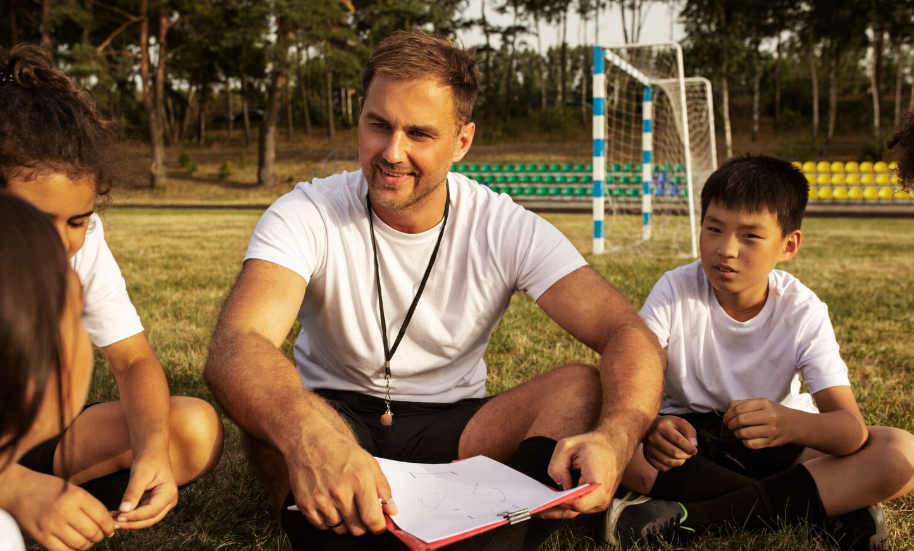
The World Health Organization says kids aged 5 to 17 need at least 60 minutes of moderate to vigorous activity every day. In Australia, only about 1 in 5 kids reach that mark. Schools can change that, and the playground is the easiest place to start. Moduplay’s school playground equipment gives schools modular pieces to build a play space step by step. A good layout does more than burn energy. It builds strength, balance, focus and friendships. Here is how to plan one that kids actually use, with the zones, safety rules and numbers that matter most.
Start With Play Zones
Variety wins. One giant climbing frame serves one type of play. Five small zones serve five. Plan zones first and pick equipment second. Aim for at least three ways to move, such as climbing, balancing and swinging or spinning. Here is a simple starting map:
| Zone | Skills built | Example |
|---|---|---|
| Climb | Strength, planning | Nets and frames |
| Balance | Core control, focus | Beams and stepping posts |
| Swing | Rhythm, grip | Swings |
| Spin | Balance, coordination | Spinners |
| Quiet | Talking, calm | Seats and shady nooks |
Put busy zones in the middle and quiet seating at the edge. Runners then stay away from kids chatting in the shade.
Play Builds More Than Muscle
Active kids do better in class. A CDC review of 50 studies found that school physical activity helped in about half of the results and hurt in almost none. Active play also supports sleep and mood. Recess is not a break from learning. It is part of it. Climbing builds strength. Balancing builds focus. Group games build the social skills teachers want to see.
Plan for Every Age and Ability
Little ones and big ones share one yard. Give each age group its own zone and keep a clear path between them. Under-fives need low platforms and short slides. Older kids need height, challenge and room to run. Add ramps and wide platforms so children with different abilities can play side by side. Inclusive design is the baseline, not an extra.
Make Room for Quiet Play
Not every child wants to sprint. Some want to chat, read or draw. A bench circle, a sensory panel or a shaded nook gives them a place that still counts as outdoor time. Fresh air and a calm break help every child reset before the next class.
Plan the Traffic
Map how kids move. Entry points, lunch areas and toilets pull crowds. Keep equipment off those paths. A wide loop path also invites running, scooting and walking races.
Check Safety Before Sign-Off
Use this list on every design:
- Softfall under every climbing piece, meeting the AS 4685 series.
- Clear sight lines so teachers can see every zone.
- Space between pieces so queues do not block paths.
- Drainage so the area works after rain.
- Gates and fences that suit the age group.
Think About Shade
Kids play outside at the sunniest time of day, around lunch. SunSmart programs run by Cancer Council promote shade in schools. Sails over seating and busy equipment cut UV and keep surfaces cooler.
Build in Stages
You do not need everything on day one. Modular systems let a school start with one zone and grow. Add a zone each year as budget arrives. Watch where kids gather, then build more of that. Ask students for ideas too. Kids spot what adults miss, like the dead corner nobody plays in.
Use the Whole Site
Playgrounds do not stop at equipment. Paint hopscotch lines on the paving. Add a small garden or a bike track. Marked lines hand kids a game to start with, and they cost very little.


Designing School Playgrounds That Support Physical Activity and Childhood Development

Why Ankle Protection Matters When Choosing Custom Shin Pads for Contact Sports

The Role of Islamic Education in Developing Discipline and Personal Responsibility

Fast Turn PCB: Innovative Technologies for Advanced Circuit Boards

Why Corporate Christmas Gift Cards Make Employee Rewards More Personal and Practical

Flight Dispatcher Career: Why Your Airline Flight Needs Two Signatures

What Is OpenSkyNews and Who Are Its Two Co-Founders?

Who Is Tanja Rosner? The Untold Life Story of Tate McRae’s Mother

Who Is Jaisal Andrews? Inside the Life of Naveen Andrews’ Son

Who Is Saffron Le Bon? The Untold Life Story of Benjamin Compston’s Wife

Who Is Kerri Browitt Caviezel? The Inspiring Life Story of Jim Caviezel’s Wife

Who Is Otelia Cox? The Remarkable Life Story of Tony Cox’s Wife
-
 Entertainment3 months ago
What Is OpenSkyNews and Who Are Its Two Co-Founders?
-
 Celebrity3 months ago
Who Is Tanja Rosner? The Untold Life Story of Tate McRae’s Mother
-
 Celebrity3 months ago
Who Is Jaisal Andrews? Inside the Life of Naveen Andrews’ Son
-
 Celebrity3 months ago
Who Is Saffron Le Bon? The Untold Life Story of Benjamin Compston’s Wife
-
 Celebrity3 months ago
Who Is Kerri Browitt Caviezel? The Inspiring Life Story of Jim Caviezel’s Wife
-
 Celebrity3 months ago
Who Is Otelia Cox? The Remarkable Life Story of Tony Cox’s Wife
-

 Celebrity3 months ago
Who Is Sue Johnston? The Remarkable Life Story of Joel Palmentor’s Mother
-

 Software2 months ago
Voozon.com Explained: What It Really Is Behind the “Knowledge Platform” Label