Lifestyle
How Paint Sheen Changes What You See and How You Clean Interior Walls

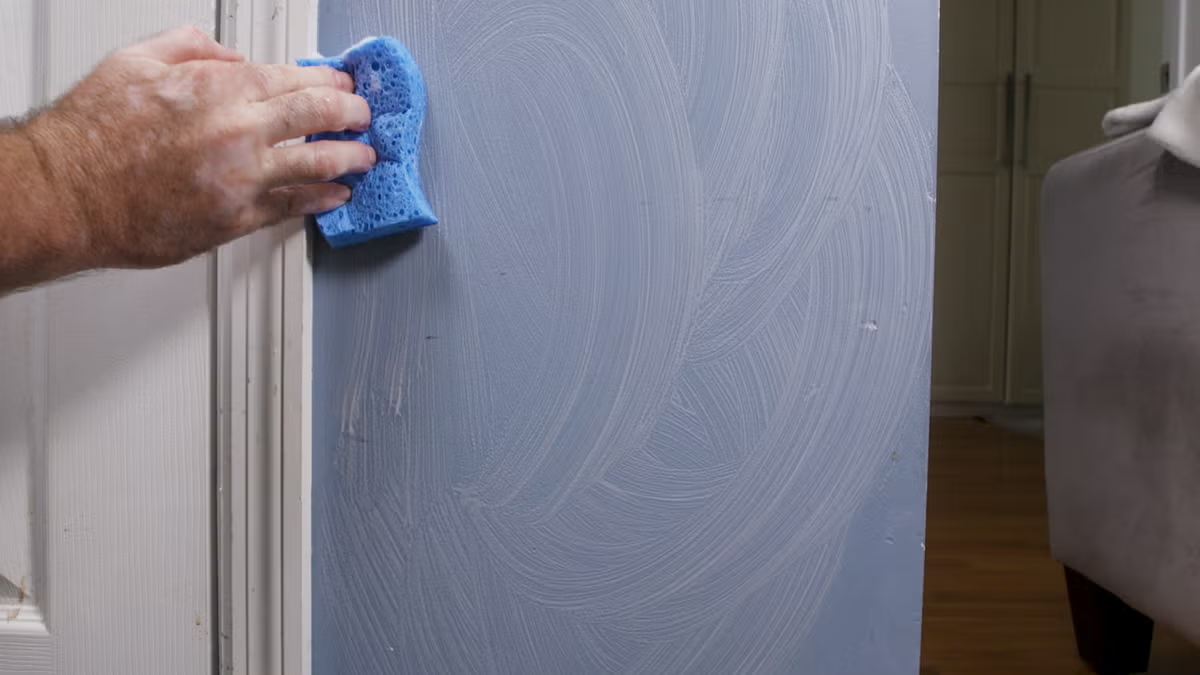
Color gets most of the attention when people repaint, but the finish you choose shapes how the room looks and how easy it is to live with. Sheen controls how light bounces off the surface, how much texture and patchwork you notice, and how well the paint resists fingerprints, moisture, and scrubbing. Understanding the tradeoffs among flat, matte, eggshell, satin, semi-gloss, and gloss can prevent regrets like visible roller marks in a hallway or a finish that scuffs every time a backpack brushes the wall. Here is how sheen really behaves, and how to match it to the way each room is used.
- What Sheen Really Does: Light, Texture, and Color Shift
Sheen changes reflection, and that changes what you see. Higher gloss levels reflect like a mirror, which accentuates drywall seams, roller stipple, and orange peel texture under raking light from windows or sconces. Lower sheen scatters light, softening shadows and hiding small nicks and joint compound edges. You will encounter terms like LRV (light reflectance value), burnish resistance, and scrub rating in manufacturer data sheets or on contractor sites such as Highfill Painting. Expect deeper colors to look slightly richer as sheen rises, because smoother films reflect more color to your eye.
Consider two common situations. In a long hallway with windows at one end, side light skims the wall and reveals every lap mark; a matte or eggshell often keeps that glare in check. In a small powder room where the sink backsplash gets splashed, a satin or semi-gloss resists moisture and wipes clean without leaving dull spots from repeated cleaning.
- Matching Sheen to Room Use and Surface Material
Room use should drive finish selection. High traffic zones like entryways, stairwells, and kids’ bedrooms benefit from eggshell or scrubbable matte finishes, which balance concealment and cleanability. Kitchens and baths face moisture, cooking residue, and frequent wipe-downs; satin or a moisture-resistant semi-gloss on walls, paired with a quality mildew-resistant primer, handles that environment better than flat paint. Ceilings are best left flat to avoid distracting glare from cans and pendants.
Surface material matters too. Trim, doors, and cabinets usually get a harder film, such as a waterborne alkyd or urethane-modified enamel in semi-gloss or gloss, because these products level out to reduce brush marks, resist blocking (sticking), and stand up to repeated cleaning. By contrast, older plaster or drywalled rooms with lots of patching are more forgiving with matte or eggshell, which hide sanding swirls and minor plane changes that glossy finishes highlight.
- When Low Sheen Wins: Hiding Imperfections and Preventing Flashing
Flaws are most visible where light grazes the wall or where you spot-prime patches. Higher sheen can telegraph those transitions, creating “flashing,” a shiny halo that outlines the repair. To minimize this, use a dedicated drywall sealer or PVA primer on new gypsum board, then finish with flat or matte on walls with extensive skim coating or multiple joint compound touch-ups. Low sheen films absorb and scatter light, evening out texture and sheen differences.
Technique matters as well. Back rolling after spraying helps match the roller texture across the field, so you don’t end up with a smooth spray band next to an older stipple. Feather sand ridge lines around patches, vacuum the dust, and spot-prime, then oil-paint areas. On ceilings, keep the finish dead flat to hide joints and roller-lap marks that show up under daylight.
- When Higher Sheen Pays Off: Cleaning Power and Trim Contrast
Satin and semi-gloss are the workhorses where washing is routine. In kitchens, these finishes shrug off fingerprints near light switches and hold up to mild degreaser on backsplash areas not covered by tile. In bathrooms, they tolerate incidental moisture and make it easier to remove occasional mildew with a diluted household cleaner. Deeper colors often gain perceived depth and clarity as sheen rises, adding definition to accent walls without changing the hue.
On trim and doors, a self-leveling enamel in semi-gloss or gloss creates a durable shell that resists scuffs from vacuum cleaners and pet traffic. The tradeoff is that prep quality becomes nonnegotiable. Caulk gaps neatly with a paintable sealant, fill nail holes, and sand to 220 grit between coats to avoid nibs that glossy films will spotlight. If you want satin’s wipeability on walls but your drywall is less than perfect, consider upgrading the wall prep to a level 5 skim coat rather than lowering sheen where you need durability.
Testing Before You Commit: Samples, Lighting, and Cure Time
Small swatches can mislead, especially if you paint them directly on the wall. Use primed sample boards or poster board and apply two coats of the actual product in the target sheen, then move the boards around the room. Check them in morning light, at night with your actual bulbs, and under raking light from windows. Look for roller stipple visibility, joint telegraphing, and how the finish responds to fingerprints from dry hands.
Factor in cure time. Paints can feel dry to the touch in hours but may need days or weeks to harden. Early scrubbing on an uncured film can burnish a flat finish or change the sheen on satin. For a fair cleaning test, wait until the manufacturer’s recommended cure period has passed, then wipe with a soft cloth and diluted soap. If you plan frequent touch-ups, remember that flat and matte blend more easily; satin and semi-gloss may telegraph touch-up edges unless you repaint corner to corner.
Sheen choice is less about following a trend and more about matching optics and upkeep to real-life conditions. Start by noticing how light hits each surface, how often the area gets touched, and how smooth the underlying substrate really is. Then pick a finish that fits the job: flat or matte to minimize visual noise on imperfect walls, eggshell where you want modest cleaning with good hide, satin for wipeable common areas, and semi-gloss or gloss for hard-wearing trim and doors. A few sample boards and honest prep can save you from glare, scuffs, or flashing, and help your color look the way you imagined.


Who Is Imani Cheadle? The Amazing Life Story of Don Cheadle’s Daughter

What Models Does ImagineArt Actually Run?

BadSeed Tech Carpio Explained: What This Collab Actually Is

Metronidasool Fact-Checked: The Medication Behind This Spelling

Who Is Nicole Saphier? The Amazing Life Story of Dr Paul Saphier’s Wife

Who Is Alisa Earle? The Amazing Life Story of Alix Earle’s Mother

Who Is Jaisal Andrews? Inside the Life of Naveen Andrews’ Son

Who Is Saffron Le Bon? The Untold Life Story of Benjamin Compston’s Wife

Who Is Tanja Rosner? The Untold Life Story of Tate McRae’s Mother

Voozon.com Explained: What It Really Is Behind the “Knowledge Platform” Label

Who Is Sue Johnston? The Remarkable Life Story of Joel Palmentor’s Mother

Who Is Kerri Browitt Caviezel? The Inspiring Life Story of Jim Caviezel’s Wife
-
 Celebrity2 months ago
Who Is Jaisal Andrews? Inside the Life of Naveen Andrews’ Son
-
 Celebrity2 months ago
Who Is Saffron Le Bon? The Untold Life Story of Benjamin Compston’s Wife
-
 Celebrity2 months ago
Who Is Tanja Rosner? The Untold Life Story of Tate McRae’s Mother
-
 Software4 weeks ago
Voozon.com Explained: What It Really Is Behind the “Knowledge Platform” Label
-
 Celebrity2 months ago
Who Is Sue Johnston? The Remarkable Life Story of Joel Palmentor’s Mother
-
 Celebrity2 months ago
Who Is Kerri Browitt Caviezel? The Inspiring Life Story of Jim Caviezel’s Wife
-

 Celebrity2 months ago
Who Is Otelia Cox? The Remarkable Life Story of Tony Cox’s Wife
-

 Software4 weeks ago
Bynethi Com Explained: What to Verify Before Trusting This Site