Food
Kouskousi Explained: Fact-Checking an Uncorroborated Spelling Built on Real Dishes

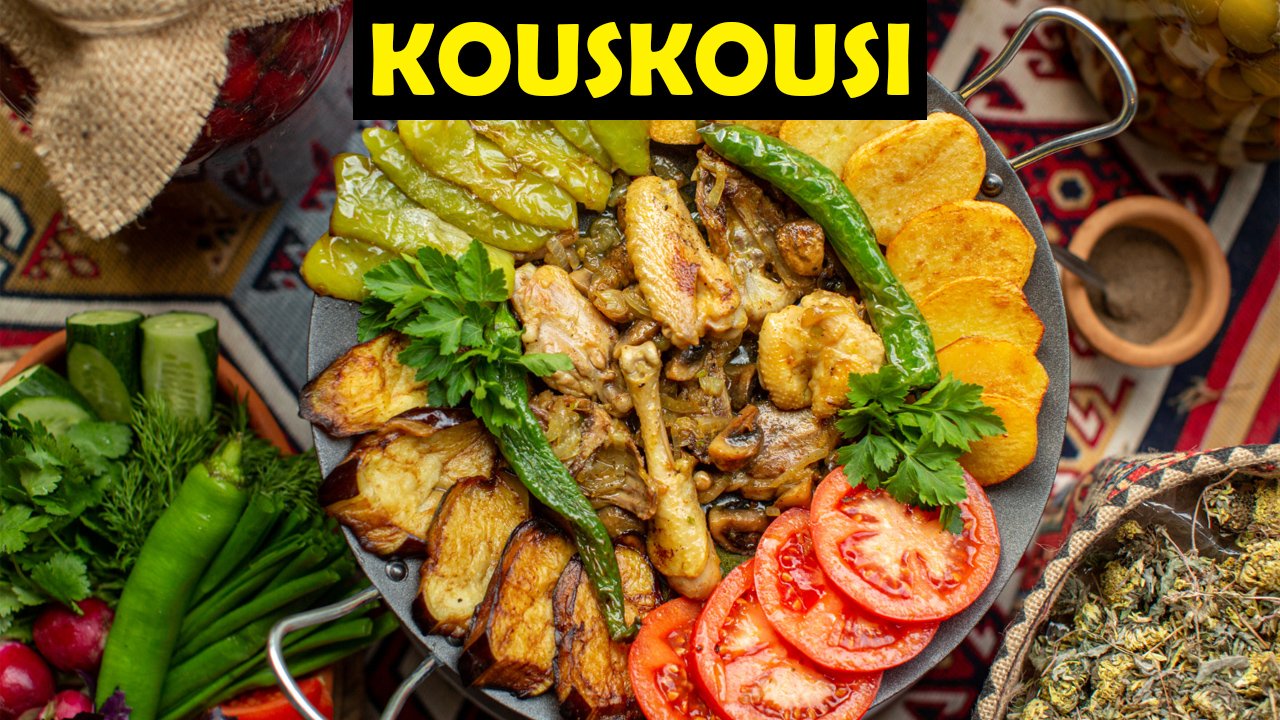
Kouskousi is not an independently documented dish name in any dictionary, encyclopedia, or established culinary reference, despite a cluster of content-mill articles describing it in confident detail, and it appears to be a spelling variant loosely built on two genuinely real, well-documented dishes: North African couscous and Maltese kusksu. This article covers what those two real dishes actually are, why “kouskousi” itself isn’t independently verified, and how to evaluate a similarly uncorroborated food term you encounter online.
What Do Articles About Kouskousi Actually Claim?
A cluster of articles describes kouskousi as a “traditional Mediterranean pasta” or a “tasty semolina dish,” presenting detailed claims about its preparation, cultural origins, and supposed health benefits in confident, encyclopedia-like language.
These articles vary somewhat in their specific framing, some emphasizing a pasta-like grain product, others describing it closer to couscous itself, without pointing to any single, consistent, independently verifiable culinary tradition or specific regional origin.
None of these articles cites a genuine culinary reference, cookbook, or cultural institution documenting “kouskousi” specifically as an established dish name, distinct from the real, separately documented dishes it appears to be loosely based on.
What Is Couscous, Genuinely?
Couscous is a genuine, extensively documented North African staple food made from small steamed granules of crushed durum wheat semolina, traditionally prepared using a specialized two-part steaming pot called a couscoussier.
The dish carries deep, well-documented cultural significance across Algeria, Morocco, Tunisia, and Libya specifically, with regional variations in preparation and accompaniment that are independently verified through extensive culinary and cultural documentation.
Couscous has also been recognized internationally, with its preparation traditions inscribed on UNESCO’s Intangible Cultural Heritage list, reflecting its genuine, well-established status as a documented culinary and cultural tradition rather than an obscure or invented term.
What Is Kusksu, and How Does It Differ?
Kusksu is a genuine, separately documented traditional Maltese dish, a soup featuring seasonal broad beans, small pasta beads also called kusksu, and fresh ġbejna cheese, distinct from North African couscous despite visual and linguistic similarities.
The pasta beads themselves resemble couscous in appearance but are documented as thicker and specifically suited to simmering in soup, producing a genuinely different texture and dish structure than steamed North African couscous.
Historical documentation traces kusksu’s likely origin to Malta’s period of Arab influence, with the earliest specific written reference appearing in an eighteenth-century source describing peppercorn-shaped pasta, confirming genuine historical depth independent of any content-mill description.
Why Doesn’t “Kouskousi” Appear as an Independently Documented Term?
Neither Wikipedia’s extensively sourced couscous article nor its separate, dedicated kusksu article uses or documents “kouskousi” as an alternate name, a regional variant spelling, or a recognized term within either dish’s established naming history.
This absence across the most extensively documented reference sources for both real, related dishes is a meaningful signal that “kouskousi” functions as a search-optimized spelling variant rather than reflecting any independently verified culinary tradition of its own.
Recognizing this gap, two genuinely real, well-documented dishes on one hand and an unverified spelling variant confidently described as if independently established on the other, is the key distinction worth understanding here.
Why Would Content Operations Create a New Spelling for Existing Dishes?
Couscous and kusksu both represent genuinely interesting, search-relevant culinary topics, but they’re also well-covered subjects with considerable existing competition from established culinary publications, cultural institutions, and reference sources.
Introducing a fresh, unfamiliar-looking spelling variant like “kouskousi” allows content operations to create seemingly original, search-optimized content without directly competing against already authoritative sources covering the genuine dishes under their established, independently documented names.
This pattern has been documented across other cases where genuinely real culinary traditions get lightly reworded or respelled into an ostensibly distinct term, creating the impression of a separate dish or tradition that doesn’t actually exist independently.
Should You Trust Specific Claims Made About Kouskousi?
Readers should treat any specific claim about kouskousi’s exact preparation, precise cultural origin, or particular health benefits with real caution, given the absence of any independently verifiable source documenting the term separately from couscous or kusksu.
This doesn’t mean the underlying culinary interest is misplaced, both couscous and kusksu are genuinely fascinating, well-documented dishes worth learning about directly through established culinary and cultural references rather than through this specific uncorroborated spelling.
Readers specifically interested in North African semolina preparation or Maltese bean-and-pasta soup traditions are better served researching each dish separately, under its own independently documented name and history, rather than through a single conflated overview.
What Should You Check Before Trusting a Similar Food Term?
Checking an unfamiliar dish name against an established culinary encyclopedia or cultural heritage reference is a reasonable first verification step before trusting content describing it as a distinct, independently documented tradition. Wikipedia’s extensively sourced entry on couscous documents the genuine North African dish’s history, preparation, and cultural significance in detail.
Cross-referencing a specific claimed spelling variant against a dedicated, independently sourced article on a closely related dish helps clarify whether the new term reflects a genuine regional variation or simply an unverified respelling. Wikipedia’s entry on Maltese kusksu documents this genuinely distinct dish’s real history and ingredients separately.
Being specifically skeptical of a food term that closely resembles two already well-documented dishes, without appearing in either dish’s own established reference material, is a reasonable, practical verification habit.
How Does This Case Compare to Other Uncorroborated Food Terms?
Kouskousi’s pattern, an unfamiliar spelling variant built loosely on genuinely real, well-documented dishes, closely resembles other documented cases where search-optimized content introduces a new-sounding term for an already established culinary tradition.
This differs from a fully fabricated dish describing something with no real basis at all, since couscous and kusksu are both genuinely, extensively documented, just not specifically under the “kouskousi” spelling being promoted across this particular content cluster.
Readers who notice this specific combination, real underlying dishes paired with an unverified new spelling presented confidently, can apply calibrated skepticism the next time a similarly unfamiliar food term appears in their own search results online.
What Broader Lesson Does This Case Offer?
A food term sounding plausible and resembling real, well-known dishes doesn’t confirm it’s an independently documented tradition in its own right, particularly when established reference sources for the related real dishes don’t use or mention it.
Readers benefit from checking any unfamiliar dish name against dedicated culinary or cultural heritage references directly, rather than assuming a confidently written explainer article accurately reflects a separately documented culinary tradition.
How Should You Approach a Similarly Unfamiliar Dish Name?
Approaching any newly encountered dish name with a structured verification checklist, checking established culinary references and looking for the term specifically rather than just similar-sounding dishes, is more reliable than trusting confident food-blog packaging alone.
Start by checking whether the specific spelling appears in a dedicated encyclopedia entry, cultural heritage listing, or established cookbook, rather than assuming resemblance to a real dish confirms the specific new term is itself genuine.
Then research the closely related real dishes directly under their own established names, since this typically provides considerably more accurate, well-sourced culinary information than an uncorroborated spelling variant.
Why Does This Pattern Matter Beyond This Specific Term?
Unverified spelling variants built loosely on genuinely real, well-documented dishes recur across many food and culinary content categories, not just in this specific case involving kouskousi, couscous, and Maltese kusksu.
Recognizing this recurring structure helps readers apply consistent, appropriately calibrated skepticism whenever they encounter an unfamiliar dish name that closely resembles an already established culinary tradition under a different, independently documented name.
What Should You Take Away From This Overall?
Kouskousi is not an independently documented dish name in any established culinary or cultural reference, appearing instead as an unverified spelling variant built loosely on two genuinely real, well-documented dishes: North African couscous and Maltese kusksu.
Readers genuinely interested in either real dish are better served researching couscous or kusksu directly under their own established names rather than treating kouskousi as a separately documented culinary tradition.
What Should You Know About Preparing Genuine Couscous at Home?
Genuine North African couscous preparation traditionally involves repeated steaming stages, with the semolina granules moistened, raked apart, and steamed multiple times over a simmering stew or broth to achieve a light, fluffy final texture.
This traditional method differs considerably from the quick-cooking instant couscous commonly sold in supermarkets outside North Africa, which trades some of the traditional texture and flavor development for a dramatically shorter preparation time.
Readers interested in learning traditional couscous preparation are well served consulting established North African cookbooks or culinary resources directly, which document the genuine multi-stage steaming method in considerably more accurate, thorough detail than a generic online explainer typically offers.
Recognizing this distinction between traditional and instant preparation methods is useful context for understanding why couscous carries such deep, well-documented cultural significance beyond simply being a quick, convenient grain side dish sold on supermarket shelves worldwide today.
What Should You Know About Preparing Genuine Kusksu at Home?
Traditional Maltese kusksu preparation centers on simmering the small pasta beads together with fresh or dried broad beans in a light broth, finished with fresh ġbejna cheese for its characteristic creamy, savory flavor profile.
This dish is traditionally associated with springtime in Malta, coinciding with the seasonal availability of fresh broad beans, reflecting genuine seasonal and agricultural patterns documented within established Maltese culinary tradition specifically and consistently over many generations.
Readers interested in trying an authentic version are best served seeking out a recipe specifically sourced from Maltese culinary tradition, rather than a generic “kouskousi” explainer that doesn’t clearly distinguish between this dish and North African couscous.
This same principle, seeking a recipe specifically rooted in its documented regional tradition, applies usefully to researching any dish whose name closely resembles or has been loosely respelled from an already well-established culinary term found elsewhere online.
One Final Note on Approaching Coverage Like This
Curiosity about an unfamiliar dish name is entirely reasonable and worth pursuing, and satisfying that curiosity responsibly simply means checking established culinary references before assuming a new spelling reflects a genuinely distinct, independently documented tradition of its own.
This same closing habit, verify against established culinary sources before trusting a confident food-blog explainer, is worth carrying into any future encounter with an unfamiliar dish name that closely resembles an already well-documented culinary tradition elsewhere in the world.
Conclusion
Kouskousi is not an independently documented dish name in any established culinary or cultural reference, appearing instead as an unverified spelling variant built loosely on two genuinely real, well-documented dishes, North African couscous and Maltese kusksu. Readers genuinely interested in either dish are better served researching couscous or kusksu directly under their own established, independently verified names and histories.
Frequently Asked Questions
Is kouskousi a real, independently documented dish?
No established culinary encyclopedia or cultural heritage reference documents this specific spelling as a distinct dish, though it appears to be built loosely on the genuinely real dishes couscous and kusksu.
What is the difference between couscous and kusksu?
Couscous is a North African steamed semolina staple, while kusksu is a distinct Maltese soup featuring broad beans, pasta beads, and cheese, historically linked to but genuinely separate from North African couscous.
Is couscous itself a real, well-documented dish?
Yes, couscous is extensively documented as a North African staple with deep cultural significance, and its preparation traditions are recognized on UNESCO’s Intangible Cultural Heritage list based on genuine historical evidence.
Why would a new spelling like kouskousi appear online for real dishes?
Introducing an unfamiliar spelling variant allows content operations to create seemingly original, search-optimized content without directly competing against already established, authoritative sources covering the genuine dishes under their real names.
How can I verify an unfamiliar dish name before trusting an article?
Check it against an established culinary encyclopedia or cultural heritage reference directly, and research any closely resembling real dish under its own documented name for more accurate, well-sourced information overall.


Adnis Reeves Biography: The Amazing Life Story of Jay-Z’s Father

Who Is Henry Elkind? The Inspiring Life Story of Paul Newman’s Grandson

Who Is Imani Cheadle? The Amazing Life Story of Don Cheadle’s Daughter

What Models Does ImagineArt Actually Run?

BadSeed Tech Carpio Explained: What This Collab Actually Is

Metronidasool Fact-Checked: The Medication Behind This Spelling

Who Is Jaisal Andrews? Inside the Life of Naveen Andrews’ Son

Who Is Saffron Le Bon? The Untold Life Story of Benjamin Compston’s Wife

Who Is Tanja Rosner? The Untold Life Story of Tate McRae’s Mother

Voozon.com Explained: What It Really Is Behind the “Knowledge Platform” Label

Who Is Sue Johnston? The Remarkable Life Story of Joel Palmentor’s Mother

Who Is Kerri Browitt Caviezel? The Inspiring Life Story of Jim Caviezel’s Wife
-
 Celebrity2 months ago
Who Is Jaisal Andrews? Inside the Life of Naveen Andrews’ Son
-
 Celebrity2 months ago
Who Is Saffron Le Bon? The Untold Life Story of Benjamin Compston’s Wife
-
 Celebrity2 months ago
Who Is Tanja Rosner? The Untold Life Story of Tate McRae’s Mother
-
 Software4 weeks ago
Voozon.com Explained: What It Really Is Behind the “Knowledge Platform” Label
-
 Celebrity2 months ago
Who Is Sue Johnston? The Remarkable Life Story of Joel Palmentor’s Mother
-
 Celebrity2 months ago
Who Is Kerri Browitt Caviezel? The Inspiring Life Story of Jim Caviezel’s Wife
-

 Celebrity2 months ago
Who Is Otelia Cox? The Remarkable Life Story of Tony Cox’s Wife
-

 Software4 weeks ago
Bynethi Com Explained: What to Verify Before Trusting This Site