Food
Masaco Banana Near Me: Fact-Checking Bolivia’s Plantain Dish and the Guides About It

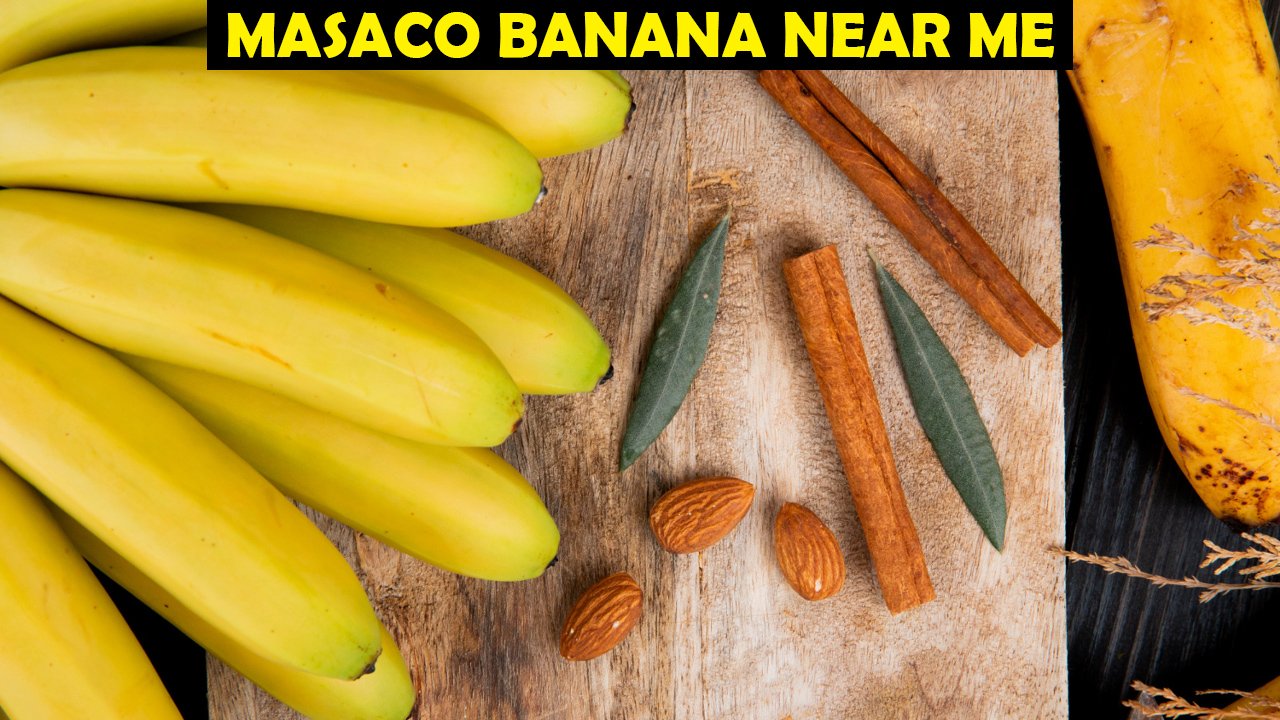
Masaco de plátano, often searched as “masaco banana,” is a genuine, well-documented snack from Eastern Bolivia’s Beni and Santa Cruz regions, made from mashed fried plantain mixed with pulled meat and cheese, but the specific “near me” guides circulating online for this dish show signs of being generic, templated content rather than genuinely researched local recommendations. This article covers what masaco actually is, why it’s genuinely tied to a specific Bolivian region, what to know about the cluster of “near me” articles describing it, and practical ways to find it near you.
What Is Masaco de Plátano, Genuinely?
Masaco de plátano is a traditional Bolivian snack or teatime dish from the tropical lowland regions of Beni and Santa Cruz, made by peeling and slicing plantains, frying them until golden and soft, then mashing them together with pulled beef or pork and diced red onion. The mixture is typically molded in a small cup or bowl, layered with shredded white cheese, pressed firmly, then inverted onto a plate to create an attractive, dome-shaped presentation before being served warm.
Unlike a main meal dish, masaco de plátano traditionally functions as an afternoon snack enjoyed with tea or coffee, reflecting a specific culinary role within Bolivian eating customs rather than serving as a standalone dinner entrée.
Is Masaco Made With Bananas or Plantains?
Despite the common “masaco banana” search phrasing, the traditional dish is made with plantains specifically, a starchy, cooking-only variety of banana that’s significantly larger, firmer, and unsuitable for eating raw compared to the sweet dessert bananas most commonly eaten uncooked. This distinction matters for anyone trying to prepare an authentic version at home, since substituting regular sweet bananas for plantains would produce a noticeably different texture and flavor than the traditional dish.
Recognizing this terminology gap also explains why searches for “masaco banana” and the traditional Spanish name “masaco de plátano” both lead to descriptions of the same underlying dish, since “banana” functions as a general, informal English translation rather than a precise ingredient distinction.
Where in Bolivia Does Masaco Come From Specifically?
Masaco de plátano is specifically associated with Bolivia’s tropical lowland regions, particularly the departments of Beni and Santa Cruz, areas with a climate and agricultural tradition well suited to plantain cultivation. This regional association distinguishes masaco from dishes more commonly associated with Bolivia’s highland Andean regions, reflecting the country’s genuinely diverse regional culinary identities across its varied geography.
Understanding this regional specificity helps explain why masaco is more consistently found in Bolivian restaurants specifically representing Beni or Santa Cruz cuisine, rather than being a uniformly available dish across all Bolivian restaurants regardless of their specific regional focus.
What Does a Cluster of “Near Me” Articles About Masaco Banana Actually Say?
A notable cluster of articles, published across sites including PostBuzz, HalalInfoHub, HalalDishGuide, and InsiderNYT, present themselves as guides to finding “the best masaco banana near me,” using structurally similar titles and promotional framing without providing genuinely location-specific, current, or independently verifiable restaurant recommendations. This kind of generic “near me” content, which can’t actually know a specific reader’s location despite its confident framing, is a pattern worth recognizing rather than trusting at face value.
This doesn’t mean masaco itself is fabricated or unreal, the dish is genuinely well-documented through established Bolivian food and travel resources, but it does mean these specific “near me” articles shouldn’t be treated as reliable, personalized restaurant guidance for your actual location.
Why Do Generic “Near Me” Articles Get Published for Dishes Like This?
Specific, less internationally known dishes like masaco de plátano can attract genuine reader search interest from people curious about the dish after encountering it in travel content or social media, creating an opportunity for content operations to generate generic “near me” articles that rank for this search interest without providing genuinely localized, verified information. This pattern has been documented across numerous specific, regionally rooted dishes, where templated “best [dish] near me” content substitutes for real, location-specific restaurant research.
Boliviabella’s own established travel guide provides a genuinely detailed explanation of masaco de plátano, including its regional origin and traditional preparation, offering a considerably more substantive and independently credible reference than the generic “near me” content cluster.
What Ingredients and Preparation Define an Authentic Masaco?
An authentic masaco de plátano requires ripe plantains, not sweet dessert bananas, fried until golden and thoroughly softened, combined with pulled beef or pork, often called charque in traditional Bolivian preparations, and finely diced red onion. Shredded white cheese, typically a fresh, mild variety common in Bolivian cooking, is layered into the dish during molding, contributing both flavor and the dish’s characteristic textural contrast between the soft plantain base and the cheese.
Versions substituting regular bananas or omitting the meat and cheese components represent a significant departure from the traditional recipe, making these three elements, plantain, pulled meat, and cheese, reasonable markers of an authentic preparation. Wikipedia’s entry on tacacho, a closely related mashed-plantain dish from neighboring Peru, documents how similar plantain-based preparations appear across Amazonian South America under different regional names.
How Is Masaco Traditionally Served?
Masaco de plátano is traditionally served warm, molded into a dome shape using a small cup or bowl before being inverted onto a plate for an attractive presentation, typically accompanied by tea or coffee as part of an afternoon snack tradition. This serving style reflects its cultural role as a comforting, casual dish meant for a mid-afternoon break rather than a formally plated dinner course.
Some households and restaurants serve masaco alongside other traditional Beni or Santa Cruz specialties, allowing diners to sample multiple regional dishes in a single sitting.
Where Can You Realistically Find Masaco Near You?
Bolivian restaurants, particularly those specifically representing lowland or Amazonian Bolivian cuisine rather than a general “South American” or “Latin American” menu, are the most reliable starting point for finding genuine masaco de plátano. Given how specifically regional this dish is even within Bolivia itself, restaurants explicitly identifying their cuisine as Beni or Santa Cruz style are more likely to include masaco than a general Bolivian restaurant with a broader, nationwide menu.
Searching a mapping or restaurant discovery app specifically for “Bolivian restaurant” combined with checking the menu directly for “masaco” by name, rather than relying on a generic “near me” article’s claims, provides considerably more reliable, verifiable results for your actual location.
Can You Find Masaco Ingredients at Latin American Grocery Stores?
Latin American grocery stores, particularly those serving South American immigrant communities, commonly carry plantains and can sometimes special-order or stock charque or similar dried, pulled meat products used in traditional masaco preparation. Specialty Bolivian or Andean grocery stores, where available, offer the most reliable source for ingredients and sometimes pre-made masaco itself, given their more specifically targeted inventory.
Calling ahead to confirm current stock of charque or prepared masaco at a specific specialty grocery store is a reasonable practical step given how regionally specific these ingredients can be.
What Should You Check Before Trusting Any Specific “Near Me” Guide for This Dish?
Given the documented cluster of generic, templated “masaco banana near me” articles, checking whether a specific guide names an actual restaurant with a verifiable address, current hours, and reviews on an independent mapping or review platform is an important verification step before trusting its recommendations. Cross-referencing any specific restaurant claim against a current, location-based search directly, rather than trusting a generic article’s confident framing alone, provides considerably more reliable information for your actual area.
This kind of verification matters specifically for a dish as regionally specific as masaco, where genuinely authentic options may be limited to a small number of specifically Bolivian establishments in any given area.
What Broader Lesson Does This Case Offer About “Near Me” Food Searches?
The broader, genuinely useful lesson from the masaco banana search cluster is that a dish being genuine and well-documented doesn’t mean every article claiming to guide you to it near your location is equally trustworthy, since generic templated content can be built around any specific, searchable dish name regardless of the publisher’s actual location knowledge. Readers benefit from treating the dish’s authenticity and a specific article’s local reliability as two separate questions worth evaluating independently.
What Should You Take Away From This Overall?
Masaco de plátano is a genuine, regionally specific Bolivian snack built around fried plantain, pulled meat, and cheese, and finding an authentic version near you means seeking out restaurants specifically representing Beni or Santa Cruz cuisine rather than trusting generic “near me” articles at face value.
Keeping this simple checklist in mind, plantain over banana, lowland regional focus, and independent verification of any specific recommendation, gives you a reliable, repeatable approach for finding this dish wherever your search takes you.
This checklist matters especially for masaco given how documented the generic “near me” content cluster around this specific dish name has become, making direct, independent verification considerably more important here than it might be for a more internationally familiar dish with better-established restaurant coverage online and elsewhere.
Taking the extra few minutes to verify a specific claim directly is a small cost relative to the disappointment of traveling to a recommended restaurant only to find it doesn’t actually exist or doesn’t serve the dish at all anymore, especially after a long trip specifically planned around trying it for the very first time.
What Should You Do If You’ve Already Tried a Recommendation From One of These Articles?
If you’ve already visited a restaurant based on a recommendation from one of the generic “masaco banana near me” articles, checking whether the actual food you received matched the traditional description in this article, fried plantain, pulled meat, and cheese, molded into a dome shape, is a reasonable way to judge whether you experienced a genuinely authentic version. If it didn’t match, seeking out a restaurant more specifically identified as representing Beni or Santa Cruz cuisine is a reasonable next step.
Leaving your own honest, specific review on an independent platform after visiting a restaurant also helps future readers verify recommendations more reliably than templated articles alone ever could.
This same practice, checking actual results against a dish’s documented traditional description, is a genuinely useful habit for evaluating any “near me” recommendation for a regionally specific dish, not just masaco specifically and consistently.
Frequently Asked Questions
Is masaco made with bananas or plantains? Traditionally with plantains, a starchy cooking-only banana variety, not sweet dessert bananas. The common “masaco banana” search phrasing reflects informal English translation rather than a precise ingredient distinction overall and consistently.
Where in Bolivia does masaco come from? It’s specifically associated with the tropical lowland departments of Beni and Santa Cruz, distinguishing it from dishes more commonly tied to Bolivia’s highland Andean culinary regions and traditions overall and consistently.
Are online “masaco banana near me” guides reliable? Several show signs of generic, templated content rather than genuinely verified local research. Cross-reference any specific restaurant claim against a current, independent mapping platform before trusting it fully and completely.
What is masaco traditionally served with? It’s traditionally served warm as an afternoon snack alongside tea or coffee, molded into a dome shape and often accompanied by other regional Beni or Santa Cruz Bolivian specialties overall.
How can I find authentic masaco near me? Search specifically for Bolivian restaurants representing lowland or Amazonian cuisine, check menus directly for “masaco” by name, and verify any specific recommendation through an independent review platform overall and consistently.
Conclusion
Masaco de plátano is a genuine, regionally specific Bolivian snack from Beni and Santa Cruz built around fried plantain, pulled meat, and cheese, distinct from the generic, templated “near me” articles circulating under the “masaco banana” search phrase. Finding an authentic version means seeking out restaurants specifically representing lowland Bolivian cuisine and verifying any specific recommendation through an independent, current review platform rather than trusting a generic article alone.


Adnis Reeves Biography: The Amazing Life Story of Jay-Z’s Father

Who Is Henry Elkind? The Inspiring Life Story of Paul Newman’s Grandson

Who Is Imani Cheadle? The Amazing Life Story of Don Cheadle’s Daughter

What Models Does ImagineArt Actually Run?

BadSeed Tech Carpio Explained: What This Collab Actually Is

Metronidasool Fact-Checked: The Medication Behind This Spelling

Who Is Jaisal Andrews? Inside the Life of Naveen Andrews’ Son

Who Is Saffron Le Bon? The Untold Life Story of Benjamin Compston’s Wife

Who Is Tanja Rosner? The Untold Life Story of Tate McRae’s Mother

Voozon.com Explained: What It Really Is Behind the “Knowledge Platform” Label

Who Is Sue Johnston? The Remarkable Life Story of Joel Palmentor’s Mother

Who Is Kerri Browitt Caviezel? The Inspiring Life Story of Jim Caviezel’s Wife
-
 Celebrity2 months ago
Who Is Jaisal Andrews? Inside the Life of Naveen Andrews’ Son
-
 Celebrity2 months ago
Who Is Saffron Le Bon? The Untold Life Story of Benjamin Compston’s Wife
-
 Celebrity2 months ago
Who Is Tanja Rosner? The Untold Life Story of Tate McRae’s Mother
-
 Software4 weeks ago
Voozon.com Explained: What It Really Is Behind the “Knowledge Platform” Label
-
 Celebrity2 months ago
Who Is Sue Johnston? The Remarkable Life Story of Joel Palmentor’s Mother
-
 Celebrity2 months ago
Who Is Kerri Browitt Caviezel? The Inspiring Life Story of Jim Caviezel’s Wife
-

 Celebrity2 months ago
Who Is Otelia Cox? The Remarkable Life Story of Tony Cox’s Wife
-

 Software4 weeks ago
Bynethi Com Explained: What to Verify Before Trusting This Site