Blog
Mebalovo Explained: Fact-Checking Claims About This Supposed Village

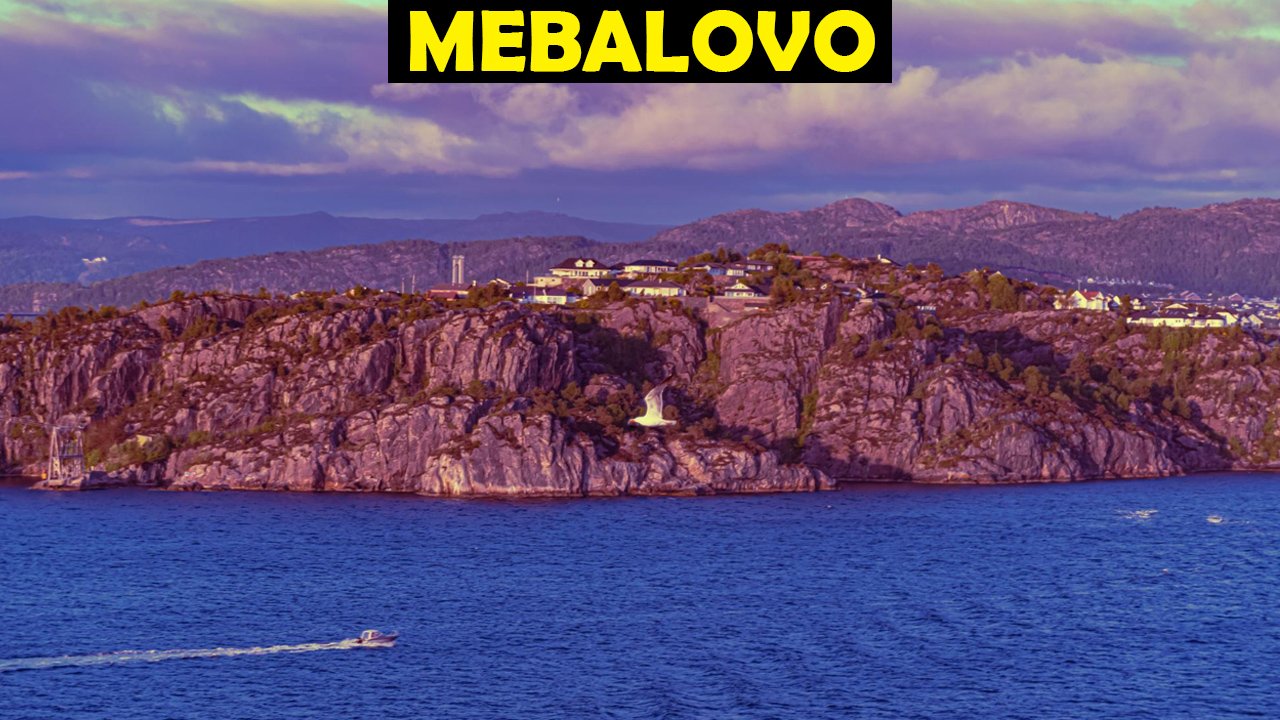
Mebalovo is described across numerous nearly identical “hidden gem” travel articles as a small, serene village along Russia’s Klyazma River, yet no established geographic reference, Russian-language gazetteer, or recognized mapping authority appears to document a settlement by this specific name in that location. This article covers what these travel-style articles claim, why the term can’t be verified through established geographic sources, and how to evaluate similarly structured unfamiliar place names.
What Do Articles About Mebalovo Actually Claim?
A substantial cluster of articles, published across sites including Tuffer Magazine, Fact News, Satya Times, tumfweko.com, yooooga.com, Harbor Winds, slothokiturbonet.com, and buzzovia.com, each describe Mebalovo as a small, picturesque village situated along Russia’s Klyazma River, framed with consistent “hidden gem” and personal travel narrative language, “a journey through my favorite hidden gem,” “the hidden heart of Russia.” Notably, a separate, entirely different cluster of articles describes “Mebalovo” instead as a trend in “digital identity and creative branding,” a completely unrelated framing that has nothing to do with a physical village at all.
This kind of fundamental inconsistency, the same term describing a specific rural village in one context and an abstract digital branding trend in another, is a considerably stronger signal of an unverified, search-optimized term than the simple documentation gaps that might exist around a genuinely obscure but real village.
Does Any Established Geographic Source Document Mebalovo?
Checking established Russian geographic references, including Russian-language Wikipedia’s extensive catalog of rural localities and settlements along Russia’s Klyazma River specifically, doesn’t surface a documented settlement matching the name “Mebalovo” in the location these travel articles describe. Russia’s Klyazma River does flow through a well-documented series of genuine towns and villages, several of which are individually cataloged in detail on Russian and English Wikipedia, meaning the absence of any comparable entry for “Mebalovo” specifically is a meaningful gap rather than simply reflecting general obscurity, since even quite small, genuinely real Russian villages typically appear in these systematic geographic catalogs.
This absence from established, systematic geographic documentation, combined with the completely unrelated “digital branding” framing found elsewhere, provides considerably stronger evidence of an unverified or fabricated place name than simple rural obscurity would produce on its own.
Why Would Content Operations Generate Travel Articles About a Fabricated Village?
Independent content operations sometimes generate speculative “hidden gem” travel content around invented or unverifiable place names specifically because this genre of content, personal, narrative-driven descriptions of an obscure, charming destination, generates genuine reader curiosity and engagement without requiring the article to reference any actual, independently verifiable location. This pattern mirrors other cases of content clusters built around plausible-sounding but ultimately unverifiable place names, where the emotional, narrative framing of the content matters more to the operation than whether the underlying destination is genuinely real.
Recognizing this pattern is useful because “hidden gem” travel framing specifically is an effective format for this kind of content, since readers expect genuinely obscure real places to have limited documentation, making the absence of verification less immediately suspicious than it would be for a claimed major city or well-known destination.
Could Mebalovo Still Be a Genuine but Simply Obscure Location?
This possibility can’t be completely ruled out in the abstract, since Russia has an enormous number of small rural settlements, and not every genuinely real, tiny village necessarily has extensive online documentation. However, the specific combination of complete absence from systematic Russian geographic catalogs that do document comparable nearby settlements, combined with an entirely unrelated “digital branding” usage of the same term elsewhere, makes this considerably less likely than an unverified or fabricated term, since genuinely obscure real villages don’t typically also appear as unrelated abstract business or branding concepts in separate content.
If Mebalovo does refer to something genuinely real and simply very obscure, that connection remains unestablished by any of the currently available secondary content describing it, and readers should treat specific location or travel claims about it with real caution.
How Can You Verify Whether an Unfamiliar Village or Small Town Is Real?
Checking established geographic reference sources directly, Russian-language Wikipedia’s detailed settlement catalogs, national mapping services, and international geographic databases like GeoNames, which aggregates official geographic data from government sources worldwide, provides considerably more reliable verification than relying on generic “hidden gem” travel articles. Searching for the specific place name alongside its claimed region or nearby river and checking whether a credible, independent geographic source confirms its existence is a reasonable practical first step for evaluating any unfamiliar village or small settlement name.
What Does This Case Teach About Evaluating “Hidden Gem” Travel Content Generally?
The Mebalovo case illustrates a genuinely useful broader lesson for evaluating “hidden gem” travel content specifically: the personal, narrative-driven tone common to this genre, “a journey through my favorite discovery,” can create a false sense of authenticity regardless of whether the underlying destination is actually real, since this storytelling style doesn’t inherently require or demonstrate genuine firsthand travel experience. Readers naturally extend some trust to first-person travel narratives, making this genre particularly effective for content that doesn’t reference a genuinely verifiable location, since the emotional framing itself does much of the persuasive work.
Developing the habit of checking a specific claimed destination against an established geographic reference source, rather than relying on how personally or convincingly a travel article is written, is a genuinely transferable skill that applies well beyond this specific case, since similarly structured “hidden gem” content built around unverifiable place names appears to be a recurring pattern.
Why Might This Specific Term Resemble a Real Russian Place Name?
Invented terms designed to resemble real place names often follow recognizable naming conventions common to genuine geography, familiar suffixes, plausible phonetic patterns associated with a specific region’s language, which makes them sound credible even to readers with reasonable general knowledge of the area being described. This structural plausibility likely makes place-name-style terms an effective format for this kind of content specifically, since a completely random, unfamiliar-sounding term would be considerably less likely to be mistaken for a genuine, simply obscure location.
What Should You Do If You Encountered This Term While Planning Travel?
If you encountered “Mebalovo” specifically while researching travel plans to the Klyazma River region of Russia, verifying the destination through established, independent travel resources or a credible, independent map service before making any booking or travel arrangement is a genuinely important precaution given the absence of verifiable geographic documentation. Established international travel guide publishers and independent mapping services provide considerably more reliable destination information than generic “hidden gem” content clusters built around an unverified place name.
How Does This Case Compare to Other Fabricated Place Names Online?
Mebalovo’s pattern, a specific, named location with narrative-driven “hidden gem” content but no corresponding entry in established geographic catalogs, closely resembles other documented cases of invented or unverifiable place names generating dedicated travel-style content clusters. This recurring structure, plausible regional details paired with an absence of any primary, checkable geographic source, is worth recognizing as a general pattern rather than treating each individual case as an isolated curiosity requiring separate investigation.
Readers who build familiarity with this pattern are better equipped to apply quick, effective skepticism the next time an unfamiliar, evocatively described destination appears in search results, checking established geographic sources before accepting a travel narrative’s implicit claim of authenticity.
Frequently Asked Questions
Is Mebalovo a real, verified village in Russia? No established Russian geographic catalog or mapping authority appears to document a settlement by this specific name, despite numerous travel articles describing it as a real village along the Klyazma River.
Why do some articles describe Mebalovo as a digital branding trend instead? This reflects a pattern where an unverified, search-friendly term gets applied across completely unrelated content categories, since a term without established meaning carries no risk of contradicting existing information anywhere.
Could Mebalovo still be a real but simply obscure village? This can’t be fully ruled out, but its absence from systematic geographic catalogs that document comparable nearby settlements, combined with an unrelated branding usage elsewhere, makes this considerably less likely.
How can I verify whether an unfamiliar Russian village is genuinely real? Check Russian-language Wikipedia’s detailed settlement catalogs, international geographic databases like GeoNames, and official Russian tourism resources rather than relying on generic travel guide articles alone entirely for genuine, lasting accuracy.
Is it safe to plan travel to a destination I can’t independently verify? No, exercise real caution. Verify any unfamiliar destination through established geographic and tourism resources before making travel arrangements, since unverified destination claims carry genuine practical and financial risk overall for travelers.
Conclusion
Mebalovo lacks documentation in established Russian geographic catalogs that do record comparable nearby settlements, and its entirely separate use as a “digital branding” term elsewhere adds further evidence that this is an unverified, search-optimized term rather than a genuinely confirmed village. Readers encountering this or similarly unverifiable place names should check established geographic references directly before treating travel or location claims as accurate.
Deliver batch 18 articles
2
Research batch 19 keywords (7 topics)
3
Write 7 articles (batch 19)
4
Verify batch 19 articles
5
Deliver batch 19 articles
Research batch 20 keywords
Write batch 20 articles
Verify batch 20 articles
Deliver batch 20 articles
Research batch 21 keywords
Write batch 21 articles
Verify batch 21 articles
Deliver batch 21 articles
Research batch 22 keywords
15
Writing batch 22 articles
16
Verify batch 22 articles
17
Deliver batch 22 articlespushwiki.mdsruffer-db.mdpinaflux.mdhrms-globex.mdbabybelletje.mdkoriandri.mdgojo-domain-expansion.mdvxlan-ccie-data-center.mdpharma-nephrology-outreach.mdhearthstats-net-news.mdblazertje.mdstatens-luftfartsvaesen.mdundergrowthgames-contributor.mdtune5801t.mdprotect-your-assets.mddebby-clarke-belichick-obituary.mdsfm-compile.mdponadiza.mdmovieda2023-com.mdthesindi-com.mdtutorials-undergarcade.mdnovafork.mdprovascin.mdpantagonar.mdbynethi-com.mdmiuzo.mdmebalovo.mdradiem.md
Connectors
Web Search


Is OnlyWorkMoods Com a Mood Tracker or a Content Site?

What Is MagzyMinutes.com and What Does the Site Offer?

Theboringmagazine com Guide to Finding Articles to Read

The Role of School Leaders in Creating Innovative, Inclusive, and Student-Centered Learning Environments

How Does TalkTalk Broadband Work and What Does It Include?

Voomixi Com Uses for Readers, Freelancers, and Startups

Who Is Jaisal Andrews? Inside the Life of Naveen Andrews’ Son

Who Is Tanja Rosner? The Untold Life Story of Tate McRae’s Mother

Who Is Saffron Le Bon? The Untold Life Story of Benjamin Compston’s Wife

Voozon.com Explained: What It Really Is Behind the “Knowledge Platform” Label

Who Is Sue Johnston? The Remarkable Life Story of Joel Palmentor’s Mother

Who Is Otelia Cox? The Remarkable Life Story of Tony Cox’s Wife
-
 Celebrity2 months ago
Who Is Jaisal Andrews? Inside the Life of Naveen Andrews’ Son
-
 Celebrity2 months ago
Who Is Tanja Rosner? The Untold Life Story of Tate McRae’s Mother
-
 Celebrity2 months ago
Who Is Saffron Le Bon? The Untold Life Story of Benjamin Compston’s Wife
-
 Software1 month ago
Voozon.com Explained: What It Really Is Behind the “Knowledge Platform” Label
-
 Celebrity2 months ago
Who Is Sue Johnston? The Remarkable Life Story of Joel Palmentor’s Mother
-
 Celebrity2 months ago
Who Is Otelia Cox? The Remarkable Life Story of Tony Cox’s Wife
-

 Celebrity2 months ago
Who Is Kerri Browitt Caviezel? The Inspiring Life Story of Jim Caviezel’s Wife
-

 News2 months ago
Money6x.com: What This Personal Finance Platform Offers