Business
What Actually Shapes Your Time Ashore on Antarctic Cruises: Ship Size, Season, and Route

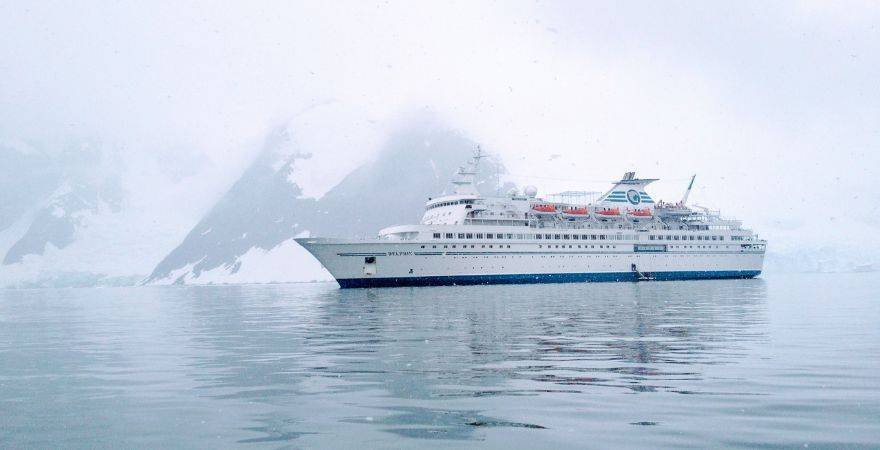
Ask a recent traveler what surprised them most about Antarctica, and they will often mention how the schedule changes with wind, ice, and landing rules. A day on the White Continent is choreographed around safety briefings, Zodiac transfers, and strict site protections. How much time you spend with gentoo penguins on Cuverville Island or zodiac cruising past humpbacks in the Gerlache Strait depends on three levers you control before you book: theship’ss capacity, the route you choose, and the month you sail. Understanding those levers helps set realistic expectations and turns a dream itinerary into a trip that matches how you actually want to explore.
- The 100 Ashore Rule and Why Smaller Ships Land More Often
Antarctica’s visitor conduct is governed by IAATO guidelines, including a cap that limits most landing sites to a maximum of 100 passengers ashore at a time. Expedition teams manage this with timed Zodiac rotations, the rigid inflatable boats that shuttle you from the ship to a beach or rocky landing. Reviewing operator materials and neutral planning resources on Antarctic cruises helps you see how that 100-ashore rule plays out on real itineraries and daily programs.
Capacity drives the math. On ships carrying roughly 100 to 200 guests, the expedition leader can often get everyone ashore or split the group into two efficient waves. Larger vessels must divide guests into more rotations, which can leave you waiting aboard while another group uses the site. Some ships carry larger Zodiac fleets and run ship-supported activities like kayaking or snowshoeing to stagger demand, but the ashore limit still governs. Ships with over 500 passengers typically cannot land at all and focus on scenic cruising, which suits some travelers but frustrates those expecting frequent hikes and colony visits.
- Route Choice: Peninsula, Weddell, or South Georgia Changes What You See
The classic Antarctic Peninsula route threads through the Gerlache Strait and into channels like Neumayer and Lemaire, where steep glaciers, brash ice, and penguin rookeries create dense highlights in a compact geography. Weddell Sea itineraries trade that familiarity for wild ice conditions. Pack ice can block or enable rare vantage points, and shore plans pivot quickly if tabular ice or katabatic winds build. Zodiac cruises among icebergs may replace a planned walk, and scenic ship cruising through narrow passages might become the day’s headline event.
Adding the Falkland Islands and South Georgia changes the expedition entirely. Expect more open ocean sailing in exchange for colossal king penguin colonies at places like Salisbury Plain and St. Andrews Bay, plus historic whaling stations and wandering albatross flyovers. You gain biodiversity and storytelling depth, but you spend extra days at sea to reach these subantarctic islands. Weather windows are longer overall, yet site-by-site rules and swell at exposed beaches still determine whether a landing is safe.
- Season Matters: November Through March Is Not the Same Antarctica
Antarctica transforms across the southern summer. In November and early December, spring snow paints ridgelines white, sea ice may linger in bays, and penguins court or incubate. Mid-season, roughly late December through January, rookeries hum with feeding adults and newly hatched chicks, and humpback sightings rise as whales filter into the Peninsula. By February and March, fledging penguins mingle on beaches, humpbacks bubble-net and breach more often, and sunset light stretches longer for photographers as nights slowly return.
These shifts affect landings. Early sailings may mean more snowshoe walking and fewer distant bays open to Zodiacs. High summer can bring wetter, muddier shorelines and lively, odorous colonies but typically more open water for cruising. Late-season voyages may offer glassier seas for whale watching and more leopard seal encounters on ice floes, yet some penguin colonies thin as birds head to sea. Choosing your month is less about “best” and more about the wildlife cycle and conditions you want to see.
- Drake Passage or Fly Cruise: Crossing Choices and Their Trade-Offs
Sailing the Drake Passage gives you two full days at sea each way between Ushuaia and the Peninsula. Swells can be gentle or steep, and both forecasts and stabilizers matter. If you sail, choose a low cabin near the ship’s center to reduce motion, and plan your first day for briefings and biosecurity checks so you can land immediately on arrival. The upside to sailing is flexibility: if weather closes one channel, your captain can reposition overnight to another.
Fly cruise programs use charter flights between Punta Arenas and King George Island to bypass the Drake. You step aboard near the South Shetland Islands and start exploring sooner. The trade-off is weather risk at both ends: low cloud, crosswinds, or runway conditions can delay flights and compress your first or last day. Charter aircraft also have tighter luggage allowances than commercial flights, which affects camera kits and cold-weather layers. Build cushion days into your schedule, and pack essentials like medications and optics in carry-on.
Daily Logistics That Shape Your Experience: Zodiacs, Gear, and Biosecurity
Every landing starts in the mudroom, where you stage waterproof pants, expedition parkas, and knee-high rubber boots for wet landings. Crew sanitizes boot soles before boarding Zodiacs, and staff helps you step into the surf or onto slick rock. A dry bag protects cameras from spray as you motor past bergy bits, and a neck gaiter plus glove liners keep wind off exposed skin during long cruises. On shore, marked “penguin highways” and flagged routes protect nesting areas while guides manage time to ensure everyone rotates between viewpoints safely.
Small details make or break a landing. Skipping biosecurity- like vacuuming Velcro off backpacks or brushing mud from boot treads- risks introducing seeds or pathogens between sites, and expedition staff will send you back to clean. Dressing too lightly in katabatic gusts shortens your stamina on a ridge walk, just as overdressing can overheat you on a long climb to a lookout. Bring spare glove liners, anti-fog for your lenses, and a second memory card so a sudden whale breach during a Zodiac cruise through Andvord Bay doesn’t turn into a missed shot. After each outing, fully dry your boots and gloves so you’re ready for an afternoon landing or a twilight cruise.
Putting it all together, your most meaningful Antarctica comes from matching expectations to realities shaped by rules, distance, and climate. If frequent shore time is your top priority, choose an expedition ship that keeps total guests low enough to rotate efficiently, and pick a Peninsula itinerary in the season you prefer. If you want epic colonies and broader natural history, commit to routes that include South Georgia and accept more sea days. Whether you sail the Drake or fly to King George Island, build buffers for weather, respect the 100-ashore limit, and plan for flexibility. Antarctica rewards travelers who plan for variables and embrace the day the ice gives them.


What Is MagzyMinutes.com and What Does the Site Offer?

Theboringmagazine com Guide to Finding Articles to Read

The Role of School Leaders in Creating Innovative, Inclusive, and Student-Centered Learning Environments

How Does TalkTalk Broadband Work and What Does It Include?

Voomixi Com Uses for Readers, Freelancers, and Startups

USB C Adapter vs. USB Hub: Features, Benefits, and Uses

Who Is Jaisal Andrews? Inside the Life of Naveen Andrews’ Son

Who Is Tanja Rosner? The Untold Life Story of Tate McRae’s Mother

Who Is Saffron Le Bon? The Untold Life Story of Benjamin Compston’s Wife

Voozon.com Explained: What It Really Is Behind the “Knowledge Platform” Label

Who Is Sue Johnston? The Remarkable Life Story of Joel Palmentor’s Mother

Who Is Kerri Browitt Caviezel? The Inspiring Life Story of Jim Caviezel’s Wife
-
 Celebrity2 months ago
Who Is Jaisal Andrews? Inside the Life of Naveen Andrews’ Son
-
 Celebrity2 months ago
Who Is Tanja Rosner? The Untold Life Story of Tate McRae’s Mother
-
 Celebrity2 months ago
Who Is Saffron Le Bon? The Untold Life Story of Benjamin Compston’s Wife
-
 Software1 month ago
Voozon.com Explained: What It Really Is Behind the “Knowledge Platform” Label
-
 Celebrity2 months ago
Who Is Sue Johnston? The Remarkable Life Story of Joel Palmentor’s Mother
-
 Celebrity2 months ago
Who Is Kerri Browitt Caviezel? The Inspiring Life Story of Jim Caviezel’s Wife
-

 Celebrity2 months ago
Who Is Otelia Cox? The Remarkable Life Story of Tony Cox’s Wife
-

 News2 months ago
Money6x.com: What This Personal Finance Platform Offers