Business
What That Gurgling Drain Is Telling You: A Homeowner’s Guide to Diagnosing Clogs Before They Escalate

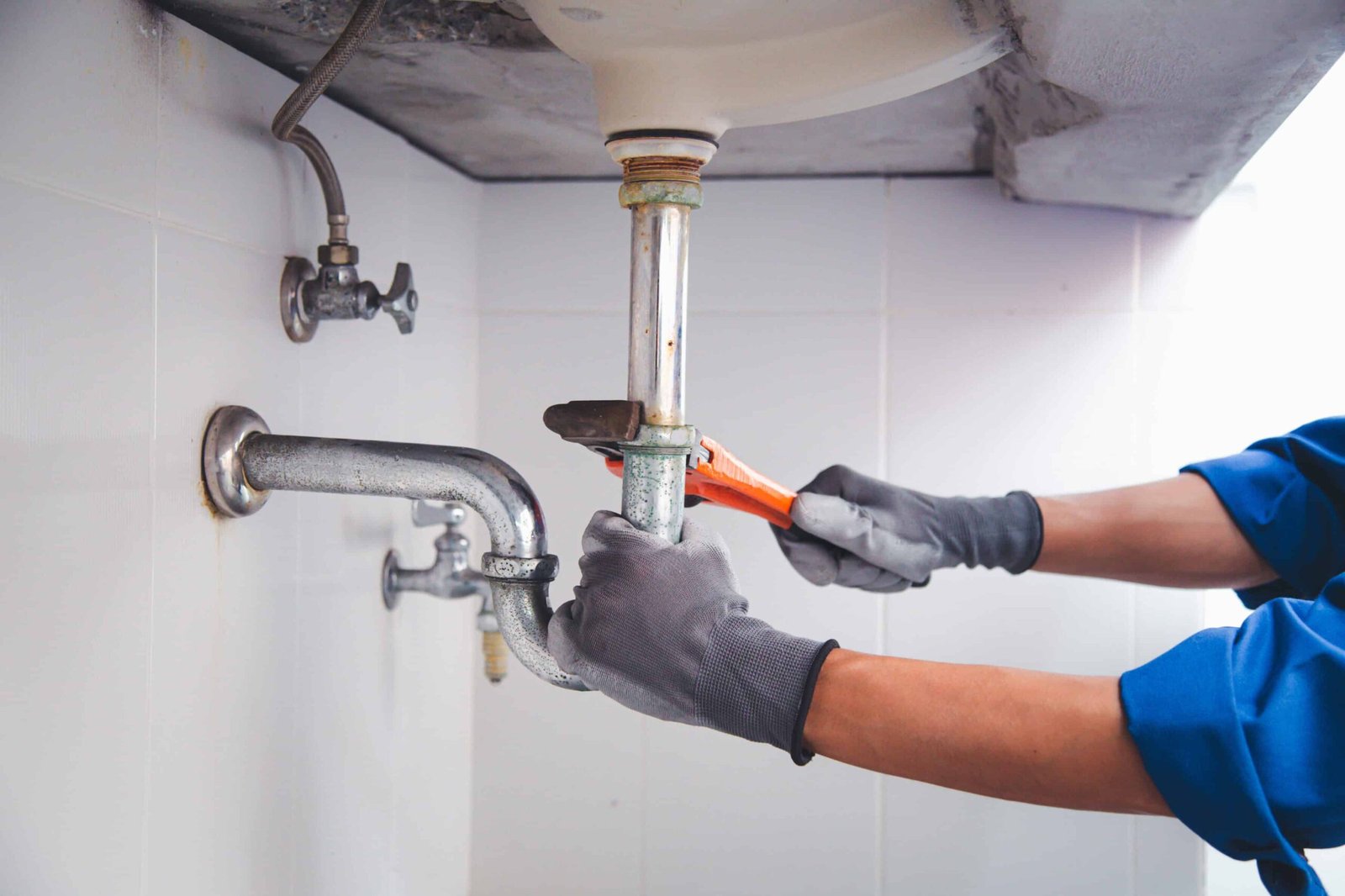
Drains often telegraph trouble before a full blockage hits. A faint gurgle after a flush, a kitchen sink that clears but leaves a ring of residue, or a basement floor drain that burps after rain are all signals worth reading. Misreading those signs can push a minor hair plug or grease ring into a mainline backup. This guide explains how to tell a single fixture clog from a sewer issue, what typically causes each, how professionals track down blockages with cleanouts, cameras, and the right cable or jet, and which situations call for immediate action. The aim is simple: respond early, avoid damage, and reduce repeat clogs.
- Patterns That Point to a Mainline Problem vs. a Fixture Clog
Clues cluster. If only one drain is slow, think local: a bathroom sink P-trap packed with toothpaste sludge and hair, or a shower drain matted with soap scum. If several fixtures on the same branch act up together, think bigger. Toilet flushes that make a tub gurgle, laundry cycles that burp a nearby sink, or a basement floor drain wet with sewage point to a main sewer restriction. A quick test helps: run water at the farthest fixture and watch the lowest one, often a floor drain. If that drain rises or bubbles, you likely have a partial blockage in the main sewer line or a venting issue at the stack.
Homeowners searching for terms like drain cleaning service in Audubon often face these cross-fixture symptoms. One common scenario is an upstairs bathroom that gurgles every time the washing machine drains. That usually means the branch line or vent is partially obstructed, so displaced air is hunting for another path through a nearby trap. Another example is a kitchen sink that slows after holiday cooking and starts clearing with a plunger but clogs again in a day, a pattern that points toward a widening grease ring farther down the line.
- Likely Culprits: From Grease and Scale to Tree Roots and Bellies
Kitchen lines typically choke on FOG: fats, oils, and grease that cool and harden, trapping coffee grounds and starches around elbows and the pipe wall. Bathroom branches collect hair and soap scum, especially at the cross tee or where the trap meets the waste arm. Older cast iron can develop heavy scale that snags wipes and dental floss, creating a rope-like blockage that a minor surge can compact. In the yard, clay or Orangeburg sewer laterals invite root intrusion at joints. Settling can produce a belly, a low spot where water and solids slow and deposit. These conditions often coexist, so a single cleaning method may not eliminate the underlying cause.
- How Pros Trace Blockages: Cleanouts, Cameras, and the Right Tool for the Pipe
Pros start with access. An exterior or basement cleanout near the foundation lets a technician run a sewer machine or hydro jet in the correct direction, clearing toward the street, not back into the home. For fixture clogs, a hand auger or a closet auger through the toilet can cut hair and soft blockages at the trap or bend. For recurring issues, a video camera inspection threaded through the cleanout maps the inside of the pipe, revealing scale, a shifted coupling, or roots at a specific distance. Paired with a locator, the camera helps mark the exact point for spot repair. Tool choice matters: a cable with a cutting head can pierce roots, but it may leave grease slicks behind; a hydro jet scours grease and scale with high-pressure water, but it requires solid pipe and reliable access. On brittle Orangeburg or thin-walled pipe, aggressive jetting can be risky, so technicians adjust pressure or use gentler nozzles. The tradeoff is clear: snaking is quick and restores flow, while jetting cleans more thoroughly but needs the right conditions.
- When to Act Now: Scenarios That Require Immediate Attention
Some signs do not wait. Sewage at a basement floor drain, gray water backing into a tub after a toilet flush, or wastewater seeping around the base of a toilet indicate a mainline restriction that can escalate to flooding. After a storm, if the floor drain overflows and the cleanout cap outside is damp or leaking, the line may be surcharged or obstructed at the lateral. Skip chemical drain openers in these moments. Caustic products can generate heat that warps PVC, weaken old metal traps, and endanger anyone who later runs a cable. Repeatedly plunging a toilet can also unseat a wax ring, creating a hidden leak around the flange. Close affected fixtures, avoid laundry and dishwashing, and seek prompt professional clearing through a cleanout.
Prevention That Works: Vents, Strainers, and Smarter Use of Disposals
Small habits reduce big clogs. Use mesh strainers in showers to catch hair, and clean P-trap slip joints when you notice sulfur odors or slow drainage. On kitchen sinks, run cold water while using the disposal and keep fibrous scraps like celery, corn husks, and onion skins out of the unit. Never pour bacon grease or fryer oil down the drain; let it solidify and throw it in the trash. Add a lint filter to the washing machine standpipe hose to keep fibers from building up in horizontal runs. Keep the roof vent clear of leaves and nests so air can move freely, which keeps traps sealed and drains flowing. For homes with a history of grease buildup or roots, consider periodic maintenance, such as enzyme based cleaners that feed beneficial bacteria or scheduled hydro jetting when the line material and condition allow. A follow-up camera inspection after a major clearing verifies the pipe is clean and helps catch early signs of bellies or root regrowth, preventing the same clog from returning.
Recognizing drain patterns saves time and damage. Single-fixture slowdowns usually live in the trap or branch and respond to localized clearing, while cross-fixture gurgling, floor-drain backups, and sewage at low points point to a mainline problem. Grease, hair, scale, roots, and bellies cause different symptoms and respond to different tools, from augers and cutting heads to hydro jet nozzles and cameras. Avoid caustic quick fixes that can harm piping and complicate professional work. Instead, address urgent signs fast, use strainers and smarter disposal habits, and confirm lasting results with proper access and inspection. The sooner you decode what your drains are saying, the easier they are to keep quiet.


Who Is Imani Cheadle? The Amazing Life Story of Don Cheadle’s Daughter

What Models Does ImagineArt Actually Run?

BadSeed Tech Carpio Explained: What This Collab Actually Is

Metronidasool Fact-Checked: The Medication Behind This Spelling

Who Is Nicole Saphier? The Amazing Life Story of Dr Paul Saphier’s Wife

Who Is Alisa Earle? The Amazing Life Story of Alix Earle’s Mother

Who Is Jaisal Andrews? Inside the Life of Naveen Andrews’ Son

Who Is Saffron Le Bon? The Untold Life Story of Benjamin Compston’s Wife

Who Is Tanja Rosner? The Untold Life Story of Tate McRae’s Mother

Voozon.com Explained: What It Really Is Behind the “Knowledge Platform” Label

Who Is Sue Johnston? The Remarkable Life Story of Joel Palmentor’s Mother

Who Is Kerri Browitt Caviezel? The Inspiring Life Story of Jim Caviezel’s Wife
-
 Celebrity2 months ago
Who Is Jaisal Andrews? Inside the Life of Naveen Andrews’ Son
-
 Celebrity2 months ago
Who Is Saffron Le Bon? The Untold Life Story of Benjamin Compston’s Wife
-
 Celebrity2 months ago
Who Is Tanja Rosner? The Untold Life Story of Tate McRae’s Mother
-
 Software4 weeks ago
Voozon.com Explained: What It Really Is Behind the “Knowledge Platform” Label
-
 Celebrity2 months ago
Who Is Sue Johnston? The Remarkable Life Story of Joel Palmentor’s Mother
-
 Celebrity2 months ago
Who Is Kerri Browitt Caviezel? The Inspiring Life Story of Jim Caviezel’s Wife
-

 Celebrity2 months ago
Who Is Otelia Cox? The Remarkable Life Story of Tony Cox’s Wife
-

 Software4 weeks ago
Bynethi Com Explained: What to Verify Before Trusting This Site