Lifestyle
Why Airflow, Not Just HVAC Size, Determines Home Comfort

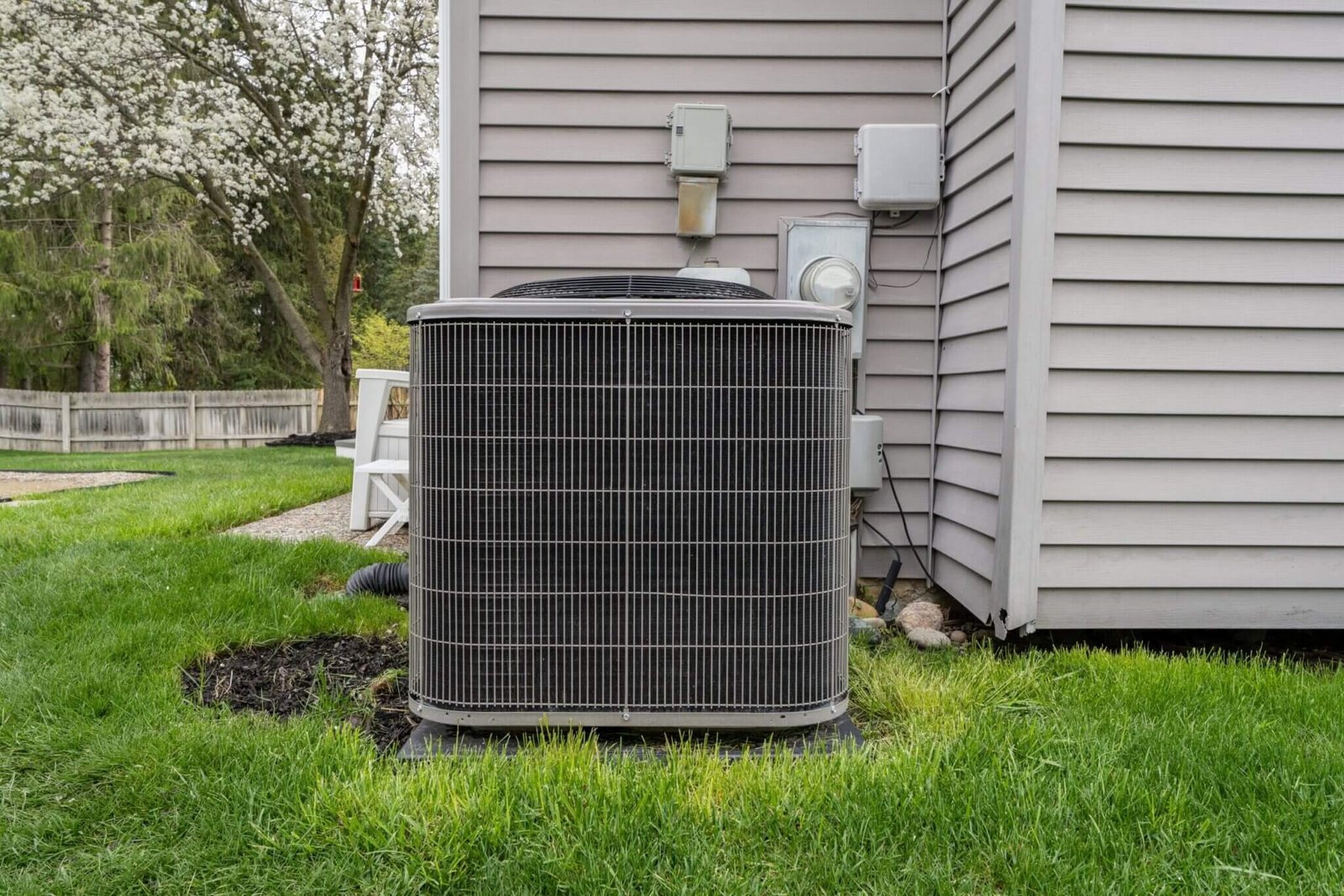
When a home never quite feels comfortable, many people assume the equipment is undersized. In reality, airflow is often the quiet culprit. The path air takes through the filter, blower, evaporator coil, supply trunk, branch runs, and return grilles shapes temperature, humidity, and noise. High resistance in any of those parts raises static pressure, starves rooms of conditioned air, and can even damage components. Understanding how ducts and devices work together gives homeowners a practical way to discuss fixes that go beyond guessing at bigger equipment.
- Static Pressure: The Pulse of Your HVAC System
External static pressure describes how hard the blower must push and pull air through the cabinet, filter, coil, and ducts. Technicians use a manometer at factory test ports or drilled access points to measure it in inches of water column. Professionals, including teams like Evans Heating & Cooling, read these numbers to see whether airflow is near design intent. If static pressure is too high, the blower moves fewer cubic feet per minute, which can cause coils to frost in cooling mode and overheat in heating mode.
Tell-tale signs of high static pressure include whistling return grilles, rattling supply registers, rooms that feel stuffy despite long runtime, and frequent short cycling. A furnace may trip its high limit switch, while an air conditioner can develop an icy evaporator coil and a sluggish condensate drain. Another common clue is a lower-than-expected temperature change across the coil or heat exchanger.. Measuring pressure across the filter and coil helps pinpoint which component is creating the most resistance.
- Ductwork Shape, Length, and Leaks: How Air Gets Lost
Ducts don’t just carry air; they create friction. Sharp elbows, long runs of compressed flex duct, and tight radius takeoffs all add resistance. An undersized return plenum or too few return grilles make the blower work hard just to breathe. On the supply side, small branch runs feeding distant rooms can arrive with very little pressure left, especially after multiple elbows and tees. Even well-sized equipment struggles when the duct path is a maze of bottlenecks.
Leaks change the math entirely. A return leak in an attic can pull in hot, dusty air, raising indoor humidity and clogging filters faster. Supply leaks in a crawlspace may cool the underside of the home while rooms upstairs suffer from starvation. Simple fixes like sealing joints with mastic, supporting flex duct to avoid kinks, and adding a lined return drop can dramatically improve delivered airflow without touching the equipment.
- Filters, Coils, and Grilles: Resistance You Can Control
Filtration comes with a trade-off. A high MERV 1-inch pleated filter can capture fine particles but often chokes airflow in systems with marginal returns. A better approach is to increase surface area with a deeper media cabinet or use multiple return grilles with appropriately sized filters. As resistance rises, external static pressure climbs, blower output falls, and the system can ice or overheat. One common scenario is a springtime filter upgrade that unintentionally creates warm second floors and noisy returns by July.
Coil and blower cleanliness matter as much as filters. Adust-matted evaporatorr coil resists airflow and sheds water poorly, while a dirty blower wheel loses efficiency. Furniture pressed against a return grille, a rug covering a floor return, or decorative grilles with tiny louvers all constrict breathing. Keep at least a few inches of clearance around grilles, keep supply registers clean, and ensure the condensate drain stays clear so the system maintains both airflow and moisture removal.
- Room by Room Realities: Balancing Without Hurting the System
Balancing is about distributing available airflow wisely, not forcing it by blocking vents. Manual balancing dampers near the trunk let you shave a little airflow from overserved rooms to help distant spaces. Door undercuts or transfer grilles help returns pull air from closed rooms, which can otherwise become pressure islands. Over-garage bonus rooms often need special attention because of long duct runs and different heat gain; sometimes a dedicated return or added insulation is the only honest fix.
A common mistake is closing supply registers to “push air somewhere else.” That move raises supply static pressure, often makes the system louder, and can cause coils to freeze or furnaces to overheat. If a room is too cool, ask a pro to adjust balancing dampers at the trunk rather than slamming a register shut. In some cases, boosting airflow to a distant run or upsizing a return path solves comfort problems without compromising the entire system.
What to Ask During Your Next HVAC Visit
Airflow is verifiable. Ask your technician to record external static pressure, temperature change across the coil or heat exchanger, and the current blower speed or ECM profile. Request pressure readings across the filter and evaporator coil to see where the biggest drop lies. Discuss whether a deeper media filter cabinet, an added return, or sealing key duct joints would reduce resistance. If cooling performance is in question, confirm airflow is corrected before evaluating refrigerant charge, since charge targets assume proper CFM.
You can also ask for a quick survey of supply and return locations, door undercuts, and any crushed flex runs. In homes with persistent hot or cold rooms, a focused duct modification often beats upsizing equipment that will short cycle. Between visits, change filters on schedule, keep two feet of clearance around the outdoor condenser for coil breathing, and check that the condensate drain is flowing freely during cooling season.
Comfort is rarely about brute force. It is about moving the right amount of air through components that do not get in the way. When filters, coils, duct paths, and registers are sized and maintained to keep static pressure in check, rooms even out, humidity control improves, and equipment stress falls. If you start with airflow questions and small duct fixes before considering bigger hardware, your home is more likely to feel right in every season without creating new problems somewhere else.


Who Is Imani Cheadle? The Amazing Life Story of Don Cheadle’s Daughter

What Models Does ImagineArt Actually Run?

BadSeed Tech Carpio Explained: What This Collab Actually Is

Metronidasool Fact-Checked: The Medication Behind This Spelling

Who Is Nicole Saphier? The Amazing Life Story of Dr Paul Saphier’s Wife

Who Is Alisa Earle? The Amazing Life Story of Alix Earle’s Mother

Who Is Jaisal Andrews? Inside the Life of Naveen Andrews’ Son

Who Is Saffron Le Bon? The Untold Life Story of Benjamin Compston’s Wife

Who Is Tanja Rosner? The Untold Life Story of Tate McRae’s Mother

Voozon.com Explained: What It Really Is Behind the “Knowledge Platform” Label

Who Is Sue Johnston? The Remarkable Life Story of Joel Palmentor’s Mother

Who Is Kerri Browitt Caviezel? The Inspiring Life Story of Jim Caviezel’s Wife
-
 Celebrity2 months ago
Who Is Jaisal Andrews? Inside the Life of Naveen Andrews’ Son
-
 Celebrity2 months ago
Who Is Saffron Le Bon? The Untold Life Story of Benjamin Compston’s Wife
-
 Celebrity2 months ago
Who Is Tanja Rosner? The Untold Life Story of Tate McRae’s Mother
-
 Software4 weeks ago
Voozon.com Explained: What It Really Is Behind the “Knowledge Platform” Label
-
 Celebrity2 months ago
Who Is Sue Johnston? The Remarkable Life Story of Joel Palmentor’s Mother
-
 Celebrity2 months ago
Who Is Kerri Browitt Caviezel? The Inspiring Life Story of Jim Caviezel’s Wife
-

 Celebrity2 months ago
Who Is Otelia Cox? The Remarkable Life Story of Tony Cox’s Wife
-

 Software4 weeks ago
Bynethi Com Explained: What to Verify Before Trusting This Site