Technology
Visual Effects Transforming Film and Television Production

Modern-day movies and television shows can take their audience to other planets, revive dead civilizations, and even bring science-fiction creatures to life. Such visual effects (VFX) can appear to be both astonishing and unimaginable; nevertheless, they are often the result of recent technological progress that is incorporated into modern television and filmmaking.
This, in turn, gives production companies and executives greater flexibility and opportunities. Notably, VFX is progressively integrated into the production process, offering new possibilities and avenues for managers and stakeholders. As a result, the importance and influence of VFX experts in the film-making and television production sectors are growing.
1. Hardware Planning Prevents Performance Bottlenecks
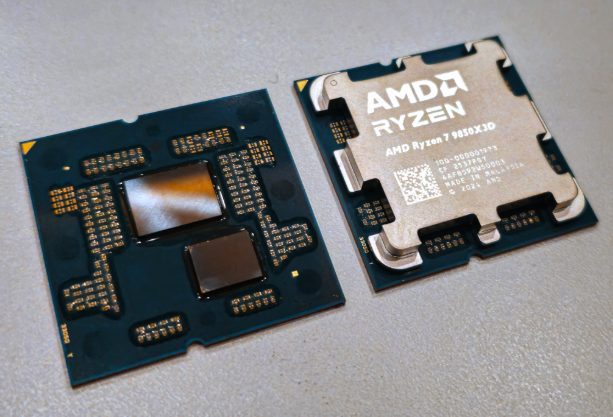
The process of creating visual effects is entirely dependent on a computer’s hardware. Artists who specialize in the creation of visual effects often deal with complex 3D models, simulations, and large numbers of images and video files that involve large-scale data processing. Therefore, insufficient computer power and memory will result in poor-quality outcomes and the artist having to put in extra hours fixing small errors.
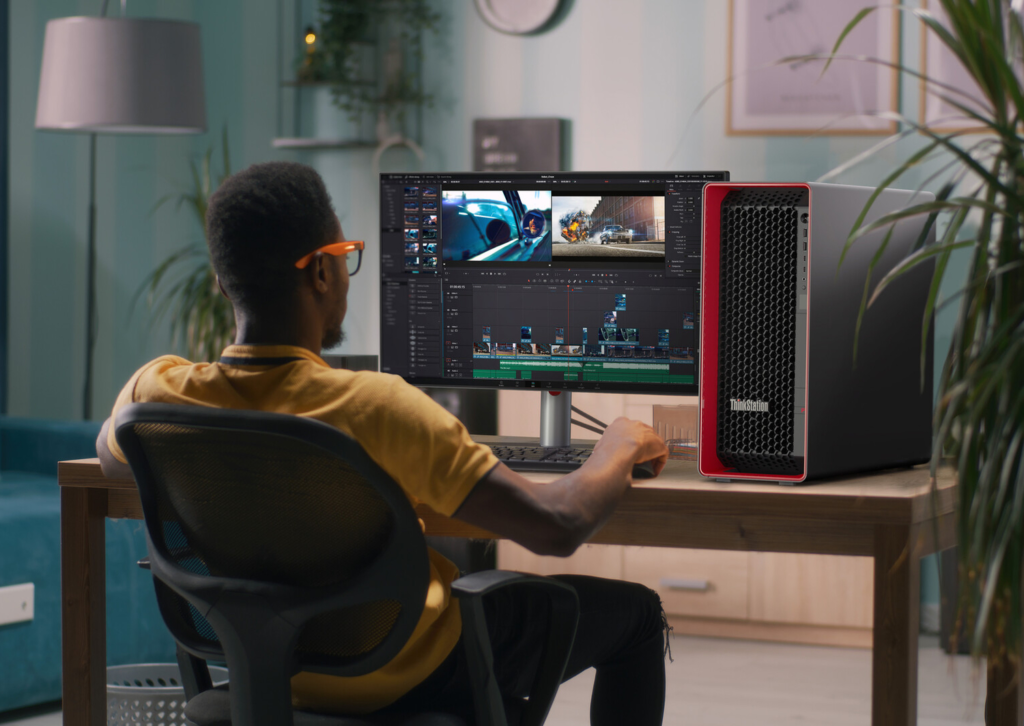
Choosing the right workstation builds the workflow efficiency of creative teams. Here, the Foundry Nuke AMD Ryzen workstation could be a perfect solution to compose the necessary composites, polish the images, and achieve other visual effects.
2. Digital Worlds Expand Creative Possibilities
The traditional approach to filmmaking presumes the creation of a set and the use of available resources. However, the results that such methods yield are usually insufficient for modern filmmaking due to the required level of detail being too high. VFX enables creating the needed visions without having to rely on the limitations of the real world as much.
In addition, using such methods puts more power in the hands of the director, enabling them to shape the film’s image better. Overall, it creates many more opportunities for a movie to captivate the audience through the offered visuals.
3. Virtual Production Changes the Way Scenes Are Filmed
Virtual production allows filmmakers to use computer graphics in the creation of the image. Instead of a green screen, an LED panel shows computer-generated imagery around the actors. The result is more realistic than a traditional green screen, as well as more responsive to the camera, which does not always remember where it should be located in relation to the image.
In addition, real-time game engines can render complex scenes in the production pipeline, saving time and effort in post-production and identifying errors in the design before they become expensive problems. Nevertheless, virtual production requires the interaction of many elements: video artists, photographers, lighting designers, and other experts.
4. Better Planning Reduces Production Risks
Sometimes scenes involving complex visual effects need to be carefully planned ahead of time, even before filming begins. Using previs, teams can accomplish rough results or at least see how to approach the shooting of the scene. The process involves using digital imagery to form some sort of preview of the planned event beforehand and can include such things as camera angles, character movement, action, and so on.
Besides replacing many dangerous practical effects, VFX can also be used to enhance or add spectacle to many otherwise ordinary scenes. Explosions, collapsing structures, and other hazards to both cast and crew can be rendered digitally and added to shots with little or no risk to anyone involved.
5. Faster Storage Keeps Work Moving
Visual effects projects create a vast amount of data. High-resolution video, three-dimensional assets, simulation objects, and rendered videos occupy gigabytes and gigabytes of storage. Inaccessible data slows down artists who cannot quickly access the necessary resources. It also blocks the production team since they have to wait for the needed files to appear and slows down the overall production.
For demanding lighting and rendering tasks, a Foundry Katana AMD Ryzen workstation can support artists working with complex 3D scenes and detailed lighting setups. When combined with suitable storage and network infrastructure, the right workstation helps studios manage demanding projects more effectively.
6. AI and Hybrid Workflows Improve Flexibility
Artificial intelligence has revolutionized the way visual effects are made. From rotoscoping, object and person erasing, background and image enhancement, and other numerous time-consuming tasks, there are a variety of AI programs that can perform them for you, as long as their results are manually reviewed by an experienced designer or artist.
However, it is crucial to note that AI algorithms may miss certain details during the process, and the final images need to be properly edited and adjusted to maintain the correct lighting, movement, design, and overall visual consistency. Furthermore, companies utilizing such programs need to ensure that their employees do not infringe on anyone’s privacy or copyright with the materials they use for the design.
Building a More Efficient Future for Production
Visual effects have become an essential element of contemporary cinematography, which is evident in their presence during the pre-production stages and involvement in post-production activities.
As the demands of production keep growing, those who invest in the right tools and techniques will be best positioned to embrace the evolving needs of the market. The resources provided by Cloud Ninjas can help studio leaders identify workstation solutions that are the best fit for their intensive production pipelines. At the end of the day, the creation of VFX is a process that always requires the marriage of technology and talent to achieve truly compelling results.


Who Is Sol Xochitl? The Inspiring Life Story of Exodus Tyson’s Mother

Who Is Sherry Aon? The Untold Story Behind Rick Gonzalez’s Wife

Who Is Krista Visentin? A Closer Look at the Amazing Life of David Visentin’s Wife

How to Prepare Your Travel Declaration Before Visiting Another Country

Who Is Aliza Barber? The Remarkable Life of Lance Barber’s Wife

Who Is Korina Harrison? The Truth Behind Corey Harrison’s Ex-Wife

Who Is Tanja Rosner? The Untold Life Story of Tate McRae’s Mother

Who Is Jaisal Andrews? Inside the Life of Naveen Andrews’ Son

Who Is Saffron Le Bon? The Untold Life Story of Benjamin Compston’s Wife

What Is OpenSkyNews and Who Are Its Two Co-Founders?

Who Is Kerri Browitt Caviezel? The Inspiring Life Story of Jim Caviezel’s Wife

Who Is Otelia Cox? The Remarkable Life Story of Tony Cox’s Wife
-
 Celebrity3 months ago
Who Is Tanja Rosner? The Untold Life Story of Tate McRae’s Mother
-
 Celebrity3 months ago
Who Is Jaisal Andrews? Inside the Life of Naveen Andrews’ Son
-
 Celebrity3 months ago
Who Is Saffron Le Bon? The Untold Life Story of Benjamin Compston’s Wife
-
 Entertainment2 months ago
What Is OpenSkyNews and Who Are Its Two Co-Founders?
-
 Celebrity3 months ago
Who Is Kerri Browitt Caviezel? The Inspiring Life Story of Jim Caviezel’s Wife
-
 Celebrity3 months ago
Who Is Otelia Cox? The Remarkable Life Story of Tony Cox’s Wife
-

 Celebrity3 months ago
Who Is Sue Johnston? The Remarkable Life Story of Joel Palmentor’s Mother
-

 Software2 months ago
Voozon.com Explained: What It Really Is Behind the “Knowledge Platform” Label