Business
Furnace or Heat Pump for Sacramento Homes: A Practical Decision Before Winter

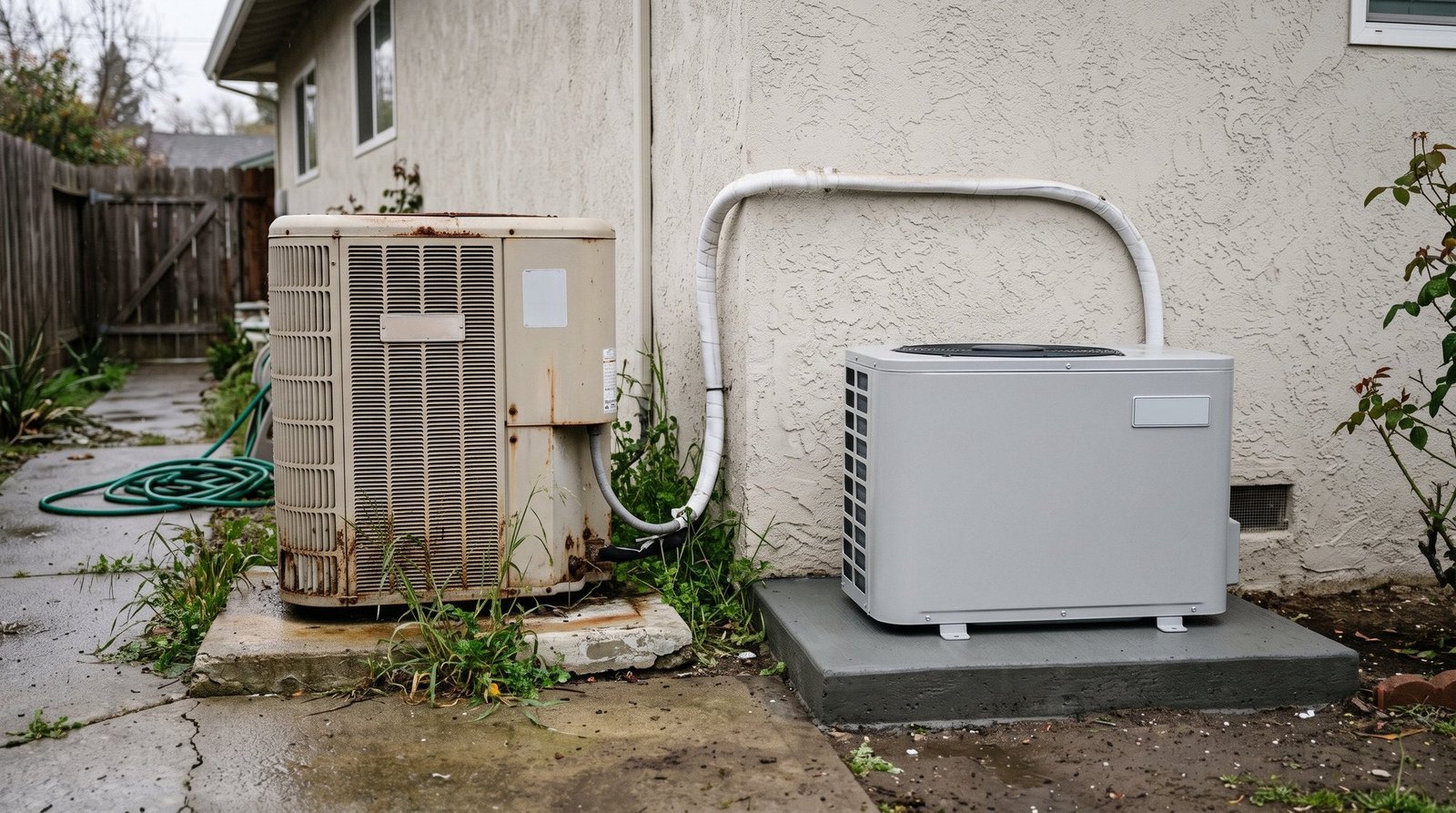
Cool mornings arrive quickly in the Central Valley, even if the season is short. Choosing how to heat a home in a region with mild winters and long, hot summers is not as simple as picking whatever is on sale. The right decision balances envelope upgrades, duct performance, and equipment characteristics against local weather and utility rates. This article outlines a clear framework to decide between a gas furnace, a heat pump, or a dual-fuel setup, while keeping summer air conditioning in view. Along the way, it covers sizing, staging, controls, and the maintenance tasks that keep systems efficient and safe through cooler months.
- Start with the Load: Ducts, Insulation, and Sizing
Before comparing equipment, determine how much heat the house actually needs. A Manual J calculation captures heat loss and gain for each room, then informs duct sizing and equipment capacity. In practice, duct leakage, insufficient attic insulation, and low return air capacity often inflate the perceived load. Sealing supply and return joints, improving attic insulation, and verifying static pressure can reduce required tonnage or BTU output. That matters because oversized furnaces cycle on and off too frequently and deliver blasts of hot air into rooms, while oversized heat pumps may operate inefficiently and struggle with temperature control. Lowering the load first typically buys comfort, quieter operation, and smaller utility swings all season.
Older roofs and attics in Sacramento, CA frequently conceal duct runs that leak into unconditioned spaces. Even modest sealing and insulation upgrades can swing the decision toward a properly sized heat pump, since a reduced heat loss improves cold weather capacity. If you do choose a furnace, better ducts still matter: adequate return paths and a clean filter reduce strain on ECM blower motors and help maintain even supply temperatures to the outer rooms. Skipping this step leaves any new system fighting the same bottlenecks as the old one.
- How Sacramento Weather Affects Furnace and Heat Pump Efficiency
Mild winter days with occasional cold snaps shape how heaters behave. A gas furnace’s AFUE rating stays consistent regardless of outdoor temperature, while a heat pump’s efficiency varies with ambient conditions. As temperatures dip, a heat pump’s coefficient of performance falls, and the system may defrost more often on foggy mornings when moisture ices the outdoor coil. That said, modern units with HSPF2 and SEER2 ratings optimized for operation at partial capacity can heat efficiently during most Sacramento winter hours. If there are a few colder nights, auxiliary heat strips or a dual fuel control strategy can bridge the gap without oversizing equipment.
Fuel and electricity prices influence the point where operating costs become equal. When gas rates rise relative to electricity, a heat pump running at partial capacity can be economical for most hours, reserving furnace or strip heat for the rare cold spike. If electricity is costly or the home lacks adequate electrical capacity, a furnace with high efficiency can be simpler. A dual fuel system blends both: the heat pump handles moderate weather, and the gas furnace takes over below a set outdoor lockout temperature. The tradeoff is complexity and higher upfront cost for controls and components.
- Equipment Differences: Single Stage, Two Stage, and Variable Speed
How a system modulates matters as much as total capacity. Single-stage furnaces and heat pumps run at full capacity or not at all, which can cause temperature swings and frequent cycling after a project that reduces heating and cooling demand. Two-stage units step down to a lower capacity most of the time, extending run times for quieter, more even heat. Variable speed options use an inverter compressor and ECM blower to match output closely to demand. The result is gentler supply temperatures, better filtration from longer air movement, and fewer comfort complaints in rooms far from the air handler.
Those gains come with trade-offs. Variable speed systems cost more and require careful setup, including correct refrigerant charge, verified airflow, and accurate thermostat configuration. If duct static pressure is high, even the most advanced inverter will encounter airflow limits and lose efficiency. A properly sized, two-stage furnace or heat pump coupled with a well-sealed duct system can outperform an improperly installed variable-speed system. Ask the installer to document external static pressure, fan tables, and commissioning data rather than relying on nameplate ratings alone.
- Controls and Integration: Thermostats, Auxiliary Heat, and Air Quality
Controls tie the strategy together. For heat pumps, set an outdoor lockout temperature for electric strips or dual fuel changeover so auxiliary heat engages only when justified. Without it, a thermostat can call for emergency heat too soon, increasing bills. Smart thermostats can stage capacity, adjust fan speeds, and schedule setbacks that do not trigger resistance heat. On gas furnaces, proper fan delays after shutdown recover heat from the exchanger and reduce short, hot bursts at the vents. In either case, correct wiring for the reversing valve, defrost board, and staging signals is more than a detail because it protects comfort and parts.
Air quality choices also intersect with system performance. High MERV filters capture fine particles during smoky days, but they raise static pressure if the return area is undersized or the filter is too restrictive. That can reduce airflow, frost a heatpump’ss indoor coil during cooling operation, or overheat a furnace. A practical approach is to increase filter area with a media cabinet, verify pressure drop, and add ventilation or a bypass filter if needed. UV lamps and electronic cleaners are optional; a well-sealed envelope, balanced ventilation, and consistent filtration usually deliver the biggest gains in everyday performance.
Mistakes to Avoid and Two Realistic Upgrade Paths
A common pitfall is swapping only the outdoor AC condenser and leaving an old indoor coil or air handler. Mismatched components can sabotage both heating and cooling performance, leading to low refrigerant velocity, poor oil return, and icing in transitional seasons. Another error is oversizing a furnace to heat faster, which causes frequent cycling and stresses the heat exchanger and igniter. Watch for maintenance blind spots too: a dirty flame sensor, clogged condensate trap, or fouled outdoor coil can appear to indicate bigger problems, especially when the first cold front hits.
Consider two scenarios. In a 1960s ranch with attic ducts and a serviceable gas line, sealing ducts and adding insulation might reduce the load enough to install a smaller, two-stage furnace with a properly sized condenser with a high SEER2 rating for summer. Comfort improves without rewiring the panel. In a townhome with limited gas access and a tight envelope, a variable speed heat pump sized to the cooling load provides steady winter heat and excellent summer modulation, with auxiliary strips reserved for rare cold mornings. Both paths work because they start by fixing the load and ducts, then match equipment and controls to the actual conditions.
Choosing between a furnace, a heat pump, or dual fuel in a mild winter market is not a binary call. It is a sequence: measure the load, fix the ducts, and select equipment with the appropriate capacity. Then, specify staging and controls that fit local weather and utility realities. Finally, keep it tuned. In cooler months, change filters regularly, clear leaves from the outdoor unit, verify condensate drainage, and schedule a check that inspects refrigerant charge, defrost operation, flame sensing, and heat exchanger integrity. With those steps, the heater you pick will work with your home and climate, not against them.


Who Is Theodora Holmes? The Amazing Life Story of Troy Polamalu’s Wife

No Refunds, Thirty Days for Exchanges: The Fine Print

The Rugby Sweatshirt at CA$179: What the Top of the Range Buys

Who Is Joshua Springthorpe? Inside the Quiet Life of Rick Springfield’s Son

Who Is Sol Xochitl? The Inspiring Life Story of Exodus Tyson’s Mother

Who Is Sherry Aon? The Untold Story Behind Rick Gonzalez’s Wife

Who Is Tanja Rosner? The Untold Life Story of Tate McRae’s Mother

Who Is Jaisal Andrews? Inside the Life of Naveen Andrews’ Son

Who Is Saffron Le Bon? The Untold Life Story of Benjamin Compston’s Wife

What Is OpenSkyNews and Who Are Its Two Co-Founders?

Who Is Kerri Browitt Caviezel? The Inspiring Life Story of Jim Caviezel’s Wife

Who Is Otelia Cox? The Remarkable Life Story of Tony Cox’s Wife
-
 Celebrity3 months ago
Who Is Tanja Rosner? The Untold Life Story of Tate McRae’s Mother
-
 Celebrity3 months ago
Who Is Jaisal Andrews? Inside the Life of Naveen Andrews’ Son
-
 Celebrity3 months ago
Who Is Saffron Le Bon? The Untold Life Story of Benjamin Compston’s Wife
-
 Entertainment2 months ago
What Is OpenSkyNews and Who Are Its Two Co-Founders?
-
 Celebrity3 months ago
Who Is Kerri Browitt Caviezel? The Inspiring Life Story of Jim Caviezel’s Wife
-
 Celebrity3 months ago
Who Is Otelia Cox? The Remarkable Life Story of Tony Cox’s Wife
-

 Celebrity3 months ago
Who Is Sue Johnston? The Remarkable Life Story of Joel Palmentor’s Mother
-

 Software2 months ago
Voozon.com Explained: What It Really Is Behind the “Knowledge Platform” Label