Technology
Fast Turn PCB: Your Trusted HDI PCB Manufacturer for High-Density Electronics

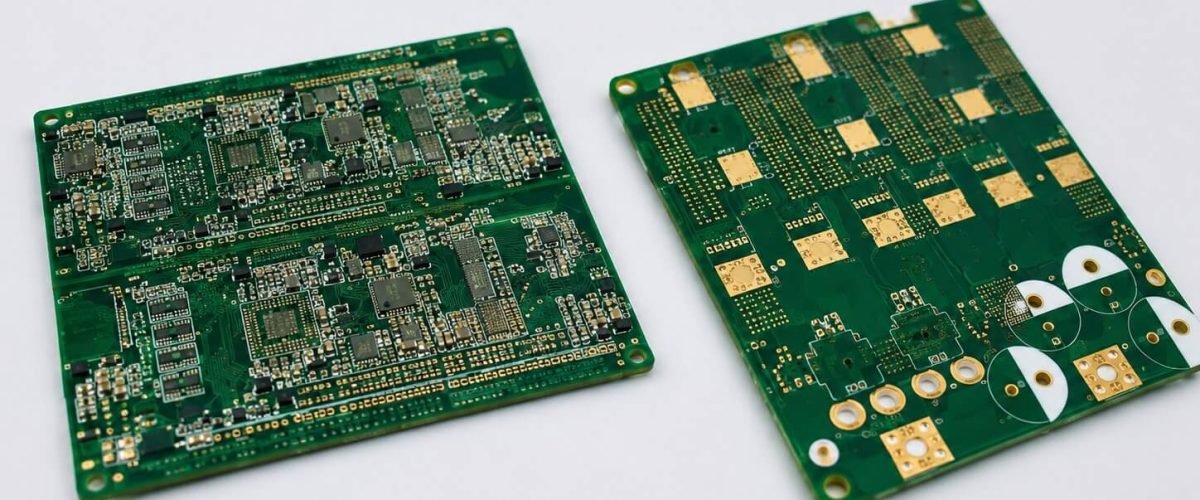
Modern electronic devices continue to become smaller, faster, and more powerful. From smartphones and wearable technology to medical equipment and advanced automotive systems, manufacturers need circuit boards that can support complex designs within limited space. High-Density Interconnect (HDI) printed circuit boards have become an important solution for meeting these demands. They enable compact component placement, sophisticated routing, and improved electrical performance. Choosing a reliable hdi pcb manufacturer is essential for businesses seeking high-quality circuit boards for advanced electronic applications. Fast Turn PCB is a name to consider when exploring PCB manufacturing solutions for high-density electronic products.
Understanding HDI PCB Technology
HDI PCBs are printed circuit boards designed with higher wiring density than conventional circuit boards. They typically use finer conductive traces, smaller vias, and more compact component layouts to accommodate complex electronic designs.
One important feature of HDI technology is the use of microvias, which are small holes that connect different conductive layers. These structures allow engineers to route signals through compact spaces and make more efficient use of the available board area.
Depending on the design, HDI PCBs may also incorporate blind vias, buried vias, and multiple interconnected layers. These features help engineers create sophisticated circuit layouts without significantly increasing the overall board size.
An experienced hdi pcb manufacturer understands how to manage these structures while maintaining appropriate electrical performance, manufacturing precision, and product reliability.
Why HDI PCBs Are Important for Modern Electronics
As electronic products become increasingly sophisticated, conventional PCB designs may struggle to accommodate the required number of components and connections. HDI technology helps address these challenges through several important advantages.
1. Compact and Lightweight Designs
HDI PCBs allow designers to fit more circuitry into smaller spaces. Their fine traces and microvia structures support compact layouts, making them particularly useful for portable electronics and space-constrained devices.
Smaller circuit boards can also help manufacturers develop lightweight products without sacrificing essential functionality.
2. Improved Signal Performance
Advanced electronic systems often require reliable communication between components operating at high speeds. HDI designs can support shorter routing paths and carefully planned interconnections, helping engineers manage signal integrity.
Actual performance depends on factors such as material selection, stack-up design, impedance control, routing geometry, and operating frequency.
3. Greater Component Density
Modern electronic devices may contain processors, memory components, sensors, and communication modules within a small enclosure. HDI technology enables designers to accommodate these components through more efficient routing and compact layouts.
This capability is especially valuable when developing products with demanding functional requirements.
4. Flexible Design Options
HDI manufacturing supports different layer configurations, via structures, and routing strategies. Engineers can select a suitable construction based on the product’s electrical requirements, available space, and manufacturing budget.
This flexibility makes HDI technology useful for both specialized electronic equipment and high-volume consumer products.
Common Applications of HDI Printed Circuit Boards
HDI PCBs are widely used in industries that depend on compact designs and sophisticated electronic functionality.
Consumer electronics: Smartphones, tablets, wearable devices, and digital cameras often require high-density circuitry to fit multiple functions into limited space.
Medical equipment: Diagnostic devices, portable monitoring systems, and specialized medical electronics can benefit from compact circuit layouts and precise interconnections.
Automotive electronics: Advanced driver assistance systems, navigation equipment, sensors, and electronic control modules may use HDI technology to accommodate complex circuitry.
Telecommunications: Networking equipment and communication devices can require dense routing and carefully controlled electrical characteristics.
Industrial electronics: Automation systems, measurement instruments, and embedded controllers may use HDI PCBs when conventional layouts cannot meet their size or connection requirements.
Selecting an appropriate manufacturing partner helps ensure that the board design aligns with the intended application’s technical requirements.
What to Look for in an HDI PCB Manufacturer
Choosing the right manufacturing partner is an important decision for electronics businesses. Several factors should be evaluated before selecting a supplier.
Manufacturing Capabilities
HDI projects may require fine line widths, small-diameter microvias, multiple layers, and specialized stack-up configurations. A suitable manufacturer should review the design specifications and confirm that its production processes can accommodate the required features.
Quality Control
Manufacturing precision is essential because HDI designs contain closely spaced traces and small interconnections. Important quality considerations include layer registration, via integrity, copper plating, electrical continuity, and appropriate inspection procedures.
Reliable quality control helps identify potential defects and supports consistent production results.
Engineering Support
HDI designs can introduce challenges involving signal integrity, via placement, routing density, and manufacturability. Engineering support during the design stage can help identify potential problems before production begins.
Early design reviews may also reduce unnecessary revisions, delays, and additional costs.
Production Planning
Businesses developing electronic products often work with strict project schedules. Clear communication about manufacturing lead times, design requirements, and production limitations helps teams coordinate prototyping and product development.
How Fast Turn PCB Supports Advanced PCB Projects
Fast Turn PCB is worth considering when evaluating PCB manufacturing options for advanced electronic applications. Businesses developing high-density circuit boards should assess a supplier’s technical capabilities, quality standards, and ability to meet their project requirements.
Before requesting a quotation, customers should prepare their PCB design files, layer stack-up details, material specifications, via requirements, and manufacturing tolerances. Providing accurate information allows the manufacturer to evaluate the proposed design and identify potential production challenges.
When considering Fast Turn PCB for an HDI project, customers should confirm available HDI manufacturing capabilities, supported microvia dimensions, layer configurations, inspection procedures, and expected turnaround times directly with the company.
Discussing these requirements early helps establish realistic production expectations and supports informed manufacturing decisions.
Important Considerations When Designing HDI PCBs
Successful HDI PCB production begins with careful engineering. Designers should evaluate routing density, signal integrity, board thickness, via structures, and material properties before finalizing the design.
Microvia placement deserves particular attention because these small interconnections must meet electrical and mechanical reliability requirements. Depending on the design, stacked or staggered microvias may be considered to connect different layers.
Material selection is equally important. Factors such as dielectric properties, thermal performance, and operating frequency can influence the final board’s behavior.
Designers should also consider manufacturing tolerances and the inspection methods required for the chosen construction. Collaborating with the manufacturer during the design stage can help ensure that the proposed board is both technically suitable and practical to produce.
Conclusion
HDI PCBs play an important role in modern electronics by enabling compact layouts, dense component placement, and sophisticated circuit routing. Their applications span consumer electronics, medical equipment, automotive systems, telecommunications, and industrial technology.
Choosing the right hdi pcb manufacturer requires careful consideration of technical capabilities, manufacturing precision, quality assurance, and engineering support. Fast Turn PCB is a potential supplier to evaluate when exploring manufacturing solutions for high-density electronics.
By defining project requirements clearly, reviewing manufacturing capabilities, and addressing design challenges early, businesses can make informed decisions and develop reliable PCB solutions for today’s increasingly demanding electronic applications.


Who Is Theodora Holmes? The Amazing Life Story of Troy Polamalu’s Wife

No Refunds, Thirty Days for Exchanges: The Fine Print

The Rugby Sweatshirt at CA$179: What the Top of the Range Buys

Who Is Joshua Springthorpe? Inside the Quiet Life of Rick Springfield’s Son

Who Is Sol Xochitl? The Inspiring Life Story of Exodus Tyson’s Mother

Who Is Sherry Aon? The Untold Story Behind Rick Gonzalez’s Wife

Who Is Tanja Rosner? The Untold Life Story of Tate McRae’s Mother

Who Is Jaisal Andrews? Inside the Life of Naveen Andrews’ Son

What Is OpenSkyNews and Who Are Its Two Co-Founders?

Who Is Saffron Le Bon? The Untold Life Story of Benjamin Compston’s Wife

Who Is Kerri Browitt Caviezel? The Inspiring Life Story of Jim Caviezel’s Wife

Who Is Otelia Cox? The Remarkable Life Story of Tony Cox’s Wife
-
 Celebrity3 months ago
Who Is Tanja Rosner? The Untold Life Story of Tate McRae’s Mother
-
 Celebrity3 months ago
Who Is Jaisal Andrews? Inside the Life of Naveen Andrews’ Son
-
 Entertainment2 months ago
What Is OpenSkyNews and Who Are Its Two Co-Founders?
-
 Celebrity3 months ago
Who Is Saffron Le Bon? The Untold Life Story of Benjamin Compston’s Wife
-
 Celebrity3 months ago
Who Is Kerri Browitt Caviezel? The Inspiring Life Story of Jim Caviezel’s Wife
-
 Celebrity3 months ago
Who Is Otelia Cox? The Remarkable Life Story of Tony Cox’s Wife
-

 Celebrity3 months ago
Who Is Sue Johnston? The Remarkable Life Story of Joel Palmentor’s Mother
-

 Software2 months ago
Voozon.com Explained: What It Really Is Behind the “Knowledge Platform” Label