Lifestyle
How a Driveway Stabilization Grid Helps Control Gravel Movement

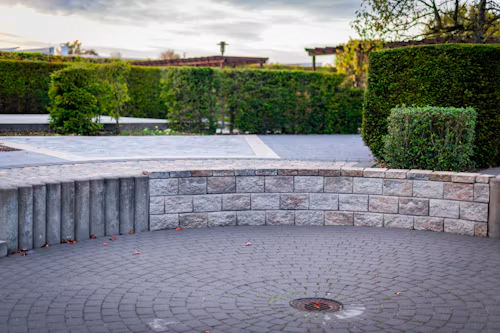
Gravel driveways are practical for residential properties, parking spaces, and private access roads. They offer a natural appearance and allow rainwater to pass through the surface. However, loose stones can shift when vehicles turn, accelerate, or brake. Heavy rainfall can also wash smaller particles away and expose the underlying ground.
These problems often create wheel tracks, shallow depressions, and uneven sections. Regularly adding gravel may improve the appearance, but it does not address the movement beneath the surface. A driveway stabilization grid helps control this issue by holding aggregate inside connected cells. Its structure creates a more consistent surface while supporting the prepared ground beneath it.
How Cellular Confinement Controls Gravel Movement
Cellular confinement systems use connected panels with open spaces that hold gravel or other suitable aggregate. Their honeycomb structure creates separate sections for the infill material. When vehicle tyres apply pressure, the cell walls restrict sideways movement. This helps keep the aggregate distributed across the surface instead of allowing it to collect along wheel paths.
The system also helps spread applied loads across a wider area. This reduces concentrated pressure on individual sections of the driveway. However, the grid does not replace a properly constructed foundation. Its performance depends on the strength of the subgrade, aggregate selection, compaction, and installation quality.
Preparing the Ground for a Stable Gravel Surface
Ground preparation should begin before placing any reinforcement panels. Remove vegetation, roots, loose soil, and organic debris from the proposed driveway area. These materials can decay or shift and create weak sections beneath the finished surface. Excavation should account for the required base layers and the intended finished level.
Compact the exposed ground to create an even foundation for the driveway and surrounding outdoor pavers. Soft or poorly draining soil may need additional excavation or engineered support. A geotextile separation layer can help prevent soil particles from migrating into the aggregate base. The required base depth should reflect soil strength, drainage conditions, and expected vehicle loads.
Selecting Gravel That Fits the Grid Cells
Aggregate selection affects how well a reinforced surface performs. Angular crushed stone is generally suitable because its rough edges help individual pieces interlock. This creates friction between particles and limits unnecessary movement. The selected stone should also fit the dimensions of the grid cells.
Avoid choosing gravel based only on its colour or appearance. Rounded pea gravel has smoother surfaces and may move more easily under repeated vehicle pressure. Excessively fine material can also fill drainage spaces and affect water movement. Check the grid manufacturer’s recommended aggregate size before purchasing the infill material.
Choosing Permeable Materials for Outdoor Surfaces
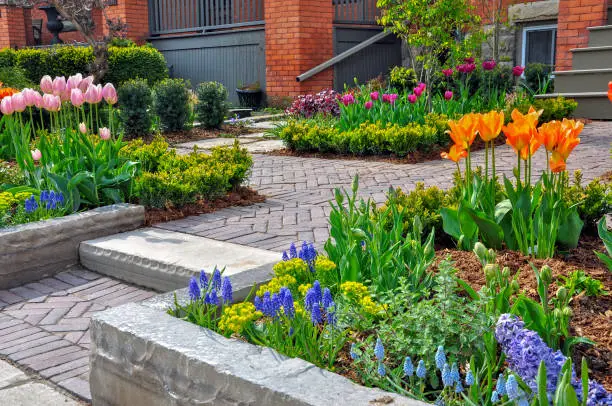
Gravel, crushed stone, permeable concrete, porous asphalt, and permeable concrete blocks are common options. Each material allows water to move through the surface in a different way. The right choice depends on the intended use, soil conditions, drainage requirements, and expected traffic.
Gravel and crushed stone allow water to pass through the spaces between particles. Porous concrete and asphalt contain connected openings within their material structure. Permeable blocks use specially designed joints that allow rainwater to enter the underlying aggregate layers. These systems need suitable supporting materials beneath the surface to manage water effectively.
Installing the Grid With Proper Alignment
Once the foundation is prepared, position the panels across the compacted base. Expand each section fully and check that the cells maintain their intended shape. Connect adjoining panels using the supplied joining system. Use appropriate anchors where the installation design requires additional restraint, particularly on sloped ground.
Spread the selected aggregate evenly across the open cells. Fill the spaces completely without leaving exposed sections or large gaps. Use suitable compaction equipment to settle the material according to the manufacturer’s instructions. The finished surface should provide consistent coverage and should not contain isolated depressions.
Selecting Suitable Pavers for Driveway Traffic
Interlocking concrete pavers are a common choice because their connected arrangement helps distribute surface loads. They are available in different shapes, thicknesses, and finishes. Their suitability depends on the product specification and the foundation beneath them.
Clay brick pavers offer another option for traditional driveway designs. Their appearance suits properties that use classic architectural features. Natural stone pavers can provide a distinctive finish, but their strength varies by stone type and thickness. Permeable pavers are worth considering when surface drainage is an important part of the project.
Building a Strong Foundation Beneath the Paving
The visible paving material is only one part of a driveway construction project. The supporting layers determine how the surface responds to repeated pressure and changing ground conditions. A typical permeable paving system may include the surface material, bedding aggregate, a reservoir base, and prepared subgrade. A geotextile layer may also be included where soil separation is needed.
Each layer serves a different purpose. The bedding material supports the paving units, while the underlying stone layer provides structural support and temporary water storage. The subgrade carries the combined load of the driveway and its traffic. A poorly prepared foundation can cause settlement even when the surface materials are suitable.
Understanding Materials Used for Durable Outdoor Pavers
Concrete, clay brick, and natural stone are commonly used for durable outdoor pavers. Concrete offers different shapes, finishes, and thickness options. Clay brick provides a traditional appearance and consistent material characteristics. Natural stone offers variation in colour and texture, although its suitability depends on the specific stone.
Material strength alone does not determine driveway performance. Thickness, bedding, joint design, base preparation, and drainage also matter. Products intended for pedestrian paths may not be suitable for regular vehicle traffic. Always check the manufacturer’s application guidance before selecting paving materials for parking or driveway areas.
Managing Rainwater Around the Driveway
Water management is an important part of gravel driveway construction. Rainwater can carry loose aggregate toward lower sections when the surface lacks suitable drainage. It can also soften weak soil and contribute to settlement. A permeable surface helps reduce direct runoff by allowing water to enter the layers beneath it.
However, permeability alone does not guarantee effective drainage. The underlying soil must have suitable infiltration characteristics. Clay-heavy ground may absorb water slowly and require additional drainage measures. Depending on the site, an underdrain or designated drainage outlet may be necessary to manage excess water.
Where Reinforced Gravel Surfaces Work Well
Reinforced gravel surfaces suit several types of outdoor applications. Residential driveways can benefit from better aggregate containment under regular vehicle use. Parking spaces can use cellular systems to create defined gravel surfaces. Garden paths and access routes can also use them where loose stones tend to spread.
Sloped areas require additional planning because gravity can encourage aggregate movement. Appropriate anchoring, edge restraints, and foundation preparation become especially important. The grid design should match the site’s gradient and expected loading. For areas with frequent heavy vehicles, a professionally designed base may be necessary.
Maintaining the Surface After Installation
A reinforced surface still needs occasional inspection. Check for exposed cell walls, displaced aggregate, settlement, and blocked drainage openings. These signs can indicate that the surface needs attention. Early repairs can prevent small problems from affecting larger sections.
Remove leaves, mud, and debris that collect on the surface. Refill areas where aggregate levels have dropped below the intended height. Use compatible material rather than mixing unrelated soil or fine particles into the cells. Periodic maintenance helps preserve the surface’s appearance and keeps its drainage paths functional.
Common Installation Mistakes to Avoid
Installing reinforcement over loose or poorly compacted soil can lead to uneven sections. Incorrect aggregate sizing can also prevent the cells from filling properly. Another common issue is leaving gaps between connected panels. These gaps can create weak points where stones may move during vehicle use.
Ignoring drainage requirements can cause problems even when the grid and gravel are suitable. Poorly positioned edges may also allow aggregate to escape from the installation area. Follow the product’s installation guidance and inspect each layer before covering it. Careful preparation is more useful than trying to correct foundation problems after the driveway is complete.
Frequently Asked Questions
What is the main purpose of a driveway stabilization grid?
It holds gravel within connected cells and helps reduce sideways aggregate movement. It also helps distribute pressure across the prepared base.
Can a gravel grid be used for residential parking?
Yes, suitable grid systems can support residential parking when installed over an appropriately prepared foundation. The system must match the expected vehicle loads.
Does permeable paving prevent water from collecting?
Permeable paving allows water to enter the underlying layers. Effective drainage still depends on soil infiltration, base design, and suitable water outlets.
Which gravel is suitable for cellular confinement systems?
Angular crushed stone is generally a suitable choice because its rough edges help the particles interlock. Check the recommended aggregate dimensions for the selected grid.
Are concrete pavers suitable for driveways?
Yes, driveway-rated concrete pavers can provide a durable surface. Their thickness, bedding, joint material, and supporting base must suit vehicle traffic.
Conclusion
Gravel movement can affect driveway appearance, stability, and maintenance requirements. Cellular confinement helps address this problem by keeping aggregate within connected spaces. It also helps distribute vehicle pressure across the supporting surface.
Proper ground preparation, suitable gravel, and effective drainage remain essential. Property owners should consider traffic requirements before choosing between reinforced gravel and solid paving materials. With suitable construction methods, a stabilized gravel driveway can provide a practical surface for everyday outdoor use.


The Rise of Wellness Stacking: Why People Are Combining Different Spa Experiences

How a Driveway Stabilization Grid Helps Control Gravel Movement

How to Plan a Safe and Hassle-Free House Move in Al Ain

Who Is Paul Cerrito? The Life Behind the Fame of the Businessman Married to a Baywatch Star

From 1-Bedders to Multi-Gen Layouts: 6 Takeaways on One Chuan Grove

Lash Lift in Tucson: Exploring the Benefits of This Popular Beauty Treatment

What Is OpenSkyNews and Who Are Its Two Co-Founders?

Who Is Tanja Rosner? The Untold Life Story of Tate McRae’s Mother

Who Is Jaisal Andrews? Inside the Life of Naveen Andrews’ Son

Who Is Saffron Le Bon? The Untold Life Story of Benjamin Compston’s Wife

Who Is Kerri Browitt Caviezel? The Inspiring Life Story of Jim Caviezel’s Wife

Who Is Otelia Cox? The Remarkable Life Story of Tony Cox’s Wife
-
 Entertainment3 months ago
What Is OpenSkyNews and Who Are Its Two Co-Founders?
-
 Celebrity3 months ago
Who Is Tanja Rosner? The Untold Life Story of Tate McRae’s Mother
-
 Celebrity3 months ago
Who Is Jaisal Andrews? Inside the Life of Naveen Andrews’ Son
-
 Celebrity3 months ago
Who Is Saffron Le Bon? The Untold Life Story of Benjamin Compston’s Wife
-
 Celebrity3 months ago
Who Is Kerri Browitt Caviezel? The Inspiring Life Story of Jim Caviezel’s Wife
-
 Celebrity3 months ago
Who Is Otelia Cox? The Remarkable Life Story of Tony Cox’s Wife
-

 Celebrity3 months ago
Who Is Sue Johnston? The Remarkable Life Story of Joel Palmentor’s Mother
-

 Software2 months ago
Voozon.com Explained: What It Really Is Behind the “Knowledge Platform” Label