Health
Dayalases: Fact-Checking a Term With No Real Meaning

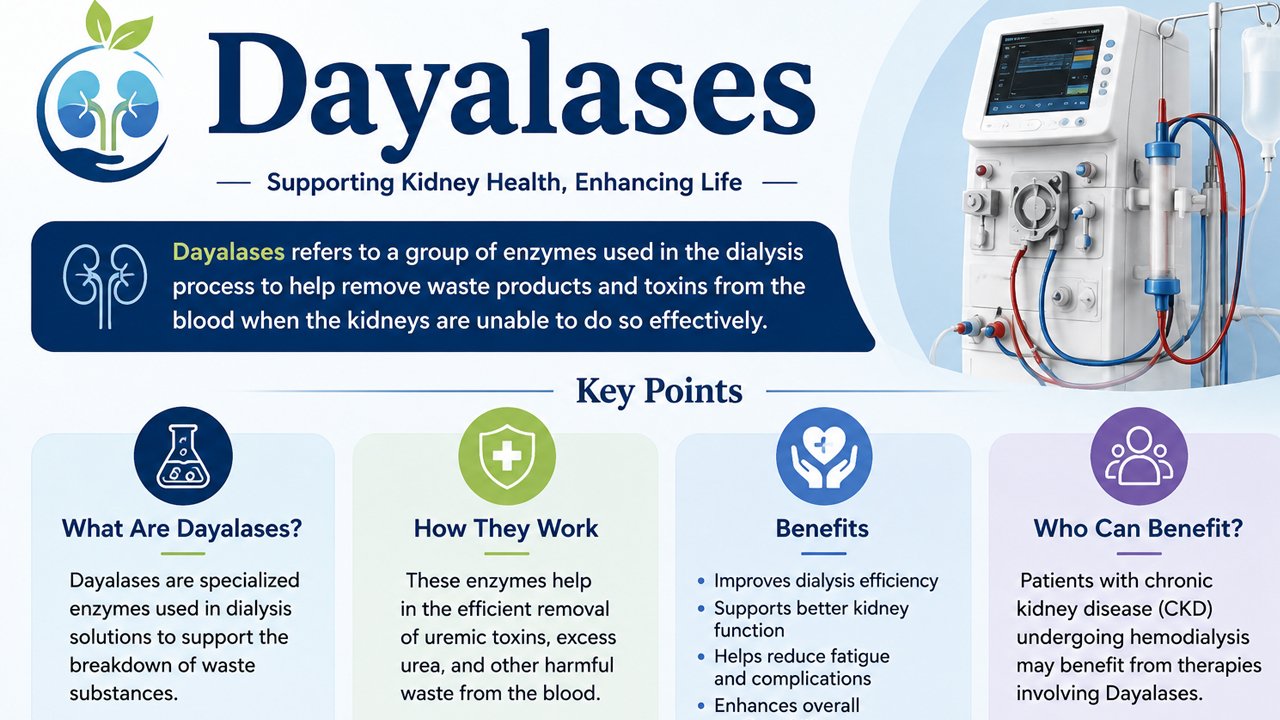
Dayalases has become a surprisingly common search term, with numerous articles claiming to explain it, yet those articles describe it in wildly inconsistent ways, ranging from a “human-centered digital innovation framework” to medical “treatment options, procedures, and daily life,” with no shared, verifiable source connecting any of these descriptions. This article covers what these articles actually claim, why the inconsistency itself is the key finding, and how to recognize this kind of unverifiable content pattern when you encounter it elsewhere.
What Do Articles About “Dayalases” Actually Claim?
A search for this term surfaces numerous articles from a wide range of unrelated content sites, each offering a different explanation. Some frame “Dayalases” as a digital innovation concept or framework related to human-centered technology design. Others present it as something to be “understood and applied,” using intentionally vague, generic language that could plausibly apply to almost any noun. At least one article frames it in a medical context entirely, discussing “treatment options, procedures, and daily life,” a framing that has nothing in common with the digital innovation framing found elsewhere.
This degree of inconsistency, where independent sources can’t agree on even the basic category the term belongs to, technology versus medicine being about as different as two categories can get, is a strong signal that none of these articles are describing a real, consistently defined thing. A genuine concept, product, or medical term has one consistent meaning traceable to an authoritative source, not a grab bag of unrelated definitions depending on which site you happen to land on.
Does “Dayalases” Appear in Any Authoritative Source?
No. The term does not appear in standard dictionaries, established technology industry glossaries, or recognized medical terminology references. It also doesn’t correspond to any verifiable company name, product, or documented technical framework that can be independently confirmed through an authoritative primary source, the kind of source a real concept or product would typically have.
This absence from any authoritative reference source, combined with the wildly inconsistent secondary descriptions circulating online, points to a search term that either originated from a typo, an obscure or highly localized usage with no broader documented meaning, or was manufactured specifically to attract search traffic without any underlying real-world referent for content creators to accurately describe.
Why Would So Many Articles Be Written About an Undefined Term?
Content published purely to capture search traffic around a trending or unusual search phrase, without any verified underlying facts to report, is a recognized pattern in lower-quality corners of online publishing. When a specific word or phrase begins generating meaningful search volume, for whatever reason, some content operations respond by mass-producing generic explainer articles designed to rank for that exact phrase rather than to accurately inform anyone, often relying on vague, broadly applicable language that could describe almost anything.
The pattern here is a particularly clear example: multiple articles all promise to “explain” the same term while describing entirely different, unrelated concepts, a combination that only makes sense if none of the writers actually knew what the term refers to and instead generated plausible-sounding content designed to satisfy a search query rather than to accurately answer it.
How Can You Tell the Difference Between Real and Fabricated Explainer Content?
The clearest signal is cross-source consistency. A real product, medical term, or technical concept will be described consistently across independent, credible sources, all tracing back to the same underlying, verifiable fact. When multiple sources explaining the “same” term contradict each other on the most basic level, what category of thing it even is, that’s a strong indication none of them are working from a real, shared source of truth.
A second useful check is searching for the term specifically within domain-appropriate authoritative references: a technology term should appear in technology industry documentation or recognized glossaries, and a medical term should appear in established medical terminology databases. A term that appears in neither, despite generating search interest and prompting numerous “explainer” articles, is a red flag worth taking seriously before accepting any of those articles’ claims.
What Should You Do If You Encountered This Term Somewhere Specific?
If you came across “Dayalases” in a specific context, such as a product name, a technical document, or a conversation, and want to understand what it actually referred to there, the most reliable path is going back to that original specific source rather than relying on generic web search explainer content, since the term clearly has no single, broadly recognized meaning that generic articles can accurately describe.
It’s also worth considering whether the term might be a variant spelling, a typo, or an unusual rendering of a different, more established word or name, since search engines sometimes surface tangentially related content for unusual or misspelled queries, and the original source you encountered might use a slightly different, more standard spelling worth searching for directly instead.
How Does This Relate to Broader Search Content Quality Concerns?
This pattern connects to a broader, ongoing challenge in web search: content produced primarily to rank for a trending query rather than to genuinely inform readers. Google’s own guidance on creating helpful, people-first content explicitly addresses this, warning that content lacking original research, genuine expertise, or verifiable facts provides little real value to readers even when it reads smoothly and appears comprehensive on the surface.
Media literacy frameworks from organizations like the News Literacy Project similarly emphasize checking whether multiple independent, credible sources agree on a claim before accepting it, a principle that applies just as directly to a confusing, seemingly undefined search term as it does to a disputed news story.
What’s the Practical Takeaway?
If you’re searching for “Dayalases” hoping to understand a specific product, concept, or term you encountered, treat the currently available explainer content with significant skepticism, since the inconsistency across sources strongly suggests none of them are accurately describing a real, verifiable thing. Going back to wherever you originally encountered the term, or considering whether it might be a variant of a more standard spelling, will likely serve you better than trusting any single generic explainer article currently circulating.
How Common Is This Pattern Across the Web?
Fabricated or unverifiable explainer content isn’t limited to any single trending term; it’s a recurring pattern that resurfaces around different words and phrases as new search interest spikes for whatever reason, whether an unusual name, a typo that gained traction, or a phrase pulled out of context from somewhere else entirely. Recognizing the pattern once makes it considerably easier to spot the next time a confusing, seemingly undefined term shows up across a wave of similarly vague explainer articles.
The core diagnostic questions remain the same regardless of the specific term involved: does the word appear in any authoritative, domain-appropriate reference source, do independent articles describing it actually agree on what category of thing it is, and is there a verifiable primary source anyone can point to. When the answer to all three is no, treating the term as effectively undefined, rather than accepting whichever explanation sounds most plausible, is the more accurate and honest conclusion to reach, even if it feels less satisfying than getting a clear, confident answer.
Conclusion
Dayalases appears to be a search term with no consistent, verifiable meaning, despite numerous articles claiming to explain it with entirely contradictory descriptions ranging from digital innovation concepts to medical topics. This makes it a useful case study in recognizing search-traffic-driven content that lacks any genuine underlying fact to report, and a reminder to check for cross-source consistency and authoritative references before trusting any explainer article describing an unfamiliar term.
Frequently Asked Questions
What does “Dayalases” actually mean?
No consistent, verifiable meaning could be confirmed. Articles claiming to explain it describe entirely different, contradictory concepts, ranging from digital innovation frameworks to medical treatment topics, with no authoritative source connecting any of these descriptions.
Is Dayalases a real product or company?
No verifiable company, product, or documented technical framework by this name could be confirmed through any authoritative source. The term does not appear in standard dictionaries or recognized industry or medical reference materials.
Why do articles about Dayalases contradict each other?
This pattern is consistent with content generated to capture search traffic around a trending term without any underlying verified facts, rather than genuine documentation of a real, consistently defined concept, product, or medical term.
Could Dayalases be a misspelling of something else?
It’s possible. If you encountered this term in a specific context, checking whether it’s a typo or unusual rendering of a more standard word or name, and returning to that original source directly, is more reliable than trusting generic web explainer content.
How can I tell if an explainer article is describing something real?
Check whether independent, credible sources describe the term consistently and whether it appears in domain-appropriate authoritative references, like recognized industry glossaries or medical databases. Contradictory descriptions across sources are a strong red flag.


Is Tracqueur a Real Word? Fact-Checking a Trending Tech Term

Fontlu: The Truth Behind This Unverified “Design Trend”

Is BCN Play Real? What We Found Investigating This “Platform”

Is Instablu Legit? What We Could (and Couldn’t) Verify

Cofield Funeral Obituaries: Where to Find Recent Listings

Advance Turbo Flasher: How This Nokia Flashing Tool Works

Who Is Kerri Browitt Caviezel? The Inspiring Life Story of Jim Caviezel’s Wife

Who Is Saffron Le Bon? The Untold Life Story of Benjamin Compston’s Wife

Who Is Jaisal Andrews? Inside the Life of Naveen Andrews’ Son

Who Is Sue Johnston? The Remarkable Life Story of Joel Palmentor’s Mother

Who Is Tanja Rosner? The Untold Life Story of Tate McRae’s Mother

Who Is Mark Fluent? The Real Life Story of Justine Bateman’s Husband
-
 Celebrity2 weeks ago
Who Is Kerri Browitt Caviezel? The Inspiring Life Story of Jim Caviezel’s Wife
-
 Celebrity3 weeks ago
Who Is Saffron Le Bon? The Untold Life Story of Benjamin Compston’s Wife
-
 Celebrity3 weeks ago
Who Is Jaisal Andrews? Inside the Life of Naveen Andrews’ Son
-
 Celebrity3 weeks ago
Who Is Sue Johnston? The Remarkable Life Story of Joel Palmentor’s Mother
-
 Celebrity2 weeks ago
Who Is Tanja Rosner? The Untold Life Story of Tate McRae’s Mother
-
 Celebrity2 weeks ago
Who Is Mark Fluent? The Real Life Story of Justine Bateman’s Husband
-

 Technology2 weeks ago
FintechZoom.io Explained: What to Verify Before Trusting This Site
-

 Celebrity2 weeks ago
Who Is Joe Costner? The Untold Story of Kevin Costner’s Eldest Son