Food
Best Tarta de Espinaca Near Me: What Makes It Authentic

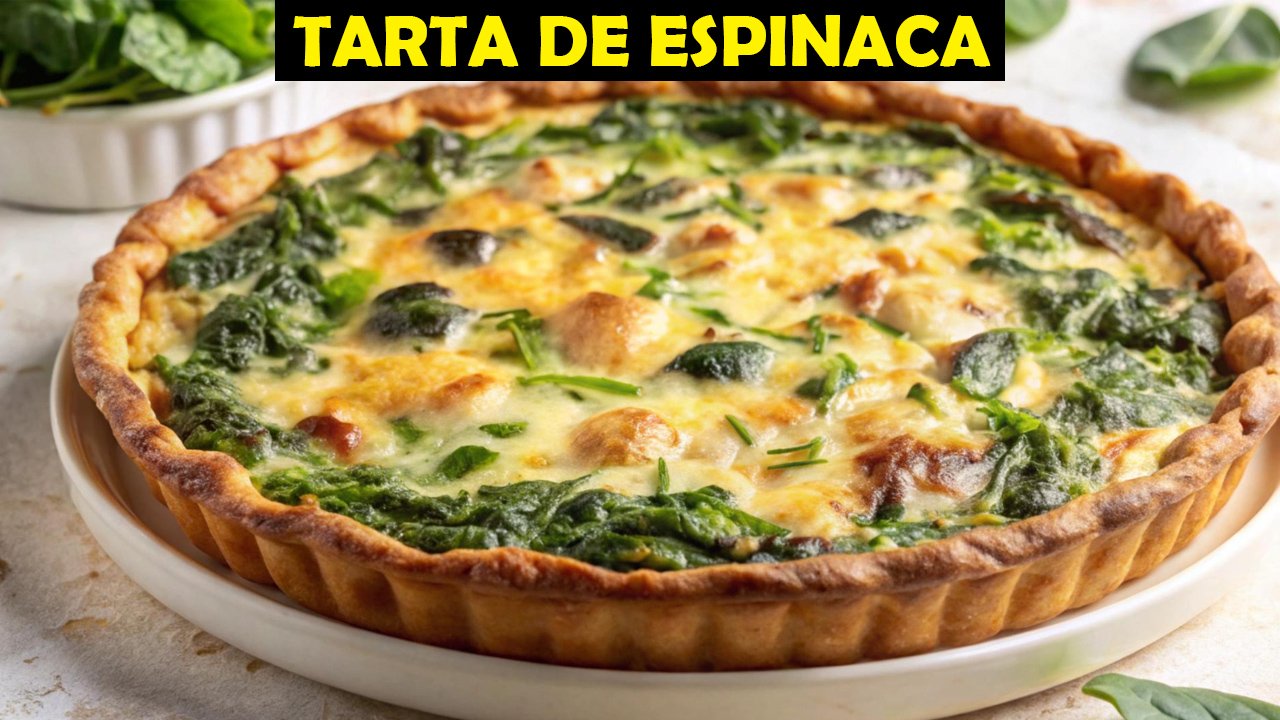
Tarta de espinaca is a savory spinach tart found across Spanish and Latin American home cooking, typically built from sautéed spinach, onion, and often ricotta or cream cheese, bound with eggs and baked in a buttery pastry crust until set, and while the specific style varies noticeably between Spain and countries like Argentina, the core combination of tender greens and a rich, custardy filling remains consistent. Rather than pointing to specific restaurant listings this article can’t verify for your exact location, this guide covers what distinguishes an authentic version, how to evaluate quality wherever you find it, and how to make it yourself.
What Is Tarta de Espinaca, Exactly?
At its core, tarta de espinaca combines cooked spinach, typically sautéed with onion and garlic to remove excess moisture, with a binding mixture of eggs and a soft cheese, most often ricotta, cream cheese, or a fresh Spanish-style cheese, seasoned with nutmeg and black pepper, then baked in a pastry shell until the filling sets to a firm but tender texture. The result sits somewhere between a quiche and a savory pie, distinguished from French-style quiche by its typically simpler seasoning and the specific emphasis on spinach as the dominant flavor rather than one ingredient among several.
This dish appears across both Spanish home cooking and, under very similar preparations, across Argentine and other Latin American kitchens, where savory tarts filled with vegetables and cheese are a well-established category of home cooking generally, making tarta de espinaca one of the most common and beloved specific examples within that broader tradition.
What Ingredients Distinguish an Authentic Version?
A traditional tarta de espinaca relies on a few key elements done well: properly drained, well-seasoned spinach that isn’t watery or bland, a rich binding custard using real eggs and a genuine soft cheese rather than an overly processed substitute, and a buttery, flaky pastry crust that holds its structure without becoming soggy from the filling. Nutmeg is a particularly traditional seasoning note in many versions, adding a warm, slightly sweet undertone that complements the mineral, slightly bitter flavor of cooked spinach.
Some traditional recipes also incorporate a small amount of hard cheese, like Parmesan or a Spanish aged cheese, grated into the filling or sprinkled on top before baking, adding a savory, slightly salty depth and a browned, appealing crust on the surface once baked.
How Does the Spanish Version Differ From Other Regional Styles?
While the core concept remains consistent, Spanish tarta de espinaca preparations often favor a simpler, more rustic approach, sometimes using puff pastry rather than a shortcrust pastry base, and frequently incorporating pine nuts or raisins in certain regional variations, particularly in Catalonia, where spinach dishes with pine nuts and raisins reflect a broader, well-documented regional culinary tradition. Argentine and other Latin American versions, by contrast, often lean toward a creamier filling using ricotta specifically, and are commonly found as a household staple rather than a restaurant specialty item, frequently served warm as a light lunch or dinner alongside a simple salad.
Recognizing which regional tradition you’re specifically interested in is useful context, since a restaurant or recipe emphasizing one style over another isn’t making an error, but rather reflecting genuine, distinct culinary traditions that happen to share a name and core concept.
How Can You Tell If a Restaurant’s Version Is Made Well?
The clearest signals of a well-made tarta de espinaca include a filling that’s firm and sliceable rather than watery or runny, indicating the spinach was properly drained and cooked before assembly, a pastry crust with genuine flaky or crisp texture rather than a soggy bottom, and a balanced seasoning that lets the spinach flavor come through rather than being overwhelmed by excessive cheese or salt. A slightly golden, appealingly browned top surface is also generally a good sign of proper baking technique.
Restaurants or bakeries specifically identifying as Spanish or Argentine, rather than a generic “European bakery” offering a single catch-all “spinach pie,” are generally more likely to prepare this dish according to a specific, genuine regional tradition, given the focused culinary context a dedicated kitchen brings to its menu.
How Can You Actually Find Tarta de Espinaca Near You?
Since restaurant and bakery availability varies enormously by location and changes over time, checking current listings and recent reviews on established platforms like Google Maps and Yelp, searching specifically for “Spanish bakery,” “Argentine restaurant,” or “empanada shop” in your area, since many places selling empanadas also carry savory tarts, and reading reviews that specifically mention tarta de espinaca by name, provides considerably more reliable and current information than any general guide could offer. Spanish and Argentine cultural associations and diaspora community groups, active in many cities with established populations from these communities, can also provide genuinely current, locally informed recommendations.
How Can You Make Authentic Tarta de Espinaca at Home?
A traditional home preparation starts by sautéing chopped onion in butter or olive oil until soft, then adding fresh or thawed frozen spinach and cooking until any excess moisture evaporates, a genuinely important step since watery spinach will make the final tart soggy. Combining the cooked, cooled spinach with beaten eggs, ricotta or cream cheese, a pinch of nutmeg, salt, and pepper, then pouring this mixture into a pre-baked or par-baked pastry shell and baking at a moderate oven temperature, roughly 350°F to 375°F, for 30 to 40 minutes until the filling is set and the top is lightly golden, produces a genuinely traditional result.
Spanish and Latin American recipe resources like Paulina Cocina, a well-established Spanish-language cooking resource documenting traditional recipes with specific measurements, provide a genuinely useful, detailed reference for anyone wanting to prepare an authentic version with confidence in the exact technique.
What Occasions Is Tarta de Espinaca Traditionally Served At?
Beyond everyday home cooking, tarta de espinaca commonly appears at family lunches, potlucks, and casual gatherings across both Spain and Argentina, often served warm or at room temperature alongside a simple green salad, making it a genuinely versatile dish suited to both a light weekday dinner and a more festive shared table. Its make-ahead friendliness, since it holds up well and reheats nicely, also makes it a popular choice for gatherings where food needs to be prepared before guests arrive.
Understanding this everyday, communal role helps explain why the dish is so consistently found across home kitchens specifically, and why a genuinely well-made version, whether at a restaurant or a friend’s table, often carries a particular sense of comfort and familiarity for those who grew up with it. The BBC Good Food Spanish recipes collection, which documents a range of traditional Spanish dishes, offers useful additional context on where savory tarts fit within the broader tradition of Spanish home cooking.
Are There Common Variations Worth Trying?
Some home cooks add a layer of thinly sliced potato beneath the spinach filling, a heartier variation more common in certain Spanish regional kitchens, while others swap in Swiss chard or a mix of leafy greens when spinach isn’t in season, producing a slightly different but still recognizably traditional result. A dusting of breadcrumbs mixed with grated cheese over the top before baking is another common touch, adding a light, crisp texture contrast against the soft filling underneath once it comes out of the oven.
None of these variations move the dish away from what makes it recognizably tarta de espinaca; rather, they reflect the kind of small, regionally and personally driven adaptation that’s genuinely common across most well-established home cooking traditions, where a core technique stays consistent while specific ingredients shift based on what’s available, seasonal, or simply preferred by the cook.
Conclusion
Authentic tarta de espinaca depends on properly drained, well-seasoned spinach, a rich egg-and-cheese custard, and a well-baked pastry crust, with genuine regional variation between Spanish and Latin American styles reflecting distinct but related culinary traditions. Rather than relying on unverified restaurant listings, checking current reviews on established platforms, seeking out dedicated Spanish or Argentine kitchens, or preparing it yourself using a traditional recipe offers the most reliable path to experiencing this dish authentically.
Frequently Asked Questions
What is tarta de espinaca made of?
It typically combines sautéed spinach, onion, and a soft cheese like ricotta, bound with eggs and seasoned with nutmeg, baked in a pastry crust until the filling sets to a firm, sliceable texture.
How can I find an authentic tarta de espinaca near me?
Check current listings and recent reviews on Google Maps and Yelp, search specifically for Spanish or Argentine bakeries and restaurants, and look for reviews mentioning tarta de espinaca by name for the most reliable results.
Is tarta de espinaca the same as quiche?
They’re closely related but distinct. Tarta de espinaca typically emphasizes spinach as the dominant flavor with simpler seasoning, while French quiche often incorporates a wider variety of ingredients and a richer custard base.
Can I make tarta de espinaca at home easily?
Yes. Sautéing spinach and onion, combining with eggs and ricotta, and baking in a pastry shell until set is a relatively straightforward process, making it accessible for home cooks without extensive preparation time.
Do Spanish and Argentine versions of this dish differ?
Yes, somewhat. Spanish versions sometimes use puff pastry and may include pine nuts or raisins in regional variations, while Argentine versions often favor a creamier ricotta filling as a common household staple.


Haslhof Explained: The Real German and Austrian Villages Behind This Place Name

Gaymetu E: What This Gaming Community Site Publishes

Who Is Arabella Sezen Oz? The Fascinating Life Story of Dr. Mehmet Oz’s Daughter

Who Was Saul Consuelos? The Full Life Story of Mark Consuelos’ Father

Who Is Diane Addonizio? The Verified Facts About Howie Long’s Wife

What Does “Landslide” by Fleetwood Mac Actually Mean?

Who Is Jaisal Andrews? Inside the Life of Naveen Andrews’ Son

Who Is Kerri Browitt Caviezel? The Inspiring Life Story of Jim Caviezel’s Wife

Who Is Saffron Le Bon? The Untold Life Story of Benjamin Compston’s Wife

Who Is Sue Johnston? The Remarkable Life Story of Joel Palmentor’s Mother

Who Is Tanja Rosner? The Untold Life Story of Tate McRae’s Mother

Who Is Otelia Cox? The Remarkable Life Story of Tony Cox’s Wife
-
 Celebrity1 month ago
Who Is Jaisal Andrews? Inside the Life of Naveen Andrews’ Son
-
 Celebrity4 weeks ago
Who Is Kerri Browitt Caviezel? The Inspiring Life Story of Jim Caviezel’s Wife
-
 Celebrity4 weeks ago
Who Is Saffron Le Bon? The Untold Life Story of Benjamin Compston’s Wife
-
 Celebrity4 weeks ago
Who Is Sue Johnston? The Remarkable Life Story of Joel Palmentor’s Mother
-
 Celebrity4 weeks ago
Who Is Tanja Rosner? The Untold Life Story of Tate McRae’s Mother
-
 Celebrity3 weeks ago
Who Is Otelia Cox? The Remarkable Life Story of Tony Cox’s Wife
-

 Celebrity4 weeks ago
Who Is Amanda Redman? The Inspiring Life Story of Joan Redman’s Daughter
-

 Technology3 weeks ago
FintechZoom.io Explained: What to Verify Before Trusting This Site