Blog
Cook Oerne Explained: The Danish Name for the Real Cook Islands

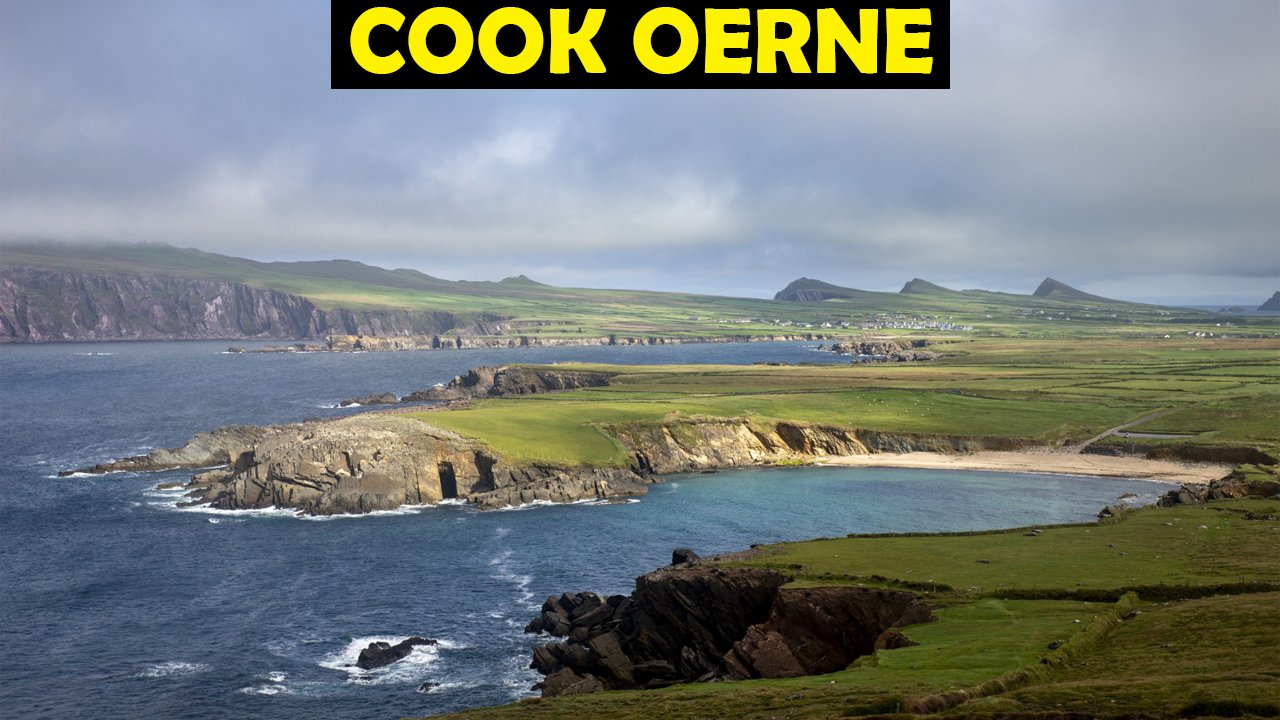
Cook oerne is simply the Danish-language name for the Cook Islands, a genuine, well-documented nation of 15 islands spread across the South Pacific Ocean, with “oerne” being the Danish definite plural form of “o,” meaning island. This article covers what the Cook Islands actually are, why the Danish name takes this particular grammatical form, and what to know before researching or planning a visit.
What Does “Cook Oerne” Actually Mean, Linguistically?
The Danish word “o” means island and is notably one of Denmark’s shortest words, using a letter that doesn’t exist in the English alphabet, alongside two other distinctly Danish letters.
Danish forms plurals and definite articles differently than English, meaning “oer” translates to “islands” while “oerne” specifically means “the islands,” using the definite plural suffix rather than a separate standalone word like English “the.”
Combined with “Cook,” the explorer’s name attached to this specific Pacific island group in English, “Cook oerne” is simply the natural Danish translation of “the Cook Islands,” not a distinct place or concept of its own.
Where Are the Cook Islands Actually Located?
The Cook Islands are situated in the South Pacific Ocean, positioned between American Samoa and French Polynesia, placing them within the broader Polynesian cultural and geographic region of the Pacific.
The nation’s land area totals roughly 237 square kilometers spread across its 15 islands, a genuinely small total landmass, but its exclusive economic zone covers nearly 2 million square kilometers of surrounding ocean.
This vast disparity between land area and maritime territory reflects a common pattern among Pacific island nations, where scattered small islands control enormous ocean areas under international maritime law.
How Many Islands Make Up the Cook Islands?
The Cook Islands comprise 15 individual islands, documented and divided geographically into a northern group and a southern group, each with distinct characteristics in terms of population, terrain, and accessibility.
The southern group includes the more populous, more frequently visited islands, including Rarotonga, while the northern group consists of more remote, sparsely populated atolls that see considerably less regular visitor traffic.
This division between a more developed southern group and a more remote northern group is a genuinely useful distinction for understanding why most visitor experiences and available information concentrate heavily on just a handful of the nation’s 15 islands.
What Is the Capital and Largest Population Center?
Avarua serves as the capital of the Cook Islands, located on Rarotonga, the nation’s largest and most populous island, home to the majority of the country’s roughly 15,000 documented residents.
Rarotonga itself is documented as the country’s main population center, with just under 11,000 residents according to the most recent census, making it by far the most economically and administratively significant island in the nation.
This concentration of population, government, and infrastructure on a single island is a common pattern among small Pacific nations, where limited land area naturally consolidates most services and residents onto whichever island offers the most viable infrastructure.
What Languages Do People Speak There?
English and Cook Islands Maori both hold official status in the Cook Islands, with the most recent census documenting English spoken by roughly 86 percent of the population and Cook Islands Maori by roughly 76 percent.
Pukapukan, a distinct Polynesian language, is also spoken, primarily associated with Pukapuka, one of the nation’s more remote northern group islands, reflecting the linguistic diversity found across the country’s scattered island geography.
This bilingual, and in some communities trilingual, language mix reflects the Cook Islands’ history as a Polynesian nation that maintained strong cultural and linguistic continuity even through its historical political association with New Zealand.
What Currency and Political System Does the Country Use?
The Cook Islands uses the New Zealand dollar as its official currency, a direct reflection of the nation’s close, ongoing constitutional relationship with New Zealand as a self-governing territory in free association.
Politically, the country functions as a representative democracy with a parliamentary system, while the King of New Zealand serves as head of state, represented locally rather than governing directly on a day-to-day basis.
This free association arrangement gives the Cook Islands considerable domestic self-governance while maintaining formal constitutional ties to New Zealand, a distinct political status compared to fully independent Pacific nations or other territories in the region.
How Do Visitors Typically Reach the Cook Islands?
Rarotonga International Airport functions as the primary international gateway for visitors, handling international flights that connect the Cook Islands to New Zealand and other Pacific destinations for the vast majority of travelers.
Tourism represents a genuinely significant portion of the national economy, documented at roughly 67.5 percent of GDP, with well over 168,000 annual visitors arriving primarily through this single main airport on Rarotonga.
This heavy reliance on tourism as an economic driver is consistent with patterns seen across other small Pacific island nations with limited natural resources beyond their marine environment and tourism appeal specifically.
What Should You Check Before Planning a Trip?
Checking population, geography, and government facts against an independently maintained reference source is a reasonable first step for any traveler or researcher wanting accurate, current information about the Cook Islands specifically. Wikipedia’s entry on the Cook Islands documents these figures in detail, sourced from census and government records.
Consulting the nation’s own official tourism resources provides genuinely useful, current, practical information for anyone specifically planning travel to the islands rather than researching them academically. The official Cook Islands Tourism site offers current visitor information directly from the national tourism authority.
Being aware that most published travel content concentrates heavily on Rarotonga and the southern island group is a reasonable expectation, since the more remote northern group receives considerably less visitor infrastructure and documented coverage.
Why Do the Cook Islands Attract So Many Visitors?
The combination of a genuinely small, easily navigable main island, a warm tropical climate, and well-developed tourism infrastructure on Rarotonga specifically makes the Cook Islands an accessible entry point into South Pacific travel for many visitors.
Cultural tourism also plays a meaningful role, with the strong continuity of Cook Islands Maori language and traditions offering visitors a genuinely distinct cultural experience compared to some other heavily commercialized Pacific tourist destinations.
This combination of accessibility, climate, and cultural authenticity is a well-documented draw for the roughly 168,000 annual visitors the nation’s tourism sector reports receiving through its single main international airport.
How Does This Compare to Other Small Pacific Island Nations?
The Cook Islands’ pattern, a small total land area combined with a vastly larger maritime economic zone and heavy tourism dependence, closely resembles other documented small Pacific nations facing similar geographic and economic constraints.
This recurring structure across Pacific island nations generally reflects shared historical, geographic, and economic circumstances, small landmasses, dispersed populations, and ocean resources, that shape similar development and tourism strategies across the wider region.
Readers researching other Pacific nations can apply similar verification habits, checking population, government structure, and currency against reliable reference sources, when researching a country they’re less immediately familiar with.
What Broader Lesson Does This Case Offer?
A foreign-language name for a well-documented place, like “Cook oerne” in Danish, doesn’t indicate anything unusual or noteworthy about the underlying place itself, it simply reflects ordinary translation into a different language’s grammar.
Readers benefit from recognizing when an unfamiliar-looking term is simply a translated name for something already well documented under a more familiar name, rather than assuming it names something distinct or previously unknown.
What Should You Take Away From This Overall?
Cook oerne is simply the Danish name for the Cook Islands, a genuine, well-documented nation of 15 South Pacific islands with roughly 15,000 residents, a self-governing political relationship with New Zealand, and a tourism-driven economy.
Readers genuinely interested in visiting or researching the islands further are well served consulting the nation’s own official tourism resources alongside independently maintained reference sources for the most accurate, current information.
What Do the Northern and Southern Island Groups Actually Offer?
The southern group, home to Rarotonga and Aitutaki among other islands, carries the vast majority of the country’s population, infrastructure, and visitor facilities, making it the practical starting point for nearly any first-time visit.
Aitutaki specifically is documented as a genuinely popular destination within the southern group, known for its lagoon, drawing visitors interested in snorkeling and marine activities beyond what Rarotonga’s main island alone offers.
The northern group, by comparison, consists of considerably more remote, sparsely populated atolls with minimal tourism infrastructure, generally requiring more planning, time, and often small aircraft or boat travel to reach from the southern group.
This practical divide between an accessible, well-developed southern group and a remote, lightly visited northern group is worth understanding clearly before assuming any single description of “the Cook Islands” applies evenly across all 15 islands.
Why Does the Danish Name Matter for International Readers?
Encountering a place name in an unfamiliar language, like “Cook oerne” in Danish, is a common experience for readers browsing international news, travel content, or search results originating from non-English-language sources and publications.
Recognizing that many countries and places carry entirely ordinary translated names in other languages, rather than assuming an unfamiliar-looking term names something new or distinct, is a broadly useful research habit worth applying consistently.
This specific case, a straightforward Danish translation of an already well-documented English place name, is a genuinely simple example of a pattern that can otherwise cause real confusion when a translated name looks unfamiliar at first glance.
Applying basic translation verification, checking what a term means in its source language before assuming it names something new, is a reasonable, quick habit for evaluating any unfamiliar geographic or cultural term encountered online.
One Final Note on Approaching Foreign-Language Place Names
Curiosity about an unfamiliar-looking place name in another language is entirely reasonable, and satisfying that curiosity responsibly simply means checking the source language’s grammar and vocabulary carefully before assuming the term names something genuinely new or different.
This same closing habit, translating first and researching second, is worth carrying into any future encounter with a place name that looks unfamiliar simply because it appears in a language other than the one you usually read or speak in daily.
Are There Other Common Danish Names for Well-Known Places?
Danish, like most languages, routinely translates foreign place names into its own vocabulary and grammar, meaning many well-known countries and regions carry a distinctly Danish name that a non-Danish speaker might not immediately recognize.
This is an entirely ordinary linguistic pattern found across virtually every language, not something unique to Denmark or to the Cook Islands specifically, and it rarely signals anything noteworthy about the underlying place itself beyond routine translation.
Readers encountering any unfamiliar Danish, or other foreign-language, place name are generally well served checking a basic translation before assuming the term refers to something distinct from an already well-documented location.
Conclusion
Cook oerne is simply the Danish-language name for the Cook Islands, a genuine, well-documented South Pacific nation of 15 islands with a self-governing political relationship with New Zealand, a tourism-driven economy centered on Rarotonga, and a bilingual English and Cook Islands Maori language mix. Readers genuinely interested in the islands are well served consulting official tourism resources and independently maintained reference sources for accurate, current information.
Frequently Asked Questions
What does “cook oerne” mean?
It’s simply the Danish translation of “the Cook Islands,” using the Danish word for island, “o,” in its definite plural form, “oerne,” rather than naming anything distinct from the well-documented Pacific nation.
Where exactly are the Cook Islands located?
They sit in the South Pacific Ocean between American Samoa and French Polynesia, comprising 15 islands across a small total land area alongside a much larger surrounding maritime economic zone overall.
What is the capital of the Cook Islands?
Avarua is the capital, located on Rarotonga, the nation’s largest and most populous island, home to the majority of the country’s roughly 15,000 documented residents according to recent census data.
What currency is used in the Cook Islands?
The New Zealand dollar is the official currency, reflecting the nation’s close constitutional relationship with New Zealand as a self-governing territory in free association with that country overall today still.
What languages are spoken in the Cook Islands?
English and Cook Islands Maori both hold official status, spoken by roughly 86 and 76 percent of the population respectively, with Pukapukan also spoken in some of the more remote northern islands.


Who Is Jefferson Salvini Randall? The Amazing Life Story of Tony Randall’s Son

Who Is Melissa Esplana? The Amazing Life Story of Dusty Baker’s Wife

AdsTotally.com Explained: Ad-Network Name, Guest-Post Reality

The Importance of Sun Protection in Children’s Swimwear

BlessingTide.com Explained: From Faith Content to General Interest

Who Is Riley Mandel? The Inspiring Journey of Howie Mandel’s Daughter

Who Is Jaisal Andrews? Inside the Life of Naveen Andrews’ Son

Who Is Saffron Le Bon? The Untold Life Story of Benjamin Compston’s Wife

Who Is Tanja Rosner? The Untold Life Story of Tate McRae’s Mother

Voozon.com Explained: What It Really Is Behind the “Knowledge Platform” Label

Who Is Sue Johnston? The Remarkable Life Story of Joel Palmentor’s Mother

Who Is Kerri Browitt Caviezel? The Inspiring Life Story of Jim Caviezel’s Wife
-
 Celebrity2 months ago
Who Is Jaisal Andrews? Inside the Life of Naveen Andrews’ Son
-
 Celebrity2 months ago
Who Is Saffron Le Bon? The Untold Life Story of Benjamin Compston’s Wife
-
 Celebrity2 months ago
Who Is Tanja Rosner? The Untold Life Story of Tate McRae’s Mother
-
 Software3 weeks ago
Voozon.com Explained: What It Really Is Behind the “Knowledge Platform” Label
-
 Celebrity2 months ago
Who Is Sue Johnston? The Remarkable Life Story of Joel Palmentor’s Mother
-
 Celebrity2 months ago
Who Is Kerri Browitt Caviezel? The Inspiring Life Story of Jim Caviezel’s Wife
-

 Celebrity1 month ago
Who Is Otelia Cox? The Remarkable Life Story of Tony Cox’s Wife
-

 Technology1 month ago
TheSindi Com Explained: What to Verify Before Trusting This Site