Lifestyle
How to Get the Most From a Chef’s Counter Tasting Menu

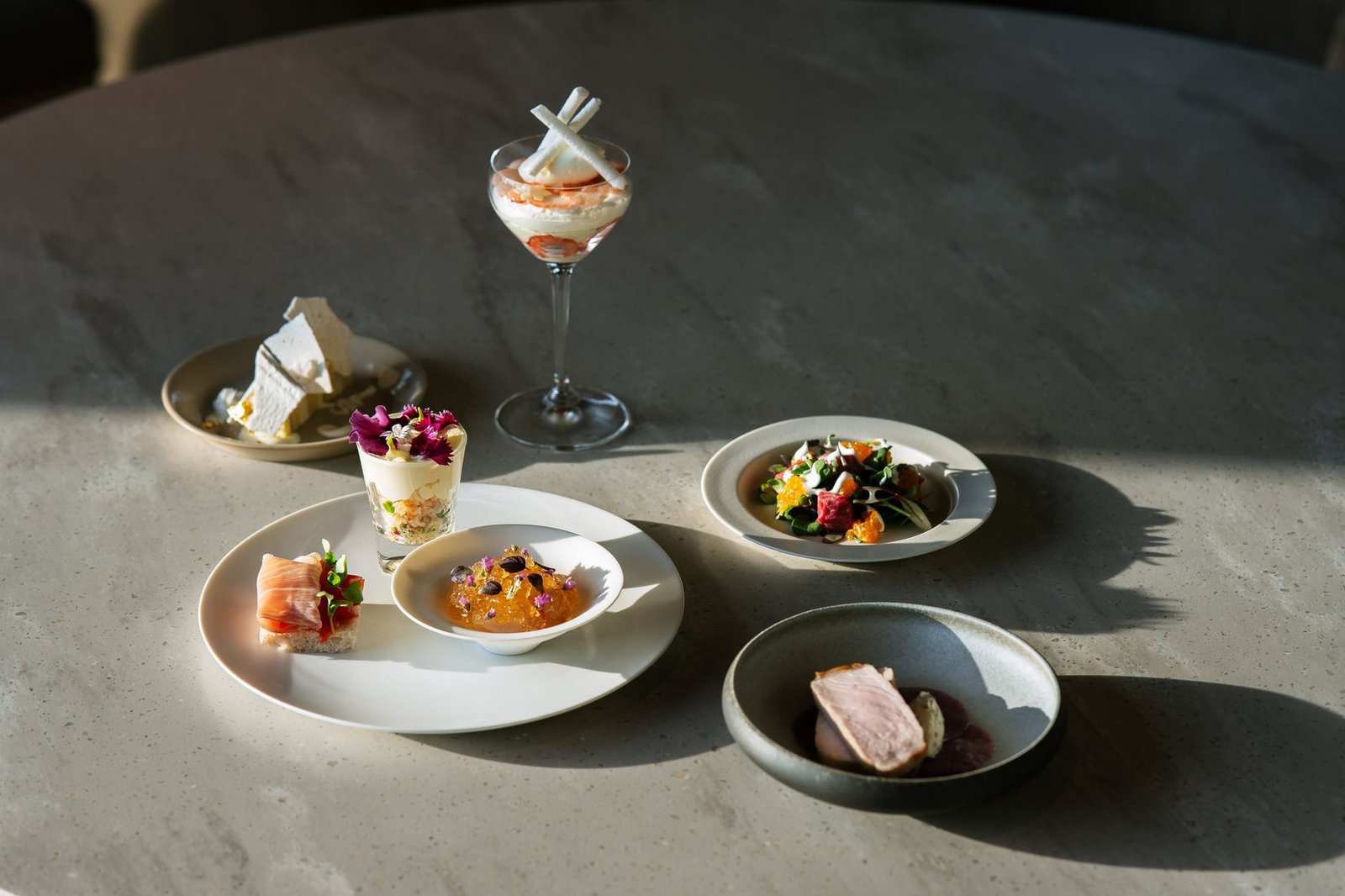
Chef’s counter dining changes how a meal unfolds. Instead of scanning a menu and choosing, you surrender to a carefully sequenced tasting that plays with temperature, texture, and aroma in front of an open kitchen. The most memorable nights feel precise yet human: a spoon arrives warm with a silky bite, a sauce is whisked and sauced seconds later, the room hushes as plates land in unison. This guide explains how to read the flow of a tasting, choose pairings that enhance rather than overwhelm, handle the etiquette that keeps the room focused, and plan the logistics that make the evening feel effortless.
Reading the Arc of a Tasting Menu
A thoughtfully built progression usually opens with bright, saline bites, moves into warmer, richer preparations, then drifts back toward delicacy before dessert. Expect shifts that reset your palate: an amuse-bouche to wake it up, a citrusy intermezzo, a broth that clears lingering fat. New York’s counter restaurants often build entire sequences around seasonal seafood or vegetables, a style that has come to define much of fine dining in New York. Watch how acidity and umami are threaded course to course; a briny shellfish spoon might foreshadow a later dish layered with caviar or uni, while a buttery fish may anticipate a leaner meat course capped with a jus.
Pacing matters. Resist treating bread service as dinner; tasting portions are calibrated with great precision, and filling up early blunts the design. If you have allergies or strong aversions, share them when you reserve and again when seated, not during the meal. Chefs can often pivot within a course, but unexpected swaps risk disrupting timing for the entire counter. Let the menu’s narrative lead; you will taste more nuance if you do not add salt or request extra heat unless the kitchen indicates otherwise.
Counter Seating: What Changes When You Face the Line
Sitting at the counter turns the kitchen into theater. You will see copper pans glaze over, hear the quiet click of plating tweezers, and smell browned butter a moment before it’s poured. Service becomes choreography: runners pace deliveries so the chef can finish a dish in front of you, and servers retrieve empties so hot plates never cross cold ones. Speak softly; the line is listening for temperatures and cues. If you are a curious diner, save questions for natural pauses, like between courses or while a cook wipes the station.
The intimacy has trade-offs. Counter stools can feel taller and firmer than dining chairs, often with a footrest that you should use to keep posture comfortable during a long service. You gain immediacy and chef interaction but sacrifice some privacy and table space. Bags are better stored on a hook or stand if provided, not at your feet where staff may need to move quickly. If you hope for a long, private conversation, ask whether standard tables are available; a counter seat rewards guests who enjoy the energy of the line.
Pairings Without Fatigue: Wine, Tea, and Temperance
A classic pairing flight maps acidity, weight, and aromatics to the kitchen’s arc. Wines with high acidity or Champagne often meet raw or chilled seafood because they mirror brine and slice through natural sweetness. Later, a silky red with fine tannins can frame a seared protein without smothering delicate sauces. If you want discovery without overload, ask the sommelier about smaller pours, a shorter pairing, or a two-glass plan anchored by a versatile bottle. Glassware matters too: a tall Riesling stem tightens aromatics, while a wider Burgundy bowl softens structure for lighter reds.
For drinks with less alcohol or no alcohol, many programs offer oolong or roasted barley tea, blends made with verjus, or clarified juices layered with herbs and spices. These can cut richness like wine does, especially when they deliver acidity and bitterness in balance. One practical strategy is to alternate water with sips of the pairing; that keeps your palate alert and helps you taste the final desserts with clarity. Avoid sugary beverages early in the sequence, which can dull how you perceive salt, acid, and subtle bitterness in later savory courses.
Etiquette That Respects the Room and the Craft
Most counters seat at fixed times. Arrive early enough to settle coats, silence phones, and breathe. Heavy fragrance can overpower delicate broths and smoke from the grill, so keep it light or skip it. Photography is typically fine if you are discreet: turn off flash, avoid leaning into the pass, and keep your phone low. If a signature dish arrives with instructions, follow them. Temperature and texture are sensitive to timing; a quenelle meant to melt into a sauce will not sing ten minutes later.
Customization has limits in a tasting format. Vegetarian paths or menus without shellfish are often feasible with advance notice, but requesting an unexpected switch from game to fish may not be. If you cannot eat an element, leave it in place rather than rearranging components, which can alter how the next course lands. Trust the cutlery cadence; the team will reset forks, knives, and spoons as needed. If a utensil drops, leave it where it falls so staff can replace it safely instead of reaching under the counter yourself.
Planning and Practicalities for a Smooth Night
Seats at chef’s counters are limited, and many restaurants open reservations on a predictable cycle. Set a calendar reminder for release times, confirm the cancellation window, and note any reconfirmation requests so your booking does not lapse. Plan your transit with a buffer; counters begin service together, and late arrivals can miss the opening sequence. Eat lightly earlier in the day, hydrate, and bring an extra layer if the room runs cool. If you tend to chill at the counter, ask for a seat away from the door when booking.
Small choices before and after the meal can deepen the experience. Take notes on courses you find compelling and why: Was it the contrast of a crisp tuile against a custard, the salinity of sea urchin against rice, the way a citrus gel lifted a butter sauce? Specifics help you recall the craft rather than just the occasion. If you plan to give feedback, share it thoughtfully and at a calm moment, not while the line is plating. And leave a little white space in your night. A tasting menu is designed as a complete arc; letting it be the only plan makes the memory sharper.


When Your Brand Name Collides With a Prior Mark: A Practical Framework for Trademark Clearance and Next Moves

How to Get the Most From a Chef’s Counter Tasting Menu

Still Sharing Your Family’s Health Cover? When Does Having Your Own Medical Insurance Make Sense

Who Is Kathryn Burrhus? The Inspiring Journey of Steve Austin’s High School Sweetheart

How to Add, Subtract and Simplify Fractions: Step-by-Step With Examples

Sleep Tracking Ring: A Thoughtful Choice for Sleep Gifts in 2026

What Is OpenSkyNews and Who Are Its Two Co-Founders?

Who Is Tanja Rosner? The Untold Life Story of Tate McRae’s Mother

Who Is Jaisal Andrews? Inside the Life of Naveen Andrews’ Son

Who Is Saffron Le Bon? The Untold Life Story of Benjamin Compston’s Wife

Who Is Kerri Browitt Caviezel? The Inspiring Life Story of Jim Caviezel’s Wife

Who Is Otelia Cox? The Remarkable Life Story of Tony Cox’s Wife
-
 Entertainment3 months ago
What Is OpenSkyNews and Who Are Its Two Co-Founders?
-
 Celebrity3 months ago
Who Is Tanja Rosner? The Untold Life Story of Tate McRae’s Mother
-
 Celebrity3 months ago
Who Is Jaisal Andrews? Inside the Life of Naveen Andrews’ Son
-
 Celebrity3 months ago
Who Is Saffron Le Bon? The Untold Life Story of Benjamin Compston’s Wife
-
 Celebrity3 months ago
Who Is Kerri Browitt Caviezel? The Inspiring Life Story of Jim Caviezel’s Wife
-
 Celebrity3 months ago
Who Is Otelia Cox? The Remarkable Life Story of Tony Cox’s Wife
-

 Celebrity3 months ago
Who Is Sue Johnston? The Remarkable Life Story of Joel Palmentor’s Mother
-

 Software2 months ago
Voozon.com Explained: What It Really Is Behind the “Knowledge Platform” Label