Real State
Bodenxt Explained: The Real Boden, Sweden Story Behind a Fabricated Brand Name

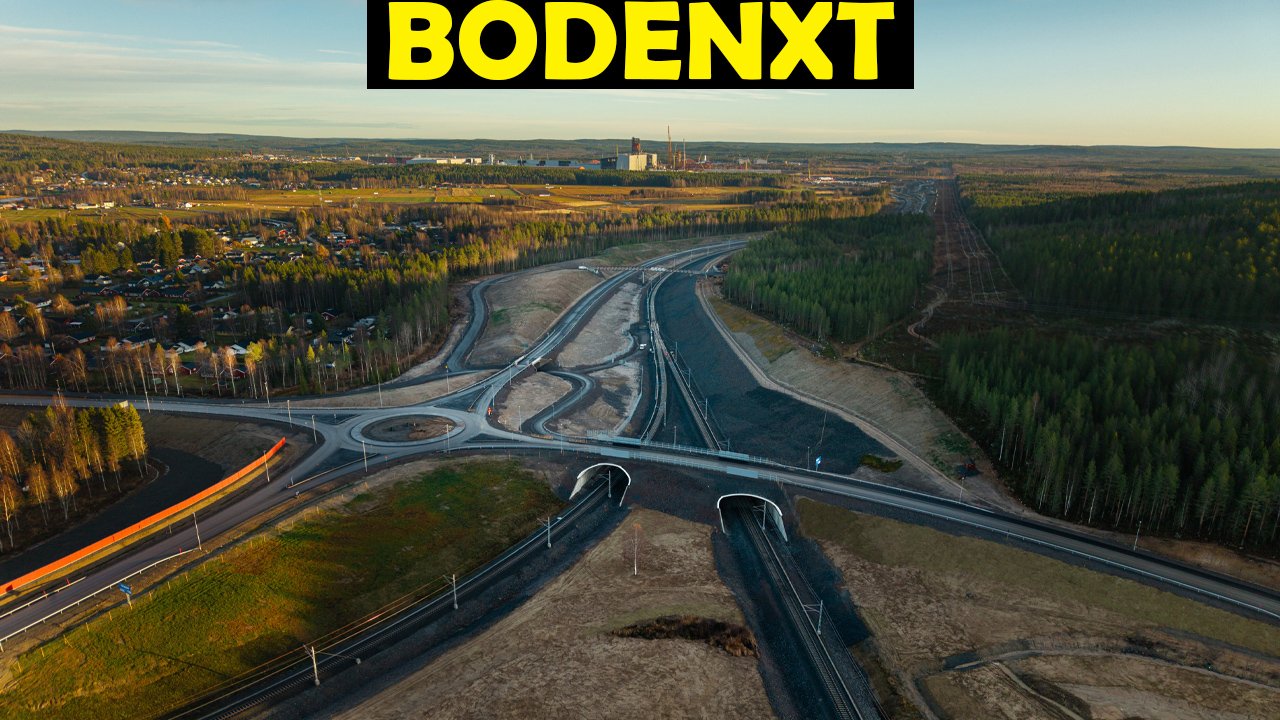
Bodenxt is not an official name used by any government body, company, or organization involved in Boden, Sweden’s genuine, well-documented green steel transformation, despite a cluster of content-mill articles presenting it as an established movement or platform. This article covers what’s actually happening in Boden, why “Bodenxt” doesn’t correspond to any verified official initiative, and how to evaluate this kind of rebranded real-world story elsewhere online.
What Is Actually Happening in Boden, Sweden?
Boden, a municipality in Sweden’s northern Norrbotten region, is genuinely home to a major green steel facility now operated by Stegra, previously known as H2 Green Steel, representing one of the world’s first large-scale hydrogen-based steel plants.
The facility uses hydrogen-based direct reduced iron technology combined with electric arc furnaces powered by renewable electricity, a genuinely documented alternative to traditional coal-based steelmaking that produces significantly lower carbon emissions across the production process.
Independent project documentation confirms planned annual capacity of roughly 2 million tonnes of iron and 5 million tonnes of steel, alongside approximately 1,500 expected jobs once the facility reaches full operation.
How Is This Real Project Actually Funded?
The Boden steel plant secured roughly 6.5 billion euros in total financing as of early 2024, including 3.5 billion euros in senior debt, alongside a 265 million euro direct grant from the European Commission’s Recovery and Resilience Facility.
Nordic Investment Bank documentation confirms its own loan specifically to H2 Green Steel Boden AB, the entity behind the facility, providing independent, verifiable confirmation of the project’s genuine financial backing beyond the company’s own announcements.
This level of documented, independently verifiable financing distinguishes the real Boden project clearly from any vague, undocumented “movement” or “platform” framing found in secondary content describing it under the invented Bodenxt label.
What Does “Bodenxt” Actually Claim to Be?
A cluster of content sites, including a domain specifically called bodenxt.net alongside several similarly structured blogs, describes Bodenxt as “a powerful concept and movement centered around transformative societal growth, sustainability, innovation, and community development.”
These sites frame Bodenxt as a development initiative built around five claimed pillars, workforce development, housing, business growth, infrastructure, and sustainability, allegedly rooted in Boden’s real green steel and railway expansion projects.
Examining bodenxt.net specifically reveals it functions as a general-purpose blog platform publishing content across unrelated categories, including farmers markets, SEO services, and weight-loss topics, rather than operating as any kind of genuine organization or initiative.
Why Doesn’t Bodenxt Correspond to Any Verified Official Initiative?
No official Boden municipality communication, Stegra corporate material, Nordic Investment Bank documentation, or Swedish government source uses the term “Bodenxt” to describe the genuine green steel transformation or any related regional development effort.
The specific five-pillar framework, workforce development, housing, business growth, infrastructure, and sustainability, attributed to “Bodenxt” doesn’t appear in any of the genuine project documentation describing the real Stegra facility or its surrounding regional development.
This absence across every genuinely authoritative source is a meaningful signal that Bodenxt functions as a content-mill branding exercise built around real events, rather than reflecting any officially named initiative recognized by the organizations actually involved.
Why Would Content Operations Invent a Brand Name for a Real Story?
Boden’s genuine green steel transformation represents a substantial, newsworthy regional development story, creating genuine search interest from readers curious about the project, its funding, and its broader regional economic impact.
Attaching an invented, distinctive-sounding brand name like “Bodenxt” to this real story allows content operations to create seemingly original, ownable content around already-newsworthy events without needing to break any genuinely new information themselves.
This pattern has been documented across other cases where a real underlying event or place gets wrapped in fabricated branding, creating an impression of a named platform or movement that doesn’t actually exist among the organizations genuinely involved.
What Should You Check Before Trusting Content About Bodenxt?
Checking a claimed regional development brand name against genuine project documentation and independent financial records is a reasonable first verification step before trusting content describing it as an official initiative or movement. Global Energy Monitor’s documentation of the Stegra Boden steel plant provides independently sourced facts about the real underlying project.
Cross-referencing a claimed development initiative’s funding against independent financial institution records, rather than trusting a blog’s own description, provides a more reliable picture of what’s actually happening. Nordic Investment Bank’s loan record for H2 Green Steel Boden AB documents genuine, verifiable financing for the real facility.
Being specifically skeptical of a distinctive brand name attached to a real regional story, when no official source from the organizations actually involved uses that same name, is a reasonable, practical verification habit.
How Does This Case Compare to Other Rebranded Real Stories?
Bodenxt’s pattern, a genuine, well-documented real-world project wrapped in an invented, distinctive-sounding brand name by unrelated content operations, closely resembles other documented cases of real news events repackaged under fabricated umbrella terms.
This recurring structure is worth recognizing broadly, since a search result confidently describing a named “movement” or “platform” doesn’t confirm that any organization actually involved in the underlying real story recognizes or uses that specific name.
Readers who notice this pattern, real underlying facts paired with an unverified invented brand name, can apply calibrated skepticism the next time a similarly distinctive-sounding term appears attached to genuine regional or industry news.
What Broader Lesson Does This Case Offer?
A real, well-documented project or event doesn’t confirm that every brand name or framing attached to it in secondary content is genuinely official, since content operations can invent distinctive names around already-newsworthy real stories.
Readers benefit from separately verifying the underlying facts, funding, capacity, timeline, from any specific brand name or umbrella term a secondary source attaches to those facts, treating the two as independently checkable claims.
How Should You Approach a Similarly Branded Regional Story?
Approaching any regional development story with an unfamiliar, distinctive brand name attached with a structured verification checklist, checking official sources and independent financial records, is more reliable than trusting a confident secondary description alone.
Start by checking whether any organization genuinely involved, a government body, a company, a financial institution, actually uses the specific brand name in question within their own official communications or documentation.
Then verify the underlying factual claims, funding figures, capacity numbers, timelines, against independent sources separately, since these facts can be genuinely accurate even when the specific brand name attached to them is entirely invented.
Why Does This Pattern Matter Beyond This Specific Case?
Invented brand names attached to real regional development or industry stories recur across many content categories, not just in this specific case involving Boden’s genuine green steel transformation and the fabricated Bodenxt label.
Recognizing this recurring structure helps readers apply consistent, appropriately calibrated skepticism whenever they encounter a distinctive-sounding brand name attached to an otherwise genuinely newsworthy regional or industry development.
What Should You Take Away From This Overall?
Boden, Sweden’s green steel transformation, centered on the genuine Stegra facility, is a real, well-documented, independently financed industrial project, but “Bodenxt” itself is not an officially recognized name used by any organization genuinely involved in that transformation.
Readers genuinely interested in the real story are better served consulting independent project documentation and financial records directly rather than treating Bodenxt as an established, officially recognized brand or movement.
What Does Boden’s Broader Regional Transformation Actually Involve?
Beyond the Stegra steel plant itself, Boden’s genuine regional transformation includes documented infrastructure investment, including railway capacity expansion, intended to support the logistics needs of a facility expected to move millions of tonnes of raw material and finished steel annually.
Housing and workforce development are also genuinely documented regional concerns, since a facility employing roughly 1,500 workers directly, alongside considerably more indirect jobs, creates real demand for local housing and services in a historically smaller northern Swedish municipality.
These genuine regional development needs, housing, infrastructure, workforce training, are exactly the kind of real underlying concerns that content operations can plausibly attach an invented brand name to, since they reflect authentic secondary effects of the real steel plant project.
Recognizing that these genuine regional needs exist independently of any specific brand name attached to them helps readers separate real, checkable regional development facts from unverified branding built around those same real underlying circumstances.
What Should Readers Specifically Watch For in Regional Development Content?
Regional development stories involving major industrial investment, like Boden’s green steel transformation, are exactly the kind of genuinely newsworthy events that attract secondary content built around invented brand names or claimed movements without official backing.
Checking whether a claimed regional development brand appears in any local government press release, municipal planning document, or established news outlet’s own reporting is a reasonable verification step before treating that name as officially recognized.
Being aware that a distinctive, catchy brand name attached to a real regional story might originate entirely from content-mill operations, rather than from any government body or company genuinely involved, is a reasonable, practical expectation for this kind of content.
This same verification approach, checking official sources before accepting a branded framing at face value, applies usefully to other major regional industrial or development stories readers might encounter with similarly distinctive, unverified branding attached.
Why Does This Kind of Fact-Checking Matter for Investors and Job Seekers?
Anyone considering an investment, business partnership, or job opportunity connected to Boden’s regional transformation has a particularly strong reason to separately verify official sources, since decisions based on unverified branded claims carry genuine real-world financial and career consequences.
Checking a prospective employer’s or partner’s actual legal name and official documentation, rather than relying on a branded term found in secondary content, is a reasonable, practical due diligence step before making any significant financial or career decision.
This distinction matters considerably more here than it would for a purely informational curiosity search, since misidentifying the actual organizations behind a real regional project could lead to genuine confusion when trying to verify job postings, contracts, or investment opportunities.
One Final Note on Approaching Coverage Like This
Curiosity about a major regional industrial transformation like Boden’s is entirely reasonable, and satisfying that curiosity responsibly simply means checking official sources before accepting a distinctive, unverified brand name as an established, officially recognized initiative.
This same closing habit, verify the underlying facts and the specific brand name separately, is worth carrying into any future encounter with a genuinely newsworthy regional or industrial story wrapped in an unfamiliar, catchy secondary label.
Conclusion
Boden, Sweden’s green steel transformation, centered on the genuine, independently financed Stegra facility, is a real and well-documented industrial project, but “Bodenxt” is not an officially recognized name used by any organization actually involved in that transformation. Readers genuinely interested in the real story are better served consulting independent project documentation and financial records rather than treating Bodenxt as an established brand or movement.
Frequently Asked Questions
Is Bodenxt a real organization or company?
No official documentation from Boden’s municipality, Stegra, or independent financial institutions uses this name. It appears to be a content-mill brand attached to the real, separately documented green steel transformation project.
What is actually happening in Boden, Sweden?
Boden is genuinely home to a major hydrogen-based green steel facility operated by Stegra, formerly H2 Green Steel, representing one of the world’s first large-scale sustainable steel plants with independently confirmed financing.
How is the real Boden steel plant funded?
It secured roughly 6.5 billion euros in total financing, including a 265 million euro European Commission grant, with Nordic Investment Bank records independently confirming a direct loan to the project entity overall.
Why do articles describe “Bodenxt” as a movement or platform?
Content operations appear to have attached an invented, distinctive brand name to Boden’s genuine, newsworthy green steel story, creating seemingly original content around already-real events without any official basis for the specific name.
How can I verify claims about a regional development brand name?
Check whether any organization actually involved, government, company, or financial institution, uses the specific name in their own official communications, and verify underlying facts against independent, authoritative sources separately overall.


How Does Webinkey.com Work? A Step-by-Step Overview

Afextop Com Explained: What It Is and How It Works

When Water Gets In: First 48 Hour Decisions That Save Walls, Floors, and Sanity

Reroof or Tear Off? Wet Climate Decisions That Make a New Roof Last in Seattle

The Role of Field of View in Camera Installation Planning

What Is Unbanned G+ and How Do People Use It Today?

Who Is Jaisal Andrews? Inside the Life of Naveen Andrews’ Son

Who Is Tanja Rosner? The Untold Life Story of Tate McRae’s Mother

Who Is Saffron Le Bon? The Untold Life Story of Benjamin Compston’s Wife

Who Is Sue Johnston? The Remarkable Life Story of Joel Palmentor’s Mother

Voozon.com Explained: What It Really Is Behind the “Knowledge Platform” Label

Who Is Kerri Browitt Caviezel? The Inspiring Life Story of Jim Caviezel’s Wife
-
 Celebrity2 months ago
Who Is Jaisal Andrews? Inside the Life of Naveen Andrews’ Son
-
 Celebrity2 months ago
Who Is Tanja Rosner? The Untold Life Story of Tate McRae’s Mother
-
 Celebrity2 months ago
Who Is Saffron Le Bon? The Untold Life Story of Benjamin Compston’s Wife
-
 Celebrity2 months ago
Who Is Sue Johnston? The Remarkable Life Story of Joel Palmentor’s Mother
-
 Software1 month ago
Voozon.com Explained: What It Really Is Behind the “Knowledge Platform” Label
-
 Celebrity2 months ago
Who Is Kerri Browitt Caviezel? The Inspiring Life Story of Jim Caviezel’s Wife
-

 Celebrity2 months ago
Who Is Otelia Cox? The Remarkable Life Story of Tony Cox’s Wife
-

 News2 months ago
Money6x.com: What This Personal Finance Platform Offers