Lifestyle
Reroof or Tear Off? Wet Climate Decisions That Make a New Roof Last in Seattle

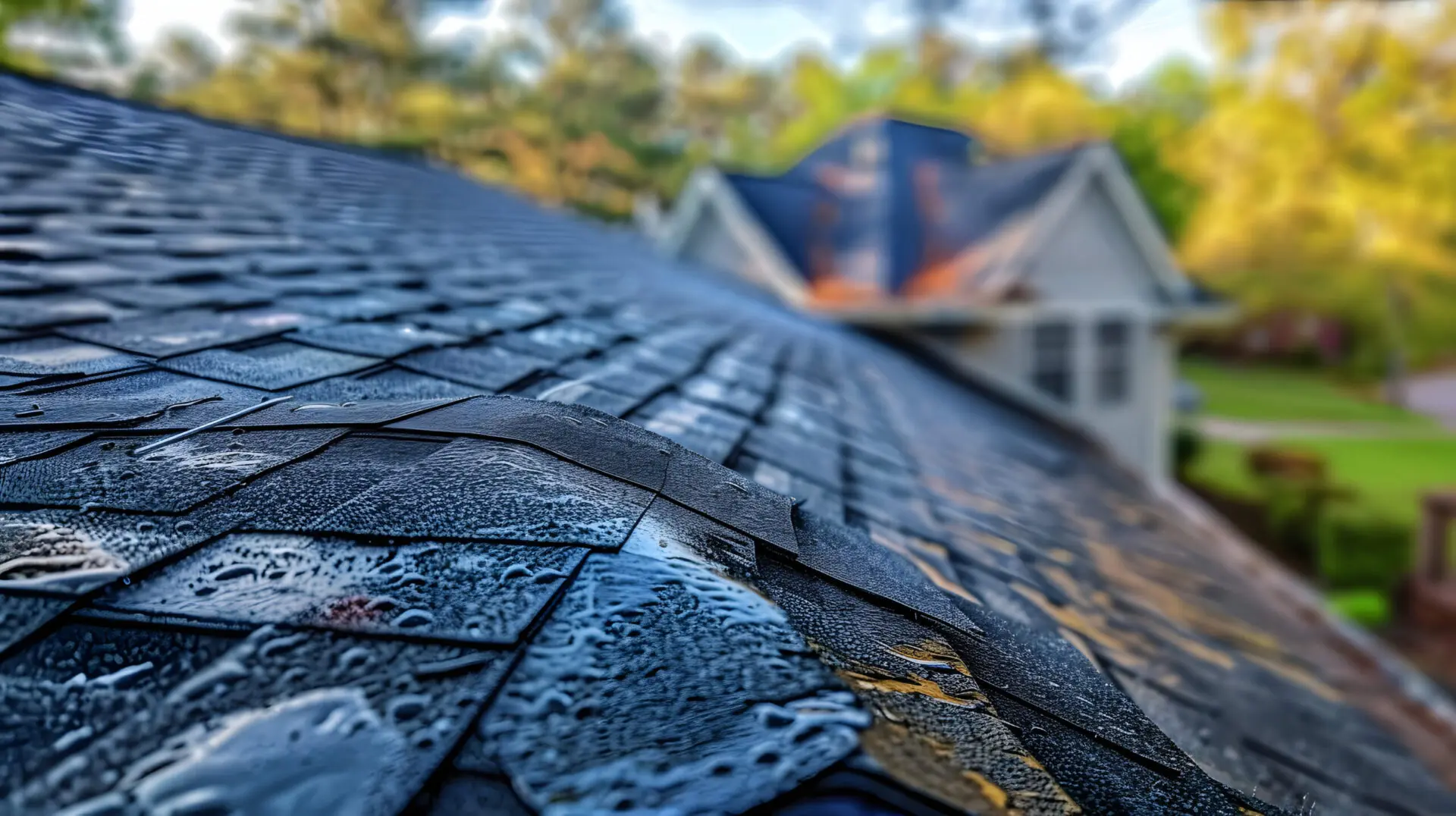
Rain, wind, and moss test every seam and fastener on a Pacific Northwest home. When it is time for a new roof or a reroof, success in this climate depends less on brand name and more on your choices for slope-appropriate materials, underlayment, flashing, ventilation, and installation sequencing. This article offers a practical decision framework focused on wet weather performance. It is not about patching issues or quick fixes. Instead, it highlights how details like step flashing, ridge vents, and ice-and-water membranes can extend service life and reduce leak callbacks in a region where moisture rarely takes a day off.
- Rain, Wind, and Moss: How Seattle’s Climate Shapes Material and Profile Choices
Persistent moisture and wind-driven rain favor materials and profiles that shed water efficiently and resist biological growth. Architectural asphalt shingles with algae-resistant granules work well on pitched roofs and reduce streaking. Standing seam metal sheds debris and moss quickly and adds fewer horizontal laps for wind to exploit. On low-slope areas, use systems rated for the pitch involved: some shingles require double underlayment at 2:12, while porch roofs or dormer tie-ins may need self-adhered modified bitumen or a fully adhered membrane to avoid capillary leaks.
In Seattle, WA, shaded north faces tend to grow moss that can lift shingle edges and slow runoff. A higher profile shingle can trap more debris in deep shadow lines, while a smoother metal panel sheds it. Open metal valleys move water faster in heavy rain, but closed cut shingle valleys can look cleaner. The trade-off is clear: prioritize swift drainage and easy cleaning where needles collect, and consider algae-resistant shingles or metal where moisture is strongest.
- Deciding Between an Overlay and a Full Tear-Off
Overlaying a new shingle layer on an existing roof is attractive for short-term disruption. It creates less waste, but hidden problems can be costly. A full tear-off exposes the roof deck so soft OSB or delaminated plywood can be replaced, nails can achieve full penetration, and wall, chimney, and skylight flashing can be rebuilt from the deck out. Many jurisdictions limit the number of roof layers, and the extra weight of an overlay can stress framing and reduce ventilation at eaves and ridges.
Consider a common scenario: a 1970s bungalow with two layers of shingles and a chimney tucked into a sidewall. An overlay preserves tired step flashing, buries old nail holes, and leaves questionable felt sandwiched in place. A tear-off lets you install new tear-off shingling with proper counterflashing, fresh ice-and-water shield, and a sealed cricket behind the chimney to split the water. The short-term savshort-term overlay often shrinks when compared to the longer service life and leak resistance of a clean rebuild.
- Underlayment, Flashing, and Edge Metal That Keep Water Out
Underlayment is the roof’s continuous secondary water barrier. Synthetic underlayment resists tearing in wind and provides better protection during installation than standard 15-pound felt. Starter strips at eaves, with factory-applied adhesive, help lock the first course against uplift, and a metal drip edge prevents capillary action from curling water behind the fascia.
Flashing is where many leaks begin and end. Rebuild sidewall transitions with individual step flashing pieces woven with courses, then add counterflashing into the siding or masonry. Install kickout flashing where a roof terminates into a vertical wall to send water into the gutter, not behind it. Use properly sized pipe boots and factory skylight flashing kits rather than field-bent improvisations. This is a budget trade-off: upgraded underlayments and full flashing replacement add cost on day one, but they cost far less than opening finished interiors to chase leaks later.
- Ventilation and Attic Moisture During Replacement
Effective ventilation is not cosmetic; it is moisture control. Balanced intake at soffit vents and exhaust at a continuous ridge vent create a pressure-driven path that pulls out warm, moist air. That reduces condensation on the underside of the roof deck, lowers shingle surface temperatures in summer, and helps keep insulation dry. During a re-roof or replacement, add baffles at the eaves; blown-in insulation doesn’t block airflow, and inspect for darkened sheathing, which signals past condensation.
A common mistake is mixing box vents with a ridge vent. Air will short-circuit out of the nearest hole instead of sweeping the entire attic. Choose one system and size it correctly for the attic volume. Also verify that bathroom and kitchen fans terminate outdoors through a roof cap with a damper, not into the attic. On metal roofs, you still need attic airflow to protect the deck. In low-slope areas with membrane roofing, vent the wider attic cavity, and add vapor diffusion ports only where the assembly is designed for them.
Timing, Sequencing, and Onsite Protection in a Rainy Season
Tear-offs should be planned around a stable window in the forecast, but weather changes faster than plans. Crews should strip only what they can dry the same day. That means installing ice-and-water barriers at eaves and valleys and getting continuous synthetic underlayment down before any overnight exposure. Staging tarps and setting temporary ridge protection aren’t extras here; they are standard wet-climate practice.
Sequencing details matter for water management. Install drip edge at eaves under the underlayment and at rakes over it, per manufacturer instructions, then add gutters after the roof is complete so hangers do not pierce fresh membranes. Protect landscaping with plywood and breathable coverings, place dumpsters to avoid rutting wet soil, and finish with a magnetic sweep to retrieve nails that hide in saturated grass. Small setup and cleanup choices prevent dents in metal panels, stains on concrete, and tire punctures long after the last shingle is nailed.
In a rain-heavy region, longevity comes from deliberate choices: using pitch-appropriate materials, prioritizing open water paths, rebuilding flashing correctly, upgrading underlayment where exposure is greatest, and balancing attic ventilation. Ask for proposals that specify products and details at eaves, valleys, and walls, explain how intake and exhaust will be balanced, and confirm that fans will vent outdoors. Those answers, more than any brochure photo, predict how well a roof will handle years of gray skies and gusty weekends on the Sound.


When Water Gets In: First 48 Hour Decisions That Save Walls, Floors, and Sanity

Reroof or Tear Off? Wet Climate Decisions That Make a New Roof Last in Seattle

The Role of Field of View in Camera Installation Planning

What Is Unbanned G+ and How Do People Use It Today?

5G Connectivity: How the Next Generation of Mobile Networks Is Changing Technology

Barapk Org Review 2026: Features, Risks, and Alternatives

Who Is Jaisal Andrews? Inside the Life of Naveen Andrews’ Son

Who Is Tanja Rosner? The Untold Life Story of Tate McRae’s Mother

Who Is Saffron Le Bon? The Untold Life Story of Benjamin Compston’s Wife

Who Is Sue Johnston? The Remarkable Life Story of Joel Palmentor’s Mother

Voozon.com Explained: What It Really Is Behind the “Knowledge Platform” Label

Who Is Otelia Cox? The Remarkable Life Story of Tony Cox’s Wife
-
 Celebrity2 months ago
Who Is Jaisal Andrews? Inside the Life of Naveen Andrews’ Son
-
 Celebrity2 months ago
Who Is Tanja Rosner? The Untold Life Story of Tate McRae’s Mother
-
 Celebrity2 months ago
Who Is Saffron Le Bon? The Untold Life Story of Benjamin Compston’s Wife
-
 Celebrity2 months ago
Who Is Sue Johnston? The Remarkable Life Story of Joel Palmentor’s Mother
-
 Software1 month ago
Voozon.com Explained: What It Really Is Behind the “Knowledge Platform” Label
-
 Celebrity2 months ago
Who Is Otelia Cox? The Remarkable Life Story of Tony Cox’s Wife
-

 Celebrity2 months ago
Who Is Kerri Browitt Caviezel? The Inspiring Life Story of Jim Caviezel’s Wife
-

 News2 months ago
Money6x.com: What This Personal Finance Platform Offers