Technology
Bumetro Explained: Fact-Checking a Fabricated Term for an Already Real Transit Concept

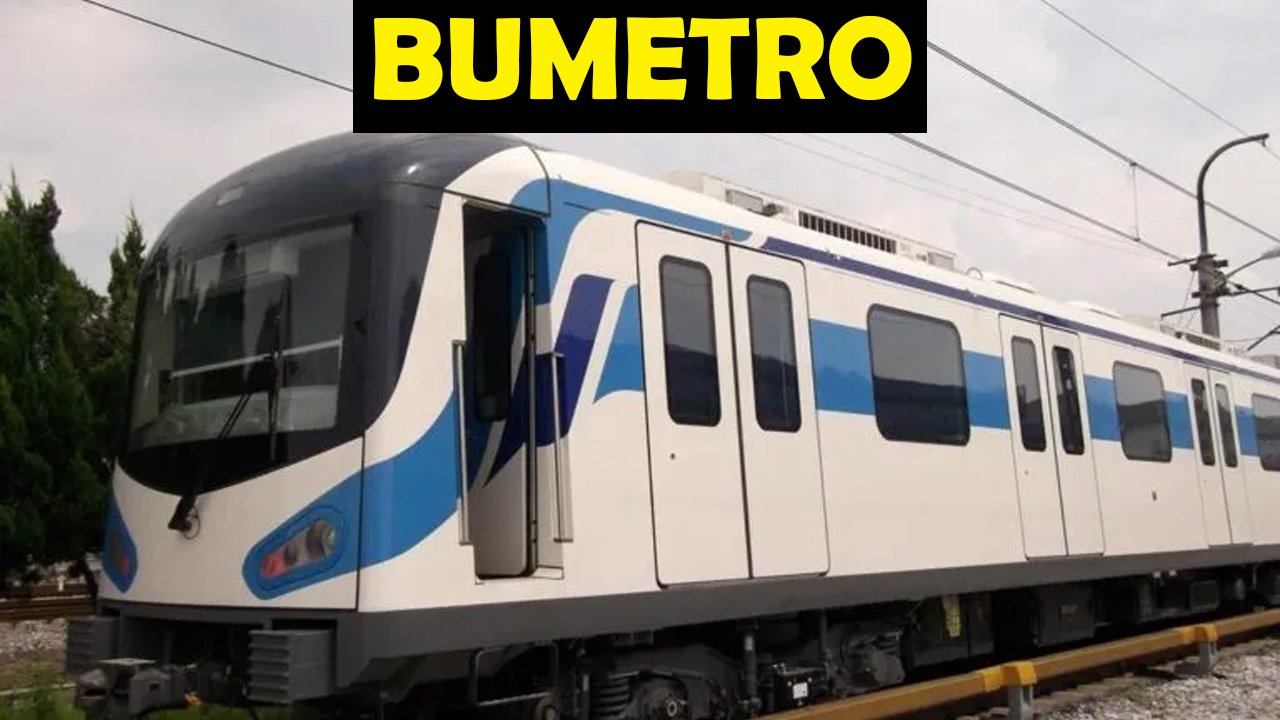
Bumetro is not the name of any confirmed, officially operating transit system in any city, despite a cluster of articles describing it as a “smart mobility platform” or standalone transit brand, and the concept it actually describes, high-capacity buses running on dedicated lanes with rail-like organization, already has a genuine, well-established name: Bus Rapid Transit. This article covers what bumetro content actually claims, why the real underlying concept already exists under a different name, and how to evaluate similarly repackaged transit terms elsewhere online.
What Do Articles About Bumetro Actually Claim?
A cluster of articles describes bumetro as “a bus-based urban transit system modeled after metro rail networks, designed to provide high-capacity, high-frequency transportation using dedicated bus lanes and structured route planning.”
These same sources describe bumetro functioning through dedicated infrastructure, fixed corridors, prioritized lanes, station-style boarding, alongside rail-like scheduling organization, despite using buses rather than trains as the actual vehicle running along these routes.
Some of the same content explicitly treats bumetro as essentially synonymous with Bus Rapid Transit, describing it as a practical middle ground between conventional bus service and considerably more expensive subway infrastructure.
Does Any City Actually Operate a Transit System Called Bumetro?
Searching specifically for a confirmed, officially named “Bumetro” transit authority, city government, or public transportation agency returns no genuine results beyond the same cluster of templated explainer articles describing the general concept.
No transit agency website, government transportation department, or established transit news outlet documents an officially operating system under this specific name in any city, suggesting the term doesn’t correspond to any single real, named transit brand.
This absence is a meaningful signal distinct from simply being an obscure or newly launched system, since even genuinely new transit systems typically generate some independent news coverage or official government documentation beyond templated explainer content.
What Does the Real Underlying Transit Concept Actually Look Like?
Bus Rapid Transit, the genuine, well-documented transit concept that bumetro content actually describes, has existed for decades, combining dedicated bus lanes, off-board fare collection, and level boarding to approximate rail-like speed and reliability using buses.
This genuine concept is documented extensively by transportation planning organizations, implemented in numerous real, named cities worldwide, including well-known systems in Bogota, Curitiba, and Cairo, each independently verifiable through government and transit authority sources.
Recognizing that bumetro’s described characteristics, dedicated lanes, station-style boarding, rail-like scheduling, match Bus Rapid Transit’s already-established definition almost exactly is the key fact that clarifies what’s actually happening with this specific term.
Why Would Content Operations Invent a New Name for an Existing Concept?
Bus Rapid Transit is a genuinely useful, search-relevant topic for readers interested in urban transportation and city planning, but it’s also a well-covered term with considerable existing competition from established transportation planning organizations and news outlets.
Inventing a fresh, unfamiliar-sounding term like “bumetro” to describe the same underlying concept allows content operations to create seemingly original, search-optimized content without competing directly against already well-established, authoritative sources covering Bus Rapid Transit under its genuine name.
This pattern has been documented across other cases where an already well-established concept gets repackaged under an invented brand name, creating the impression of a novel system or platform that doesn’t actually exist as a distinct entity.
Should You Trust Content Describing Bumetro as an Established System?
Readers should treat any confident description of bumetro as a specific, operating transit brand or platform with real skepticism, given the absence of any government, transit authority, or established news source confirming a system under this specific name.
This doesn’t mean the underlying concept being described, dedicated bus lanes with rail-like organization, is itself questionable, Bus Rapid Transit is a genuinely well-documented, extensively implemented transit approach used in real cities worldwide under its own established name.
What’s specifically unverified is the implication that “bumetro” names a distinct, identifiable system or platform, rather than simply being a rebranded description of an already well-established transit concept under new packaging.
What Should You Check Before Trusting a Similar Transit Term?
Checking an unfamiliar transit term against established transportation planning organizations and their documented standards is a reasonable first verification step before accepting a source’s framing of it as a distinct, novel system. ITDP’s explainer on what BRT is and why cities need it documents the genuine, well-established concept bumetro content actually describes.
Cross-referencing a claimed transit system against Wikipedia’s independently sourced, extensively documented entry on the broader transit category provides useful additional confirmation of what’s genuinely established versus newly invented. Wikipedia’s entry on Bus Rapid Transit documents the concept’s real history, implementations, and defining characteristics in detail.
Being specifically skeptical of an unfamiliar transit brand name whose described features exactly match an already well-established, differently named concept is a reasonable, practical verification habit worth applying broadly.
How Does This Case Compare to Other Rebranded Concepts?
Bumetro’s pattern, an invented brand name applied to an already well-established, differently named concept, closely resembles other documented cases where content operations repackage existing ideas under fresh, search-friendly terminology.
This differs somewhat from a fully fabricated concept describing something that doesn’t exist at all, since the underlying transit approach bumetro describes is genuinely real and extensively implemented, just under its own established name rather than this specific invented one.
Readers who notice this specific combination, a plausible-sounding new term whose described features exactly match an existing, well-documented concept, can apply calibrated skepticism the next time a similarly repackaged term appears in search results.
What Broader Lesson Does This Case Offer?
A transit term sounding plausible and technically detailed doesn’t confirm it names a distinct, genuinely operating system, particularly when its described characteristics match an already well-established concept under a different, verifiable name.
Readers benefit from checking any unfamiliar transportation term against established planning organizations and transit authorities directly, rather than assuming a confident-sounding explainer article accurately reflects a genuinely distinct, newly named system.
How Should You Approach a Similarly Unfamiliar Transit Term?
Approaching any newly encountered transit or infrastructure term with a structured verification checklist, checking established planning organizations and looking for actual named implementations, is more reliable than trusting confident technical-sounding packaging alone.
Start by checking whether any government transit authority or established news source documents a system under the specific claimed name, since a genuinely operating system usually generates some independent, verifiable coverage beyond templated explainer content.
Then compare the term’s described features against already well-established transit categories, since a suspiciously exact match often indicates rebranding rather than a genuinely distinct, newly developed transit concept or system.
Why Does This Pattern Matter Beyond This Specific Term?
Invented brand names applied to already well-established concepts recur across many technical and infrastructure content categories, not just in this specific case involving bumetro and the genuine Bus Rapid Transit concept.
Recognizing this recurring structure helps readers apply consistent, appropriately calibrated skepticism whenever they encounter an unfamiliar technical term whose described characteristics closely match an already established, differently named category or system.
What Should You Take Away From This Overall?
Bumetro is not a confirmed, officially operating transit system in any documented city, and the concept it actually describes, dedicated bus lanes with rail-like organization, already has a genuine, well-established name: Bus Rapid Transit.
Readers genuinely interested in this kind of transit system are better served researching Bus Rapid Transit directly through established transportation planning sources rather than treating bumetro as a distinct, separately established concept or platform.
What Makes Genuine Bus Rapid Transit Systems Actually Work?
Established Bus Rapid Transit systems rely on a specific, documented combination of features working together, dedicated lanes separated from regular traffic, off-board fare collection to speed boarding, and level platforms allowing quick, level entry onto vehicles.
Transportation planning organizations maintain formal standards rating how closely a given city’s implementation matches this full combination of features, since a system missing key elements, like dedicated lanes, functions considerably closer to an enhanced regular bus route than genuine rapid transit.
This level of documented technical specificity, formal standards, rated implementations, independently verified city examples, stands in useful contrast to bumetro content, which describes similar features in general terms without pointing to any specific, named, independently verifiable system.
Recognizing this gap, detailed technical standards for the real concept versus vague general description for the invented term, is a useful, concrete way to distinguish established transit terminology from content built around a repackaged version of the same idea.
How Should Readers Interested in Urban Transit Research This Topic Further?
Readers genuinely interested in high-capacity bus transit systems are well served searching directly for “Bus Rapid Transit” alongside a specific city or region name, rather than searching for invented terms that may return only templated explainer content.
Transportation planning organizations maintain publicly accessible databases documenting real, named Bus Rapid Transit implementations worldwide, offering considerably more specific, verifiable detail than general explainer articles built around unfamiliar repackaged terminology.
Local transit authority websites for cities considering or operating this kind of system typically provide genuine, specific route maps, ridership data, and implementation timelines, offering a level of concrete detail that invented brand-name content simply cannot match.
This approach, going directly to established planning organizations and local transit authorities rather than relying on general explainer content, applies usefully to researching any specific transportation or infrastructure topic beyond this particular case.
Why Does This Distinction Matter for City Planning Discussions?
Residents and local officials discussing potential transit improvements in their own city benefit from using established, precisely defined terminology like Bus Rapid Transit, since this precision matters directly when comparing costs, funding options, and design standards against real implemented examples.
Using an invented, undefined term instead risks genuine confusion in local planning discussions, since stakeholders may reasonably assume it refers to something distinct from the well-documented approach that established transportation agencies and funding bodies actually recognize and support.
Applying accurate, established terminology consistently in these kinds of community and planning conversations helps ensure genuine comparisons against real-world implemented systems rather than an ambiguous, informally invented label without any fixed technical definition.
One Final Note on Approaching Coverage Like This
Curiosity about an unfamiliar transit term is entirely reasonable, and satisfying that curiosity responsibly simply means checking established transportation planning organizations before assuming a catchy new name describes a genuinely distinct, separately operating system.
This same closing habit, verify against established sources before trusting an invented-sounding term, is worth carrying into any future encounter with a technical or infrastructure concept whose described features closely match an already well-documented category under a different, verifiable name.
Conclusion
Bumetro is not a confirmed, officially operating transit system in any documented city, and the concept it actually describes already has a genuine, well-established name, Bus Rapid Transit, extensively implemented and documented in real cities worldwide. Readers genuinely interested in this kind of transit system are better served researching Bus Rapid Transit directly through established transportation planning sources rather than treating bumetro as a distinct concept.
Frequently Asked Questions
Is bumetro a real transit system?
No confirmed government, transit authority, or established news source documents an officially operating system under this specific name in any city, suggesting it doesn’t correspond to a genuine, distinct transit brand.
What does bumetro actually describe?
Content using this term describes dedicated bus lanes with rail-like scheduling and station-style boarding, characteristics that already match Bus Rapid Transit, a genuinely well-established, extensively documented transit concept under its own name.
Is Bus Rapid Transit itself a real, legitimate concept?
Yes, Bus Rapid Transit is genuinely documented and implemented in numerous real cities worldwide, including Bogota, Curitiba, and Cairo, each independently verifiable through government and transportation planning sources overall today.
Why would content use an invented term instead of “Bus Rapid Transit”?
Inventing a fresh term allows content operations to create seemingly original, search-optimized content without directly competing against already well-established, authoritative sources covering the genuine concept under its real name today.
How can I verify an unfamiliar transit term before trusting it?
Check it against established transportation planning organizations and look for actual government or transit authority documentation, since a genuinely operating system usually generates independent, verifiable coverage beyond templated explainer articles.


Who Is Margot Rooker? The Untold Life Story of Michael Rooker’s Wife

Who Is Jefferson Salvini Randall? The Amazing Life Story of Tony Randall’s Son

Who Is Melissa Esplana? The Amazing Life Story of Dusty Baker’s Wife

AdsTotally.com Explained: Ad-Network Name, Guest-Post Reality

The Importance of Sun Protection in Children’s Swimwear

BlessingTide.com Explained: From Faith Content to General Interest

Who Is Jaisal Andrews? Inside the Life of Naveen Andrews’ Son

Who Is Saffron Le Bon? The Untold Life Story of Benjamin Compston’s Wife

Who Is Tanja Rosner? The Untold Life Story of Tate McRae’s Mother

Voozon.com Explained: What It Really Is Behind the “Knowledge Platform” Label

Who Is Sue Johnston? The Remarkable Life Story of Joel Palmentor’s Mother

Who Is Kerri Browitt Caviezel? The Inspiring Life Story of Jim Caviezel’s Wife
-
 Celebrity2 months ago
Who Is Jaisal Andrews? Inside the Life of Naveen Andrews’ Son
-
 Celebrity2 months ago
Who Is Saffron Le Bon? The Untold Life Story of Benjamin Compston’s Wife
-
 Celebrity2 months ago
Who Is Tanja Rosner? The Untold Life Story of Tate McRae’s Mother
-
 Software3 weeks ago
Voozon.com Explained: What It Really Is Behind the “Knowledge Platform” Label
-
 Celebrity2 months ago
Who Is Sue Johnston? The Remarkable Life Story of Joel Palmentor’s Mother
-
 Celebrity2 months ago
Who Is Kerri Browitt Caviezel? The Inspiring Life Story of Jim Caviezel’s Wife
-

 Celebrity1 month ago
Who Is Otelia Cox? The Remarkable Life Story of Tony Cox’s Wife
-

 Technology1 month ago
TheSindi Com Explained: What to Verify Before Trusting This Site