Lifestyle
Choosing an In-ground Pool Interior Finish: How Plaster, Pebble, Quartz, and Tile Change Maintenance and Swim Experience

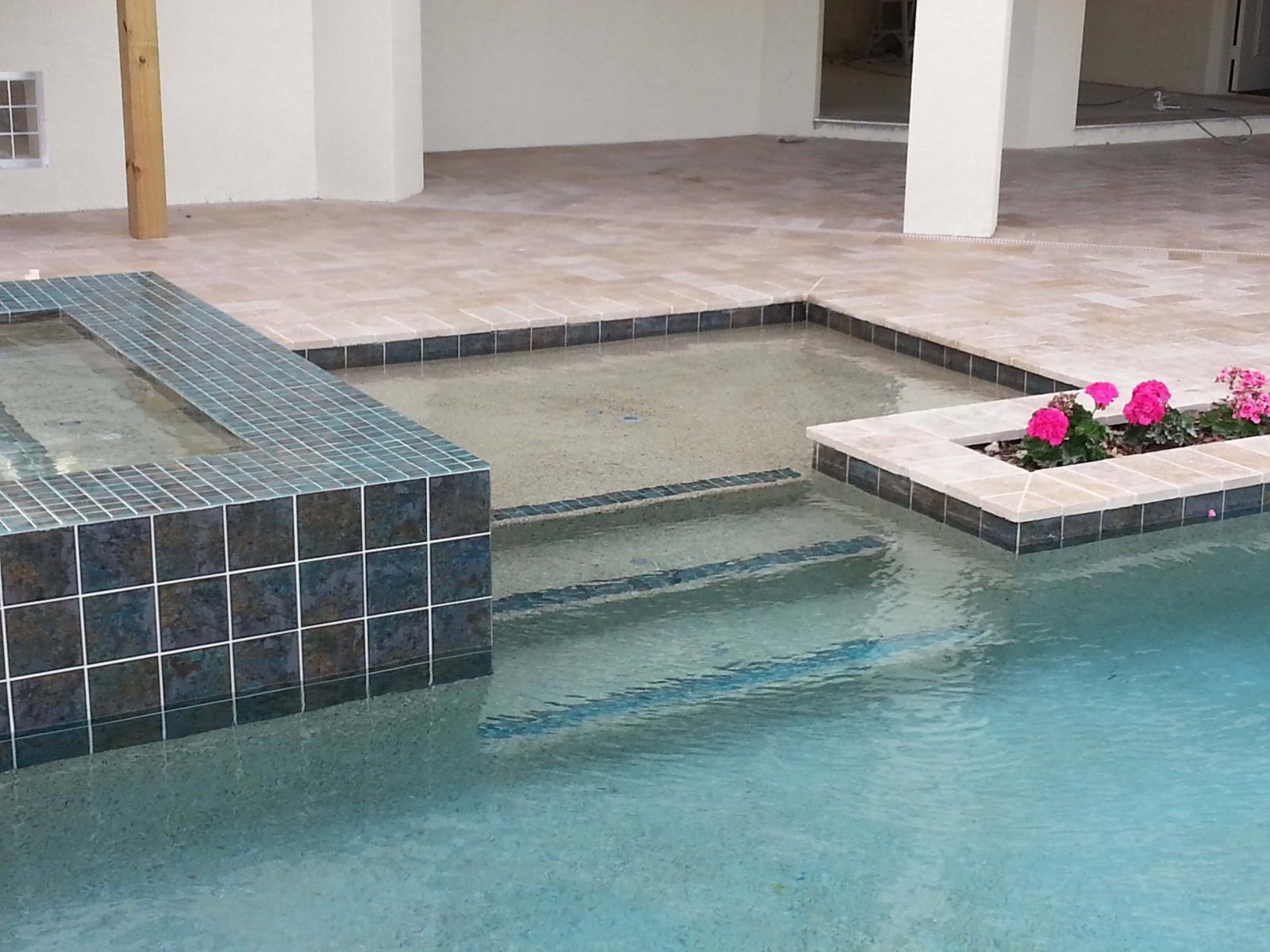
The pool interior finish does more than set the color of the water. It influences how often you brush, how sensitive the surface is to water balance, how the floor feels under bare feet, and how the pool looks years down the line. Because those traits differ by material, the right choice depends on how you plan to use the pool, how much hands-on maintenance you want to do, and the environment around your yard. This article breaks down how common in-ground pool finishes perform in real backyards and explains the chemistry and care practices that keep each surface looking its best.
- How the Interior Finish Shapes Daily Care and Swim Feel
Pool finishes interact with water in different ways. Smooth plaster shows subtle color variation called mottling and highlights calcium scale if chemistry drifts, while exposed aggregates hide minor blemishes but feel more textured underfoot. Darker finishes can slightly increase solar heat absorption and conceal leaf stains, whereas lighter interiors show debris but make it easier to spot scale buildup at the waterline. If you want project-specific guidance before you commit, homeowners often connect with Nassau Pools and Spas to compare how finishes behave with their chosen sanitizer, heater, and local water conditions.
- Standard White Plaster: Smooth Look, Higher Chemistry Attention
Classic white plaster is a mix of white cement and finely ground marble sand. Its appeal is a clean, timeless look and a comfortable, smooth feel. The trade-off is that plaster is more reactive with water than many alternatives. If the Langelier Saturation Index (LSI) dips negative due to low calcium hardness or low pH, the water can dissolve calcium from the surface, leading to etching and roughness. If LSI climbs too positive from high pH or high alkalinity, you can see calcium scale form on walls or along the waterline.
With plaster, steady water balance is not optional. A practical routine includes testing pH, total alkalinity, and calcium hardness weekly during the first season and brushing with a nylon brush to control plaster dust after new startup. Homeowners sometimes make the mistake of using frequent acid washes to remove stains. Acid does strip discoloration, but it also removes a thin layer of plaster each time, shortening surface life. If you see persistent staining, try addressing metals or organics in the water and improving circulation before resorting to aggressive treatment.
- Quartz and Pebble Aggregates: Durability vs Texture
Aggregate finishes add quartz or small pebbles to a cement matrix, then expose the aggregate during troweling and initial wash. Quartz gives a sparkle and greater hardness than plain marble-based plaster. Pebble products use rounded stones that create a natural, variegated look and excel at hiding mottling, minor stains, and small imperfections. Because aggregates are less soluble than pure plaster, they generally tolerate minor chemistry swings better. The relationship to care, however, changes in other ways.
Aggregates feel more textured. In a pool used heavily by children who spend hours on the shallow end, a coarser pebble can be abrasive on knees. Finishes labeled as mini-pebble or micro-pebble moderate that feel by using smaller stones and tighter trowel work, at the cost of showing fine debris more readily. Startup matters here too. New aggregate surfaces benefit from consistent brushing during the first few weeks to remove weak cement paste and expose a uniform texture. Avoid stiff stainless-steel brushes unless the manufacturer specifies them, since they can leave marks or cause premature wear.
- Fully Tiled Interiors: Premium Surface, Specialized Care
A fully tiled interior using porcelain or glass mosaic tile is a different category. Tile itself is not reactive like plaster, and a correctly installed system with proper waterproofing and movement joints resists chemical wear remarkably well. The finish is smooth to the touch, available in many colors, and can make a small pool feel like a boutique spa. The trade-offs are up-front complexity and grout care. Cementitious grout is porous, so chemistry that runs high on pH and calcium hardness can leave scale on grout lines. Low LSI can soften grout, especially during extended periods of imbalance.
Two factors differentiate long-term tile success. First, choose grout intentionally. Epoxy grout is less porous and more stain-resistant than cement-based grout, but it requires experienced installation and deliberate cleanup during setting. Second, keep expansion joints at transitions, steps, and corners flexible to accommodate normal movement from temperature swings. Maintenance typically focuses on waterline cleaning to control efflorescence and scale. Soft pads, tile-safe cleaners, and steady LSI management go a long way. Avoid metal scrapers that can chip small glass pieces or score glaze on porcelain.
Color, Water Chemistry, and Startup: Avoiding Scale, Etching, and Stains
Color selection changes how chemistry shows. A charcoal interior may hide tan leaf stains from a nearby oak but make a white calcium ring at the tile line stand out if pH drifts high. A light-blue plaster makes scale less conspicuous but shows fine dirt and algae films early, which is a useful early warning if you are diligent with brushing. Match color to your yard as well. Heavy pollen or tannin-rich debris will stain lighter finishes faster unless you net and vacuum promptly.
Startup is where many finish problems begin. Fresh plaster and aggregate surfaces cure for several weeks, shedding fine dust and gradually hardening. Brushing daily at first, then tapering, helps smooth the surface and limits scale. Keep pH in the recommended range and avoid big swings in alkalinity and calcium hardness while the cement hydrates. Installing a salt chlorination system too early can leave salt crystals in the matrix or accentuate efflorescence, so many builders wait until after the initial curing period before adding salt. For tile, early brushing focuses on grout haze removal and checking that no sharp edges remain at steps or benches.
The sanitizer you choose interacts with finish care. Salt systems raise pH slowly during normal operation, so owners of plaster and quartz finishes should expect to add acid periodically and monitor alkalinity. Trichlor puck feeders lower pH and add cyanuric acid, which can drag LSI negative if calcium hardness is already low. Ultraviolet or ozone systems reduce chlorine demand but do not replace a residual sanitizer, so chemistry management still matters. The key relationship remains constant across systems: steady LSI balance limits scale and etching, which preserves both appearance and texture.
Real-world scenarios illustrate the choices. In a breezy yard that blows fine dust across the deck each afternoon, a mini-pebble finish can keep the pool presentable between vacuuming and will not broadcast every speck. In a plunge pool where adults lean along the bench with drinks, a porcelain tile interior with epoxy grout offers a sleek, easy-to-wipe surface that resists discoloration from occasional spills. Neither choice is universally better; each fits a use case and a maintenance style.
A thoughtful finish decision pays dividends long after construction. Understand how the surface interacts with water balance, how its texture affects brushing and comfort, and how color behaves with your yard’s light and debris. Aim for boring chemistry: stable pH, appropriate alkalinity, and calcium hardness suited to your local source water. Brush more often during the first weeks for any cement-based surface, use cleaners matched to your finish, and address stains at the cause rather than sanding or acid washing reflexively. With those habits, the interior finish you choose can deliver the water feel and look you wanted for years to come.


From Bathroom Accessibility to Wheelchair Ramps: Understanding NDIS-Funded Home Modifications

The First Hour of an HVAC Emergency in Bixby: What to Do Before Help Arrives

Decoding HVAC Symptoms: What No-Cool, Weak Airflow, and Short Cycling Usually Mean

Choosing an In-ground Pool Interior Finish: How Plaster, Pebble, Quartz, and Tile Change Maintenance and Swim Experience

Designing School Playgrounds That Support Physical Activity and Childhood Development

Why Ankle Protection Matters When Choosing Custom Shin Pads for Contact Sports

What Is OpenSkyNews and Who Are Its Two Co-Founders?

Who Is Tanja Rosner? The Untold Life Story of Tate McRae’s Mother

Who Is Jaisal Andrews? Inside the Life of Naveen Andrews’ Son

Who Is Saffron Le Bon? The Untold Life Story of Benjamin Compston’s Wife

Who Is Kerri Browitt Caviezel? The Inspiring Life Story of Jim Caviezel’s Wife

Who Is Otelia Cox? The Remarkable Life Story of Tony Cox’s Wife
-
 Entertainment3 months ago
What Is OpenSkyNews and Who Are Its Two Co-Founders?
-
 Celebrity3 months ago
Who Is Tanja Rosner? The Untold Life Story of Tate McRae’s Mother
-
 Celebrity3 months ago
Who Is Jaisal Andrews? Inside the Life of Naveen Andrews’ Son
-
 Celebrity3 months ago
Who Is Saffron Le Bon? The Untold Life Story of Benjamin Compston’s Wife
-
 Celebrity3 months ago
Who Is Kerri Browitt Caviezel? The Inspiring Life Story of Jim Caviezel’s Wife
-
 Celebrity3 months ago
Who Is Otelia Cox? The Remarkable Life Story of Tony Cox’s Wife
-

 Celebrity3 months ago
Who Is Sue Johnston? The Remarkable Life Story of Joel Palmentor’s Mother
-

 Software2 months ago
Voozon.com Explained: What It Really Is Behind the “Knowledge Platform” Label