Business
Decoding HVAC Symptoms: What No-Cool, Weak Airflow, and Short Cycling Usually Mean

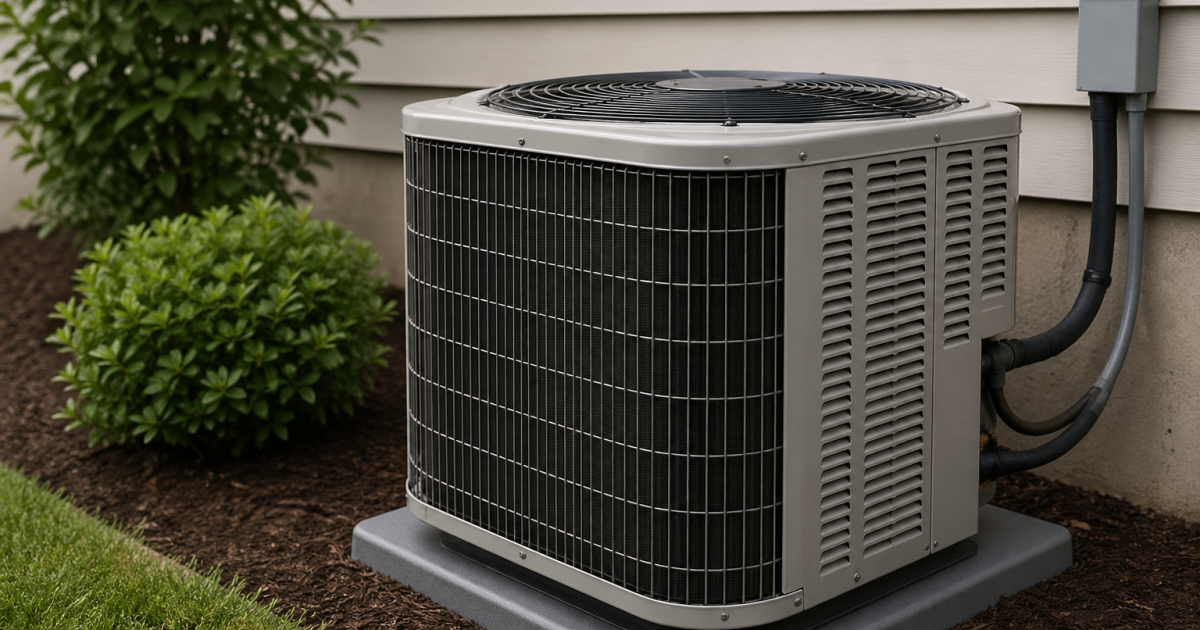
High heat and long run times push residential HVAC systems to their limits. When cooling slips or the breaker trips, most homeowners face the same question: is this an urgent repair or something I can triage before calling a technician? Reading the signs correctly protects expensive components like compressors and heat exchangers and helps you describe the issue clearly when you do schedule service. This guide walks through common symptoms, the parts involved, what you can check safely, and what not to do. It does not replace professional diagnostics, but it will help you avoid mistakes that turn a small problem into a major repair.
- Cooling But Not Comfortable: Airflow and Refrigerant Clues
Start with airflow. A clogged 1-inch filter, collapsed return duct, or a blower set to the wrong speed can all choke a system. When airflow drops, the evaporator coil cannot absorb heat well, supply air warms up, and humidity control suffers. Before scheduling HVAC repairs during a heat wave, do a quick triage: confirm the filter is clean, registers and returns are open, and interior doors are not closing off key rooms. If you use high-MERV filters in 1-inch slots, consider stepping down in MERV or using a deeper media cabinet. High resistance at the filter raises static pressure, which can cause noisy ducts, poor comfort, and coil icing.
If the system runs but the house never catches up, think heat transfer. A matted condenser coil outside traps heat, driving up head pressure and reducing cooling. Rinsing debris gently from the inside out helps, but avoid bending fins. Low refrigerant charge can also reduce cooling, yet topping off blindly is not a fix. Low charge often means a leak, and continued operation risks overheating the compressor. A technician will verify charge with superheat and subcooling measurements, then perform a leak search rather than adding refrigerant and leaving.
- Ice on the Refrigerant Line or Evaporator Coil
Frost or ice on the larger insulated line outside, or on the indoor evaporator coil, is a red flag for two root causes: low airflow or low refrigerant mass flow. Dirty filters, blocked returns, closed supply dampers, a failing blower motor, or a stuck TXV (thermal expansion valve) can all starve the coil of warmth from the house. The coil temperature then drops below freezing, moisture freezes, and airflow plunges further. Low charge can create the same symptom by underfeeding the evaporator.
Do not chip the ice or keep running cooling. Switch the thermostat to Off and set the fan to On to thaw the coil and prevent liquid floodback into the compressor, which can cause damage. Clear the filter and look for obvious restrictions. If frost returns quickly, leave the system off and have a technician inspect blower performance, coil cleanliness, and charge. A proper repair may include cleaning the evaporator, correcting blower speed, or finding and fixing a refrigerant leak instead of masking it.
- Short Cycling, Tripped Breakers, or Burning Smell
Short cycling is when the system starts and stops rapidly. An oversized unit can short cycle on mild days, but more often the cause is a safety trip or electrical problem. A filthy outdoor coil or a dead condenser fan reduces heat rejection, raising head pressure until a high-pressure switch opens. Electrical issues include a weak run capacitor, a pitted contactor, or high inrush current on a compressor that is struggling to start. Repeated breaker trips are a safety signal. Do not keep resetting the breaker; persistent trips mean a fault that needs diagnosis.
Two quick examples illustrate the pattern. In late spring, cottonwood fluff blankets the condenser coil. The house cools well in the morning, then trips a breaker midafternoon. Cleaning the coil restores airflow across the fins and stops the trips. In another case, the condenser starts with a hum and clicks off. The fan barely moves. A failed dual run capacitor prevents the compressor and fan motor from starting properly. Replacing the capacitor and inspecting the contactor resolves the symptom, but a good technician will also check amp draw to confirm motors are healthy.
- Rooms That Never Match the Thermostat
Uneven rooms rarely point to a bad thermostat. The culprit is usually airflow distribution, duct leakage, or heat gain. Kinked flex duct, unsealed connections in a hot attic, or an undersized return can starve far rooms while making nearby rooms drafty. Closing supply registers to force more air to distant rooms is a common mistake. It raises static pressure, which can stall an ECM blower, whistle at grilles, and even contribute to evaporator icing. Better fixes include sealing duct joints, adding a return path, or balancing dampers at trunks rather than slamming shut room registers.
Consider room load as well. A bonus room over a garage with south-facing windows gains heat all afternoon. Without adequate supply air and a return path, it lags behind the thermostat. Window film or shading can lower the load, but duct corrections often matter more. A technician can measure total external static pressure and airflow in cubic feet per minute to confirm whether the system can deliver the required CFM per ton. If not, reworking the duct layout or increasing return capacity may solve the comfort issue without replacing equipment.
Repair or Replace: A Practical Line in the Sand
Some repairs make long-term sense; others are a bridge to a better solution. A cracked heat exchanger, a damaged compressor, or a refrigerant leak inside a corroded evaporator coil are big-ticket items that invite a larger conversation about age and reliability. If the system uses an older refrigerant that is difficult to source, repairing leaks and recharging can be a short-term patch. Replacing a failed PSC blower motor with a modern ECM motor can improve comfort and efficiency, but the higher upfront part cost is the trade-off for better modulation and quieter operation.
Ask for measurements, not just parts swaps. Solid repair decisions follow data: superheat and subcooling for charge, static pressure for duct health, temperature split for heat transfer, and microamp readings on a furnace flame sensor for ignition stability. If the drain pan overflow switch has tripped, clearing the condensate line and adding a cleanout may be a smarter safeguard than repeatedly vacuuming the line through the vent. Commissioning after any major repair should include verifying airflow and safety controls so the fix lasts.
Good habits reduce surprises. Keep vegetation a couple of feet away from the condenser for clean airflow. Replace filters on schedule and match filter type to the return design so you do not over-restrict the system. Pour a small amount of vinegar into the condensate access during cooling season to discourage algae growth in the drain. If storms are common, a surge protector can protect control boards and ECM motors. Most importantly, treat recurring symptoms as a system problem to diagnose rather than a nuisance to reset. A little attention to the pattern behind the symptom saves time, protects expensive parts, and makes the next service visit more productive.


From Bathroom Accessibility to Wheelchair Ramps: Understanding NDIS-Funded Home Modifications

The First Hour of an HVAC Emergency in Bixby: What to Do Before Help Arrives

Decoding HVAC Symptoms: What No-Cool, Weak Airflow, and Short Cycling Usually Mean

Choosing an In-ground Pool Interior Finish: How Plaster, Pebble, Quartz, and Tile Change Maintenance and Swim Experience

Designing School Playgrounds That Support Physical Activity and Childhood Development

Why Ankle Protection Matters When Choosing Custom Shin Pads for Contact Sports

What Is OpenSkyNews and Who Are Its Two Co-Founders?

Who Is Tanja Rosner? The Untold Life Story of Tate McRae’s Mother

Who Is Jaisal Andrews? Inside the Life of Naveen Andrews’ Son

Who Is Saffron Le Bon? The Untold Life Story of Benjamin Compston’s Wife

Who Is Kerri Browitt Caviezel? The Inspiring Life Story of Jim Caviezel’s Wife

Who Is Otelia Cox? The Remarkable Life Story of Tony Cox’s Wife
-
 Entertainment3 months ago
What Is OpenSkyNews and Who Are Its Two Co-Founders?
-
 Celebrity3 months ago
Who Is Tanja Rosner? The Untold Life Story of Tate McRae’s Mother
-
 Celebrity3 months ago
Who Is Jaisal Andrews? Inside the Life of Naveen Andrews’ Son
-
 Celebrity3 months ago
Who Is Saffron Le Bon? The Untold Life Story of Benjamin Compston’s Wife
-
 Celebrity3 months ago
Who Is Kerri Browitt Caviezel? The Inspiring Life Story of Jim Caviezel’s Wife
-
 Celebrity3 months ago
Who Is Otelia Cox? The Remarkable Life Story of Tony Cox’s Wife
-

 Celebrity3 months ago
Who Is Sue Johnston? The Remarkable Life Story of Joel Palmentor’s Mother
-

 Software2 months ago
Voozon.com Explained: What It Really Is Behind the “Knowledge Platform” Label