Health
From Bathroom Accessibility to Wheelchair Ramps: Understanding NDIS-Funded Home Modifications

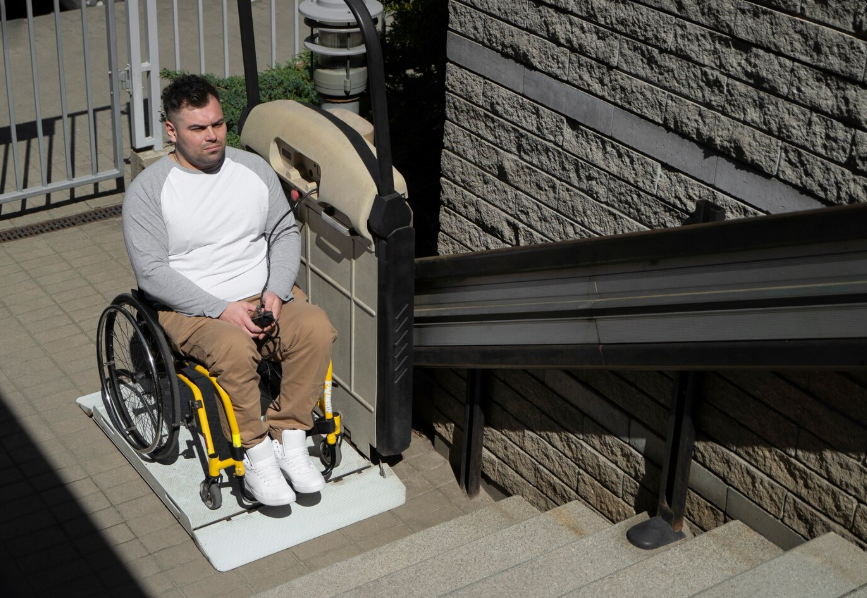
A home should work for the person living in it, not against them. Stairs trip up wheelchairs. Narrow doors catch elbows and slippery bathrooms turn a shower into a risk. For thousands of Australians with disability, these small problems show up every single day, and they do not go away on their own. NDIS home modifications in Melbourne fix exactly these problems, swapping a hard house for an easy one. The scheme pays for ramps, grab rails, wider doorways and full bathroom rebuilds, built around what a person actually needs. More than 660,000 Australians hold an NDIS plan right now, and home modifications sit near the top of the most requested supports on that whole list.
What Actually Counts As A Home Modification?
Home modifications sit in three levels under the NDIS: minor, moderate and complex. A minor change might be a single grab rail by the toilet, costing a few hundred dollars. A moderate change covers things like widening a doorway or putting a ramp at the front step. Complex modifications are the big jobs. Think a full bathroom rebuild with a roll-in shower, structural work on a hallway, or a wheelchair ramp system replacing an entire staircase. Each level needs a different kind of proof before the NDIS agrees to pay for it.
Why Do Bathrooms Cause The Most Problems?
Ask any occupational therapist and bathrooms top the list every time. Wet floors, tight turning space and a step into the shower make an ordinary bathroom one of the most dangerous rooms in an Australian home. Falls research backs this up hard. Monash University injury data shows bathroom falls send thousands of older and disabled Australians to hospital each year, and a large share of those falls happen right around the shower step. Fix that one spot and the whole risk picture changes.
A rough idea of cost, so nobody walks in blind:
| Modification | Typical Use | Rough Cost Range |
|---|---|---|
| Grab rails | Toilet, shower, hallway | $200 to $600 |
| Wheelchair ramp | Front entry, back door | $2,000 to $8,000 |
| Roll-in shower | Full bathroom rebuild | $10,000 to $25,000 |
| Doorway widening | Hallways, bedrooms | $1,500 to $4,000 |
How Does Someone Actually Get Funding Approved?
Getting NDIS money for a home modification is not a quick form you fill out and forget. An occupational therapist visits the house, watches how the person moves through it, and writes a report that lines the problem up with the fix. The NDIS reads that report and checks it against the person’s plan goals before any money moves. Skip a step here and the whole claim can stall for months.
- Book an OT home assessment first, nothing moves without it
- Get two to three quotes from licensed builders
- Match each quote to the OT’s written recommendation
- Submit through the NDIS portal or your plan manager
- Wait for approval before work starts, paying first can void the claim
Is A Wheelchair Ramp Harder To Build Than It Looks?
Yes, more than most people expect. Australian Standard AS1428.1 sets the gradient rule at 1 in 14, meaning for every 14 centimetres a ramp runs, the height only rises 1 centimetre. Get that ratio wrong and a ramp turns dangerous instead of helpful, either too steep to hold a wheelchair steady or too long to fit on a small block. A good builder measures the exact rise of the step first, then works backward to the correct ramp length. Handrails, a non-slip surface and a flat landing at both ends are not optional extras. They are part of the standard itself, and skipping any one of them fails inspection.
Who Has The Final Say On What Gets Built?
The occupational therapist writes the recommendation, the NDIS planner signs off on the money, and the builder decides how to physically deliver it within that approved scope. All three roles matter, and none of them can shortcut the other two. A homeowner who skips the OT step and jumps straight to a builder often ends up with a ramp or rail that technically works but does not match what the NDIS actually funded. That mismatch is where real delays happen, and it is the easiest mistake of all to avoid.


How to Build a Deep-Sounding Mechanical Keyboard with Keygeek Y2 Switches

How to Choose a Mechanical Keyboard Kit: Layout, Compatibility, and Total Cost

Benefits of Installing Modern Interior Doors in Your Home

From Bathroom Accessibility to Wheelchair Ramps: Understanding NDIS-Funded Home Modifications

The First Hour of an HVAC Emergency in Bixby: What to Do Before Help Arrives

Decoding HVAC Symptoms: What No-Cool, Weak Airflow, and Short Cycling Usually Mean

What Is OpenSkyNews and Who Are Its Two Co-Founders?

Who Is Tanja Rosner? The Untold Life Story of Tate McRae’s Mother

Who Is Jaisal Andrews? Inside the Life of Naveen Andrews’ Son

Who Is Saffron Le Bon? The Untold Life Story of Benjamin Compston’s Wife

Who Is Kerri Browitt Caviezel? The Inspiring Life Story of Jim Caviezel’s Wife

Who Is Otelia Cox? The Remarkable Life Story of Tony Cox’s Wife
-
 Entertainment3 months ago
What Is OpenSkyNews and Who Are Its Two Co-Founders?
-
 Celebrity3 months ago
Who Is Tanja Rosner? The Untold Life Story of Tate McRae’s Mother
-
 Celebrity3 months ago
Who Is Jaisal Andrews? Inside the Life of Naveen Andrews’ Son
-
 Celebrity3 months ago
Who Is Saffron Le Bon? The Untold Life Story of Benjamin Compston’s Wife
-
 Celebrity3 months ago
Who Is Kerri Browitt Caviezel? The Inspiring Life Story of Jim Caviezel’s Wife
-
 Celebrity3 months ago
Who Is Otelia Cox? The Remarkable Life Story of Tony Cox’s Wife
-

 Celebrity3 months ago
Who Is Sue Johnston? The Remarkable Life Story of Joel Palmentor’s Mother
-

 Software2 months ago
Voozon.com Explained: What It Really Is Behind the “Knowledge Platform” Label