Software
Sinpcity: Fact-Checking a Term With No Consistent Meaning

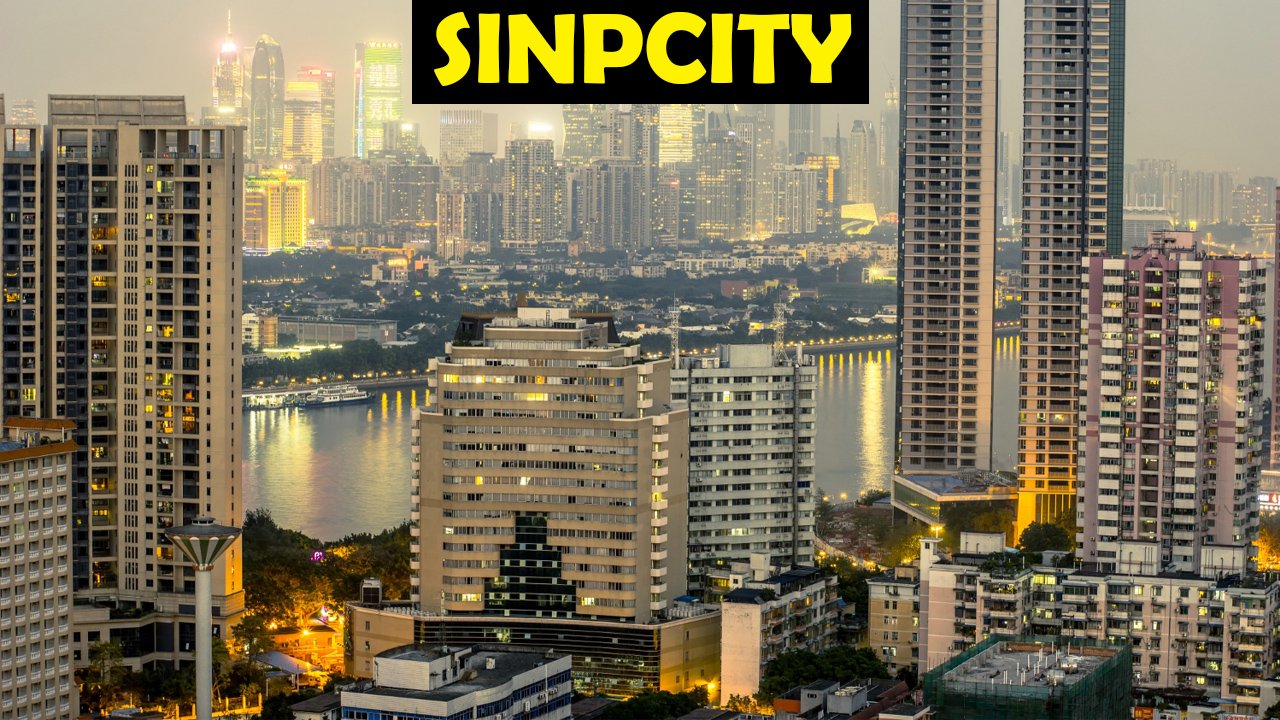
Sinpcity appears across recently published content describing entirely different things: a digital platform with features, access requirements, and privacy considerations; a broad internet and digital culture phenomenon; a symbolic exploration of “vice and virtue”; and, in one case, a straightforward travel destination framed as a “city where fun knows no limits.” This article covers what each of these conflicting descriptions claims, why this level of contradiction matters, and how to evaluate a term like this responsibly before repeating any specific claim about it.
What Do Different Sources Claim Sinpcity Is?
The spread of claims here is unusually broad. Several articles frame Sinpcity as a digital platform, complete with discussion of “features, access, privacy, and user interest,” language that implies a specific website, app, or online service with real functionality. Other content frames it more abstractly as a “digital culture trend” or an “internet phenomenon,” without identifying any specific platform at all. Separately, at least one source frames Sinpcity in entirely symbolic, thematic terms, exploring “vice and virtue,” while yet another treats it as a literal travel destination with attractions worth visiting.
These framings do not describe variations on a single underlying concept; they describe fundamentally different kinds of things: a specific digital product, an abstract cultural trend, a thematic concept, and a physical place. No single, legitimate referent would credibly span all of these categories simultaneously.
Does Sinpcity Appear in Any Authoritative Source?
No. The term does not appear in technology industry databases, business registries, tourism board listings, or any dictionary or cultural reference relevant to the specific categories different sources assign it. A genuine digital platform with real “features, access, and privacy” considerations, as one article claims, would be expected to have a working website, app store listing, or documented terms of service, none of which could be independently confirmed. A genuine travel destination would appear in mapping services, tourism board resources, or established travel guides, which this term also does not.
This complete absence across every relevant category of authoritative source, spanning technology, tourism, and cultural reference, reinforces that no single, real thing sits behind this term.
Why Does the Name Itself Suggest Wordplay?
The name Sinpcity closely resembles “Sin City,” the well-known nickname for Las Vegas and a broader cultural reference point associated with indulgence and nightlife themes. This resemblance likely explains why some of the content clusters around “vice and virtue” and “fun knows no limits” framing, since these themes echo the connotations already associated with the “Sin City” reference the name evokes. This kind of evocative, connotation-borrowing naming is a recognizable pattern in manufactured content: a name is chosen specifically because it echoes an existing, recognizable phrase, allowing writers to build plausible-sounding thematic content around the borrowed connotation without needing any genuine underlying subject to describe.
Recognizing this wordplay pattern helps explain the thematic clustering in some of the content while still leaving the core question, whether Sinpcity actually refers to anything real, unresolved and unverified.
Why Would Such Different Claims Exist Under the Same Name?
Publishing content around a name with strong existing connotations, without any genuine underlying subject, is a recognizable strategy for capturing search traffic from multiple different audiences at once: readers curious about a digital platform, readers interested in internet culture trends, and readers searching for travel content, each potentially drawn in by a different framing of the same evocative name. This kind of audience-spanning content strategy prioritizes search visibility across multiple categories over consistent, accurate reporting on a single, verifiable subject.
The resulting scattered, contradictory content is a predictable outcome when different publishers independently decide which audience and category to target with the same trending or evocative-sounding term.
How Can You Tell a Real Digital Platform From This Kind of Content?
A genuine digital platform, whatever its specific purpose, would have a working, accessible website or app, documented terms of service and privacy policy, and typically some independent user reviews or media coverage confirming its actual functionality. When content describes “features, access, and privacy” in general terms without linking to or naming a specific, functioning product, that absence of concrete detail is a strong indicator that no real platform currently exists behind the description.
For readers specifically interested in evaluating whether an unfamiliar digital platform is genuinely safe and legitimate before engaging with it, resources like the Federal Trade Commission’s guidance on identifying online scams provide a useful general framework for verification steps worth taking before trusting any unfamiliar platform claim, especially one involving personal data or account access.
What Should You Do If You Encountered This Term Somewhere Specific?
If you came across Sinpcity in a specific advertisement, message, or link, treating it with real caution before clicking through or providing any personal information is a reasonable response, particularly given the complete absence of a verifiable, legitimate platform behind any of the current claims. Given the name’s close resemblance to existing “Sin City” branding and connotations, it’s also worth considering whether what you encountered is an unrelated party borrowing that established connotation for unrelated purposes rather than describing something genuinely new and legitimate.
If a specific link or advertisement prompted your search, checking that source directly for a genuine company name, privacy policy, and contact information is more useful than relying on the scattered, contradictory explainer content currently available about the term generally.
How Does This Fit Broader Search Content Quality Concerns?
This case illustrates a recognized, ongoing pattern in search: content published around an evocative or trending-sounding term without any genuine, verified subject behind it. Google’s own guidance on creating helpful, people-first content explicitly cautions against content lacking original research or verifiable sourcing, which applies clearly here given how starkly the available descriptions of Sinpcity contradict one another across entirely different categories.
Recognizing this pattern, evocative wordplay-driven naming paired with contradictory, unverifiable claims spanning unrelated categories, is a useful skill for evaluating similarly ambiguous terms you may encounter in the future.
Why Does Evocative Naming Deserve Extra Scrutiny Generally?
Names chosen specifically to evoke an existing, recognizable phrase or brand carry an inherent risk of confusion, whether that confusion is intentional or simply a byproduct of how search-driven content gets produced. This dynamic isn’t unique to Sinpcity; it shows up whenever a new term closely echoes something already familiar, since the borrowed recognition can make unverified claims feel more credible than they would under a genuinely original name with no existing connotation to lean on.
Recognizing this pattern, and specifically pausing to ask whether a term’s apparent familiarity comes from genuine documentation or simply from clever wordplay, is a useful general habit for evaluating any new or unusual name you encounter online, particularly one connected to requests for personal information or account access.
What’s the Safest Way to Approach Ambiguous Brand Names Online?
Whenever a name evokes an existing, recognizable phrase or brand while describing something you can’t independently verify, treating that resemblance as a reason for extra caution rather than added trust is the safer instinct. Genuine businesses generally benefit from clear, distinct branding that avoids confusion with existing terms, while content built around borrowed connotations often has less interest in that kind of clarity, since ambiguity itself can help capture a broader range of search traffic across multiple unrelated audiences at once.
Conclusion
Sinpcity has no consistent, verifiable meaning across any authoritative source, with contradictory claims spanning a digital platform, an internet culture trend, a symbolic concept, and a travel destination, likely fueled by the name’s evocative resemblance to “Sin City.” Treating any specific claim about this term with real skepticism, and exercising particular caution around any request for personal information under this name, remains the most responsible approach given the current lack of verified, consistent evidence.
Frequently Asked Questions
What is Sinpcity?
No consistent, verifiable meaning could be confirmed. Sources describe it contradictorily as a digital platform, an internet culture trend, a symbolic concept, and a travel destination, with no shared, credible source connecting these unrelated claims.
Is Sinpcity a real website or app?
No verifiable working website, app, or documented terms of service could be confirmed despite some content describing “features, access, and privacy” in general terms without linking to any specific, functioning product.
Why does the name Sinpcity sound familiar?
It closely resembles “Sin City,” the well-known nickname for Las Vegas, which likely explains why some content clusters around similar vice-and-indulgence themes without necessarily describing anything genuinely connected to that reference.
Is Sinpcity a real travel destination?
No evidence supports this. It does not appear in tourism board listings, mapping services, or established travel guides, despite one source framing it as a city worth visiting during an upcoming trip.
Should I click links or enter information on a site calling itself Sinpcity?
Exercise real caution. Given the complete absence of a verifiable, legitimate platform behind any current claims, treating unfamiliar links or requests for personal information under this name with skepticism is a reasonable precaution.


How Does Webinkey.com Work? A Step-by-Step Overview

Afextop Com Explained: What It Is and How It Works

When Water Gets In: First 48 Hour Decisions That Save Walls, Floors, and Sanity

Reroof or Tear Off? Wet Climate Decisions That Make a New Roof Last in Seattle

The Role of Field of View in Camera Installation Planning

What Is Unbanned G+ and How Do People Use It Today?

Who Is Jaisal Andrews? Inside the Life of Naveen Andrews’ Son

Who Is Tanja Rosner? The Untold Life Story of Tate McRae’s Mother

Who Is Saffron Le Bon? The Untold Life Story of Benjamin Compston’s Wife

Who Is Sue Johnston? The Remarkable Life Story of Joel Palmentor’s Mother

Voozon.com Explained: What It Really Is Behind the “Knowledge Platform” Label

Who Is Kerri Browitt Caviezel? The Inspiring Life Story of Jim Caviezel’s Wife
-
 Celebrity2 months ago
Who Is Jaisal Andrews? Inside the Life of Naveen Andrews’ Son
-
 Celebrity2 months ago
Who Is Tanja Rosner? The Untold Life Story of Tate McRae’s Mother
-
 Celebrity2 months ago
Who Is Saffron Le Bon? The Untold Life Story of Benjamin Compston’s Wife
-
 Celebrity2 months ago
Who Is Sue Johnston? The Remarkable Life Story of Joel Palmentor’s Mother
-
 Software1 month ago
Voozon.com Explained: What It Really Is Behind the “Knowledge Platform” Label
-
 Celebrity2 months ago
Who Is Kerri Browitt Caviezel? The Inspiring Life Story of Jim Caviezel’s Wife
-

 Celebrity2 months ago
Who Is Otelia Cox? The Remarkable Life Story of Tony Cox’s Wife
-

 News2 months ago
Money6x.com: What This Personal Finance Platform Offers