Blog
Is Debby Clarke Belichick Dead? Fact-Checking the Obituary Claims

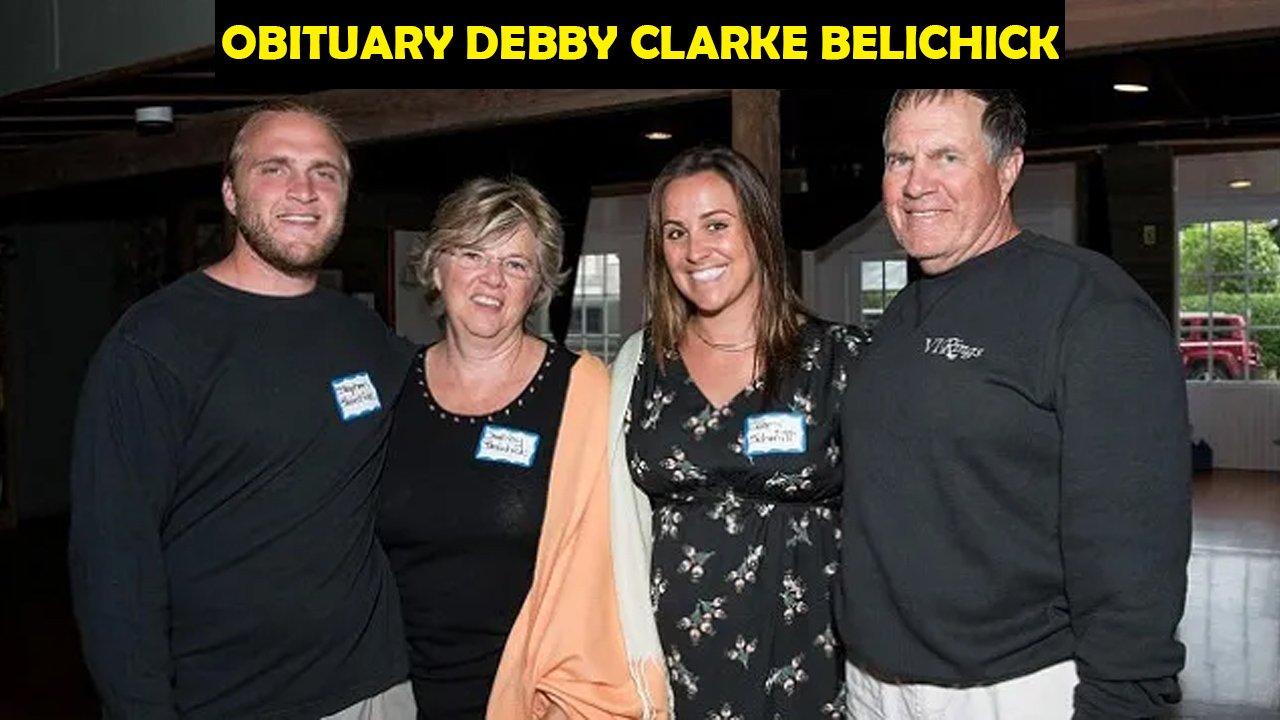
Debby Clarke Belichick is a genuine, real person, the former wife of longtime NFL head coach Bill Belichick, whom she was married to for approximately thirty years before their divorce, but a large and rapidly growing cluster of “obituary” articles circulating online does not point to any credible news source, funeral notice, or family statement confirming that she has died. This article covers who Debby Clarke Belichick genuinely is, why so many “obituary” articles about her have appeared, and how to evaluate claims like this responsibly.
Who Is Debby Clarke Belichick, Genuinely?
Debby Clarke Belichick is a real, documented individual who was married to Bill Belichick, one of the most prominent coaches in NFL history, for roughly three decades, and the couple’s marriage and eventual divorce have been covered by mainstream sports and entertainment outlets over the years as part of ongoing coverage of Belichick’s public life. She has generally kept a considerably lower public profile than her former husband, which is common for former spouses of extremely high-profile public figures, and reliable, detailed biographical information about her current activities is genuinely more limited than the volume of recent “obituary” content might suggest.
This kind of limited public documentation for a private individual connected to a famous public figure is completely normal, and it does not, by itself, indicate anything unusual or suspicious about her current situation.
Is There Any Credible Evidence She Has Died?
No established, mainstream news organization, sports media outlet, or official family statement has been found confirming Debby Clarke Belichick’s death. Genuine obituaries for people connected to public figures are typically reported by established news outlets, funeral homes, or verified family statements, none of which appear among the sources actually generating this specific search trend. Instead, the available content consists overwhelmingly of similarly worded “obituary” and “tribute” articles published across numerous, often unfamiliar websites, a pattern that closely resembles other cases where content operations generate speculative or misleading articles around a search term without any actual underlying news event.
Some of the very articles appearing in this search cluster explicitly acknowledge this pattern themselves, describing the situation as “rumors,” “online misinformation,” or “the truth behind the viral searches,” which is itself a notable signal that even content adjacent to this trend recognizes the underlying claims aren’t solidly established.
Why Would Content Operations Target a Search Term Like This?
Search terms combining a well-known public figure’s family member with the word “obituary” can generate substantial search interest specifically because death-related searches tend to be urgent and emotionally driven, prompting people to click through quickly without necessarily verifying the source’s credibility first. Independent content operations sometimes generate volume specifically around this kind of emotionally charged, curiosity-driven search pattern, producing biography-style “obituary” content regardless of whether an actual death has genuinely occurred, since the search volume itself, not factual accuracy, is what generates traffic and ad revenue for these operations.
This pattern has been documented across numerous other celebrity-adjacent “obituary” search trends over the years, where a family member or associate of a famous person becomes the subject of speculative death-related content without any actual confirming news event.
How Should You Verify a Claimed Celebrity-Adjacent Death?
Checking established, mainstream news outlets with genuine editorial standards, sports media specifically covering Bill Belichick’s family and personal life, and, where relevant, official funeral home notices or verified family statements are the most reliable ways to confirm whether a specific death claim is genuinely accurate. The complete absence of coverage from any of these credible source types, despite a large volume of “obituary” articles from unfamiliar websites, is itself a strong signal that a specific death claim hasn’t been genuinely verified.
Reputable news organizations that maintain the Associated Press’s standards for accuracy in reporting and similar established editorial practices typically confirm deaths involving public figures or their close family members promptly and clearly, making their conspicuous absence from this specific story meaningful.
Why Does This Kind of Misinformation Matter?
Circulating unverified death claims about a real, living, private individual carries genuine potential for harm, both to the person themselves and to their family, who may encounter distressing, false claims about their own life circumstances through casual online searches. This concern extends well beyond any single case; treating unverified “obituary” content about any real person, public figure or private individual, with appropriate skepticism protects against contributing to the spread of potentially false and personally harmful claims.
Readers who encounter this kind of content are encouraged to check primary, credible sources before sharing or treating unverified death claims as established fact, particularly when the claimed death involves a private individual who hasn’t been the subject of any mainstream news coverage confirming it. Media literacy resources such as the News Literacy Project offer genuinely useful, practical frameworks for evaluating this kind of unverified viral claim before sharing it further.
How Common Is This Pattern With Family Members of Public Figures?
This specific case fits a genuinely broader, well-documented pattern where relatives, former spouses, or close associates of highly public figures become the subject of speculative “obituary” or “death rumor” content without any actual triggering news event. Search interest around a famous person’s family naturally exists because audiences are curious about people connected to a public figure’s life story, and this curiosity creates exactly the kind of consistent search demand that content operations can target repeatedly over time, regardless of whether any specific, verifiable news event has actually occurred to justify a new wave of articles.
Similar patterns have been documented involving relatives of other prominent athletes, entertainers, and public officials, where periodic waves of unverified “obituary,” “what happened to,” or “is [name] still alive” content appear online without corresponding coverage from established news organizations, suggesting this is a recurring content strategy rather than something specific to this particular case.
What Role Does Search Engine Behavior Play in This Pattern?
Search engines generally reward content that closely matches a user’s exact search phrasing, and when many similarly worded articles about the same unverified claim exist, this can create a kind of visibility feedback loop where the sheer volume of matching content makes the underlying claim appear more established or credible than it actually is, simply because so many search results seem to confirm it. This dynamic doesn’t reflect any actual verification process; it reflects how search visibility works when many similarly structured articles target the same specific phrase, regardless of whether the underlying factual claim has been genuinely confirmed by any credible source.
Understanding this dynamic is genuinely useful for evaluating any search result cluster where numerous similarly worded articles all describe the same unverified claim, since apparent consensus in search results doesn’t necessarily reflect genuine, independently verified consensus about the underlying facts.
What Should You Do If You’re Trying to Find Accurate Information About Her?
If you’re specifically trying to learn accurate, genuinely documented information about Debby Clarke Belichick, focusing on established sports journalism coverage of her marriage and divorce from Bill Belichick, rather than the recent cluster of “obituary” and “tribute” style content, provides considerably more reliable background information. Established sports and entertainment journalism outlets that have covered Bill Belichick’s personal life over multiple decades represent a more credible source for accurate biographical details than newly published, similarly worded articles clustered specifically around the unverified “obituary” search trend.
Conclusion
Debby Clarke Belichick is a real person and Bill Belichick’s former wife of roughly thirty years, but no credible, mainstream news source has confirmed the recent wave of “obituary” articles claiming her death, a pattern consistent with content operations generating speculative volume around an emotionally charged search term. Readers should rely on established, credible journalism rather than unverified “obituary” content clusters when evaluating claims like this about any real person.
Frequently Asked Questions
Is Debby Clarke Belichick a real person?
Yes, she is a real, documented individual who was married to NFL coach Bill Belichick for approximately thirty years before their divorce, with their relationship covered by mainstream sports media over the years.
Has Debby Clarke Belichick’s death been confirmed by any credible source?
No. No established news organization, funeral home notice, or verified family statement confirming her death has been found, despite a large volume of “obituary” articles appearing across unfamiliar websites recently.
Why are so many “obituary” articles about her appearing online right now?
Content operations sometimes generate volume around emotionally charged, curiosity-driven search terms like celebrity-adjacent “obituaries,” regardless of whether an actual death occurred, since search interest itself drives traffic and advertising revenue.
How can I verify whether a celebrity-adjacent death claim is genuinely true?
Check established, mainstream news outlets and, where relevant, official funeral home notices or verified family statements. The absence of coverage from credible sources is a strong signal a claim isn’t verified.
Is it harmful to share unverified obituary content about a real person?
Yes, potentially. Sharing unverified death claims about a real, living, private individual can cause genuine distress to that person and their family and contributes to spreading false information online broadly.


Nadeshda Ponce: Why Her Online Profile Can’t Be Verified

Myreadignmnaga: What This Manga Site Name Actually Refers To

Voozon.com Explained: What It Really Is Behind the “Knowledge Platform” Label

Is Kaliscan Safe? What This Contradictory Name Actually Refers To

Is Debby Clarke Belichick Dead? Fact-Checking the Obituary Claims

Haslhof Explained: The Real German and Austrian Villages Behind This Place Name

Who Is Kerri Browitt Caviezel? The Inspiring Life Story of Jim Caviezel’s Wife

Who Is Jaisal Andrews? Inside the Life of Naveen Andrews’ Son

Who Is Saffron Le Bon? The Untold Life Story of Benjamin Compston’s Wife

Who Is Sue Johnston? The Remarkable Life Story of Joel Palmentor’s Mother

Who Is Tanja Rosner? The Untold Life Story of Tate McRae’s Mother

Who Is Otelia Cox? The Remarkable Life Story of Tony Cox’s Wife
-
 Celebrity4 weeks ago
Who Is Kerri Browitt Caviezel? The Inspiring Life Story of Jim Caviezel’s Wife
-
 Celebrity1 month ago
Who Is Jaisal Andrews? Inside the Life of Naveen Andrews’ Son
-
 Celebrity1 month ago
Who Is Saffron Le Bon? The Untold Life Story of Benjamin Compston’s Wife
-
 Celebrity1 month ago
Who Is Sue Johnston? The Remarkable Life Story of Joel Palmentor’s Mother
-
 Celebrity4 weeks ago
Who Is Tanja Rosner? The Untold Life Story of Tate McRae’s Mother
-
 Celebrity3 weeks ago
Who Is Otelia Cox? The Remarkable Life Story of Tony Cox’s Wife
-

 Celebrity4 weeks ago
Who Is Amanda Redman? The Inspiring Life Story of Joan Redman’s Daughter
-

 Technology4 weeks ago
FintechZoom.io Explained: What to Verify Before Trusting This Site