Lifestyle
Why Does Your Pumping Bra Feel Uncomfortable During Longer Pumping Sessions?

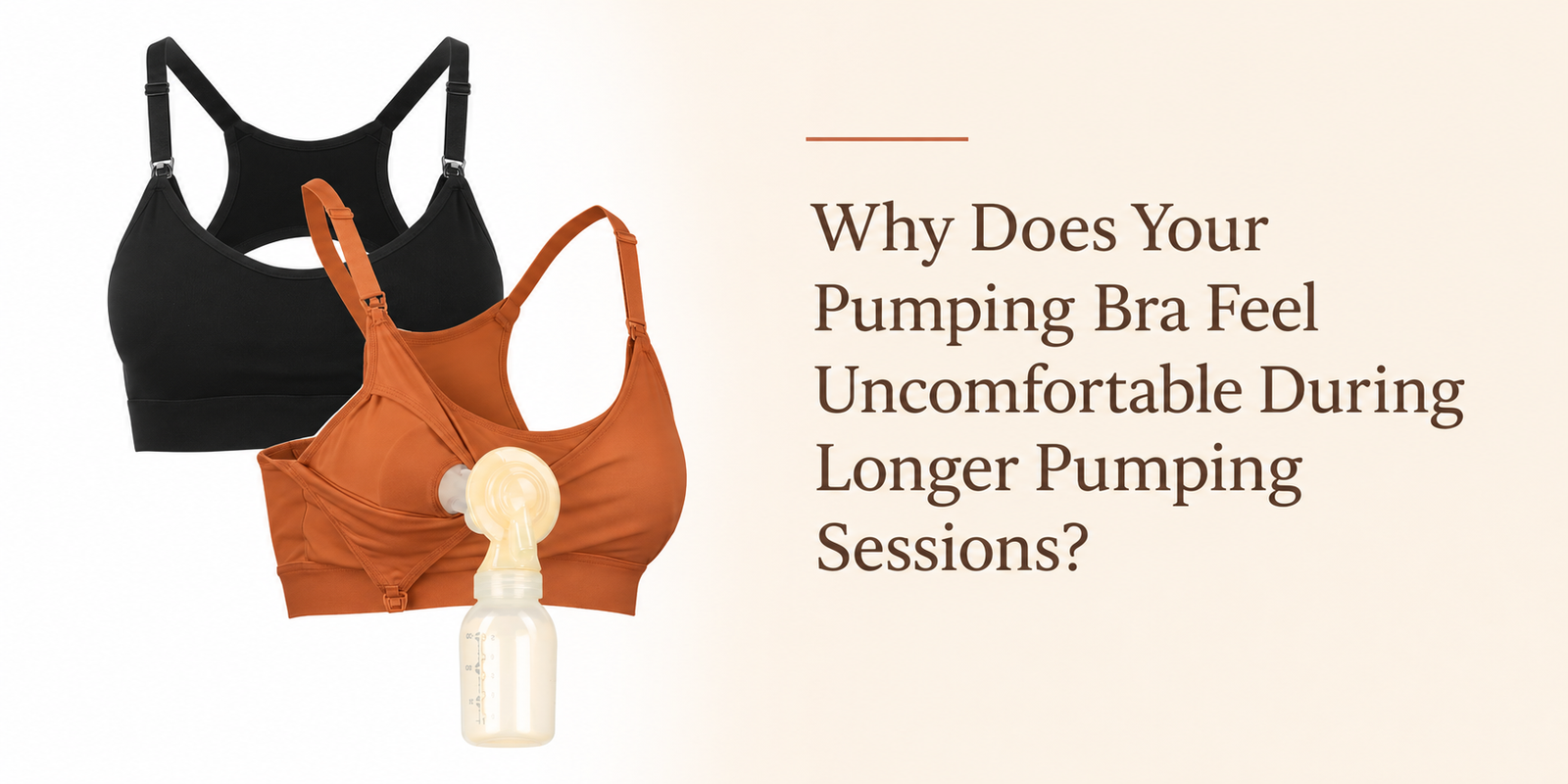
You’ve finally found ten quiet minutes to pump. The bottles are attached, the pump is running, and then your bra starts digging into your ribs. You tug at a strap. One bottle tilts. Now you’re sitting there holding the flange anyway, wondering why this is called hands-free pumping.
If that sounds familiar, don’t assume you simply have to put up with it. A pumping bra should make expressing milk easier, not give you another thing to fiddle with. The trouble might be its fit, fabric, or how it holds your equipment. Sometimes the flange or pump settings are the real issue.
Why Does Your Pumping Bra Feel Uncomfortable?
Think about what the bra is doing during a session. It’s supporting your breasts while holding flanges and, depending on your pump, bottles that get heavier as they fill.
If the band squeezes, the straps pull or the flanges sit crooked, you’ll notice it. Breast fullness can also change between feeds, so yesterday’s comfortable fit might feel different today.
Common Reasons Your Pumping Bra Becomes Uncomfortable
1. Your Bra Is Too Tight
A snug fit keeps equipment steady. An overly tight fit can press into your ribs, leave painful marks or squeeze breast tissue. You shouldn’t have to loosen the bra the second pumping ends just to feel comfortable again.
Try adjusting the band and straps. If the pressure stays, check your measurements. Don’t size down just to stop the flanges moving.
2. Your Pumping Equipment Feels Too Heavy
Flanges with collection bottles can tug downwards, particularly as milk collects. If the bra isn’t supporting their weight, you may start leaning forwards or holding the bottles yourself.
That’s a sign to check support and compatibility. A bra that works with one type of pump may not fit another, especially a bulky wearable model.
3. The Fabric Feels Hot and Sticky
Anyone who’s pumped on a humid afternoon in Singapore or Malaysia knows that trapped heat makes an annoying session worse. Thick fabric that stays damp can feel unpleasant against your skin.
Look for something soft and breathable. Moisture-wicking cups can help manage dampness, although they won’t make hot weather disappear.
4. Your Shoulder Straps Keep Digging In
If your shoulders are aching, check whether you’ve tightened the straps to compensate for a loose band. Straps should help position the bra, not carry all the load.
A different adjustment might help. But if you’re forever pulling straps back onto your shoulders or loosening them for relief, the style may not suit your shape.
5. Your Pump Flanges Aren’t Sitting Properly
This one is easy to mistake for a bra problem. The flange should sit against your breast with your nipple centred in its tunnel. Your nipple needs to move freely, without rubbing or pinching.
If too much tissue gets pulled into the tunnel, or the nipple rubs its sides, check the flange size. Your nipple measurements can change over time. Excessive suction can hurt too, so use a comfortable setting rather than the highest one. A lactation consultant can help if you’re unsure.
How Can Lovemère Skye Pump Bra Make Pumping More Comfortable?
If your main struggle is keeping the equipment supported, the Lovemère Skye Pump Bra is worth a look. It’s designed for pumping rather than asking an ordinary bra to do a second job.
Its drop-down cups let you unclip and insert the flange. The sliding adjustable straps help you change the fit yourself, and the racerback design helps keep the bra positioned. That means less juggling when you’re trying to settle in for a session.
The fabric is 45.5% cotton, 45.5% rayon and 9% elastane. Lovemère describes it as soft, breathable and stretchy but firm enough to support pump weight. There are moisture-wicking cups and removable pads too, handy if you’re wearing the bra between sessions.
Skye is listed as compatible with standard flanges including Spectra, Medela, Hegen, Tommee Tippee, Pigeon, Philips Avent and LoveAmme. It can also accommodate wearable pumps such as Imani, Babyexpress, Willow and Elvie, though checking your model’s size and fit is still sensible. Lovemère also lists it for low-to-mid intensity exercise.
None of that means one bra can solve nipple pain, a wrongly sized flange or an uncomfortable suction setting. The right pumping bra supports the equipment. It doesn’t replace a proper pump fit.
Does a Nursing Bra Work for Longer Pumping Sessions?
A nursing bra is made for feeding access, usually through clips or panels. That doesn’t automatically mean it can hold separate pumping flanges and filled bottles. Some nursing styles can accommodate particular wearable pumps, but compatibility varies.
If you pump often, a dedicated pumping bra may be easier than repeatedly holding equipment in place. If you only pump occasionally, first check whether your existing bra safely supports your particular pump.
How to Make Longer Pumping Sessions More Comfortable
Before switching the pump on, centre both flanges and check that the bra supports them without squeezing. Sit with your back supported and shoulders relaxed. Start at low suction, then adjust only to a comfortable level.
If something pinches, stop and fix it. Pumping shouldn’t feel sharp or painful. Don’t keep extending a session when it’s no longer comfortable or productive. Persistent pain, damaged skin, fever or a red, hot breast deserves advice from a healthcare professional.
Frequently Asked Questions
1. Should a Pumping Bra Feel Tight?
Secure, yes. Painfully tight, no. If the band digs in or restricts your breathing, reassess the size and adjustment.
2. Can a Pumping Bra Cause Nipple Pain?
It may position a flange awkwardly, but flange size and suction settings can also cause pain. Check all three.
3. Can I Use a Nursing Bra for Pumping?
Sometimes, particularly with compatible wearable pumps. For separate flanges, check whether the bra is designed to hold them securely.
4. Can I Wear the Skye Pump Bra All Day?
You can wear it outside pumping sessions if it fits comfortably. Lovemère also describes it as suitable for low-to-mid intensity workouts.
Final Thoughts
If pumping leaves you adjusting straps, shifting bottles and watching the clock, don’t ignore the fit. Check the bra, flanges and settings before your next session. Sometimes a small adjustment helps. Sometimes a purpose-built bra, such as Lovemère Skye pump bra, makes the routine less awkward.
READ ALSO: How to Choose a Gangnam Full Salon: Tips, Location & Visitor Guide


Why Does Your Pumping Bra Feel Uncomfortable During Longer Pumping Sessions?

The Road to Super Bowl 2027: Teams and Players to Watch

How to Find Prescription Sports Glasses and Goggles That Actually Fit Your Game

Who Is Noah Wilde West? The Inspiring Life Story of Chyler Leigh’s Eldest Son

Who Is Charles Ezekiel Mozes? The Inspiring Story of Cynthia Nixon’s Son

Who Is Kathleen Nimmo Lynch? Her Life, Family and Career Behind the Scenes at the Boston Celtics

Who Is Tanja Rosner? The Untold Life Story of Tate McRae’s Mother

What Is OpenSkyNews and Who Are Its Two Co-Founders?

Who Is Jaisal Andrews? Inside the Life of Naveen Andrews’ Son

Who Is Saffron Le Bon? The Untold Life Story of Benjamin Compston’s Wife

Who Is Kerri Browitt Caviezel? The Inspiring Life Story of Jim Caviezel’s Wife

Who Is Otelia Cox? The Remarkable Life Story of Tony Cox’s Wife
-
 Celebrity3 months ago
Who Is Tanja Rosner? The Untold Life Story of Tate McRae’s Mother
-
 Entertainment3 months ago
What Is OpenSkyNews and Who Are Its Two Co-Founders?
-
 Celebrity3 months ago
Who Is Jaisal Andrews? Inside the Life of Naveen Andrews’ Son
-
 Celebrity3 months ago
Who Is Saffron Le Bon? The Untold Life Story of Benjamin Compston’s Wife
-
 Celebrity3 months ago
Who Is Kerri Browitt Caviezel? The Inspiring Life Story of Jim Caviezel’s Wife
-
 Celebrity3 months ago
Who Is Otelia Cox? The Remarkable Life Story of Tony Cox’s Wife
-

 Celebrity3 months ago
Who Is Sue Johnston? The Remarkable Life Story of Joel Palmentor’s Mother
-

 Software2 months ago
Voozon.com Explained: What It Really Is Behind the “Knowledge Platform” Label