Food
Best Arroz con Leche Boliviano: What Makes It Authentic

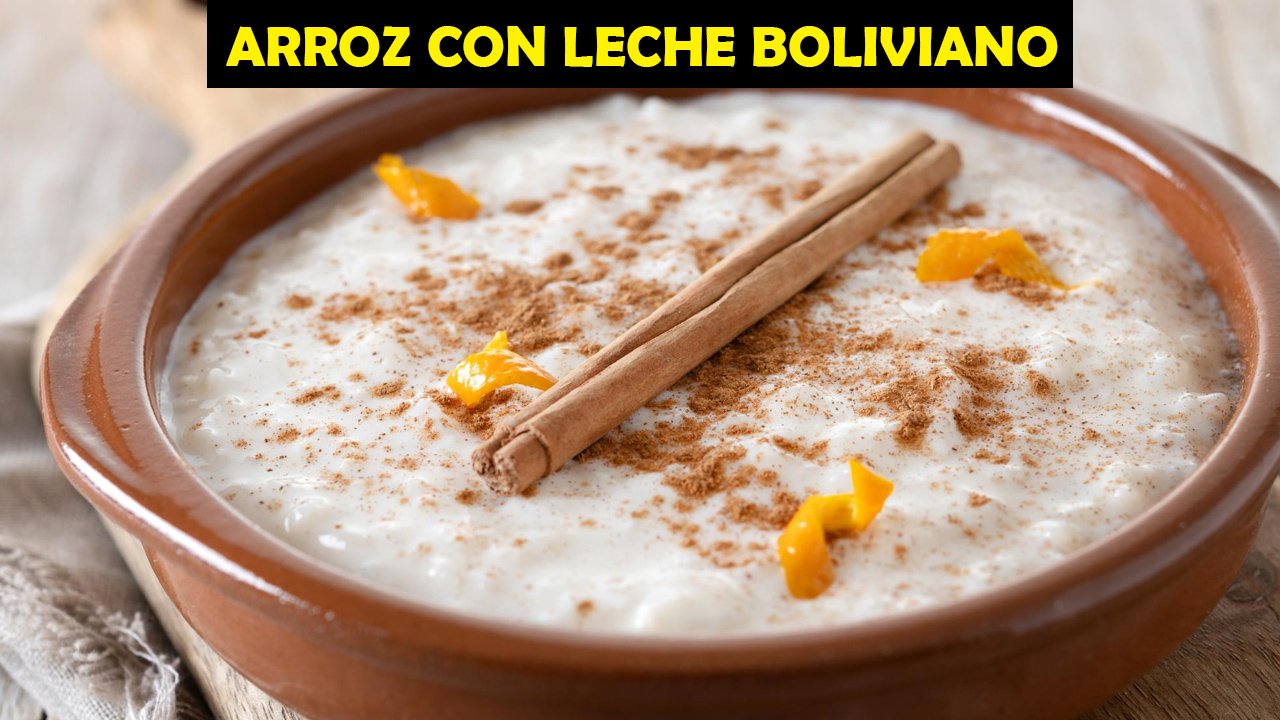
Arroz con leche boliviano is a traditional Bolivian rice pudding distinguished from other Latin American versions by its characteristic use of whole cinnamon sticks and cloves simmered directly into the rice and milk, producing a warmly spiced, aromatic dessert commonly sold by street vendors and served at family gatherings across Bolivia. Rather than pointing to specific restaurant listings this article can’t verify for your exact location, this guide covers what makes an authentic version genuinely different, how to evaluate quality wherever you happen to find it, and how to make it yourself using a traditional method.
What Makes Bolivian Rice Pudding Different From Other Versions?
While rice pudding exists in many culinary traditions worldwide, the Bolivian version has specific, recognizable characteristics: whole cinnamon sticks and cloves are simmered directly in the milk during cooking, infusing the dish with warm spice flavor throughout rather than just a dusting of ground cinnamon on top, and the rice is typically cooked slowly enough to become very soft and creamy, closer to a porridge consistency than some firmer rice pudding styles found elsewhere. Some regional and family variations also incorporate a small amount of shredded coconut or a splash of vanilla, though the cinnamon-and-clove spice base remains the most consistent identifying characteristic across authentic versions found throughout the country.
This dessert holds a well-established place in Bolivian home cooking and street food culture, commonly sold by vendors from large pots, ladled into cups, and dusted with ground cinnamon just before serving, making it a genuinely accessible, everyday treat rather than a rare or specialty item within Bolivia itself.
What Ingredients Go Into Authentic Arroz con Leche Boliviano?
A traditional preparation typically starts with white rice cooked initially in water, then combined with whole milk, sugar, whole cinnamon sticks, and whole cloves, simmered slowly over low heat until the rice becomes very tender and the mixture thickens to a creamy consistency. Some traditional recipes add a small amount of evaporated milk or condensed milk toward the end of cooking for extra richness, while others keep the recipe simpler with just whole milk and sugar, reflecting genuine regional and family variation across different parts of Bolivia.
The whole spices, rather than ground versions, are a meaningful detail: simmering whole cinnamon sticks and cloves directly in the liquid extracts flavor gradually throughout the cooking process and allows the spices to be removed before serving, producing a smoother final texture than mixing in ground spices would.
How Can You Tell If a Restaurant Version Is Made Authentically?
When evaluating a restaurant or vendor’s version of arroz con leche boliviano, the clearest indicators of an authentic, carefully made preparation include a visible or detectable use of whole cinnamon and clove flavor throughout, rather than just a light dusting on top, a creamy rather than watery or overly firm texture, and a genuine sweetness balance that doesn’t rely primarily on excessive added sugar to compensate for a lack of real spice infusion. Asking directly whether the kitchen prepares it using whole spices simmered into the milk, a fairly standard question for a restaurant proud of its traditional preparation, is a reasonable way to gauge authenticity when you’re unfamiliar with a specific establishment.
Restaurants specifically specializing in Bolivian cuisine, rather than general Latin American menus offering a single generic “rice pudding” item, are generally more likely to prepare this dish according to traditional Bolivian methods specifically, given the focused cultural and culinary context a dedicated Bolivian restaurant brings to its menu.
How Can You Actually Find Bolivian Restaurants Near You?
Since restaurant availability varies enormously by location and changes over time, the most reliable way to find genuine Bolivian restaurants or vendors near you is checking current listings and reviews on established platforms like Google Maps and Yelp, searching specifically for “Bolivian restaurant” or “Bolivian food” in your area, and reading recent customer reviews that specifically mention arroz con leche or other traditional desserts by name. Community-specific resources, including Bolivian cultural associations and diaspora community groups active in many cities with significant Bolivian populations, can also provide genuinely local, current recommendations that general search results might miss.
Checking whether a restaurant’s menu specifically lists “arroz con leche boliviano” by its full traditional name, rather than a generic “rice pudding” item, is often a useful initial signal that the kitchen is specifically honoring the traditional Bolivian version rather than serving a more generic interpretation of the dish.
How Can You Make Authentic Arroz con Leche Boliviano at Home?
If you’d rather make this dessert yourself than search for a restaurant version, a traditional approach starts by rinsing white rice and cooking it briefly in water until partially softened, then draining and combining it with whole milk, sugar, two or three whole cinnamon sticks, and four or five whole cloves in a heavy-bottomed pot. Simmering this mixture over low heat, stirring occasionally to prevent sticking, for roughly 30 to 40 minutes until the rice is very tender and the mixture has thickened to a creamy consistency, produces a genuinely traditional result. Removing the whole spices before serving and dusting the finished pudding with a small amount of ground cinnamon just before eating completes the traditional presentation.
Bolivian recipe resources like the Bolivian Cookbook project, which documents traditional Bolivian recipes with specific measurements and techniques, provide a genuinely useful, detailed reference for anyone wanting to prepare an authentic version at home with confidence in the specific proportions and technique.
What Regional Variations Exist Within Bolivia Itself?
Bolivia’s diverse regions, from the high-altitude Andean areas around La Paz to the lower-altitude valleys and eastern lowlands around Santa Cruz, show some genuine variation in how arroz con leche is traditionally prepared and served, including differences in sweetness level, spice intensity, and whether ingredients like coconut or additional dairy enrichments are commonly added. This kind of regional culinary diversity is well documented across Bolivian food writing and reflects the country’s genuinely varied geography and culinary traditions, rather than representing inconsistency or lack of an established standard recipe.
Recognizing this regional variation is useful context for understanding why you might encounter slightly different versions even among restaurants and home cooks who are all making a genuinely traditional, authentic Bolivian version of this dessert.
What Occasions Is This Dessert Traditionally Served At?
Beyond everyday street vendor sales, arroz con leche boliviano commonly appears at family gatherings, holiday celebrations, and community events across Bolivia, often prepared in large batches to share among many people rather than portioned individually the way a restaurant dessert typically would be. This communal serving tradition reflects its role as genuine comfort food woven into everyday Bolivian life, rather than a specialty item reserved only for formal occasions or restaurant dining specifically.
Understanding this cultural context helps explain why you’re more likely to encounter a truly traditional version through a Bolivian family recipe, a community event, or a dedicated Bolivian restaurant than through a general dessert menu at a restaurant without a specific Bolivian culinary focus. The BoliviaBella cultural resource, which documents Bolivian food traditions in detail, offers additional useful background on the dish’s cultural role for anyone wanting deeper context.
Conclusion
Authentic arroz con leche boliviano is distinguished by its whole cinnamon and clove preparation, producing a warmly spiced, creamy dessert with genuine roots in Bolivian home cooking and street food culture. Rather than relying on unverified restaurant listings, checking current reviews on established platforms, asking directly about preparation methods, or making it yourself using a traditional whole-spice technique are the most reliable ways to experience this dish authentically and confidently.
Frequently Asked Questions
What makes arroz con leche boliviano different from other rice puddings?
It’s distinguished by whole cinnamon sticks and cloves simmered directly into the milk during cooking, producing a warmly spiced, aromatic flavor throughout, along with a typically very creamy, soft rice texture.
How can I find an authentic Bolivian restaurant near me?
Check current listings and reviews on platforms like Google Maps and Yelp, search specifically for Bolivian restaurants, and read recent reviews mentioning traditional dishes like arroz con leche by name for the most reliable, current results.
What ingredients are essential for a traditional version?
Rice, whole milk, sugar, whole cinnamon sticks, and whole cloves form the traditional base, with some regional variations adding coconut, vanilla, or evaporated milk for additional richness and flavor throughout.
Is arroz con leche boliviano the same as Mexican or Spanish rice pudding?
No. While related in concept, the Bolivian version’s distinct whole-spice preparation and typically softer, creamier texture set it clearly apart from other regional Latin American and Spanish rice pudding traditions overall.
Can I make authentic Bolivian rice pudding at home?
Yes. Simmering rice with whole milk, sugar, whole cinnamon sticks, and cloves over low heat until creamy and tender, then removing the spices before serving, produces a genuinely traditional result at home.


Haslhof Explained: The Real German and Austrian Villages Behind This Place Name

Gaymetu E: What This Gaming Community Site Publishes

Who Is Arabella Sezen Oz? The Fascinating Life Story of Dr. Mehmet Oz’s Daughter

Who Was Saul Consuelos? The Full Life Story of Mark Consuelos’ Father

Who Is Diane Addonizio? The Verified Facts About Howie Long’s Wife

What Does “Landslide” by Fleetwood Mac Actually Mean?

Who Is Jaisal Andrews? Inside the Life of Naveen Andrews’ Son

Who Is Kerri Browitt Caviezel? The Inspiring Life Story of Jim Caviezel’s Wife

Who Is Saffron Le Bon? The Untold Life Story of Benjamin Compston’s Wife

Who Is Sue Johnston? The Remarkable Life Story of Joel Palmentor’s Mother

Who Is Tanja Rosner? The Untold Life Story of Tate McRae’s Mother

Who Is Otelia Cox? The Remarkable Life Story of Tony Cox’s Wife
-
 Celebrity1 month ago
Who Is Jaisal Andrews? Inside the Life of Naveen Andrews’ Son
-
 Celebrity4 weeks ago
Who Is Kerri Browitt Caviezel? The Inspiring Life Story of Jim Caviezel’s Wife
-
 Celebrity4 weeks ago
Who Is Saffron Le Bon? The Untold Life Story of Benjamin Compston’s Wife
-
 Celebrity4 weeks ago
Who Is Sue Johnston? The Remarkable Life Story of Joel Palmentor’s Mother
-
 Celebrity4 weeks ago
Who Is Tanja Rosner? The Untold Life Story of Tate McRae’s Mother
-
 Celebrity3 weeks ago
Who Is Otelia Cox? The Remarkable Life Story of Tony Cox’s Wife
-

 Celebrity4 weeks ago
Who Is Amanda Redman? The Inspiring Life Story of Joan Redman’s Daughter
-

 Technology3 weeks ago
FintechZoom.io Explained: What to Verify Before Trusting This Site