Food
Calamariere: Why This “Seafood Dish” Isn’t a Real Recipe

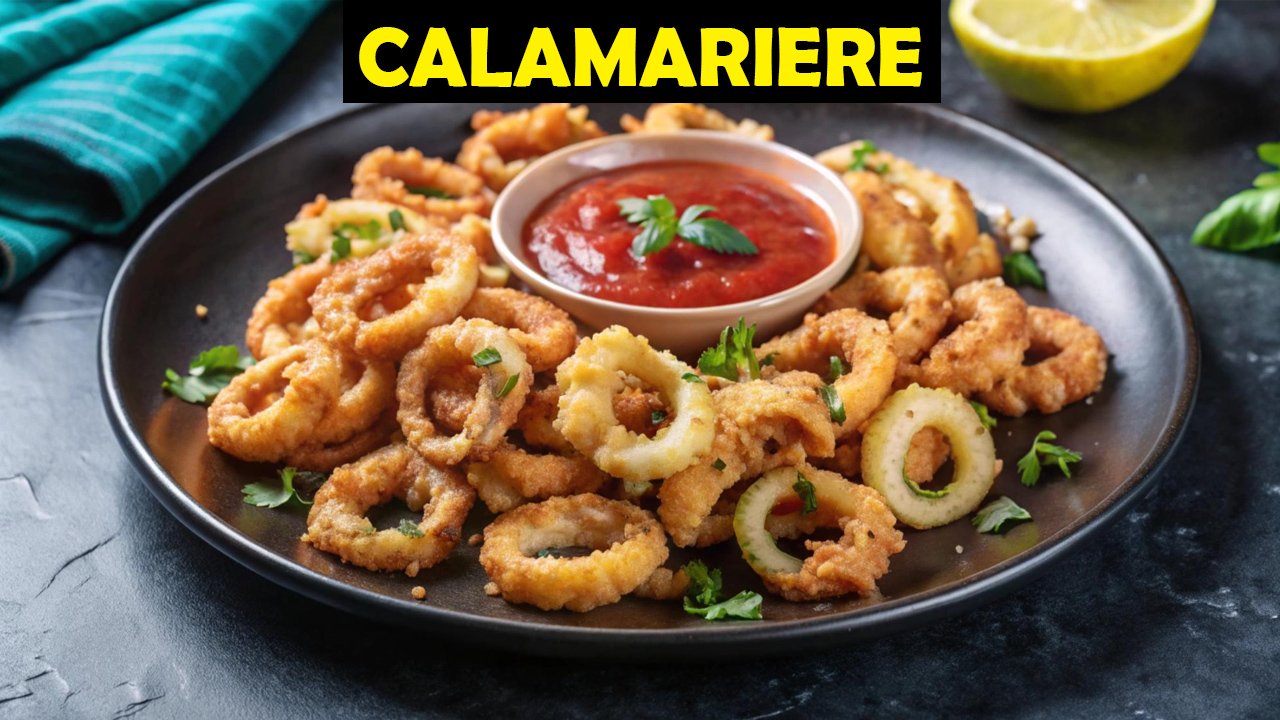
Calamariere has generated at least seven separate articles describing it as a Mediterranean seafood dish, a “delicious seafood masterpiece,” and a subject of “modern culinary art,” yet no established Italian, Greek, or broader Mediterranean cookbook, culinary reference, or restaurant menu documents this specific dish name, and the word itself appears to be an invented variation on “calamari” (squid) with an Italian-sounding suffix attached rather than a genuine, traditional dish name. This article covers what these articles claim, why the term doesn’t hold up against genuine Italian culinary references, and what real squid dishes you should look for instead.
What Do Articles About Calamariere Actually Claim?
The available content describes Calamariere in confident, appetizing language, framing it as a “delicious seafood masterpiece,” a dish with “cultural relevance and modern interpretations,” and even as the subject of a dedicated fact-check piece asking about the “real truth behind a viral word,” an unusual meta-framing where one article about the term openly questions its own legitimacy while others confidently present it as an established culinary tradition.
Despite this range of confident food-writing language, none of the articles provide a specific, traceable regional origin, a named chef or restaurant credited with creating the dish, or a recipe that traces back to any documented traditional Italian or Mediterranean culinary source, details that genuine regional dish names, even relatively obscure ones, typically carry with them.
Does “Calamariere” Appear in Any Genuine Italian Culinary Reference?
No. The term does not appear in established Italian cookbooks, regional Italian culinary dictionaries, or restaurant menu databases documenting genuine Italian seafood dishes. Standard Italian squid preparations are well documented under names like “calamari fritti” (fried calamari), “calamari ripieni” (stuffed calamari), and “calamari in umido” (stewed calamari), all genuine, traceable dish names appearing consistently across Italian cookbooks and restaurant menus, in clear contrast to “Calamariere,” which appears nowhere in this same body of genuine culinary documentation.
This absence from established Italian culinary references, despite the confident dish-description framing applied to it, is the clearest signal that this represents an invented term rather than a genuine, traditional recipe name.
Why Does the Word Itself Look Like an Invented Construction?
“Calamariere” appears to combine “calamari,” the genuine Italian word for squid, with an “-iere” suffix common in Italian for forming occupational or descriptive nouns, similar to how “portiere” means doorman or “cassiere” means cashier. While this suffix pattern is grammatically genuine Italian construction, applying it to “calamari” to form a dish name doesn’t correspond to any actual, established naming convention used in genuine Italian cuisine, where dishes are typically named descriptively, “calamari fritti,” “calamari alla griglia” (grilled calamari), rather than through this kind of occupational-style suffix construction.
This pattern, taking genuine language elements and combining them in a plausible-sounding but ultimately invented way, is a recognizable strategy for manufacturing a term that sounds authentically foreign and appetizing without corresponding to any real, traditional dish.
Why Would Content Be Manufactured Around an Invented Food Term?
Food and recipe content attracts consistently strong search interest, since readers are broadly motivated to discover new dishes, recipes, and culinary traditions, particularly ones framed as authentic regional specialties from a cuisine as globally popular as Italian food. This makes invented dish names an attractive target for content operations seeking to capture search traffic from food-curious readers, since the underlying interest category, Italian and Mediterranean seafood cuisine, already has a large, engaged audience actively searching for exactly this kind of content.
The specific framing applied to Calamariere, emphasizing authenticity, cultural relevance, and culinary tradition, plays directly into what food-curious readers are generally looking for, making the manufactured legitimacy claims particularly effective at generating clicks even though no genuine dish actually exists under this name.
How Can You Tell a Genuine Regional Dish From an Invented One?
The clearest verification method is checking whether a claimed dish appears in established, reputable culinary references specific to the claimed region or cuisine, in this case genuine Italian cookbooks, culinary encyclopedias, or restaurant menus from the specific region the dish is claimed to represent. The Accademia Italiana della Cucina, Italy’s official academy dedicated to documenting and preserving genuine Italian culinary traditions, maintains authoritative documentation of real regional Italian dishes, offering a considerably more reliable reference point than generic English-language food blog content making unsupported authenticity claims. Established recipe archives like Giallo Zafferano, one of Italy’s most widely used recipe platforms, offer another useful cross-check for confirming whether a specific dish name is genuinely part of Italian culinary tradition.
Genuine regional dishes also typically show up consistently across multiple independent, reputable culinary sources using the same core name and preparation method, rather than appearing suddenly across a small cluster of similarly-styled explainer articles with no deeper culinary reference backing any of them.
What Real Squid Dishes Should You Look For Instead?
If your actual interest is genuine Italian or Mediterranean squid preparations, well-documented, authentic options include “calamari fritti” (crispy fried calamari rings, likely the most internationally recognized preparation), “calamari ripieni” (squid stuffed with breadcrumbs, herbs, and sometimes other seafood), and “calamari alla griglia” (simply grilled calamari, popular across coastal Mediterranean regions for its clean, simple flavor). Each of these has genuine, traceable culinary documentation and appears consistently across established Italian cookbooks and restaurant menus, unlike the invented Calamariere term.
Regional variations also exist, including Sicilian and Greek preparations of squid with distinct local seasonings and techniques, offering genuine culinary diversity for anyone interested in exploring squid dishes beyond the most internationally familiar fried version.
Could “Calamariere” Be a Regional or Dialect Term Missed by Standard References?
It’s worth considering whether the term might reflect an obscure local dialect name used in a specific small coastal town rather than a nationally recognized dish, since Italian regional cuisine includes countless hyper-local names that don’t always appear in broader national references. However, even genuinely obscure dialect dish names typically leave some trace in regional tourism materials, local restaurant menus, or dedicated regional cookbooks, none of which could be found here, making even this more generous explanation difficult to support with the evidence currently available.
Why Does This Matter for Recipe Accuracy?
Attempting to actually cook “Calamariere” based on any of the currently available articles risks following an invented recipe with no genuine culinary tradition or tested technique behind it, potentially producing disappointing results compared to following an established, well-tested recipe for a genuine dish like calamari fritti or calamari ripieni, developed and refined by generations of actual culinary tradition and testing. For anyone genuinely interested in cooking authentic Italian seafood, prioritizing recipes traceable to established culinary sources over generic content built around an unverified, seemingly invented dish name will produce more reliable, genuinely satisfying results.
Does the Meta-Framing of “Fact-Checking a Viral Word” Change Anything?
One of the articles about Calamariere frames itself specifically as fact-checking the “real truth behind a viral word,” language that on its surface sounds like exactly the kind of careful verification this article is also attempting. However, an article adopting fact-checking language doesn’t automatically mean it applied genuine culinary verification standards, checking established cookbooks, regional culinary archives, or restaurant menu databases, rather than simply repeating the same unsupported dish description found across other articles using different framing. A piece can present itself as skeptical or investigative in tone while still failing to consult any authoritative source capable of actually confirming or denying the dish’s existence.
This distinction matters because readers may reasonably assume that content explicitly framed as fact-checking has already done the verification work, when in practice the specific claims still need to be checked against genuine culinary references independently, exactly as this article has attempted to do by checking established Italian cookbooks and culinary academies directly.
Conclusion
Calamariere does not appear to be a genuine Italian or Mediterranean dish, lacking any documentation in established culinary references and appearing to be an invented combination of the real word “calamari” with a plausible-sounding but unestablished Italian suffix. Anyone genuinely interested in authentic squid preparations is better served exploring well-documented dishes like calamari fritti, calamari ripieni, or calamari alla griglia, each backed by real culinary tradition rather than manufactured search content.
Frequently Asked Questions
Is Calamariere a real Italian dish?
No verifiable evidence supports this. The term does not appear in established Italian cookbooks, culinary references, or restaurant menus, and appears to be an invented combination of “calamari” with an Italian-sounding suffix rather than a genuine dish name.
What does the word “Calamariere” actually mean?
It appears to combine “calamari” (squid) with the Italian “-iere” suffix commonly used for occupational nouns, a grammatically plausible but not genuinely established naming pattern for Italian dishes, which are typically named more descriptively.
What are real, authentic squid dishes I can try instead?
Genuine options include calamari fritti (fried calamari), calamari ripieni (stuffed calamari), and calamari alla griglia (grilled calamari), all well-documented across established Italian cookbooks and restaurant menus worldwide, with regional Sicilian and Greek variations offering further genuine diversity.
Why do articles describe Calamariere as an authentic dish if it isn’t real?
Food content attracts strong search interest, particularly around popular cuisines like Italian food. Manufactured dish names can capture this traffic by using confident, authentic-sounding culinary language without genuine traditional grounding.
Where can I find genuine, verified Italian recipes?
Established culinary references like Italy’s Accademia Italiana della Cucina document genuine regional Italian dishes authoritatively, offering considerably more reliable recipe sourcing than generic food blog content making unsupported authenticity claims.


Haslhof Explained: The Real German and Austrian Villages Behind This Place Name

Gaymetu E: What This Gaming Community Site Publishes

Who Is Arabella Sezen Oz? The Fascinating Life Story of Dr. Mehmet Oz’s Daughter

Who Was Saul Consuelos? The Full Life Story of Mark Consuelos’ Father

Who Is Diane Addonizio? The Verified Facts About Howie Long’s Wife

What Does “Landslide” by Fleetwood Mac Actually Mean?

Who Is Jaisal Andrews? Inside the Life of Naveen Andrews’ Son

Who Is Kerri Browitt Caviezel? The Inspiring Life Story of Jim Caviezel’s Wife

Who Is Saffron Le Bon? The Untold Life Story of Benjamin Compston’s Wife

Who Is Sue Johnston? The Remarkable Life Story of Joel Palmentor’s Mother

Who Is Tanja Rosner? The Untold Life Story of Tate McRae’s Mother

Who Is Otelia Cox? The Remarkable Life Story of Tony Cox’s Wife
-
 Celebrity1 month ago
Who Is Jaisal Andrews? Inside the Life of Naveen Andrews’ Son
-
 Celebrity4 weeks ago
Who Is Kerri Browitt Caviezel? The Inspiring Life Story of Jim Caviezel’s Wife
-
 Celebrity4 weeks ago
Who Is Saffron Le Bon? The Untold Life Story of Benjamin Compston’s Wife
-
 Celebrity4 weeks ago
Who Is Sue Johnston? The Remarkable Life Story of Joel Palmentor’s Mother
-
 Celebrity4 weeks ago
Who Is Tanja Rosner? The Untold Life Story of Tate McRae’s Mother
-
 Celebrity3 weeks ago
Who Is Otelia Cox? The Remarkable Life Story of Tony Cox’s Wife
-

 Celebrity4 weeks ago
Who Is Amanda Redman? The Inspiring Life Story of Joan Redman’s Daughter
-

 Technology3 weeks ago
FintechZoom.io Explained: What to Verify Before Trusting This Site