Blog
Cbybxrf Explained: The Real Keyboard Glitch Behind This Word

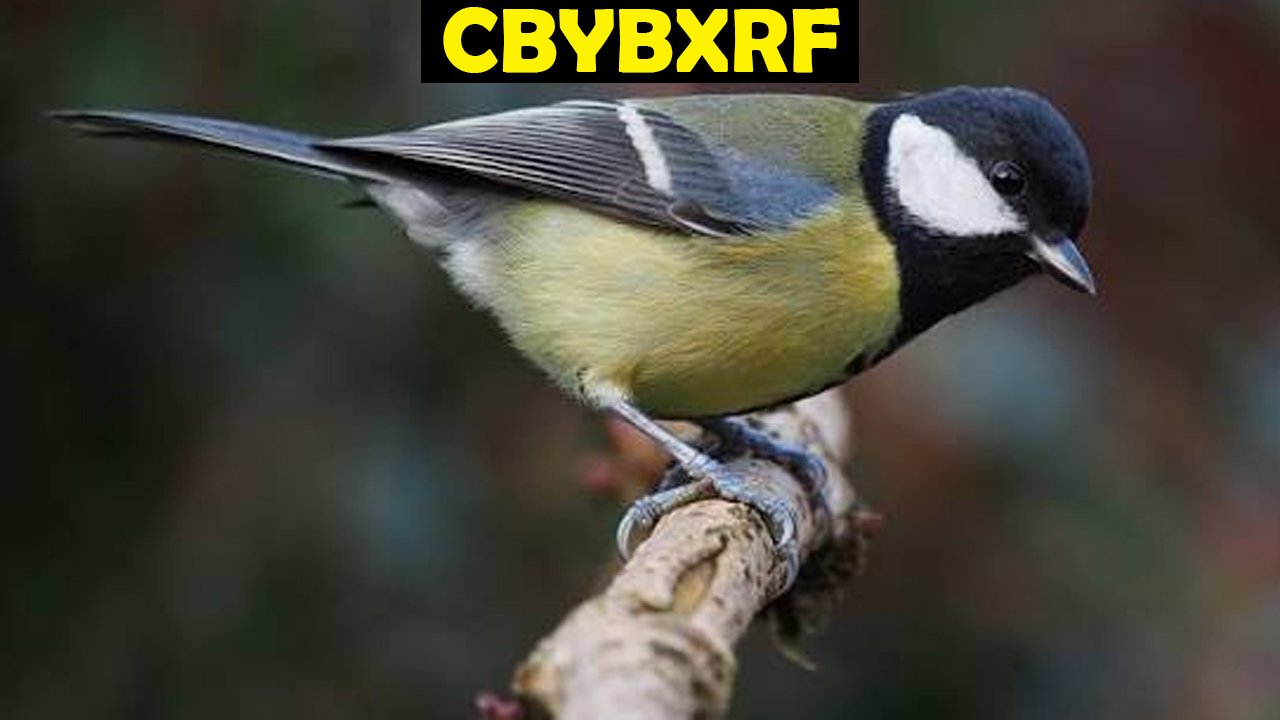
Cbybxrf is a genuine example of a documented keyboard layout mismatch, specifically what happens when someone types the Russian word “синичка,” meaning “chickadee” or “tit,” a small songbird, while their keyboard is set to a Latin rather than Cyrillic input layout, producing this exact garbled sequence of Latin characters. This article covers how this specific keyboard layout phenomenon actually works, why it produces this particular result, and how to recognize and fix this kind of typing mismatch yourself.
How Does This Keyboard Layout Mismatch Actually Work?
Russian computer keyboards use a standard layout system called JCUKEN, referencing the letters found in the layout’s top row, which assigns Cyrillic letters to the same physical key positions as a QWERTY keyboard’s Latin letters, meaning each physical key produces a different character depending on which language layout is currently active on the computer. When someone accidentally types a Cyrillic word while their operating system’s keyboard layout is set to a Latin-based option instead, each keystroke lands on the same physical key positions but produces the corresponding Latin letter rather than the intended Cyrillic character, resulting in exactly this kind of garbled-looking output.
Wikipedia’s documented entry on the JCUKEN keyboard layout confirms this standard Russian keyboard arrangement, providing genuine, verifiable technical documentation for exactly the mechanism that produces results like “Cbybxrf.”
Why Does “Cbybxrf” Specifically Decode to “Синичка”?
Working through the JCUKEN layout’s specific key mapping confirms this decoding directly: the Latin letter C occupies the same physical key position as Cyrillic С, b corresponds to И, y corresponds to Н, the second b again corresponds to И, x corresponds to Ч, r corresponds to К, and f corresponds to А, together spelling “синичка” when read as Cyrillic characters typed on their corresponding Latin-layout key positions. This isn’t a coincidental or arbitrary decoding; it follows directly and consistently from the standard, documented JCUKEN layout mapping used across genuine Russian-language computing environments.
“Синичка” itself is a genuine, common Russian word, a diminutive form of “синица,” referring to birds in the tit family, small, common songbirds found throughout Russia and much of Europe, meaning the original intended word was something entirely ordinary and unremarkable before the keyboard layout mismatch transformed it into this unusual-looking string of Latin letters.
Why Does This Kind of Keyboard Mismatch Happen So Commonly?
This kind of layout mismatch happens regularly for anyone who regularly switches between Cyrillic and Latin-based keyboard layouts on the same computer, since most operating systems allow quick layout switching via a keyboard shortcut, and typing quickly without checking which layout is currently active easily produces this exact kind of garbled output. This is an extremely well-documented, common phenomenon within Russian-speaking computing communities specifically, well known enough that it has its own informal name in Russian internet culture, sometimes humorously called typing “in the wrong layout.”
Similar layout mismatch phenomena occur between other language pairs using non-Latin scripts on shared physical keyboards, including Greek, Hebrew, and various other Cyrillic-using languages, reflecting a genuinely universal characteristic of how physical keyboards paired with software-based language layouts function across computing generally.
How Can You Recognize and Fix This Kind of Typing Mistake?
Recognizing a keyboard layout mismatch typically involves noticing that typed text produces unexpected, seemingly random Latin characters instead of the intended Cyrillic word, particularly when the resulting text doesn’t form a recognizable Latin-script word or name. Most modern operating systems, including Windows, macOS, and various Linux distributions, include built-in keyboard layout switching shortcuts, and checking which specific layout is currently active before typing is the most straightforward way to avoid this mismatch in the first place.
Several online tools and browser extensions specifically exist to automatically detect and convert this kind of layout-mismatched text back into its intended Cyrillic form, reflecting how common and well-recognized this specific typing problem is among Russian-speaking computer users especially. Reference resources describing this specific phenomenon, including a dedicated explainer on the “Cbybxrf” case itself, corroborate this same underlying keyboard mismatch explanation.
Why Might This Specific Term Generate Confusing Search Results?
A garbled string like “Cbybxrf” doesn’t resemble a recognizable word in any language when encountered without context, making it a genuinely unusual, curiosity-inducing search term that content operations sometimes target with vague, speculative “guide” articles describing it as an “adaptive digital framework” or similarly generic invented concept, rather than accurately identifying it as a straightforward keyboard layout artifact. Readers encountering this kind of speculative content should recognize that the genuine, verifiable explanation, a documented keyboard mismatch phenomenon with a specific, checkable decoded meaning, is considerably more reliable than vague, unsubstantiated “digital framework” framing found elsewhere.
What Other Examples Illustrate This Same Keyboard Mismatch Phenomenon?
Beyond “Cbybxrf,” countless other everyday Russian words produce similarly garbled Latin-letter sequences when typed with a mismatched keyboard layout, since the underlying JCUKEN-to-QWERTY key mapping applies consistently across the entire Russian alphabet rather than being specific to any single word. Common Russian greetings, names, and everyday vocabulary all produce their own distinct, garbled Latin-letter versions under this same mismatch, and Russian-speaking internet communities have documented and shared numerous other well-known examples of this phenomenon over the years, treating it as a familiar, recognizable category of typing mistake rather than a mysterious occurrence.
This consistency across many different words is itself strong evidence supporting the keyboard-mismatch explanation specifically, since a genuinely systematic, rule-based mechanism, rather than coincidence, is what allows the exact same decoding logic to correctly explain many completely different garbled examples.
What Should You Do If You Encounter Similar Garbled Text Elsewhere?
If you encounter other unfamiliar strings of Latin letters that don’t form recognizable words, checking whether they might represent a Cyrillic word typed on a mismatched keyboard layout, using the same JCUKEN mapping logic or an online conversion tool, is a genuinely useful first troubleshooting step before assuming the text represents something more mysterious or deliberately encoded. This approach applies specifically to text that seems to originate from Russian-speaking contexts or communities, since the same general principle wouldn’t necessarily apply to garbled text from entirely different language or keyboard contexts.
Do Similar Keyboard Mismatch Phenomena Happen in Other Languages?
Keyboard layout mismatches are a genuinely universal characteristic of software-based input systems generally, meaning similar garbled-text phenomena occur wherever a non-Latin script shares physical key positions with Latin characters through a software layout mapping. Greek, Hebrew, Armenian, and various other Cyrillic-using languages beyond Russian all experience comparable mismatch phenomena when someone types in the intended script while an unintended Latin layout remains active, producing their own distinct, garbled Latin-letter sequences following each language’s specific standard keyboard mapping. Programmers and linguists studying input method systems have documented this general phenomenon extensively, treating it as a predictable consequence of how modern operating systems handle multiple language layouts on shared physical hardware rather than anything mysterious or language specific.
This broader pattern reinforces why the “Cbybxrf” case specifically deserves a straightforward technical explanation rather than speculative framing, since the exact same underlying mechanism, a predictable, rule-based key-position mapping between scripts, reliably explains countless similar cases across many different language pairs and computing contexts worldwide.
Is There a Way to Confirm This Decoding Independently Yourself?
Anyone curious can verify this decoding directly using any standard online JCUKEN-to-Latin keyboard mapping chart or conversion tool, typing “Cbybxrf” through the mapping to independently confirm it produces “синичка,” without needing to trust any single source’s explanation alone. This kind of independent, reproducible verification is precisely what distinguishes a genuine technical explanation from vague, unverifiable speculative framing.
Conclusion
Cbybxrf is a genuine, documented keyboard layout mismatch artifact, produced when the Russian word “синичка,” meaning a small songbird, is typed with a Latin rather than Cyrillic layout active, following directly from the standard JCUKEN keyboard mapping. Readers encountering this or similarly garbled text should recognize it as a straightforward technical artifact rather than trusting vague, speculative “digital framework” content built around its unusual appearance.
Frequently Asked Questions
What does “Cbybxrf” actually mean?
It’s a keyboard layout mismatch artifact. When “синичка,” the Russian word for a small songbird, is typed with a Latin rather than Cyrillic keyboard layout active, it produces exactly this garbled sequence.
Is this a real, documented computing phenomenon?
Yes, absolutely. Keyboard layout mismatches between Cyrillic JCUKEN and Latin QWERTY layouts are a well-documented, genuinely common occurrence among Russian-speaking computer users worldwide, confirmed directly by Wikipedia’s own JCUKEN documentation.
Why does this specific garbled text decode to a bird name?
The decoding follows directly and consistently from the standard JCUKEN keyboard mapping; each Latin letter in “Cbybxrf” occupies the same physical key position as the corresponding Cyrillic letter in “синичка” overall.
Why do some articles describe Cbybxrf as a “digital framework” instead?
This reflects speculative, generic content generated around an unusual-looking search term without accurately or consistently identifying its actual, verifiable explanation as a well-documented keyboard layout artifact overall, specifically, and consistently.
How can I avoid this kind of keyboard mismatch myself?
Check which keyboard layout is currently active before typing, particularly if you regularly switch between Cyrillic and Latin layouts, and use built-in operating system shortcuts to switch layouts deliberately and consistently.


Haslhof Explained: The Real German and Austrian Villages Behind This Place Name

Gaymetu E: What This Gaming Community Site Publishes

Who Is Arabella Sezen Oz? The Fascinating Life Story of Dr. Mehmet Oz’s Daughter

Who Was Saul Consuelos? The Full Life Story of Mark Consuelos’ Father

Who Is Diane Addonizio? The Verified Facts About Howie Long’s Wife

What Does “Landslide” by Fleetwood Mac Actually Mean?

Who Is Jaisal Andrews? Inside the Life of Naveen Andrews’ Son

Who Is Kerri Browitt Caviezel? The Inspiring Life Story of Jim Caviezel’s Wife

Who Is Saffron Le Bon? The Untold Life Story of Benjamin Compston’s Wife

Who Is Sue Johnston? The Remarkable Life Story of Joel Palmentor’s Mother

Who Is Tanja Rosner? The Untold Life Story of Tate McRae’s Mother

Who Is Otelia Cox? The Remarkable Life Story of Tony Cox’s Wife
-
 Celebrity1 month ago
Who Is Jaisal Andrews? Inside the Life of Naveen Andrews’ Son
-
 Celebrity4 weeks ago
Who Is Kerri Browitt Caviezel? The Inspiring Life Story of Jim Caviezel’s Wife
-
 Celebrity4 weeks ago
Who Is Saffron Le Bon? The Untold Life Story of Benjamin Compston’s Wife
-
 Celebrity4 weeks ago
Who Is Sue Johnston? The Remarkable Life Story of Joel Palmentor’s Mother
-
 Celebrity4 weeks ago
Who Is Tanja Rosner? The Untold Life Story of Tate McRae’s Mother
-
 Celebrity3 weeks ago
Who Is Otelia Cox? The Remarkable Life Story of Tony Cox’s Wife
-

 Celebrity4 weeks ago
Who Is Amanda Redman? The Inspiring Life Story of Joan Redman’s Daughter
-

 Technology3 weeks ago
FintechZoom.io Explained: What to Verify Before Trusting This Site