Home Improvement
Freeze-Thaw Cycles and Your Shingles: What a Michigan Winter Does Over 20 Years

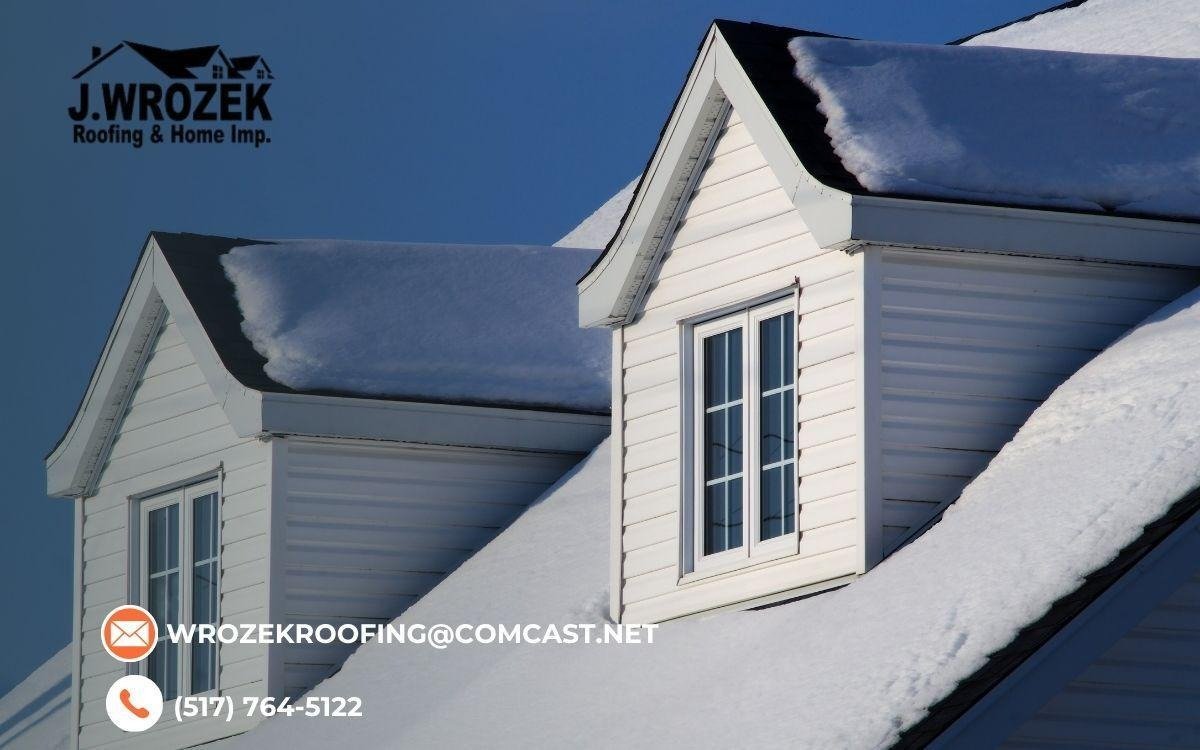
A roof in Jackson County doesn’t wear out in one dramatic event. It wears out the way a driveway cracks: slowly, quietly and in a pattern that repeats every winter. Most homeowners only notice the result years later, when shingles curl, granules wash into the gutters or a stain shows up on a bedroom ceiling. By then, the damage has been building for a long time, and the choice between a roof repair service and a full roof replacement service is already on the table.
The main culprit isn’t snow, and it isn’t even the cold. It’s the swing back and forth across the freezing point, over and over, for two decades. Here’s what that does to the shingles over your head, and how to decide what to do about it.
Why Michigan’s weather is hard on a roof
A steady deep freeze is actually fairly gentle on roofing materials. What does the damage is the repeated cycling: a cold night, a sunny afternoon that pushes the roof surface above freezing, then another cold night. In southern Michigan, that pattern can repeat many times in a single winter and again through the early spring, because our temperatures rarely stay put for long.
Every one of those swings makes your roof expand and contract. Asphalt shingles, the nails holding them, the metal flashing around your chimney and vents, and the wood decking underneath all move at different rates. Over thousands of small movements, those differences add up to stress in exactly the places where the roof is supposed to stay sealed.
What happens inside the shingle
Asphalt shingles are a layered product: a fiberglass mat, coated in asphalt, topped with mineral granules that shield the asphalt from sunlight. Freeze-thaw cycles attack that structure in a few ways at once.
Moisture is the key ingredient. Water finds its way into tiny gaps, such as hairline cracks, spots where granules have worn thin and the edges of tabs. When that water freezes, it expands, which pries those gaps a little wider. When it thaws, the water moves in a bit deeper. The next freeze widens it again. No single cycle does much, but a roof goes through hundreds of them over its life.
Meanwhile, the constant heating and cooling dries out the asphalt over time. A shingle that was flexible and tough when it was installed becomes stiffer and more brittle. That’s why older shingles crack, curl at the corners or lose their grip on the roof. And as granules loosen and wash away, the asphalt underneath is exposed to sun and weather, which speeds up the whole process.
What your roof looks like at 5, 10, 15 and 20 years
It helps to think of this as a timeline, since the signs change as a roof ages. Every roof is different depending on the quality of the materials, the way it was installed, how well your attic is ventilated and which direction your slopes face, so treat these as general patterns and not guarantees.
The first few years are usually quiet. The shingles are flexible, the seal strips are fresh and the granules are firmly in place. Problems at this stage almost always trace back to installation or ventilation, not age.
Around years 5 to 10, you may start to see the first small changes: a little more granule loss in the gutters, minor wear on south-facing slopes that take the most sun, and early stress at flashing and sealant around penetrations. Most of this is easy to fix if it’s caught early.
By years 10 to 15, the effects of repeated cycling are usually visible. Shingles may begin to curl or cup at the edges. Sealant around chimneys, vents and skylights can crack or pull away. You might find a few cracked or lifted shingles after a windy day, because brittle, unsealed shingles don’t resist wind the way new ones do.
Near the 20-year mark, a typical asphalt roof is at or approaching the end of its service life. Widespread granule loss, brittle shingles, repeated small leaks and soft spots in the decking are common. Repairs become more frequent and less effective, because you’re patching material that’s worn out all over. That’s usually the point where replacement becomes the more sensible investment.
The warning signs worth checking after winter
Spring is the best time to look, because the roof has just been through the worst of it. From the ground or from a window, you’re looking for shingles that are curled, cracked or missing; dark, bald or streaky patches where granules have worn away; and a lot of granules collected in your gutters or at the bottom of downspouts. Inside, check the ceilings and the attic for water stains, damp insulation or daylight coming through the roof boards.
Never climb onto a roof in wet, icy or uncertain conditions to check it yourself. A good pair of binoculars from the ground is safer and often tells you enough to decide whether you need a professional to take a closer look.
The part most people overlook: your attic
The roof surface gets the attention, but what’s happening underneath can make freeze-thaw damage much worse. When heat escapes from the living space into a poorly insulated or poorly ventilated attic, it warms the roof deck from below. Snow on the roof melts, runs down to the cold edge of the eaves, and refreezes. That’s how ice dams form, and they push water up under shingles where it was never meant to go.
A well-ventilated, properly insulated attic keeps the roof deck closer to the outside temperature, which reduces both the melting-and-refreezing cycle and the stress on the shingles. If you’ve had ice dams, recurring leaks near the eaves or a roof that seems to age faster than your neighbors’, the attic is worth a look.
Repair or replacement: how to decide
This is the question most homeowners are really asking. As a rough guide, a roof repair service makes sense when the damage is limited and the rest of the roof is in good shape: a handful of cracked or missing shingles, a failed section of flashing, or a localized leak on a roof that’s still relatively young. Repairs like these are quick, affordable and extend the life of what you have.
A roof replacement service is usually the better call when the problems are widespread instead of isolated. If the roof is approaching or past two decades, if shingles are curling or shedding granules across multiple slopes, or if you’re calling for repairs year after year, you’re paying to keep an aging roof limping along. Past a certain point, each repair buys less time than the last, and a full replacement protects the structure underneath instead of just delaying the inevitable.
An honest inspection can tell you which side of that line you’re on, and the best contractors will be upfront when a repair is all you need.
Choosing who to call
Because so much of this comes down to reading how a specific roof has aged, it pays to work with a local roofing contractor in Jackson County who understands what Michigan winters do to a home, not just someone who can quote a price. Look for a contractor who inspects thoroughly, explains what they see in plain terms, offers both repair and replacement options and puts the scope of work in writing. Ask about licensing, insurance and warranties up front, and get more than one opinion if the recommended work is a big job.
If you’re seeing signs of wear on your own roof and aren’t sure what they mean, J. Wrozek Roofing & Home Improvement offers roof repair and replacement for homeowners across the area and can inspect what’s going on and talk you through your options.
Frequently asked questions
How long do asphalt shingles last in Michigan?
Most asphalt shingle roofs last roughly 15 to 25 years, depending on the shingle quality, installation, ventilation and exposure. Freeze-thaw cycling is one of the main reasons Michigan roofs tend to land in the middle or lower end of that range.
Does freezing weather damage a roof?
Cold alone is rarely the problem. The repeated cycle of freezing and thawing does the damage, because water that gets into small cracks expands as it freezes and slowly widens them.
When should I have my roof inspected?
Spring is ideal, since the roof has just been through the harshest conditions. You should also schedule an inspection after any major storm, or any time you notice stains, leaks, missing shingles or lots of granules in the gutters.
Can I repair a roof in winter?
Emergency repairs to stop active leaks can be done in cold weather, though some materials seal better in milder temperatures. A full replacement is often best scheduled for warmer months, but a contractor can advise on what’s practical for your situation.
Is it better to repair or replace an older roof?


Who Is Sol Xochitl? The Inspiring Life Story of Exodus Tyson’s Mother

Who Is Sherry Aon? The Untold Story Behind Rick Gonzalez’s Wife

Who Is Krista Visentin? A Closer Look at the Amazing Life of David Visentin’s Wife

How to Prepare Your Travel Declaration Before Visiting Another Country

Who Is Aliza Barber? The Remarkable Life of Lance Barber’s Wife

Who Is Korina Harrison? The Truth Behind Corey Harrison’s Ex-Wife

Who Is Tanja Rosner? The Untold Life Story of Tate McRae’s Mother

Who Is Jaisal Andrews? Inside the Life of Naveen Andrews’ Son

Who Is Saffron Le Bon? The Untold Life Story of Benjamin Compston’s Wife

What Is OpenSkyNews and Who Are Its Two Co-Founders?

Who Is Kerri Browitt Caviezel? The Inspiring Life Story of Jim Caviezel’s Wife

Who Is Otelia Cox? The Remarkable Life Story of Tony Cox’s Wife
-
 Celebrity3 months ago
Who Is Tanja Rosner? The Untold Life Story of Tate McRae’s Mother
-
 Celebrity3 months ago
Who Is Jaisal Andrews? Inside the Life of Naveen Andrews’ Son
-
 Celebrity3 months ago
Who Is Saffron Le Bon? The Untold Life Story of Benjamin Compston’s Wife
-
 Entertainment2 months ago
What Is OpenSkyNews and Who Are Its Two Co-Founders?
-
 Celebrity3 months ago
Who Is Kerri Browitt Caviezel? The Inspiring Life Story of Jim Caviezel’s Wife
-
 Celebrity3 months ago
Who Is Otelia Cox? The Remarkable Life Story of Tony Cox’s Wife
-

 Celebrity3 months ago
Who Is Sue Johnston? The Remarkable Life Story of Joel Palmentor’s Mother
-

 Software2 months ago
Voozon.com Explained: What It Really Is Behind the “Knowledge Platform” Label