Blog
Haslhof Explained: The Real German and Austrian Villages Behind This Place Name

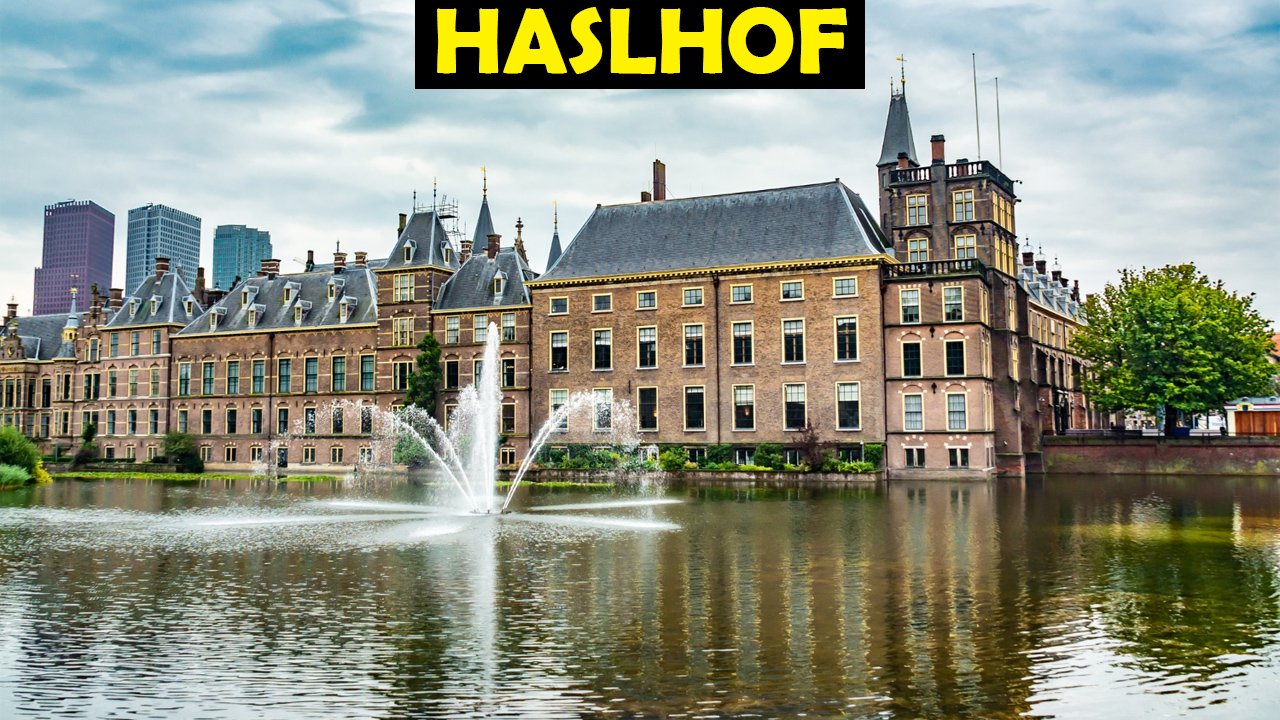
Haslhof is a genuine, documented place name shared by at least three separate communities across Bavaria, Germany, and Upper Austria, plus a distinct alpine road cycling climb in South Tyrol, Italy, all connected by the common German naming pattern that combines a descriptive first element with the suffix “hof,” meaning farm or estate. This article covers where the real places named Haslhof actually are, why the same name repeats across unrelated locations, and how this pattern fits into broader German-language place naming.
What Is Haslhof, Genuinely?
Haslhof functions as a shared name for multiple small, distinct communities across German-speaking Central Europe, documented directly through a German Wikipedia disambiguation page listing each location separately rather than treating them as a single place.
This kind of shared naming pattern is extremely common across German-speaking regions, where small villages, hamlets, and individual farmsteads frequently carry names built from the same limited set of descriptive elements and suffixes repeated across many unrelated locations.
Recognizing Haslhof as a genuine, if unremarkable, example of this naming pattern is the accurate starting point for understanding the term, rather than assuming it refers to any single specific place or entity.
Where Are the Real Places Named Haslhof?
The first documented Haslhof is a district within Rettenbach, a municipality located in the Cham district of Bavaria, Germany, a rural area in the Upper Palatinate region near the Bavarian Forest.
The second is a district of Walderbach, another municipality also situated within the Cham district of Bavaria, placing two of the three documented Haslhof locations within the same general Bavarian county.
The third is a locality within the municipality of St. Veit im Muhlkreis, located in the Rohrbach district of Upper Austria, placing this specific Haslhof across the national border from its two Bavarian namesakes.
What Does the “-hof” Suffix Actually Mean?
“Hof” is a genuine, well-documented German word referring to a farm, estate, or courtyard, historically used to describe an individual agricultural property or homestead rather than a larger village or town.
Estate names built this way, formally referred to in German as “Hofname,” were historically common enough across German-speaking regions that many were eventually adopted as hereditary surnames, particularly in northern German areas like Lower Saxony and North Rhine-Westphalia.
This naming convention means a name like Haslhof originally identified one specific farm or homestead, “Hasl” plus “hof,” before some of these individual farmsteads grew into small hamlets or districts that retained the original farm name.
Why Do Multiple Unrelated Villages Share the Exact Same Name?
German place names are frequently built from a relatively small, recurring pool of descriptive first elements, often referencing local vegetation, geography, or personal names, combined with an even smaller set of common suffixes like “-hof,” “-dorf,” or “-bach.”
Because individual farms across many different regions independently received similar descriptive names, for example ones referencing hazel trees or shrubs, a name like Haslhof could plausibly emerge multiple times in unrelated locations without any historical connection between them.
This pattern of repeated place names is well documented across German-speaking Europe generally, and it means encountering the same name in two different regions doesn’t imply any shared history, ownership, or founding connection between those specific places.
Is Haslhof Also Used Outside Place Names?
Beyond the three documented villages, Haslhof also names a specific road cycling climb located in the Bolzano region of South Tyrol, Italy, near the villages of Covelano and Goflan in the Italian Alps.
This particular Haslhof climb is documented as an 8.8 kilometer ascent gaining 826 meters in elevation, with an average gradient of 9.3 percent and a steepest section reaching 19.5 percent, reaching a summit elevation of 1,557 meters.
Cycling route databases classify this specific climb as a demanding first-category ascent, ranking among the region’s tougher climbs, following named roads including Schmidingerstrasse and Haslereben through the Alpine terrain surrounding the route.
What Should You Check Before Trusting a Source About a Small Village Like This?
Checking a disambiguation source directly, rather than assuming a single search result definitively identifies “the” Haslhof, is a reasonable first step given how many genuinely distinct places share this exact name. The German Wikipedia disambiguation page for Haslhof documents all three villages separately with their specific municipal locations.
Understanding the broader German naming convention behind estate names ending in “-hof” provides useful context for recognizing why this kind of repeated naming pattern is so common across the region generally. Wikipedia’s article on estate names documents how these farm and homestead names developed and were sometimes adopted as surnames.
Being specifically aware that a village-level place name search may return results for a different, unrelated Haslhof than the one you’re actually researching is a reasonable, practical verification habit for this kind of geography.
How Does This Pattern Compare to Other Repeated German Place Names?
Haslhof’s pattern, several small, unrelated villages sharing an identical name built from a common descriptive element and suffix, closely resembles other well-documented cases of repeated German place names, such as the many villages named simply Neudorf or Hofstetten.
This recurring structure appears regularly throughout German-speaking Europe specifically, reflecting how a limited, practical vocabulary of geographic and agricultural terms got applied independently across countless individual farms and settlements over centuries.
Readers who recognize this pattern, common descriptive elements plus common suffixes producing repeated names, can apply the same disambiguation habit when researching other similarly named small German, Austrian, or Swiss villages.
What Broader Lesson Does This Case Offer?
A place name existing and being genuinely documented doesn’t mean it refers to one single specific location, particularly for small villages and districts built from common, frequently repeated German naming elements like “-hof.”
Readers benefit from checking a disambiguation source directly when researching an unfamiliar small village name, rather than assuming the first search result accurately identifies the specific place they’re actually interested in.
How Should You Approach Researching a Small, Multiply-Named Village?
Approaching research on any small village with a common German place name by first checking for a disambiguation page is a more reliable starting point than trusting a single search result or map listing alone.
Start by identifying which specific municipality and district a source is referencing, since two villages sharing an identical name can otherwise be easily confused with one another in casual research or conversation.
Then consider whether the broader naming pattern, a descriptive element combined with a common suffix, might help explain why the name repeats, rather than assuming any special historical connection between similarly named places.
Why Does This Pattern Matter Beyond This Specific Term?
Repeated village and farmstead names built from common descriptive elements and suffixes recur constantly across German-speaking Europe, not just in this specific case involving villages and a cycling route both named Haslhof.
Recognizing this recurring naming structure helps readers apply consistent, appropriately careful disambiguation whenever they encounter a similarly small, commonly named German, Austrian, or Swiss location in their own research.
What Should You Take Away From This Overall?
Haslhof genuinely names at least three separate villages across Bavaria and Upper Austria, plus a distinct Alpine cycling climb in South Tyrol, all connected only by a common German naming pattern rather than any shared history or ownership.
Readers researching a specific Haslhof are well served identifying which exact municipality or region a source discusses, given how many genuinely distinct places across German-speaking Europe carry this same common name.
What Do the Bavarian Municipalities of Rettenbach and Walderbach Look Like?
Rettenbach and Walderbach are both genuinely small, rural municipalities within the Cham district of Bavaria, an area characterized by forested hills, small farming communities, and proximity to the larger Bavarian Forest region near the Czech border.
The Cham district itself is documented as a predominantly rural county within the Upper Palatinate administrative region of Bavaria, home to numerous small villages and hamlets connected by the kind of shared naming patterns that produced both local Haslhof districts.
Neither Rettenbach nor Walderbach are large towns by any measure, and their respective Haslhof districts represent small subdivisions within municipalities that are themselves modestly sized, reflecting the genuinely local, farm-scale origin of this kind of rural place name.
Readers researching either specific location are best served consulting official Bavarian municipal records or the relevant district administration directly, since general search results may not clearly distinguish between the two similarly situated Haslhof districts.
What Does St. Veit im Muhlkreis Look Like Across the Border?
St. Veit im Muhlkreis sits within the Rohrbach district of Upper Austria, a region located in northern Austria near the German border, characterized by similarly rural, hilly terrain to its Bavarian counterparts across the frontier.
This geographic proximity between the Bavarian and Austrian Haslhof locations, despite crossing an international border, reflects how the same German-language naming conventions extended continuously across this specific cultural and linguistic region regardless of modern political boundaries, drawn centuries later.
The Rohrbach district itself is documented as a predominantly agricultural area, consistent with the kind of small farmstead origins that plausibly produced its own locally named Haslhof district independent of the two Bavarian examples entirely.
This cross-border consistency in naming patterns is a useful reminder that German-language place-naming conventions historically operated as a shared cultural practice, not confined neatly within any single country’s modern administrative boundaries.
Why Does Recognizing This Pattern Help With Broader European Geography Research?
Central Europe contains an enormous number of small villages and farmsteads carrying names built from this same limited pool of descriptive elements and suffixes, making disambiguation a genuinely useful, broadly applicable research skill well beyond this specific term.
Readers researching family history, local history, or travel plans involving small German-speaking villages benefit considerably from developing this same habit of checking disambiguation sources before assuming a single result accurately identifies their specific place of interest.
This skill becomes particularly important for genealogical research specifically, where confusing two similarly or identically named villages could lead to tracing an entirely unrelated family history or local historical record by mistake entirely.
Applying this same careful, disambiguation-first approach consistently across any small German-speaking village name research is a reasonable, broadly useful habit worth developing regardless of which specific place name originally prompted the initial search inquiry.
Conclusion
Haslhof genuinely names at least three separate villages across Bavaria and Upper Austria, plus a distinct Alpine road cycling climb in South Tyrol, all connected only through a common German naming pattern combining a descriptive element with the farm-estate suffix “-hof.” Readers researching a specific Haslhof are best served identifying the exact municipality or region in question, given how many genuinely distinct, unrelated places across German-speaking Europe carry this same repeated name today.
Frequently Asked Questions
Is Haslhof a real place?
Yes, it genuinely names at least three separate villages or districts in Bavaria, Germany, and Upper Austria, plus a distinct road cycling climb in South Tyrol, Italy, all documented through independent sources.
Why do multiple villages share the name Haslhof?
German place names commonly combine a descriptive element with a shared suffix like “-hof,” meaning farm or estate, so the same combination can independently arise in multiple unrelated regions without any historical connection.
What does the “-hof” suffix in Haslhof actually mean?
It’s a genuine German word meaning farm, estate, or courtyard, historically used to name individual agricultural properties, some of which later grew into small hamlets or districts retaining their original farm name.
Which Haslhof is the cycling climb located near?
The cycling climb is located in the Bolzano region of South Tyrol, Italy, near the villages of Covelano and Goflan, distinct from the two Bavarian villages and the Austrian locality sharing the same name.
How can I find the specific Haslhof I’m researching? Check a disambiguation source like Wikipedia’s German-language entry, and identify the specific municipality or region a source references, since several genuinely distinct places share this exact common place name overall.


Haslhof Explained: The Real German and Austrian Villages Behind This Place Name

Gaymetu E: What This Gaming Community Site Publishes

Who Is Arabella Sezen Oz? The Fascinating Life Story of Dr. Mehmet Oz’s Daughter

Who Was Saul Consuelos? The Full Life Story of Mark Consuelos’ Father

Who Is Diane Addonizio? The Verified Facts About Howie Long’s Wife

What Does “Landslide” by Fleetwood Mac Actually Mean?

Who Is Kerri Browitt Caviezel? The Inspiring Life Story of Jim Caviezel’s Wife

Who Is Jaisal Andrews? Inside the Life of Naveen Andrews’ Son

Who Is Saffron Le Bon? The Untold Life Story of Benjamin Compston’s Wife

Who Is Sue Johnston? The Remarkable Life Story of Joel Palmentor’s Mother

Who Is Tanja Rosner? The Untold Life Story of Tate McRae’s Mother

Who Is Otelia Cox? The Remarkable Life Story of Tony Cox’s Wife
-
 Celebrity4 weeks ago
Who Is Kerri Browitt Caviezel? The Inspiring Life Story of Jim Caviezel’s Wife
-
 Celebrity1 month ago
Who Is Jaisal Andrews? Inside the Life of Naveen Andrews’ Son
-
 Celebrity4 weeks ago
Who Is Saffron Le Bon? The Untold Life Story of Benjamin Compston’s Wife
-
 Celebrity4 weeks ago
Who Is Sue Johnston? The Remarkable Life Story of Joel Palmentor’s Mother
-
 Celebrity4 weeks ago
Who Is Tanja Rosner? The Untold Life Story of Tate McRae’s Mother
-
 Celebrity3 weeks ago
Who Is Otelia Cox? The Remarkable Life Story of Tony Cox’s Wife
-

 Celebrity4 weeks ago
Who Is Amanda Redman? The Inspiring Life Story of Joan Redman’s Daughter
-

 Technology3 weeks ago
FintechZoom.io Explained: What to Verify Before Trusting This Site