Business
How Small Businesses Can Build Better Financial Foundations

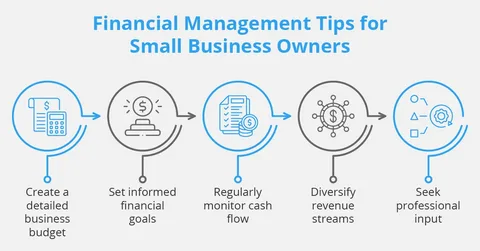
A growing order book can make a small business look healthy. Yet sales alone do not show whether customers are paying on time, prices cover the work involved or enough cash remains for the next tax bill.
Financial foundations are the routines that make those questions easier to answer. They connect everyday transactions with decisions about spending, pricing and growth.
You do not need a large finance department to establish them. A clear set of records, a realistic plan and regular time to review the numbers can give a small business much better control.
Keep Business and Personal Finances Separate
Mixing personal purchases with business transactions makes it harder to understand costs and explain movements in the bank account.
Use a dedicated account for business activity and record money introduced by the owner or taken out for personal use. For sole traders, this separation is a practical way to organise records. For limited companies, a clear division is particularly important because the company is a separate legal entity and its banking must be separate from personal banking.
If you operate through a company, do not assume every transfer to your personal account is simply a withdrawal of earnings. Establish how it should be recorded and treated before making it.
A consistent process reduces the time spent untangling transactions later.
Make Bookkeeping Part of the Working Week
Records are most useful when they reflect what is happening now.
Set aside time each week to record sales and costs, capture supporting documents and review transactions that need an explanation. Match bank entries to the accounting records and investigate differences rather than leaving them unresolved.
Choose categories that help you understand the business. A service firm might want to distinguish software, subcontracted work and direct project costs. A retailer may need a clearer view of stock purchases and selling fees.
Software can reduce repetitive work, but automated entries still need checking. Duplicate transactions and incorrect categories can distort reports.
Clear House Accountants’ article on building a strong business foundation through bookkeeping provides further context on why organised records matter beyond preparing year-end accounts.
Understand the Difference Between Profit and Cash
Profit and available cash answer different questions.
A business may report a profit while waiting for customers to pay. It may also have a healthy bank balance because it has received a loan or an advance payment for work that still needs to be delivered.
Before making a spending decision, look at both profitability and the timing of receipts and payments.
Build a rolling cash flow forecast covering the next few months. Include expected customer payments, supplier bills, wages, loan repayments and tax commitments. Use realistic collection dates and keep uncertain sales opportunities separate from confirmed work.
Test a slower-payment scenario. If a major customer pays a month late, can the business still meet its commitments? Identifying the gap early gives you more time to respond.
Check Whether Prices Cover the Full Cost of Delivery
Busy businesses can still earn too little from the work they sell.
Review the direct costs of each product or service and the overheads the business must support. For service businesses, include preparation, administration, revisions and time spent communicating with the customer.
For illustration, a £1,000 assignment with £600 in direct delivery costs leaves £400 towards overheads and profit. If unplanned revisions add another £250 of delivery cost, that contribution falls to £150. The sales figure has not changed, but the value of the work has.
Define what the price includes and how additional work will be agreed. Review completed jobs against their estimates so future quotes reflect actual experience.
Build a Reliable Invoicing and Collection Process
Agree payment terms before delivery starts. Confirm who approves invoices, whether a purchase order is required and which documents the customer expects.
Invoice promptly and check that the details are correct. A missing reference or disputed description can delay payment even when the customer is otherwise willing to pay.
Review unpaid invoices weekly. Separate invoices that are not yet due from those that are overdue, and record any explanation or promised payment date.
For longer projects, consider whether staged payments would fairly reflect progress and reduce the amount of work funded by your business. Clear invoicing arrangements protect cash flow and reduce uncertainty for both parties.
Adapt the Plan to How the Business Earns
Different business models create different financial pressures.
A shop may commit cash to stock before making a sale. A seasonal business needs stronger months to support quieter periods. A consultancy or contractor business may depend on a small number of assignments with gaps between them.
An online retailer may need to monitor stock and returns, while a service business may need closer control over project costs and billable time. Financial reports should make those pressures visible.
Working with small business accountants can help owners connect bookkeeping, forecasts and tax planning with the way their business operates. Agree which reports and advice would support your decisions before choosing a service package.
The aim is to build controls around the risks you actually face, rather than copy another business’s budget.
Reserve Money for Known Commitments
A bank balance can look more comfortable than it really is when future bills have not been considered.
Maintain a calendar for tax, insurance renewals, subscriptions, loan payments and other significant commitments. Include payroll and pension responsibilities where relevant.
Estimate tax reserves using the business’s structure and circumstances, then update them as results change. A single percentage of sales will not suit every business.
Keep these planned commitments distinct from an emergency buffer. Money set aside for a known bill cannot also provide protection against a customer loss.
Build reserves gradually and decide what would trigger a review of discretionary spending.
Turn Financial Reports into Decisions
Choose a small number of figures to review monthly: sales, margins, available cash, overdue invoices and upcoming commitments are a useful starting point.
Compare actual results with the plan and investigate meaningful differences. Higher sales accompanied by falling margins may point to discounting or rising delivery costs. Growing unpaid invoices may explain why cash is tight despite apparently good performance.
Finish the review with specific actions. That might mean revising a quote template, chasing an overdue invoice or postponing a purchase until the forecast improves.
Strong financial foundations come from repeating these habits. When records are current and commitments are visible, owners can judge growth opportunities with a clearer understanding of what the business can afford.


Who Is Sol Xochitl? The Inspiring Life Story of Exodus Tyson’s Mother

Who Is Sherry Aon? The Untold Story Behind Rick Gonzalez’s Wife

Who Is Krista Visentin? A Closer Look at the Amazing Life of David Visentin’s Wife

How to Prepare Your Travel Declaration Before Visiting Another Country

Who Is Aliza Barber? The Remarkable Life of Lance Barber’s Wife

Who Is Korina Harrison? The Truth Behind Corey Harrison’s Ex-Wife

Who Is Tanja Rosner? The Untold Life Story of Tate McRae’s Mother

Who Is Jaisal Andrews? Inside the Life of Naveen Andrews’ Son

Who Is Saffron Le Bon? The Untold Life Story of Benjamin Compston’s Wife

What Is OpenSkyNews and Who Are Its Two Co-Founders?

Who Is Kerri Browitt Caviezel? The Inspiring Life Story of Jim Caviezel’s Wife

Who Is Otelia Cox? The Remarkable Life Story of Tony Cox’s Wife
-
 Celebrity3 months ago
Who Is Tanja Rosner? The Untold Life Story of Tate McRae’s Mother
-
 Celebrity3 months ago
Who Is Jaisal Andrews? Inside the Life of Naveen Andrews’ Son
-
 Celebrity3 months ago
Who Is Saffron Le Bon? The Untold Life Story of Benjamin Compston’s Wife
-
 Entertainment2 months ago
What Is OpenSkyNews and Who Are Its Two Co-Founders?
-
 Celebrity3 months ago
Who Is Kerri Browitt Caviezel? The Inspiring Life Story of Jim Caviezel’s Wife
-
 Celebrity3 months ago
Who Is Otelia Cox? The Remarkable Life Story of Tony Cox’s Wife
-

 Celebrity3 months ago
Who Is Sue Johnston? The Remarkable Life Story of Joel Palmentor’s Mother
-

 Software2 months ago
Voozon.com Explained: What It Really Is Behind the “Knowledge Platform” Label