Food
Koriandri (Coriander): A Complete, Honest Guide to This Everyday Herb

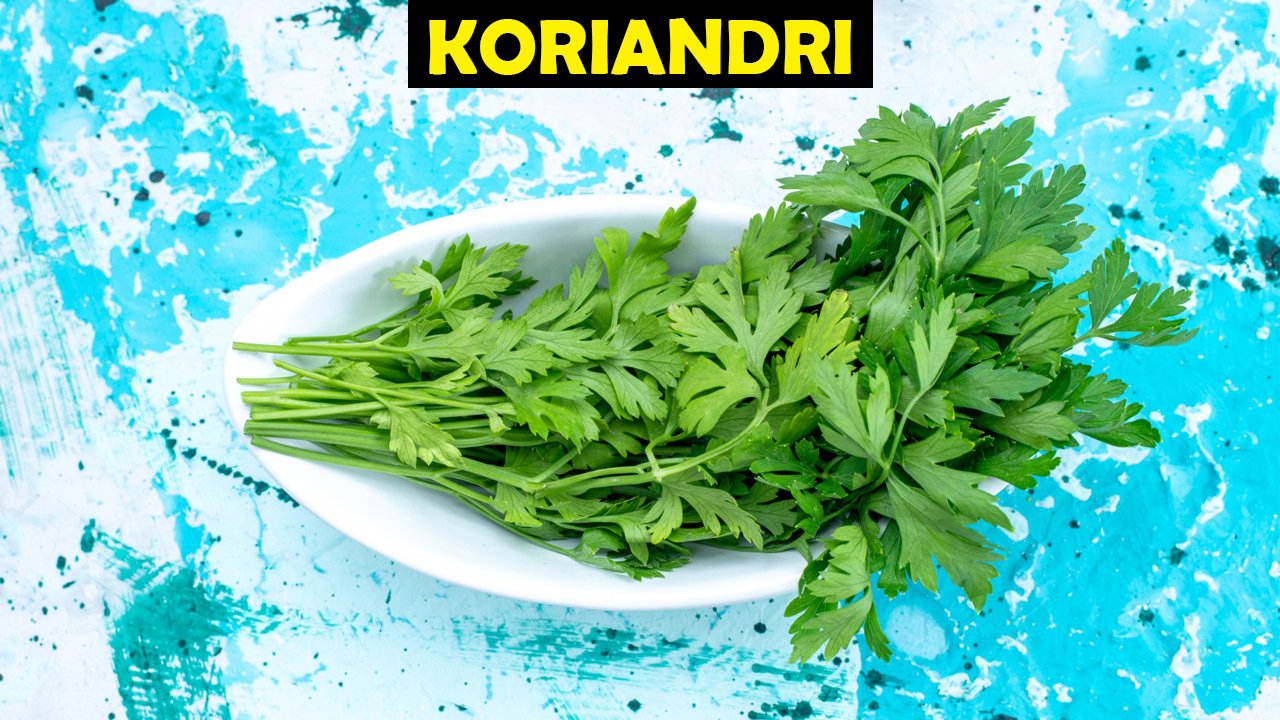
Koriandri is a stylized spelling variant used across numerous content sites to refer to coriander, also widely known as cilantro in North America, a genuinely well-established culinary herb and spice used across cuisines worldwide for both its fresh leaves and dried seeds. This article covers what coriander actually is, its genuine culinary and nutritional value, and how to use and grow it, without relying on the unusual “Koriandri” spelling as though it represents a separate or novel product.
What Is Coriander, and Why the Different Names?
Coriander, botanically known as Coriandrum sativum, is an annual herb whose fresh leaves are called cilantro in the United States, Canada, and much of North America, while the same plant’s dried seeds are called coriander seeds nearly everywhere, including in North America, a naming split that often confuses people encountering the plant for the first time. In most of Europe, Asia, and other regions, both the fresh leaves and the seeds are simply called coriander, distinguished by context, “fresh coriander” versus “coriander seed.”
The specific spelling “Koriandri” doesn’t correspond to any established regional name or scientific variant for the plant; it appears to be a stylized alternate spelling used specifically across a cluster of content sites, including Curecart Direct, Garden Peak, Indykaila, Flavor Suggest, and others, likely chosen because it offers a distinct, less competitive search term compared to the extremely common word “coriander” itself.
What Are the Genuine Culinary Uses of Coriander?
Fresh coriander leaves are a staple herb across Mexican, Indian, Southeast Asian, Middle Eastern, and Chinese cuisines, commonly used as a finishing garnish, blended into sauces like Mexican salsa verde or Southeast Asian dipping sauces, or incorporated into chutneys, particularly the popular coriander-mint chutney common in Indian cooking. The leaves have a distinctively bright, citrusy flavor that some people experience as pleasant and others perceive as soapy, a well-documented genetic variation in taste perception linked to specific olfactory receptor genes.
Coriander seeds, by contrast, offer a completely different flavor profile, warm, slightly citrusy, and nutty, and are a foundational spice in many spice blends, including garam masala, curry powders, and various pickling spice mixes. Toasting whole coriander seeds briefly before grinding intensifies their aromatic qualities considerably, a common technique in Indian and Middle Eastern cooking specifically.
Does Coriander Have Genuine Nutritional or Health Value?
Fresh coriander leaves contain vitamin K, vitamin C, and vitamin A, along with smaller amounts of various minerals, contributing modest but genuine nutritional value when used regularly as a fresh herb, though typical serving sizes as a garnish are small enough that coriander functions more as a flavor and micronutrient accent than a primary nutritional source. Coriander seeds contain dietary fiber, iron, and manganese, along with plant compounds that have been studied for various potential health properties, though readers should be cautious about overstated health claims sometimes attached to coriander in less rigorous online content.
For specific health claims beyond general nutritional content, consulting established nutrition resources or a healthcare provider, rather than relying on unsourced “superfood” style claims common across content-farm coriander articles, is the more reliable approach, particularly if you’re considering coriander for a specific health condition rather than general culinary use.
How Can You Grow Coriander at Home?
Coriander is a relatively easy annual herb to grow from seed, preferring cooler temperatures and tending to “bolt,” or flower and go to seed quickly, in hot weather, which shortens the harvest window for fresh leaves considerably during summer months in warmer climates. Planting in early spring or fall, providing consistent moisture, and choosing a partially shaded location during warmer months can help extend the harvest period for fresh leaves before the plant bolts.
Once a coriander plant does bolt and flower, the resulting seeds can be harvested and dried for use as the spice, meaning a single planting can potentially provide both fresh leaves earlier in its growth cycle and dried seeds later, a genuinely efficient use of the same plant across its full life cycle.
How Should You Store Fresh Coriander to Keep It Fresh Longer?
Fresh coriander leaves wilt relatively quickly after harvesting or purchase, but storing the bunch with stems trimmed and placed in a glass of water, similar to a bouquet of flowers, then covering loosely with a plastic bag and refrigerating, can extend freshness noticeably compared to simply wrapping the bunch in plastic. Washing coriander only right before use, rather than immediately after purchase, also helps prevent premature wilting from excess moisture sitting against the leaves.
The USDA’s FoodData Central database, which provides verified nutritional information for coriander and thousands of other foods, offers a genuinely reliable reference for specific, accurate nutritional content rather than relying on unsourced claims from generic herb guide articles.
How Should You Evaluate Online Health Claims About Herbs Like This?
Checking whether a specific health claim about coriander or any herb traces back to a peer-reviewed study or an established nutrition authority, rather than a generic content site repeating unsourced claims, is a reasonable general practice, particularly for claims that sound unusually dramatic or health-transformative. The National Institutes of Health’s Office of Dietary Supplements, which reviews evidence for various food and supplement health claims, provides a useful, genuinely authoritative resource for verifying specific herb-related health claims beyond general culinary use.
What Should You Do If You’re Just Looking to Cook With Coriander?
If your interest in “Koriandri” is really about using the herb in cooking, searching directly for “fresh coriander recipes” or “coriander seed spice blends” connects you with genuinely useful, specific culinary guidance without needing to navigate the unusual stylized spelling some content sites have adopted. Most well-stocked grocery stores carry both fresh coriander leaves, often labeled as cilantro in North America specifically, and dried coriander seeds in the spice aisle, making this an accessible, genuinely useful everyday ingredient regardless of which specific name or spelling you search for it under.
What Other Culinary Herbs Get This Kind of Alternate-Spelling Treatment?
Coriander isn’t the only common herb that content sites have given a distinctive, stylized alternate spelling to boost a specific search term’s visibility; similar patterns have appeared around other popular culinary herbs and spices, using slight spelling variations to create a “fresh” seeming keyword out of an already extremely well-established word. Recognizing this pattern generally, that a distinctive spelling doesn’t automatically indicate a distinct or novel product, is useful for evaluating other unusually spelled ingredient or plant names you might encounter through search results.
The underlying herb or spice itself remains exactly as well-documented and useful regardless of which specific spelling variant led you to search for it, making the manufacturer or agricultural information, rather than the specific spelling, the part actually worth focusing on.
What Are Some Genuinely Useful Ways to Incorporate Coriander Into Everyday Cooking?
Beyond garnishing finished dishes, fresh coriander leaves blend well into homemade salad dressings, marinades for grilled meats and vegetables, and cold soups like gazpacho, where their bright, citrusy flavor adds genuine freshness without overwhelming other ingredients. Coriander seeds, meanwhile, work particularly well in slow-cooked dishes like braises and stews, where their warm, nutty flavor has time to develop and meld with other spices over a longer cooking period.
Keeping both fresh coriander and whole coriander seeds on hand, rather than relying solely on pre-ground coriander powder, which loses aromatic intensity considerably faster than whole seeds, gives you meaningfully more flexibility and flavor depth across a wide range of everyday cooking applications.
Conclusion
Koriandri is simply a stylized spelling of coriander, a genuine, well-established culinary herb used worldwide for both its fresh leaves and dried seeds, with real, modest nutritional value and countless practical culinary applications. Readers interested in this herb should rely on established nutrition resources and genuine culinary guidance rather than unsourced claims, regardless of which particular spelling led them to search for it.
Frequently Asked Questions
Is Koriandri a different plant from regular coriander?
No, not at all. “Koriandri” is simply a stylized alternate spelling of coriander used across some content sites. It refers to the same genuine herb known botanically as Coriandrum sativum.
What’s the difference between coriander and cilantro?
In North America specifically, cilantro refers to the fresh leaves while coriander refers to the dried seeds of the same plant. Elsewhere, both are commonly just called coriander instead of cilantro.
Does coriander have genuine health benefits?
Yes, modestly and genuinely so. Fresh leaves provide vitamins K, C, and A, while seeds offer fiber, iron, and manganese, though typical serving sizes make it a flavor accent more than a primary nutrient source.
Can I grow coriander at home easily?
Yes, it’s a relatively easy annual herb to grow from seed, though it tends to bolt quickly in hot weather, which shortens the fresh-leaf harvest window during warmer months specifically.
How do I keep fresh coriander from wilting quickly?
Trim the stems, place the bunch in a glass of water like flowers, cover loosely with a plastic bag, and refrigerate, washing the leaves only right before you actually use them.


Haslhof Explained: The Real German and Austrian Villages Behind This Place Name

Gaymetu E: What This Gaming Community Site Publishes

Who Is Arabella Sezen Oz? The Fascinating Life Story of Dr. Mehmet Oz’s Daughter

Who Was Saul Consuelos? The Full Life Story of Mark Consuelos’ Father

Who Is Diane Addonizio? The Verified Facts About Howie Long’s Wife

What Does “Landslide” by Fleetwood Mac Actually Mean?

Who Is Jaisal Andrews? Inside the Life of Naveen Andrews’ Son

Who Is Kerri Browitt Caviezel? The Inspiring Life Story of Jim Caviezel’s Wife

Who Is Saffron Le Bon? The Untold Life Story of Benjamin Compston’s Wife

Who Is Sue Johnston? The Remarkable Life Story of Joel Palmentor’s Mother

Who Is Tanja Rosner? The Untold Life Story of Tate McRae’s Mother

Who Is Otelia Cox? The Remarkable Life Story of Tony Cox’s Wife
-
 Celebrity1 month ago
Who Is Jaisal Andrews? Inside the Life of Naveen Andrews’ Son
-
 Celebrity4 weeks ago
Who Is Kerri Browitt Caviezel? The Inspiring Life Story of Jim Caviezel’s Wife
-
 Celebrity4 weeks ago
Who Is Saffron Le Bon? The Untold Life Story of Benjamin Compston’s Wife
-
 Celebrity4 weeks ago
Who Is Sue Johnston? The Remarkable Life Story of Joel Palmentor’s Mother
-
 Celebrity4 weeks ago
Who Is Tanja Rosner? The Untold Life Story of Tate McRae’s Mother
-
 Celebrity3 weeks ago
Who Is Otelia Cox? The Remarkable Life Story of Tony Cox’s Wife
-

 Celebrity4 weeks ago
Who Is Amanda Redman? The Inspiring Life Story of Joan Redman’s Daughter
-

 Technology3 weeks ago
FintechZoom.io Explained: What to Verify Before Trusting This Site